Erin Gibbs Van Brunschot - Böcker
Visar alla böcker från författaren Erin Gibbs Van Brunschot. Handla med fri frakt och snabb leverans.
6 produkter
6 produkter
3 516 kr
Skickas inom 3-6 vardagar
In confronting risk, individuals and all agencies cannot simply respond with endless resources in mitigating the damage that hazards engender—they have to establish a balance. Risk Balance and Security combines the conceptual underpinnings of risk assessment and management at both the individual and agency level with a clear analysis of how these relate to challenges faced in responding to crime, terrorism, public health threats, and environmental disasters. With a new understanding of how decisions are made about threats and hazards, and how this understanding may be applied in our preparedness, prevention, and response strategies, we will be able to better conceptualize our task for enhancing security in the future. Key Features Links theoretical ideas with real world examples: Clear discussions are presented of how risk is constructed in modern society and why that is important in our efforts to develop strategies to enhance security. Provides an interdisciplinary treatment of risk: To capture the realities facing public security today, ideas are drawn from a number of different disciplines. Illustrates real applications of solutions to security problems: Students are shown how agencies are dealing with specific threats to security. Compares individual-level and institutional-level assessments of risk and security: These divergences enable readers to appreciate the complexities of establishing security. Intended Audience This is an excellent text for undergraduate and graduate courses such as Disaster Research, Security, Police Studies, Emergency Planning, and Crime and Public Policy in the departments of criminology, criminal justice, political science, and public health.
2 551 kr
Skickas inom 3-6 vardagar
In confronting risk, individuals and all agencies cannot simply respond with endless resources in mitigating the damage that hazards engender—they have to establish a balance. Risk Balance and Security combines the conceptual underpinnings of risk assessment and management at both the individual and agency level with a clear analysis of how these relate to challenges faced in responding to crime, terrorism, public health threats, and environmental disasters. With a new understanding of how decisions are made about threats and hazards, and how this understanding may be applied in our preparedness, prevention, and response strategies, we will be able to better conceptualize our task for enhancing security in the future. Key Features Links theoretical ideas with real world examples: Clear discussions are presented of how risk is constructed in modern society and why that is important in our efforts to develop strategies to enhance security. Provides an interdisciplinary treatment of risk: To capture the realities facing public security today, ideas are drawn from a number of different disciplines. Illustrates real applications of solutions to security problems: Students are shown how agencies are dealing with specific threats to security. Compares individual-level and institutional-level assessments of risk and security: These divergences enable readers to appreciate the complexities of establishing security. Intended Audience This is an excellent text for undergraduate and graduate courses such as Disaster Research, Security, Police Studies, Emergency Planning, and Crime and Public Policy in the departments of criminology, criminal justice, political science, and public health.
1 476 kr
Skickas inom 10-15 vardagar
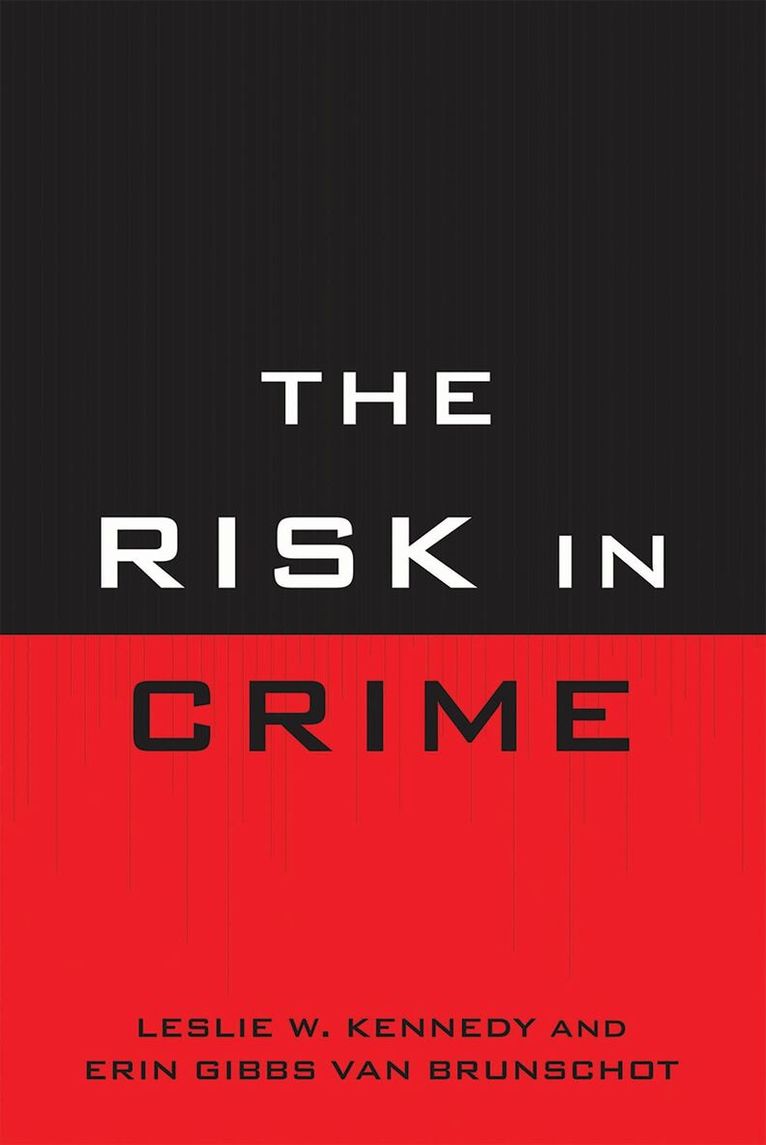
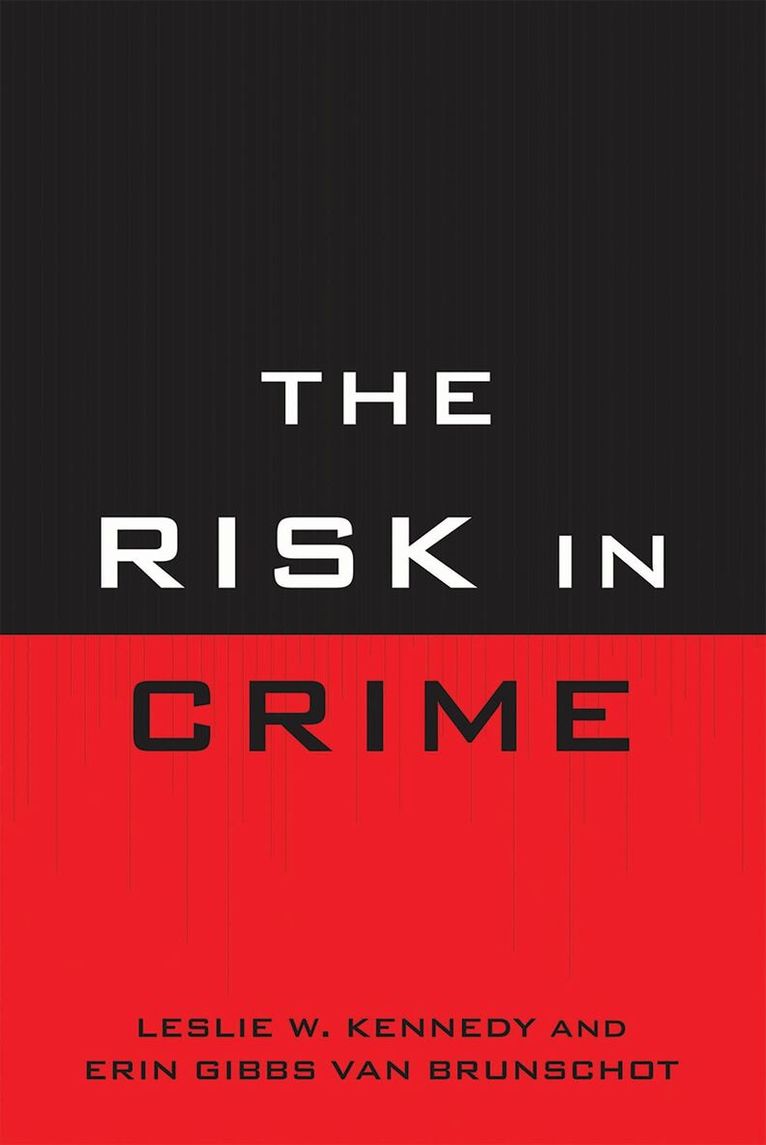
Work on risk has developed into a large industry applied in a variety of ways and locations. Here we locate crime research in the overall interdisciplinary study of risk and begin to address how risk can be used as a key element in our understanding of crime origins, evolution and prevention. We investigate how risk has been dealt with in crime theories and the usefulness of this concept in connecting crime perspectives together; we consider the ways in which risk is embedded in the evolution of crime; and how we might use the concept of risk to prevent crime and victimization. Using the criminal event perspective, we tie together risk with crime theories in a coherent fashion. Further, we explore how these ideas work in practical applications of crime control and prevention. The implicit notion of risk assessment practiced by police is explored and made explicit in our treatment of this topic in our last chapter. We believe that the increased interest in risk demands that we have a clearer idea of how it works within crime theories and how it can be successfully employed in improving police practice, providing the tools to act proactively on good intelligence and carefully thought out strategies.
488 kr
Skickas inom 10-15 vardagar
Work on risk has developed into a large industry applied in a variety of ways and locations. Here we locate crime research in the overall interdisciplinary study of risk and begin to address how risk can be used as a key element in our understanding of crime origins, evolution and prevention. We investigate how risk has been dealt with in crime theories and the usefulness of this concept in connecting crime perspectives together; we consider the ways in which risk is embedded in the evolution of crime; and how we might use the concept of risk to prevent crime and victimization. Using the criminal event perspective, we tie together risk with crime theories in a coherent fashion. Further, we explore how these ideas work in practical applications of crime control and prevention. The implicit notion of risk assessment practiced by police is explored and made explicit in our treatment of this topic in our last chapter. We believe that the increased interest in risk demands that we have a clearer idea of how it works within crime theories and how it can be successfully employed in improving police practice, providing the tools to act proactively on good intelligence and carefully thought out strategies.
663 kr
Skickas inom 7-10 vardagar
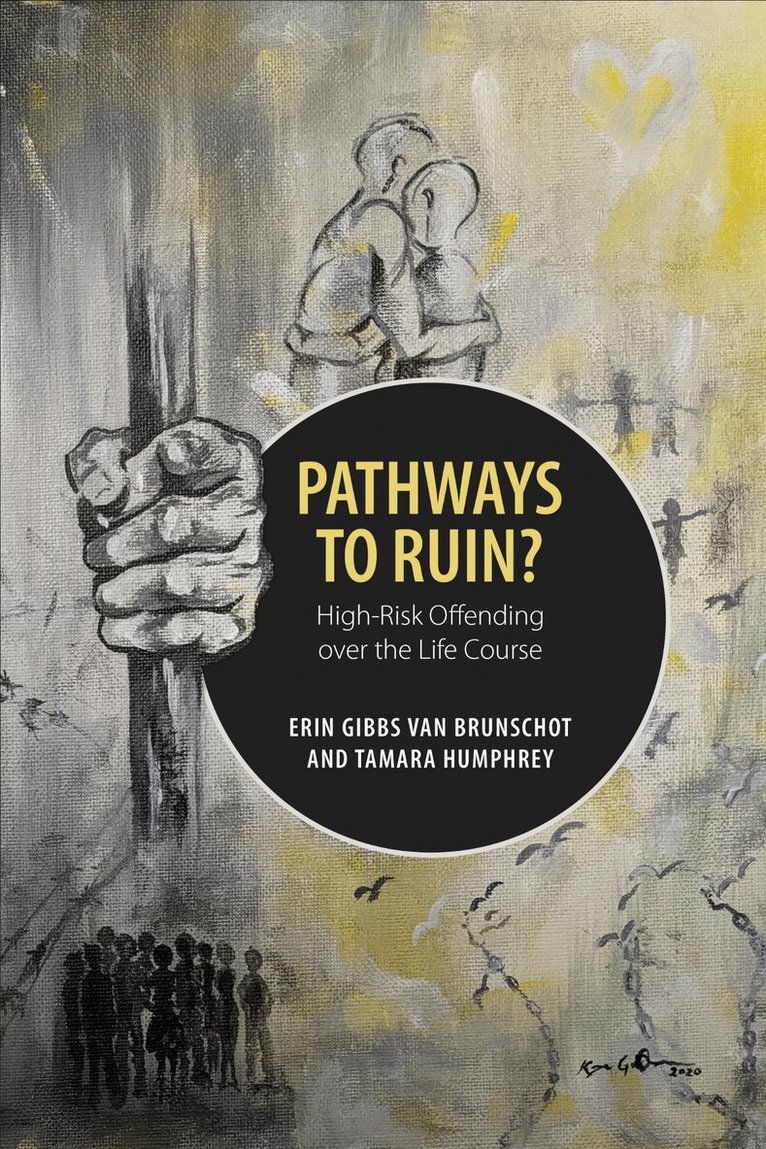
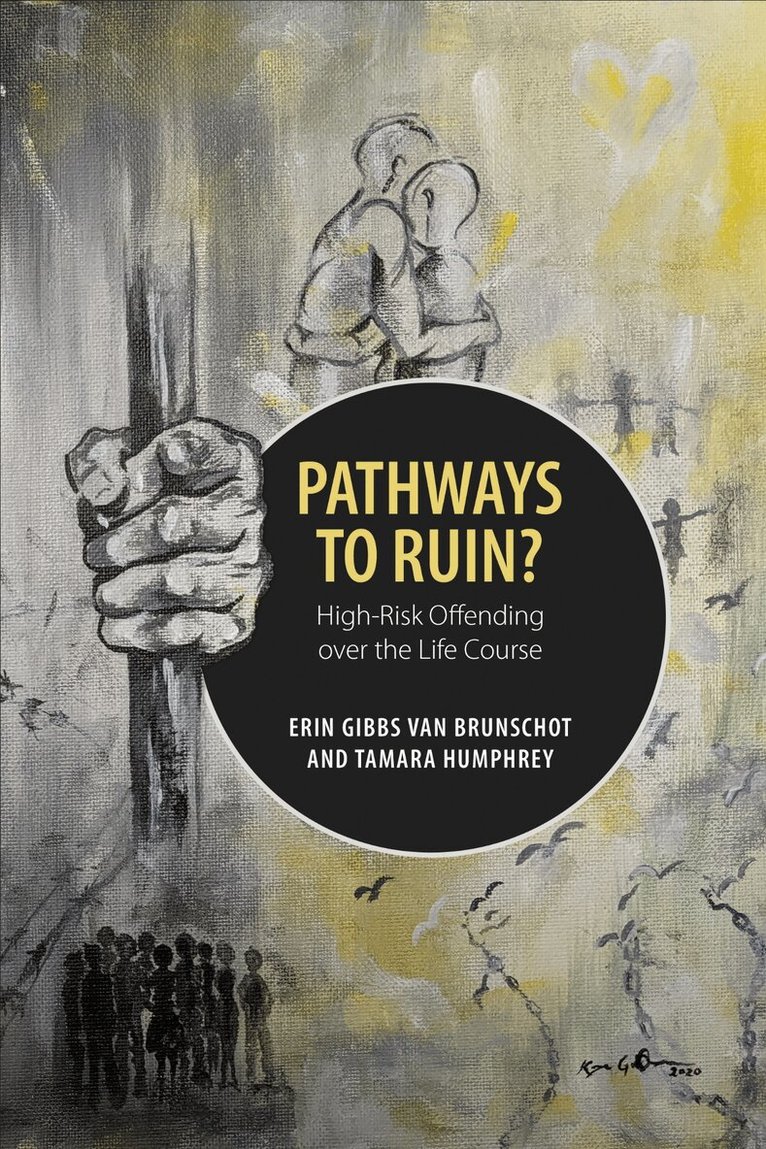
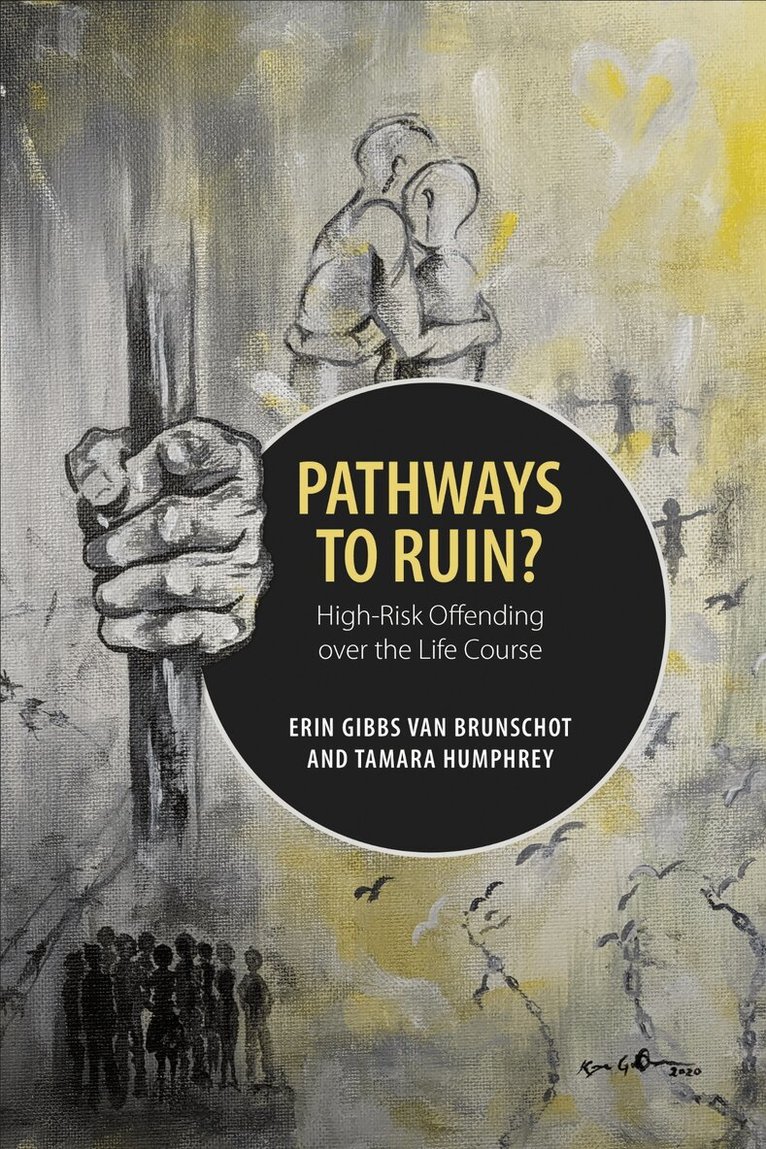
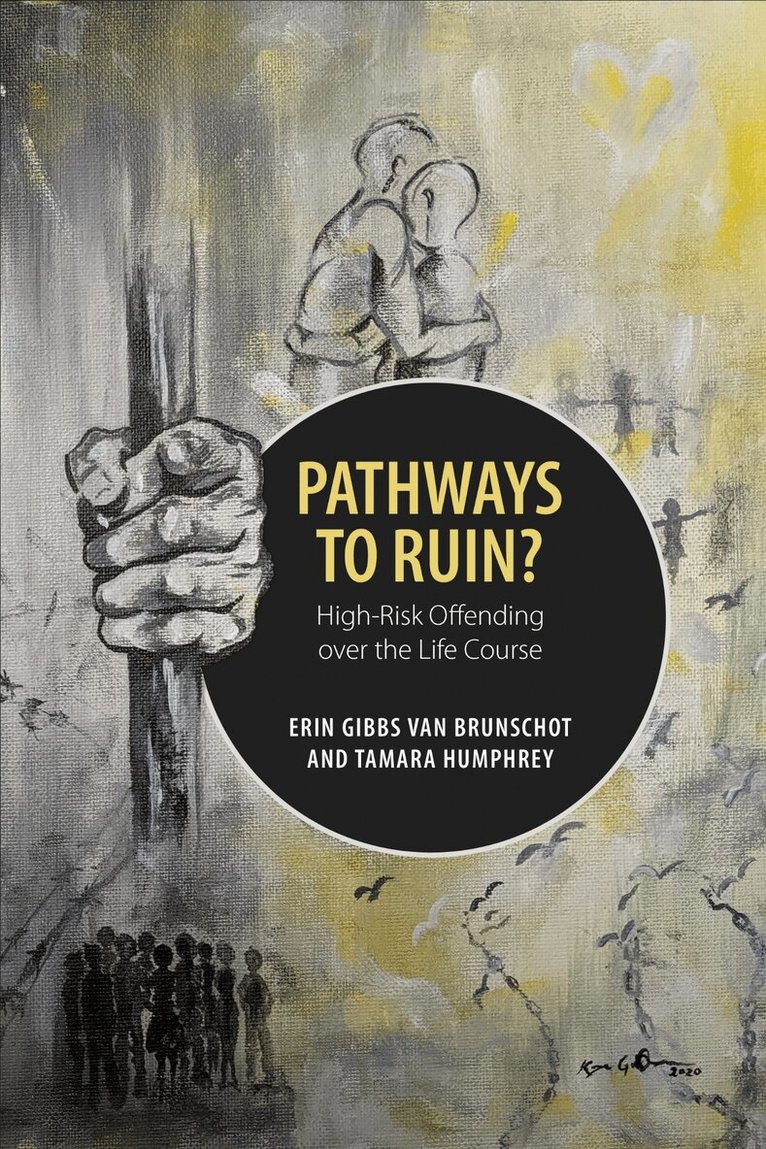
Individuals who have committed a number of crimes over their lifetimes have had complex, multi-faceted life experiences often characterized by extreme disadvantage and victimization. Those who are formally designated as "high-risk" by the Canadian criminal justice system often have a record of violent or sexual crimes. As a result, they are usually subject to additional monitoring in the community after completing a prison sentence.Pathways to Ruin? disentangles the numerous elements and pathways that lead to high rates of reoffending by focusing on developmental periods of childhood, adolescence, and adulthood. The book uses a case-study approach to consider individuals’ entire crime pathway by examining the circumstances and factors that contribute to assumptions or official designations of "high-risk" behaviour. Erin Gibbs Van Brunschot and Tamara Humphrey overhaul society’s popular crime narratives and instead draw on sociological and criminological perspectives to identify historical, social, and personal contexts that appear to increase the likelihood of reoffending. They also consider how negative life experiences may be addressed to circumvent trajectories of serious offending. Reducing the social distance that the "law-abiding" public may feel towards marginalized groups, Pathways to Ruin? details how legal systems could better serve these individuals, and acknowledges the many missed opportunities for compassion.
256 kr
Skickas inom 7-10 vardagar
Individuals who have committed a number of crimes over their lifetimes have had complex, multi-faceted life experiences often characterized by extreme disadvantage and victimization. Those who are formally designated as "high-risk" by the Canadian criminal justice system often have a record of violent or sexual crimes. As a result, they are usually subject to additional monitoring in the community after completing a prison sentence.Pathways to Ruin? disentangles the numerous elements and pathways that lead to high rates of reoffending by focusing on developmental periods of childhood, adolescence, and adulthood. The book uses a case-study approach to consider individuals’ entire crime pathway by examining the circumstances and factors that contribute to assumptions or official designations of "high-risk" behaviour. Erin Gibbs Van Brunschot and Tamara Humphrey overhaul society’s popular crime narratives and instead draw on sociological and criminological perspectives to identify historical, social, and personal contexts that appear to increase the likelihood of reoffending. They also consider how negative life experiences may be addressed to circumvent trajectories of serious offending. Reducing the social distance that the "law-abiding" public may feel towards marginalized groups, Pathways to Ruin? details how legal systems could better serve these individuals, and acknowledges the many missed opportunities for compassion.