Erin Vearncombe – författare
351 kr
Skickas
308 kr
Skickas inom 3-6 vardagar
172 kr
Läs direkt efter köp
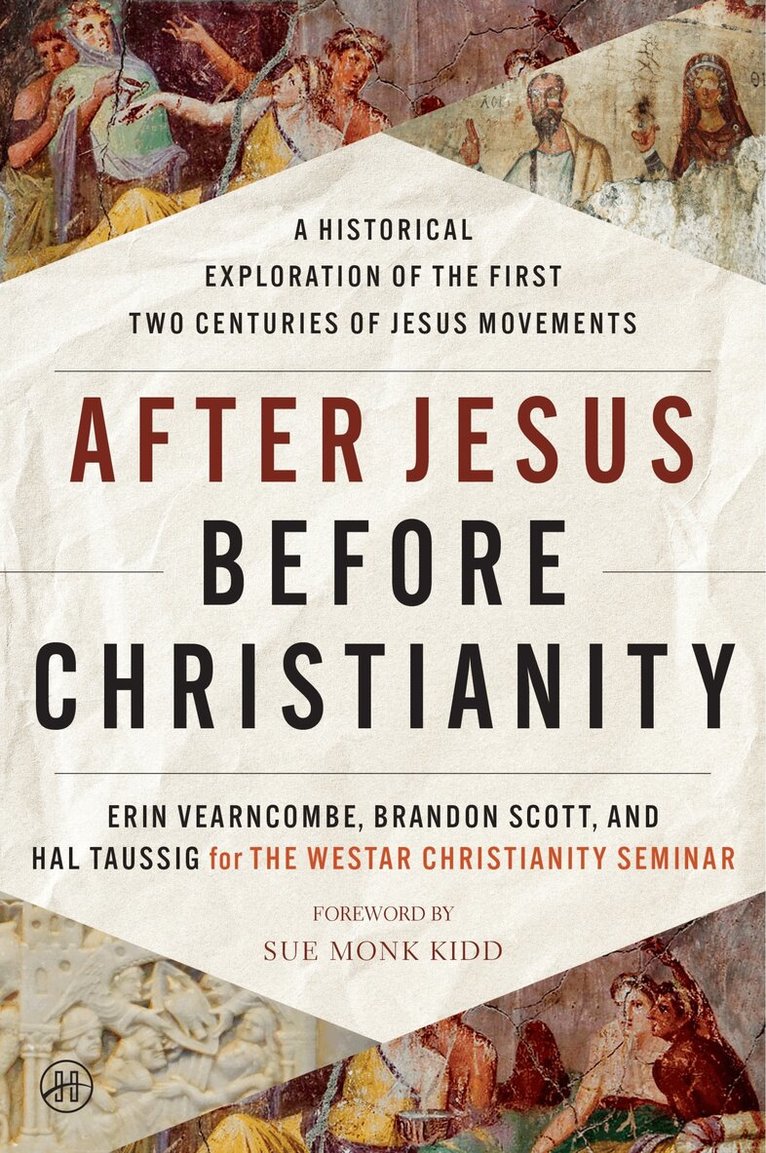
From the creative minds of the scholarly group behind the groundbreaking Jesus Seminar comes this provocative and eye-opening look at the roots of Christianity that offers a thoughtful reconsideration of the first two centuries of the Jesus movement, transforming our understanding of the religion and its early dissemination.Christianity has endured for more than two millennia and is practiced by billions worldwide today. Yet that longevity has created difficulties for scholars tracing the religion’s roots, distorting much of the historical investigation into the first two centuries of the Jesus movement. But what if Christianity died in the fourth or fifth centuries after it began? How would that change how historians see and understand its first two hundred years?
Considering these questions, three Bible scholars from the Westar Institute summarize the work of the Christianity Seminar and its efforts to offer a new way of thinking about Christianity and its roots. Synthesizing the institute’s most recent scholarship—bringing together the many archaeological and textual discoveries over the last twenty years—they have found:
There were multiple Jesus movements, not a singular one, before the fourth centuryThere was nothing called Christianity until the third centuryThere was much more flexibility and diversity within Jesus’s movement before it became centralized in Rome, not only regarding the Bible and religious doctrine, but also understandings of gender, sexuality and morality.Exciting and revolutionary, After Jesus, Before Christianity provides fresh insights into the real history behind how the Jesus movement became Christianity.
After Jesus, Before Christianity includes more than a dozen black-and-white images throughout and an 8-page color insert.
455 kr
Läs direkt efter köp
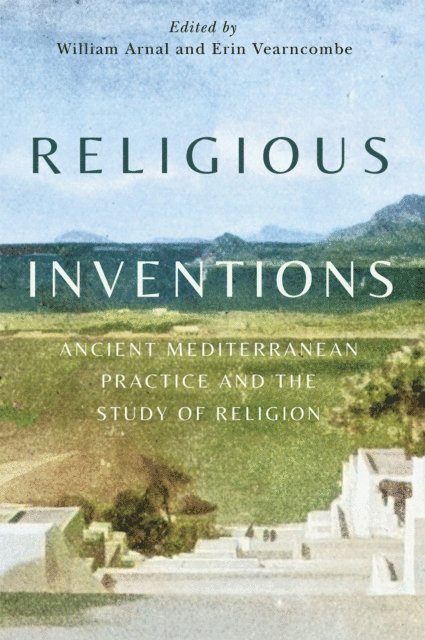
Religion is a modern invention, a category used to describe and study certain kinds of human behaviour. Yet when it comes to the ancient world and its texts – including those that comprise the Jewish and Christian Bibles – it can be easy to forget that they did not fall from the sky as simple expressions of dogma. Rather, the ancient writings of early Judaism and Christianity are firmly rooted in the world and are the product of an astonishing array of human experience and agency: acts of self-fashioning; of imaginative speculation; of mourning and memorializing; of forming, dissolving, or refashioning group identities; and more.
Religious Inventions asks how modern conceptions of religion can shed light on the relics, textual and otherwise, of ancient Mediterranean Jews and Christians. What insights from the contemporary study of religious behaviours and practices challenge what we think we know about the ancient world? Conversely, how can thinking about the ancient world challenge what we think we know about religion today? This volume responds to these questions through explorations of the material and social circumstances behind the production of written artifacts. It examines how religious practices relate to conceptions of identity and critiques the utility of the comparative method for approaching ancient writings.
Textual authority is used and abused by many of today’s public figures. Religious Inventions offers an alternative approach to understanding how authority is constructed: from the ground up, by the creative actions and choices of real people who lived long ago.
455 kr
Läs direkt efter köp
Religion is a modern invention, a category used to describe and study certain kinds of human behaviour. Yet when it comes to the ancient world and its texts – including those that comprise the Jewish and Christian Bibles – it can be easy to forget that they did not fall from the sky as simple expressions of dogma. Rather, the ancient writings of early Judaism and Christianity are firmly rooted in the world and are the product of an astonishing array of human experience and agency: acts of self-fashioning; of imaginative speculation; of mourning and memorializing; of forming, dissolving, or refashioning group identities; and more.
Religious Inventions asks how modern conceptions of religion can shed light on the relics, textual and otherwise, of ancient Mediterranean Jews and Christians. What insights from the contemporary study of religious behaviours and practices challenge what we think we know about the ancient world? Conversely, how can thinking about the ancient world challenge what we think we know about religion today? This volume responds to these questions through explorations of the material and social circumstances behind the production of written artifacts. It examines how religious practices relate to conceptions of identity and critiques the utility of the comparative method for approaching ancient writings.
Textual authority is used and abused by many of today’s public figures. Religious Inventions offers an alternative approach to understanding how authority is constructed: from the ground up, by the creative actions and choices of real people who lived long ago.