Erin Zerbo – författare
720 kr
Skickas inom 11-20 vardagar
901 kr
Läs direkt efter köp
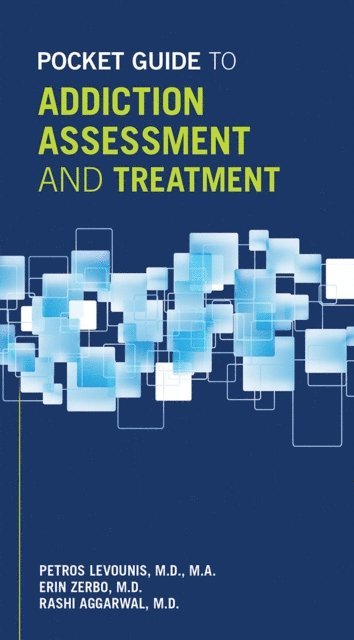
Ambivalence, poor adherence to treatment, serious psychiatric and medical comorbidities -- the difficulties posed by patients of substance use disorders are among the most challenging for practitioners to face. Given that only 10% of patients with these disorders actually receive specialized addiction treatment, it''s clear that physicians in all medical and surgical specialties need to become comfortable assessing and treating substance use disorders.
The Pocket Guide to Addiction Assessment and Treatment is designed specifically to aid a wide range of clinicians, regardless of their training in addiction, to more confidently assess and treat this patient population.
The book''s practical, actionable content is divided into three sections -- Fundamentals of Addiction, Substances and Behaviors, and Treatment -- that address topics including: The neurobiology of addiction How to recognize and treat intoxication, withdrawal from, and addiction to substances such as alcohol, anabolic-androgenic steroids, benzodiazepines, cannabis, opioids, stimulants, and tobacco, as well as hallucinogens, inhalants, and caffeine Special issues with psychiatric and medical comorbidities, as well as with specific populations Behavioral addictions, with a special focus on gambling disorder Cognitive-behavioral therapy; 12-step programs; nutrition and exercise; spirituality, mindfulness, and meditation; and other treatment options, with examples of how each can be used with patients facing addictions
With an accessible, easily referenced format, the Pocket Guide to Addiction Assessment and Treatment serves as a go-to resource for general psychiatrists, internists, family practitioners, pediatricians, emergency medicine physicians, psychiatric nurses, residents, medical students, and other practitioners involved in the addiction treatment field. And because all of the diagnostic discussions are DSM-5®--based, readers can be confident that they''re getting the most relevant and up-to-date guidance on the topic.
700 kr
Skickas inom 5-8 vardagar
735 kr
Läs direkt efter köp
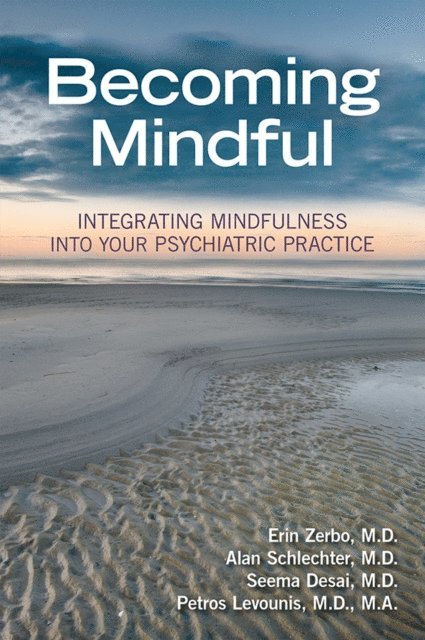
According to a 2012 National Institutes of Health survey, 18 million adults in the United States -- 8% of the adult population -- practice some type of meditation. What are the possible applications of meditation -- and mindfulness in particular -- in psychotherapy and psychiatry? Becoming Mindful: Integrating Mindfulness Into Your Psychiatric Practice tackles this issue in a down-to-earth manner designed for immediate applicability. Whereas most other books on the topic focus on the benefits of mindfulness either for the clinician or for the patient, Becoming Mindful offers chapters on both, providing advice on how clinicians can establish a personal mindfulness practice and encourage their patients to do the same, both during sessions and at home. For clinician and patient alike, the handbook discusses the practical aspects of mindfulness, from the most effective postures to specific practices, and offers solutions for overcoming common obstacles, including restlessness and boredom, sleepiness, and sensory craving.
Several chapters feature embedded exercises and guided meditations, and an appendix with audio guided meditations and a resource list provides psychiatrists, psychologists, psychiatric residents, social workers, counselors, and nurse practitioners, among others, with readily accessible tools to use in sessions with patients.
Key takeaways summarize each chapter''s content, making it easy for busy clinicians to quickly reference the information they need to most effectively treat patients, even those in special populations, including children and adolescents; patients battling substance addiction; and patients suffering from such disorders as depression, anxiety, posttraumatic stress disorder, and attention-deficit/hyperactivity disorder. With additional sections on mindful eating, mindfulness and technology, and the growing field of positive psychiatry, this book introduces readers to the full scope of benefits that mindfulness has to offer.