Ernesto Savona – författare
Visar alla böcker från författaren Ernesto Savona. Handla med fri frakt och snabb leverans.
22 produkter
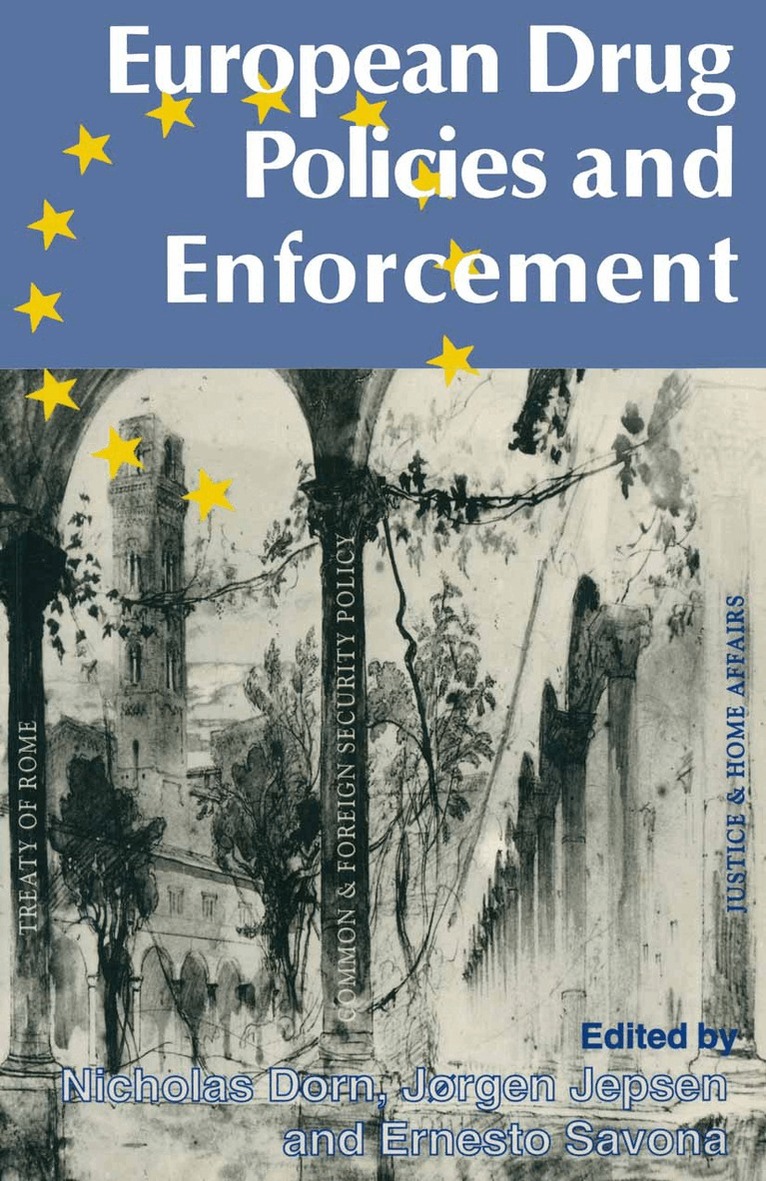
European Drug Policies and Enforcement
Av Nicholas Dorn, Jorgen Jepsen m. fl.
Inbunden, 1996
1512 kr
Lägg i varukorg
Drug problems present sharp challenges for policing and democracy in the European Union. Harmonisation of anti-trafficking measures contrasts with diversity of local policies on drug users. 'Open drug scenes' trigger innovative but often volatile responses. This collection presents vivid …
European Drug Policies and Enforcement
Av Nicholas Dorn, Jorgen Jepsen m. fl.
Häftad, 1995
1512 kr
Lägg i varukorg
Drug problems present sharp challenges for policing and democracy in the European Union. Harmonisation of anti-trafficking measures contrasts with diversity of local policies on drug users. 'Open drug scenes' trigger innovative but often volatile responses. This collection presents vivid …
Criminal Markets and Mafia Proceeds
Av Ernesto Savona, Francesco Calderoni
Häftad, 2020
691 kr
Lägg i varukorg
This book estimates the proceeds of crime and mafia revenues for different criminal markets such as sexual exploitation, drugs, illicit cigarettes, loan sharking, extortion racketeering, counterfeiting, illicit firearms, illegal gambling and illicit waste management. It is the first time that …
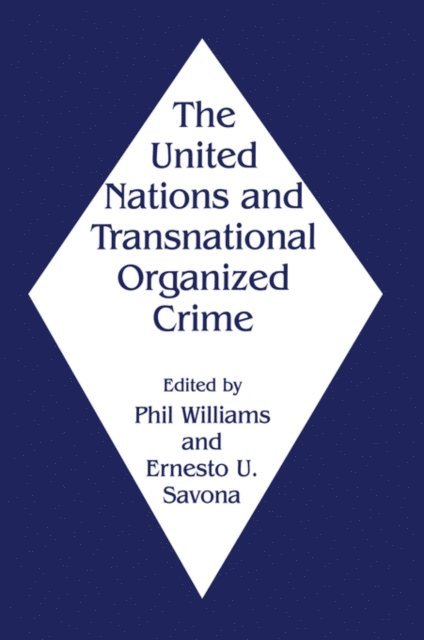
United Nations and Transnational Organized Crime
Av Ernesto Savona, Phil Williams
Häftad, 1996
822 kr
Lägg i varukorg
Transnational organized crime poses a serious threat to the international community. This volume, the product of a UN conference, discusses the dangers of transnational organized crime and identifies forms of regional, national and international co-operation for its prevention and control, …
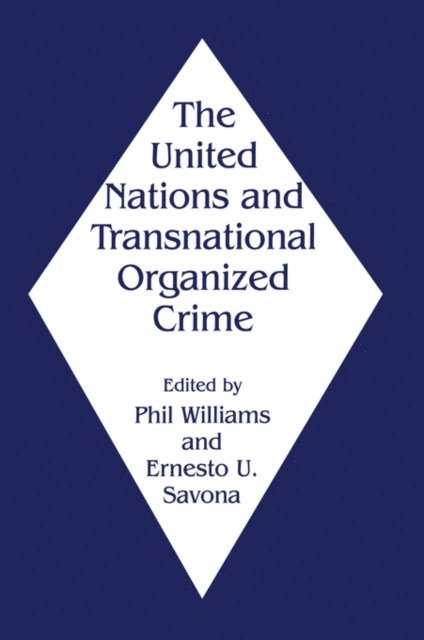
United Nations and Transnational Organized Crime
Av Ernesto Savona, Phil Williams
Inbunden, 1996
2512 kr
Lägg i varukorg
Transnational organized crime poses a serious threat to the international community. This volume, the product of a UN conference, discusses the dangers of transnational organized crime and identifies forms of regional, national and international co-operation for its prevention and control, …
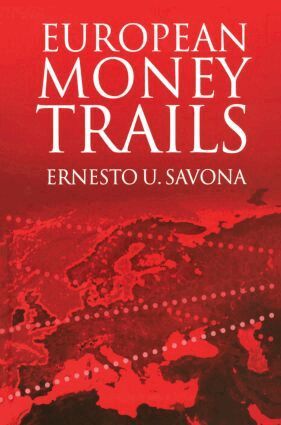
European Money Trails
E-bok, 2014
813 kr
Lägg i varukorg
European Money Trails examines trends in organized crime across Europe, including money laundering methods and the mechanisms and instruments used to conceal the disposal of the proceeds of crime. By drawing on primary and other authoritative sources, Savona provides a report on national …
European Money Trails
E-bok, 2014
813 kr
Lägg i varukorg
European Money Trails examines trends in organized crime across Europe, including money laundering methods and the mechanisms and instruments used to conceal the disposal of the proceeds of crime. By drawing on primary and other authoritative sources, Savona provides a report on national …
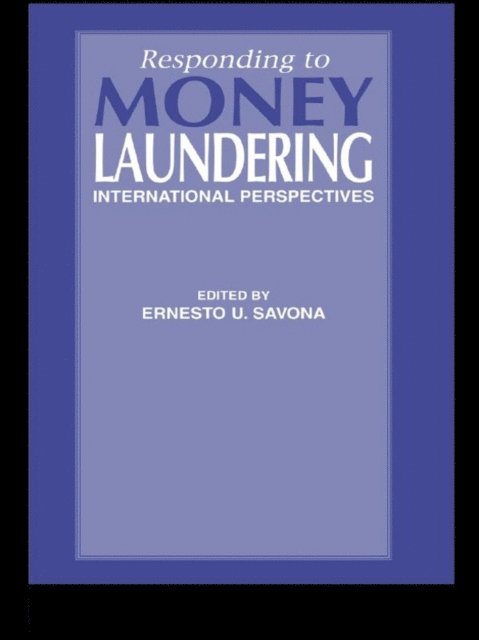
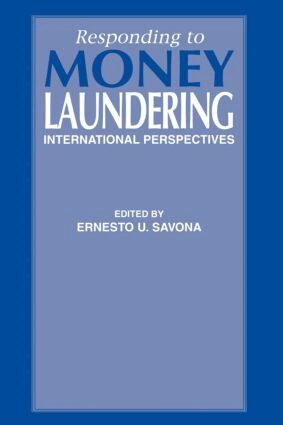
Responding to Money Laundering
E-bok, 2005
904 kr
Lägg i varukorg
Responding to Money Laundering has its origin in the International Conference on Preventing and Controlling Money Laundering and the Use of Proceeds of Crime: A Global Approach organised by ISPAC, the International Scientific and Advisory Board of the United Nations in co-operation with the Crime …
Responding to Money Laundering
E-bok, 2005
904 kr
Lägg i varukorg
Responding to Money Laundering has its origin in the International Conference on Preventing and Controlling Money Laundering and the Use of Proceeds of Crime: A Global Approach organised by ISPAC, the International Scientific and Advisory Board of the United Nations in co-operation with the Crime …
United Nations and Transnational Organized Crime
Av Phil Williams, Ernesto Savona
E-bok, 2012
892 kr
Lägg i varukorg
Transnational organized crime poses a serious threat to the international community. This volume, the product of a UN conference, discusses the dangers of transnational organized crime and identifies forms of regional, national and international co-operation for its prevention and control, …
United Nations and Transnational Organized Crime
Av Phil Williams, Ernesto Savona
E-bok, 2012
873 kr
Lägg i varukorg
Transnational organized crime poses a serious threat to the international community. This volume, the product of a UN conference, discusses the dangers of transnational organized crime and identifies forms of regional, national and international co-operation for its prevention and control, …
Responding to Money Laundering
Inbunden, 2016
2311 kr
Lägg i varukorg
Responding to Money Laundering has its origin in the International Conference on Preventing and Controlling Money Laundering and the Use of Proceeds of Crime: A Global Approach organised by ISPAC, the International Scientific and Advisory Board of the United Nations in co-operation with the Crime …
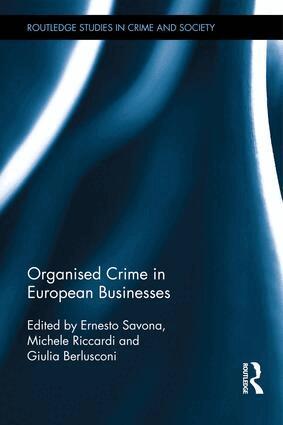
Organised Crime in European Businesses
Av Ernesto Savona, Michele Riccardi m. fl.
Inbunden, 2016
2512 kr
Lägg i varukorg
The infiltration of organised crime in the legitimate economy has emerged as a transnational phenomenon. This book constitutes an unprecedented study of the involvement of criminal groups in the legitimate economy and their infiltration in legal businesses, and is the first to bridge the research …
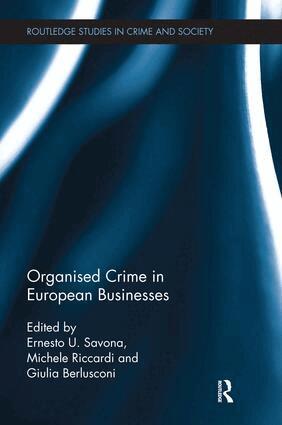
Organised Crime in European Businesses
Av Ernesto Savona, Michele Riccardi m. fl.
Häftad, 2018
793 kr
Lägg i varukorg
The infiltration of organised crime in the legitimate economy has emerged as a transnational phenomenon. This book constitutes an unprecedented study of the involvement of criminal groups in the legitimate economy and their infiltration in legal businesses, and is the first to bridge the research …
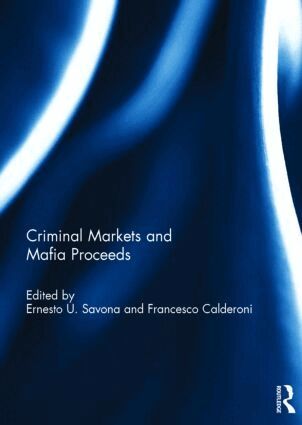
Criminal Markets and Mafia Proceeds
Av Ernesto Savona, Francesco Calderoni
Inbunden, 2014
2512 kr
Lägg i varukorg
This book estimates the proceeds of crime and mafia revenues for different criminal markets such as sexual exploitation, drugs, illicit cigarettes, loan sharking, extortion racketeering, counterfeiting, illicit firearms, illegal gambling and illicit waste management. It is the first time that …
Organised Crime in European Businesses
Av Giulia Berlusconi, Michele Riccardi m. fl.
E-bok, 2016
935 kr
Lägg i varukorg
The infiltration of organised crime in the legitimate economy has emerged as a transnational phenomenon. This book constitutes an unprecedented study of the involvement of criminal groups in the legitimate economy and their infiltration in legal businesses, and is the first to bridge the research …
Organised Crime in European Businesses
Av Giulia Berlusconi, Michele Riccardi m. fl.
E-bok, 2016
915 kr
Lägg i varukorg
The infiltration of organised crime in the legitimate economy has emerged as a transnational phenomenon. This book constitutes an unprecedented study of the involvement of criminal groups in the legitimate economy and their infiltration in legal businesses, and is the first to bridge the research …
Criminal Markets and Mafia Proceeds
Av Francesco Calderoni, Ernesto Savona
E-bok, 2016
814 kr
Lägg i varukorg
This book estimates the proceeds of crime and mafia revenues for different criminal markets such as sexual exploitation, drugs, illicit cigarettes, loan sharking, extortion racketeering, counterfeiting, illicit firearms, illegal gambling and illicit waste management. It is the first time that …
Criminal Markets and Mafia Proceeds
Av Francesco Calderoni, Ernesto Savona
E-bok, 2016
796 kr
Lägg i varukorg
This book estimates the proceeds of crime and mafia revenues for different criminal markets such as sexual exploitation, drugs, illicit cigarettes, loan sharking, extortion racketeering, counterfeiting, illicit firearms, illegal gambling and illicit waste management. It is the first time that …
European Drug Policies and Enforcement
Av A.P. Thirlwall, Ernesto Savona m. fl.
E-bok, 1996
2194 kr
Lägg i varukorg
Drug problems present sharp challenges for policing and democracy in the European Union. Harmonisation of anti-trafficking measures contrasts with diversity of local policies on drug users. ''Open drug scenes'' trigger innovative but often volatile responses. This collection presents vivid …
Responding to Money Laundering
Häftad, 2000
851 kr
Lägg i varukorg
Responding to Money Laundering has its origin in the International Conference on Preventing and Controlling Money Laundering and the Use of Proceeds of Crime: A Global Approach organised by ISPAC, the International Scientific and Advisory Board of the United Nations in co-operation with the Crime …
European Money Trails
Inbunden, 1999
1521 kr
Lägg i varukorg
European Money Trails examines trends in organized crime across Europe, including money laundering methods and the mechanisms and instruments used to conceal the disposal of the proceeds of crime.By drawing on primary and other authoritative sources, Savona provides a report on national experiences …