Erwann O. Michel-Kerjan - Böcker
Visar alla böcker från författaren Erwann O. Michel-Kerjan. Handla med fri frakt och snabb leverans.
5 produkter
5 produkter
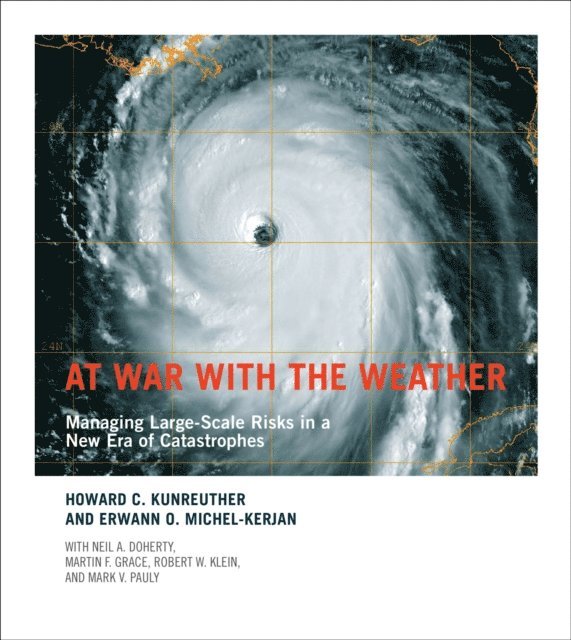
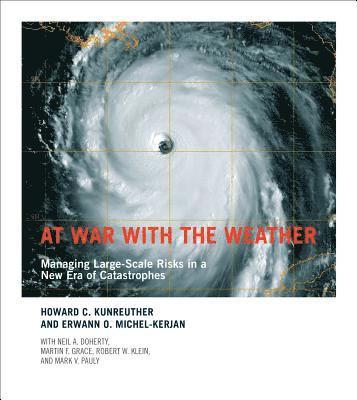
At War with the Weather
Managing Large-Scale Risks in a New Era of Catastrophes
Häftad, Engelska, 2011
192 kr
Tillfälligt slut
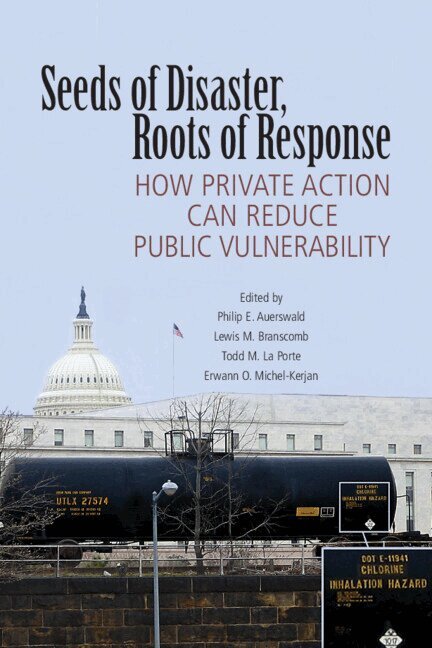
Seeds of Disaster, Roots of Response
How Private Action Can Reduce Public Vulnerability
Häftad, Engelska, 2006
626 kr
Skickas inom 7-10 vardagar
In the wake of 9/11 and hurricane Katrina, executives and policymakers are increasingly motivated to reduce the vulnerability of social and economic systems to disasters. Most prior work on 'critical infrastructure protection' has focused on the responsibilities and actions of government rather than on those of the private sector firms that provide most vital services. Seeds of Disaster, Roots of Response is the first systematic attempt to understand how private decisions and operations affect public vulnerability. It describes effective and sustainable approaches - both business strategies and public policies - to ensure provision of critical services in the event of disaster. The authors are business leaders from multiple industries and are experts in risk analysis, economics, engineering, organization theory and public policy. The book shows the necessity of deeply rooted collaboration between private and public institutions, and the accountability and leadership required to progress from words to action.
Seeds of Disaster, Roots of Response
How Private Action Can Reduce Public Vulnerability
Inbunden, Engelska, 2006
1 653 kr
Skickas inom 7-10 vardagar
In the wake of 9/11 and hurricane Katrina, executives and policymakers are increasingly motivated to reduce the vulnerability of social and economic systems to disasters. Most prior work on 'critical infrastructure protection' has focused on the responsibilities and actions of government rather than on those of the private sector firms that provide most vital services. Seeds of Disaster, Roots of Response is the first systematic attempt to understand how private decisions and operations affect public vulnerability. It describes effective and sustainable approaches - both business strategies and public policies - to ensure provision of critical services in the event of disaster. The authors are business leaders from multiple industries and are experts in risk analysis, economics, engineering, organization theory and public policy. The book shows the necessity of deeply rooted collaboration between private and public institutions, and the accountability and leadership required to progress from words to action.
428 kr
Skickas inom 7-10 vardagar
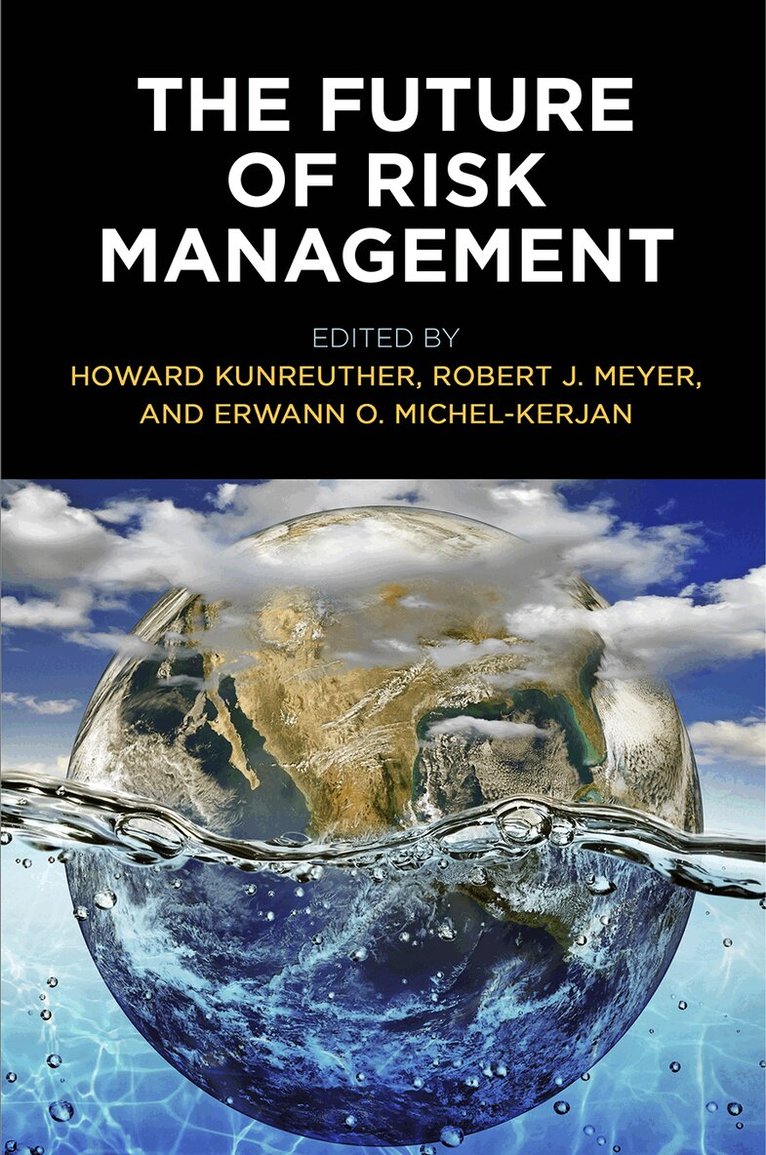
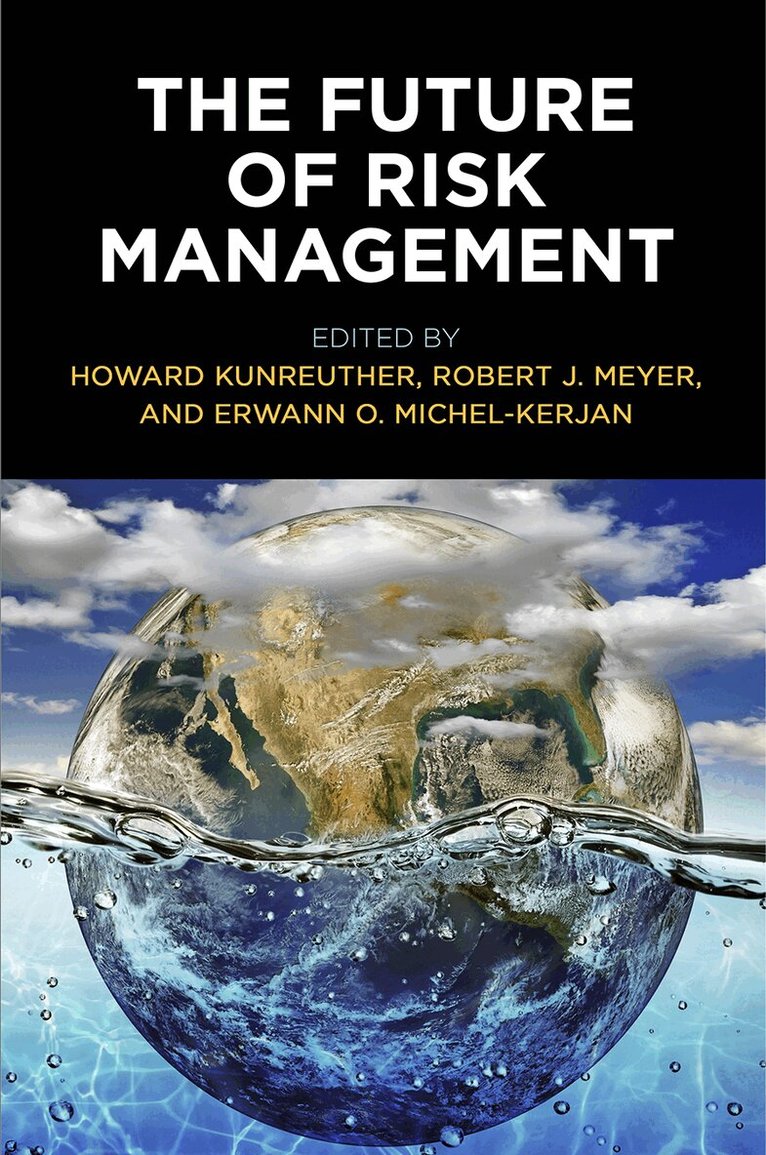
Whether man-made or naturally occurring, large-scale disasters can cause fatalities and injuries, devastate property and communities, savage the environment, impose significant financial burdens on individuals and firms, and test political leadership. Moreover, global challenges such as climate change and terrorism reveal the interdependent and interconnected nature of our current moment: what occurs in one nation or geographical region is likely to have effects across the globe. Our information age creates new and more integrated forms of communication that incur risks that are difficult to evaluate, let alone anticipate. All of this makes clear that innovative approaches to assessing and managing risk are urgently required.When catastrophic risk management was in its inception thirty years ago, scientists and engineers would provide estimates of the probability of specific types of accidents and their potential consequences. Economists would then propose risk management policies based on those experts' estimates with little thought as to how this data would be used by interested parties. Today, however, the disciplines of finance, geography, history, insurance, marketing, political science, sociology, and the decision sciences combine scientific knowledge on risk assessment with a better appreciation for the importance of improving individual and collective decision-making processes.The essays in this volume highlight past research, recent discoveries, and open questions written by leading thinkers in risk management and behavioral sciences. The Future of Risk Management provides scholars, businesses, civil servants, and the concerned public tools for making more informed decisions and developing long-term strategies for reducing future losses from potentially catastrophic events.Contributors: Mona Ahmadiani, Joshua D. Baker, W. J. Wouter Botzen, Cary Coglianese, Gregory Colson, Jeffrey Czajkowski, Nate Dieckmann, Robin Dillon, Baruch Fischhoff, Jeffrey A. Friedman, Robin Gregory, Robert W. Klein, Carolyn Kousky, Howard Kunreuther, Craig E. Landry, Barbara Mellers, Robert J. Meyer, Erwann Michel-Kerjan, Robert Muir-Wood, Mark Pauly, Lisa Robinson, Adam Rose, Paul J. H. Schoemaker, Paul Slovic, Phil Tetlock, Daniel VÄstfjÄll, W. Kip Viscusi, Elke U. Weber, Richard Zeckhauser.
999 kr
Skickas inom 10-15 vardagar
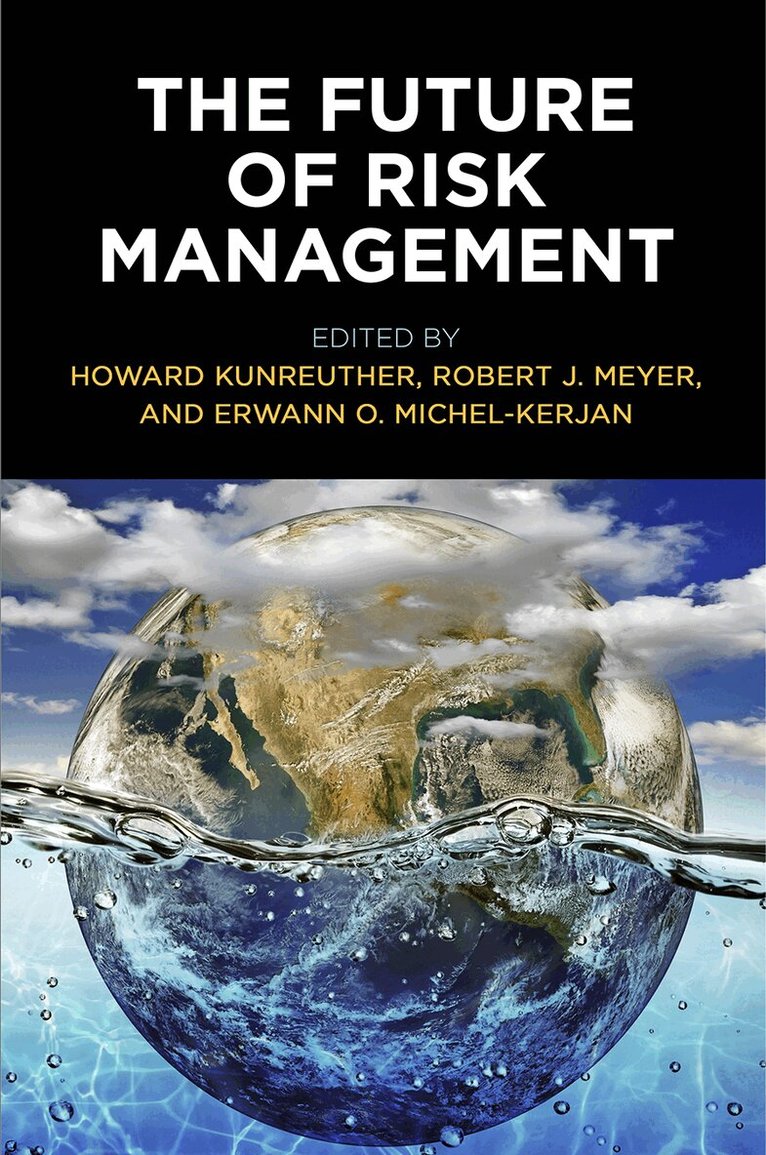
Whether man-made or naturally occurring, large-scale disasters can cause fatalities and injuries, devastate property and communities, savage the environment, impose significant financial burdens on individuals and firms, and test political leadership. Moreover, global challenges such as climate change and terrorism reveal the interdependent and interconnected nature of our current moment: what occurs in one nation or geographical region is likely to have effects across the globe. Our information age creates new and more integrated forms of communication that incur risks that are difficult to evaluate, let alone anticipate. All of this makes clear that innovative approaches to assessing and managing risk are urgently required.When catastrophic risk management was in its inception thirty years ago, scientists and engineers would provide estimates of the probability of specific types of accidents and their potential consequences. Economists would then propose risk management policies based on those experts' estimates with little thought as to how this data would be used by interested parties. Today, however, the disciplines of finance, geography, history, insurance, marketing, political science, sociology, and the decision sciences combine scientific knowledge on risk assessment with a better appreciation for the importance of improving individual and collective decision-making processes.The essays in this volume highlight past research, recent discoveries, and open questions written by leading thinkers in risk management and behavioral sciences. The Future of Risk Management provides scholars, businesses, civil servants, and the concerned public tools for making more informed decisions and developing long-term strategies for reducing future losses from potentially catastrophic events.Contributors: Mona Ahmadiani, Joshua D. Baker, W. J. Wouter Botzen, Cary Coglianese, Gregory Colson, Jeffrey Czajkowski, Nate Dieckmann, Robin Dillon, Baruch Fischhoff, Jeffrey A. Friedman, Robin Gregory, Robert W. Klein, Carolyn Kousky, Howard Kunreuther, Craig E. Landry, Barbara Mellers, Robert J. Meyer, Erwann Michel-Kerjan, Robert Muir-Wood, Mark Pauly, Lisa Robinson, Adam Rose, Paul J. H. Schoemaker, Paul Slovic, Phil Tetlock, Daniel VÄstfjÄll, W. Kip Viscusi, Elke U. Weber, Richard Zeckhauser.