2 476 kr
Skickas inom 10-15 vardagar
2 476 kr
Skickas inom 10-15 vardagar
639 kr
Skickas inom 10-15 vardagar
686 kr
Läs direkt efter köp
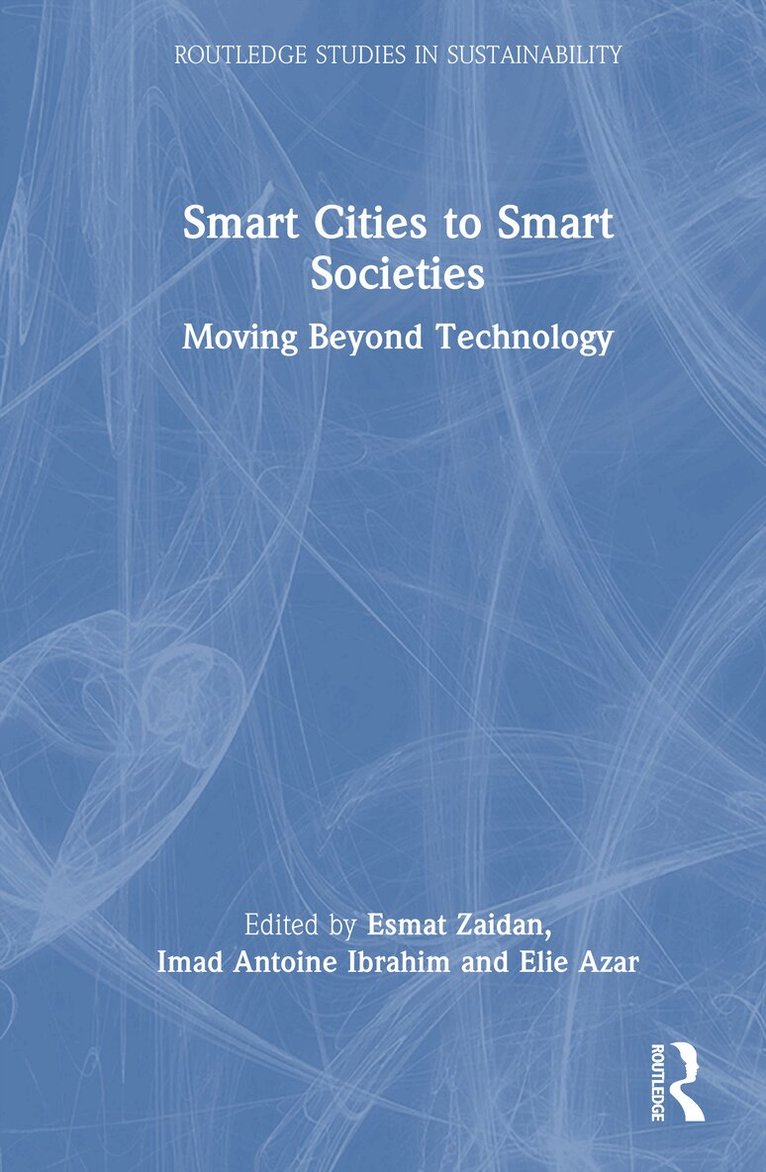
This book explores the governance of smart cities from a holistic approach, arguing that the creation of smart cities must consider the specific circumstances of each country to improve the preservation, revitalisation, liveability, and sustainability of urban areas. The recent push for smart cities is part of an effort to reshape urban development through megaprojects, centralised master planning, and approaches that convey modernism and global affluence. However, moving towards a citywide smart transition is a major undertaking, and complexities are expected to grow exponentially. This book argues that a comprehensive approach is necessary to consider all relevant aspects. The chapters seek to identify the potential and pitfalls of the smart transformation of urban communities and its role in sustainability goals; share state-of-the-art practices concerning technology, policy, and social science dimensions in smart cities and communities; and develop opportunities for cooperation and partnership in wider and larger research and development programmes. Divided into three parts, the first part of the book highlights the significance of various societal elements and factors in facilitating a successful smart transition, with a particular emphasis on the role of human capital. The second part delves into the challenges associated with technology and its integration into smart city initiatives. The final part of the book examines the current state of regulations and policies governing smart cities. The book will be an important asset for students and researchers studying law, engineering, political science, international relations, geopolitics, economics, and engineering.
686 kr
Läs direkt efter köp
This book explores the governance of smart cities from a holistic approach, arguing that the creation of smart cities must consider the specific circumstances of each country to improve the preservation, revitalisation, liveability, and sustainability of urban areas. The recent push for smart cities is part of an effort to reshape urban development through megaprojects, centralised master planning, and approaches that convey modernism and global affluence. However, moving towards a citywide smart transition is a major undertaking, and complexities are expected to grow exponentially. This book argues that a comprehensive approach is necessary to consider all relevant aspects. The chapters seek to identify the potential and pitfalls of the smart transformation of urban communities and its role in sustainability goals; share state-of-the-art practices concerning technology, policy, and social science dimensions in smart cities and communities; and develop opportunities for cooperation and partnership in wider and larger research and development programmes. Divided into three parts, the first part of the book highlights the significance of various societal elements and factors in facilitating a successful smart transition, with a particular emphasis on the role of human capital. The second part delves into the challenges associated with technology and its integration into smart city initiatives. The final part of the book examines the current state of regulations and policies governing smart cities. The book will be an important asset for students and researchers studying law, engineering, political science, international relations, geopolitics, economics, and engineering.
1 435 kr
Skickas inom 10-15 vardagar
1 746 kr
Läs direkt efter köp
556 kr
Skickas inom 10-15 vardagar
540 kr
Skickas inom 10-15 vardagar
433 kr
Skickas inom 10-15 vardagar