Esther Lubzens – författare
Visar alla böcker från författaren Esther Lubzens. Handla med fri frakt och snabb leverans.
6 produkter
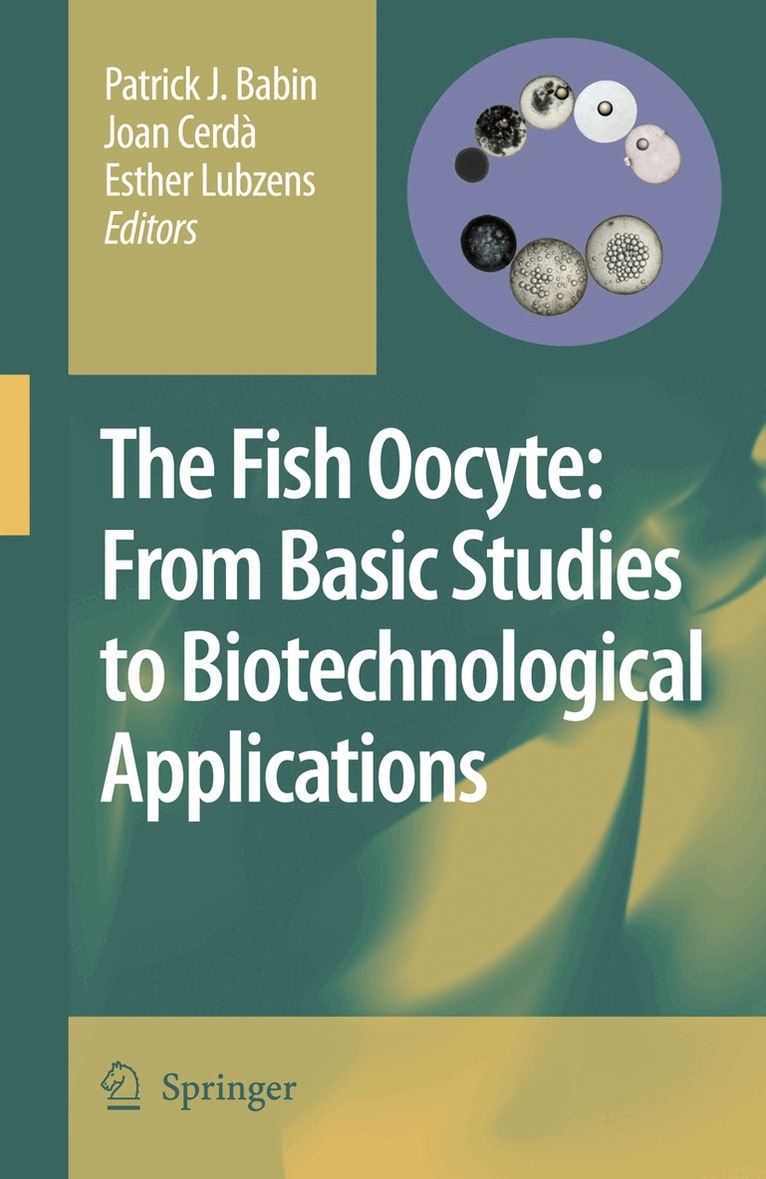
Fish Oocyte
From Basic Studies to Biotechnological Applications
Av Patrick J. Babin, Joan Cerdà m. fl.
Inbunden, 2007
3056 kr
Lägg i varukorg
This book presents a comprehensive overview on egg production in fish, from the standpoint of the oocyte. It covers oocyte development, maturation, hydration and fertilization. The book places special emphasis on using state-of-the-art tools for discerning the ultra-structure of the follicle and …
Fish Oocyte
From Basic Studies to Biotechnological Applications
Av Patrick J. Babin, Joan Cerdà m. fl.
Häftad, 2007
1641 kr
Lägg i varukorg
This book presents a comprehensive overview on egg production in fish, from the standpoint of the oocyte. It covers oocyte development, maturation, hydration and fertilization. The book places special emphasis on using state-of-the-art tools for discerning the ultra-structure of the follicle and …
Fish Oocyte
From Basic Studies to Biotechnological Applications
Av Esther Lubzens, Joan Cerda m. fl.
E-bok, 2007
2111 kr
Lägg i varukorg
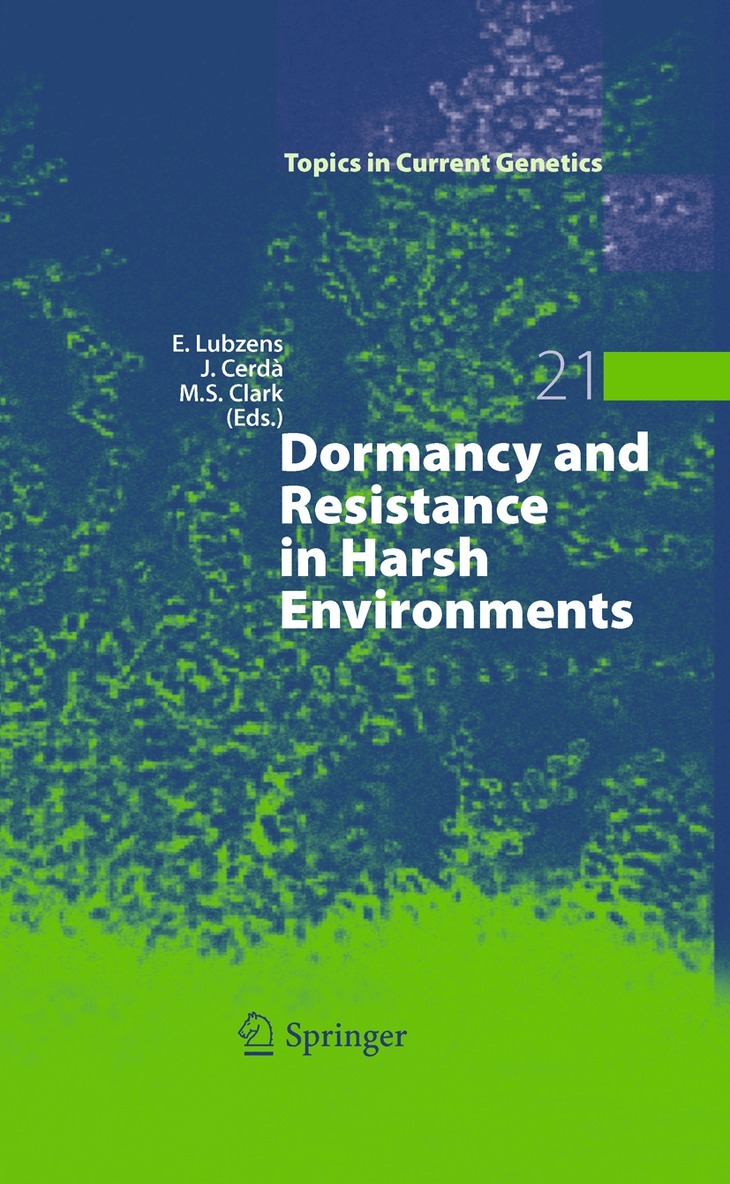
Dormancy and Resistance in Harsh Environments
Av Lubzens, Esther Lubzens m. fl.
Inbunden, 2010
2185 kr
Lägg i varukorg
Many organisms have evolved the ability to enter into and revive from a dormant state. They can survive for long periods in this state (often even months to years), yet can become responsive again within minutes or hours. This is often, but not necessarily, associated with desiccation. Preserving …
Dormancy and Resistance in Harsh Environments
Av Melody Clark, Joan Cerda m. fl.
E-bok, 2010
2833 kr
Lägg i varukorg
Many organisms have evolved the ability to enter into and revive from a dormant state. They can survive for long periods in this state (often even months to years), yet can become responsive again within minutes or hours. This is often, but not necessarily, associated with desiccation. Preserving …
Dormancy and Resistance in Harsh Environments
Av Esther Lubzens, Joan Cerda m. fl.
Häftad, 2012
2185 kr
Lägg i varukorg
Many organisms have evolved the ability to enter into and revive from a dormant state. They can survive for long periods in this state (often even months to years), yet can become responsive again within minutes or hours. This is often, but not necessarily, associated with desiccation. Preserving …