Melody Clark – författare
Visar alla böcker från författaren Melody Clark. Handla med fri frakt och snabb leverans.
8 produkter
8 produkter
Inbunden, Engelska, 2000
1 091 kr
Skickas inom 10-15 vardagar
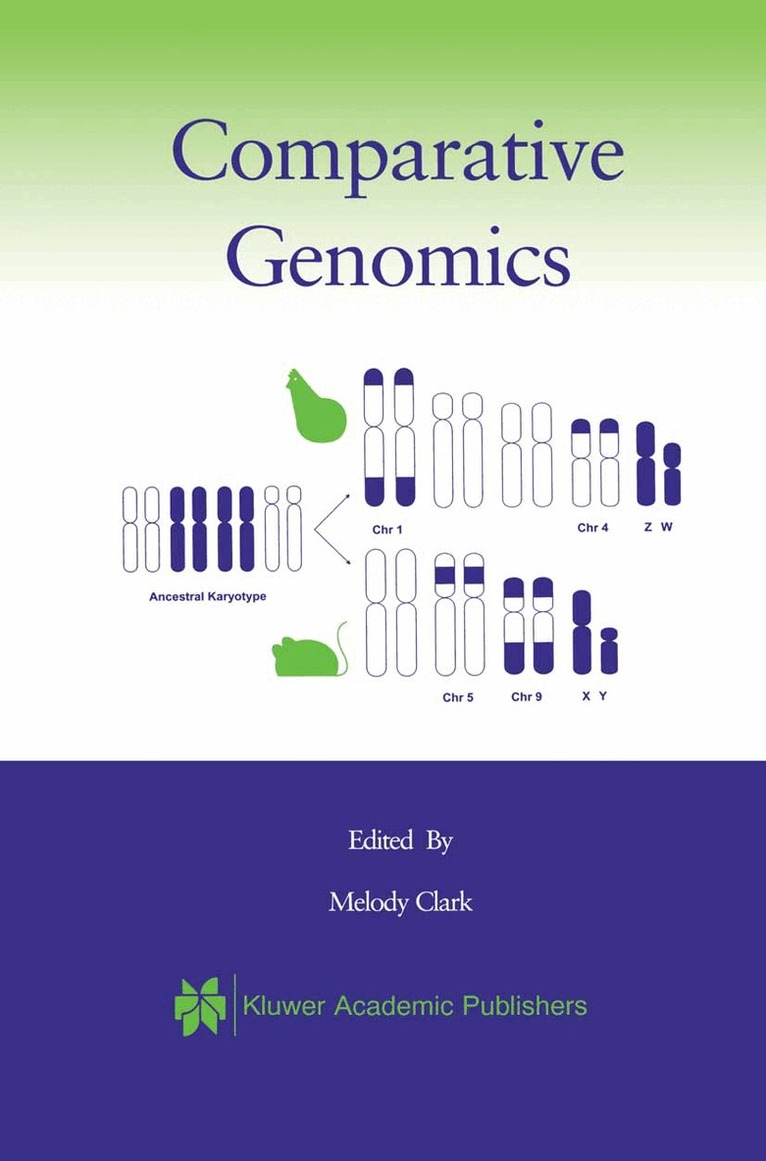
Since the advent of the Human Genome Project, an increasing number of disease-causing genes have been discovered and, in some cases, genetic tests developed. However, this is only the first step. The second, much larger phase is the analysis of the total sequence. What does the rest of the DNA do? The answer to this question will be determined by computer prediction, expression profiling, and comparative genome analysis. Comparative Genomics covers such topics as identifying novel genes, determining gene function, control sequences, and developmental switches. The book aims to demonstrate how different approaches taken with model organisms, such as mutation studies, expression profiling of cDNAs, in situ localization of message and comparative genome analysis (both at the gene and nucleotide level) will aid in our understanding of the results coming out of the Human Genome Project and contribute significantly to our understanding of how genes function.
Häftad, Engelska, 2012
1 123 kr
Skickas inom 10-15 vardagar
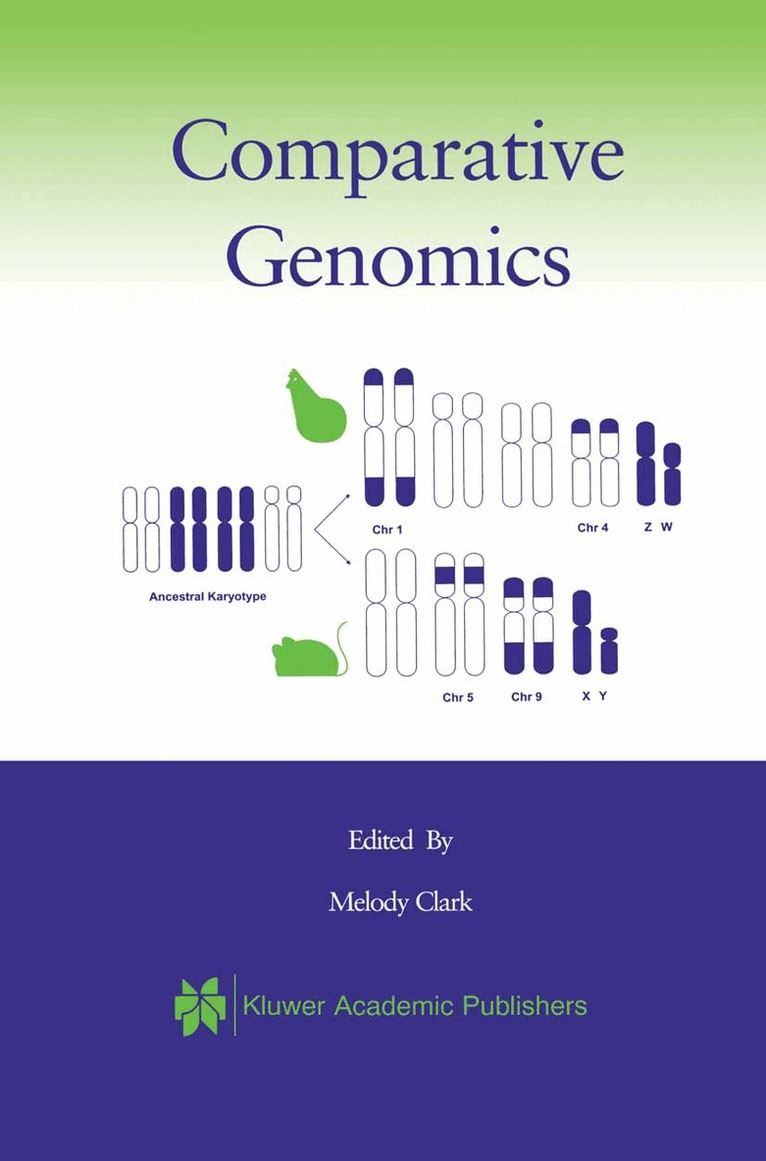
Since the advent of the Human Genome Project, an increasing number of disease-causing genes have been discovered and, in some cases, genetic tests developed. However, this is only the first step. The second, much larger phase is the analysis of the total sequence. What does the rest of the DNA do? The answer to this question will be determined by computer prediction, expression profiling, and comparative genome analysis. Comparative Genomics covers such topics as identifying novel genes, determining gene function, control sequences, and developmental switches. The book aims to demonstrate how different approaches taken with model organisms, such as mutation studies, expression profiling of cDNAs, in situ localization of message and comparative genome analysis (both at the gene and nucleotide level) will aid in our understanding of the results coming out of the Human Genome Project and contribute significantly to our understanding of how genes function.
E-bok
PDF, Engelska, 20121 408 kr
Läs direkt efter köp
Since the advent of the Human Genome Project, an increasing number of disease-causing genes have been discovered and, in some cases, genetic tests developed. However, this is only the first step. The second, much larger phase is the analysis of the total sequence. What does the rest of the DNA do? The answer to this question will be determined by computer prediction, expression profiling, and comparative genome analysis. Comparative Genomics covers such topics as identifying novel genes, determining gene function, control sequences, and developmental switches. The book aims to demonstrate how different approaches taken with model organisms, such as mutation studies, expression profiling of cDNAs, in situ localization of message and comparative genome analysis (both at the gene and nucleotide level) will aid in our understanding of the results coming out of the Human Genome Project and contribute significantly to our understanding of how genes function.
E-bok
Engelska30 kr
Läs direkt efter köp
E-bok
PDF, Engelska, 2008656 kr
Läs direkt efter köp
In situ hybridization is a proven, powerful technique with applications in chromosome and genome analysis, as well as gene expression. Covering a carefully selected range of techniques with immediate and general applications in research and clinical diagnosis, the book starts with genome and DNA mapping, continues through gene expression localization in wholemount and tissue sections, and on to ultrastructural levels. The step-by-step protocols used reflect research in these areas and are all reproducible.
Del 21 - Topics in Current Genetics
Dormancy and Resistance in Harsh Environments
Inbunden, Engelska, 2010
2 176 kr
Skickas inom 10-15 vardagar
Many organisms have evolved the ability to enter into and revive from a dormant state. They can survive for long periods in this state (often even months to years), yet can become responsive again within minutes or hours. This is often, but not necessarily, associated with desiccation. Preserving one’s body and reviving it in future generations is a dream of mankind. To date, however, we have failed to learn how cells, tissues or entire organisms can be made dormant or be effectively revived at ambient temperatures. In this book studies on organisms, ranging from aquatic cyanobacteria that produce akinetes to hibernating mammals, are presented, and reveal common but also divergent physiological and molecular pathways for surviving in a dormant form or for tolerating harsh environments. Attempting to learn the functions associated with dormancy and how they are regulated is one of the great future challenges. Its relevance to the preservation of cells and tissues is one of the key concerns of this book.
E-bok
PDF, Engelska, 20102 741 kr
Läs direkt efter köp
Many organisms have evolved the ability to enter into and revive from a dormant state. They can survive for long periods in this state (often even months to years), yet can become responsive again within minutes or hours. This is often, but not necessarily, associated with desiccation. Preserving one’s body and reviving it in future generations is a dream of mankind. To date, however, we have failed to learn how cells, tissues or entire organisms can be made dormant or be effectively revived at ambient temperatures. In this book studies on organisms, ranging from aquatic cyanobacteria that produce akinetes to hibernating mammals, are presented, and reveal common but also divergent physiological and molecular pathways for surviving in a dormant form or for tolerating harsh environments. Attempting to learn the functions associated with dormancy and how they are regulated is one of the great future challenges. Its relevance to the preservation of cells and tissues is one of the key concerns of this book.
Del 21 - Topics in Current Genetics
Dormancy and Resistance in Harsh Environments
Häftad, Engelska, 2012
2 176 kr
Skickas inom 10-15 vardagar
Many organisms have evolved the ability to enter into and revive from a dormant state. They can survive for long periods in this state (often even months to years), yet can become responsive again within minutes or hours. This is often, but not necessarily, associated with desiccation. Preserving one’s body and reviving it in future generations is a dream of mankind. To date, however, we have failed to learn how cells, tissues or entire organisms can be made dormant or be effectively revived at ambient temperatures. In this book studies on organisms, ranging from aquatic cyanobacteria that produce akinetes to hibernating mammals, are presented, and reveal common but also divergent physiological and molecular pathways for surviving in a dormant form or for tolerating harsh environments. Attempting to learn the functions associated with dormancy and how they are regulated is one of the great future challenges. Its relevance to the preservation of cells and tissues is one of the key concerns of this book.