Eve E. Grimm - Böcker
Visar alla böcker från författaren Eve E. Grimm. Handla med fri frakt och snabb leverans.
7 produkter
7 produkter
1 245 kr
Skickas inom 10-15 vardagar
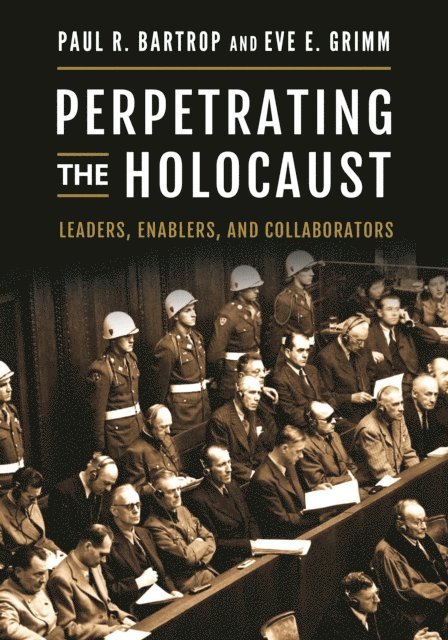
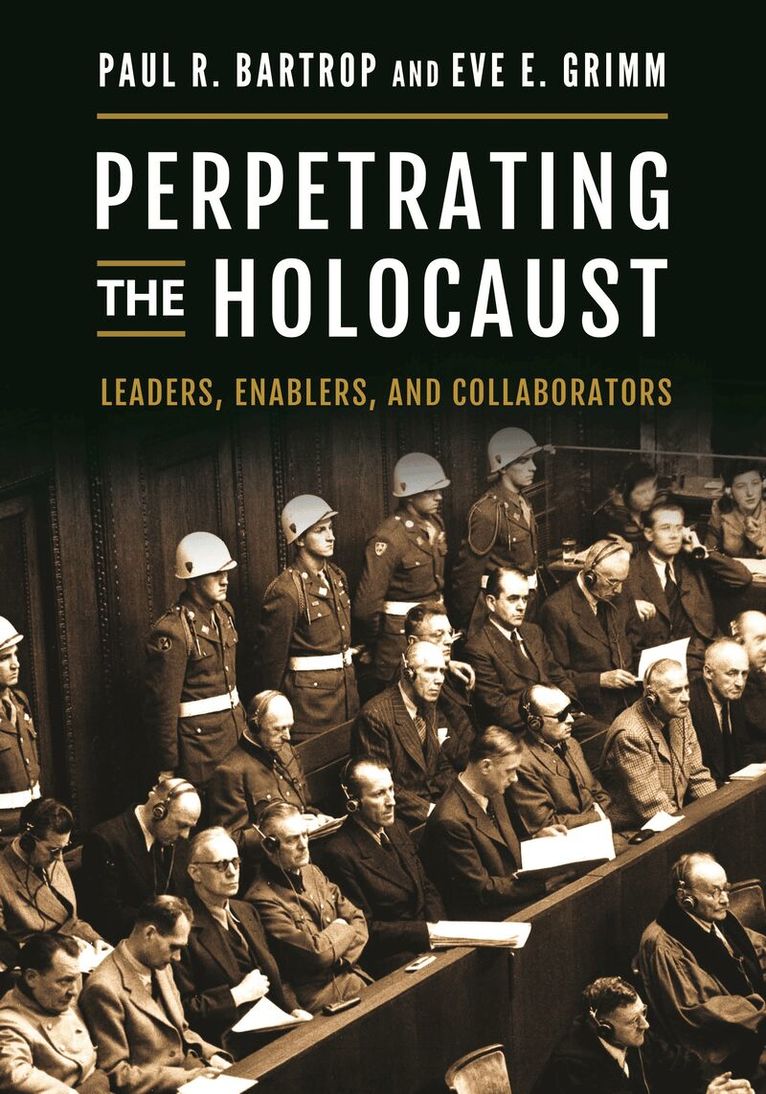
Weaving together a number of disparate themes relating to Holocaust perpetrators, this book shows how Nazi Germany propelled a vast number of Europeans to try to re-engineer the population base of the continent through mass murder.A comprehensive introductory essay, along with a detailed chronology, reference entries, primary sources, images, and a bibliography provide crucial information that readers need in order to understand Hitler's plan, as carried out through legislation and armed violence. The book also demonstrates that both within Nazi Germany, and in other parts of Europe, all sectors of society played a role in planning, facilitating, and executing the Final Solution.In addition to entries on nearly 150 perpetrators, the book includes 25 primary source documents, ranging from government memoranda to first-hand observations of Nazi killing activities to field reports from senior officers on the scene of Holocaust killing sites. Also included are excerpts from literary memoirs. Students and researchers will find these documents to be fascinating statements as well as excellent source material for further research.
1 177 kr
Skickas inom 10-15 vardagar
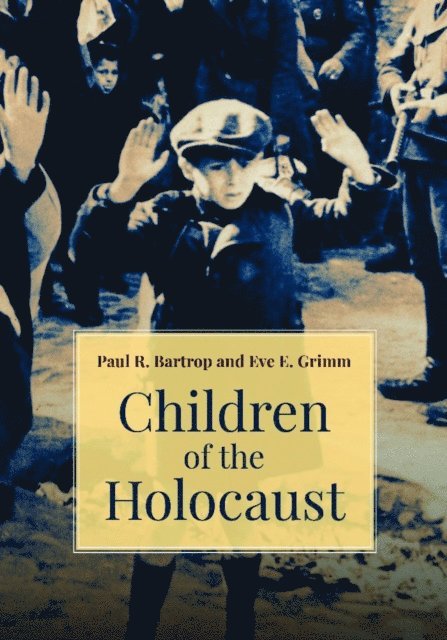
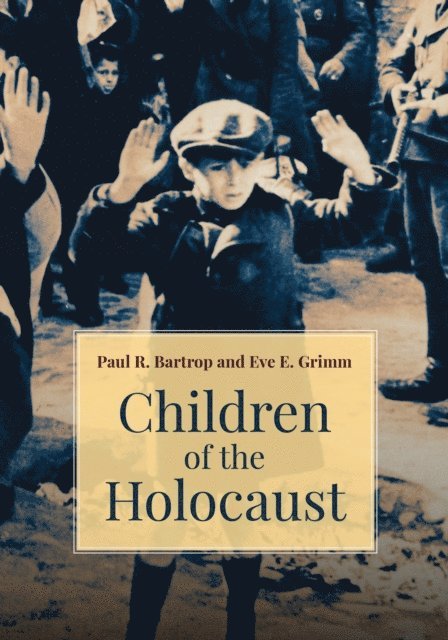
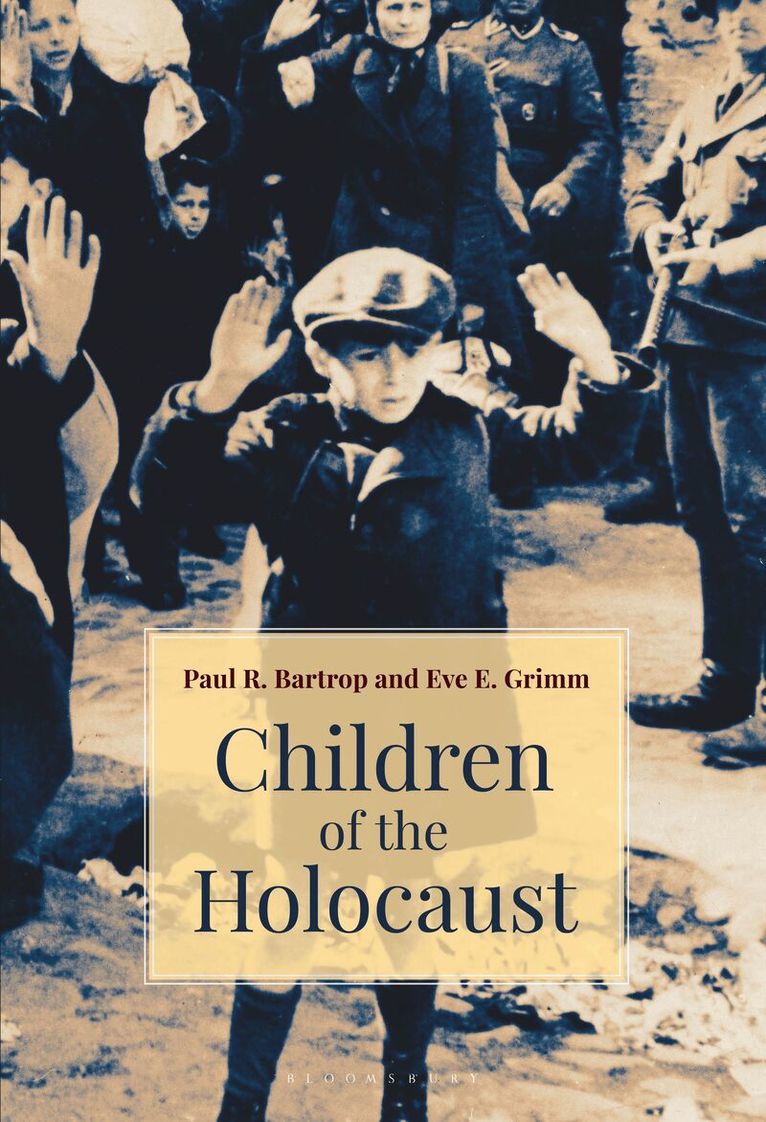
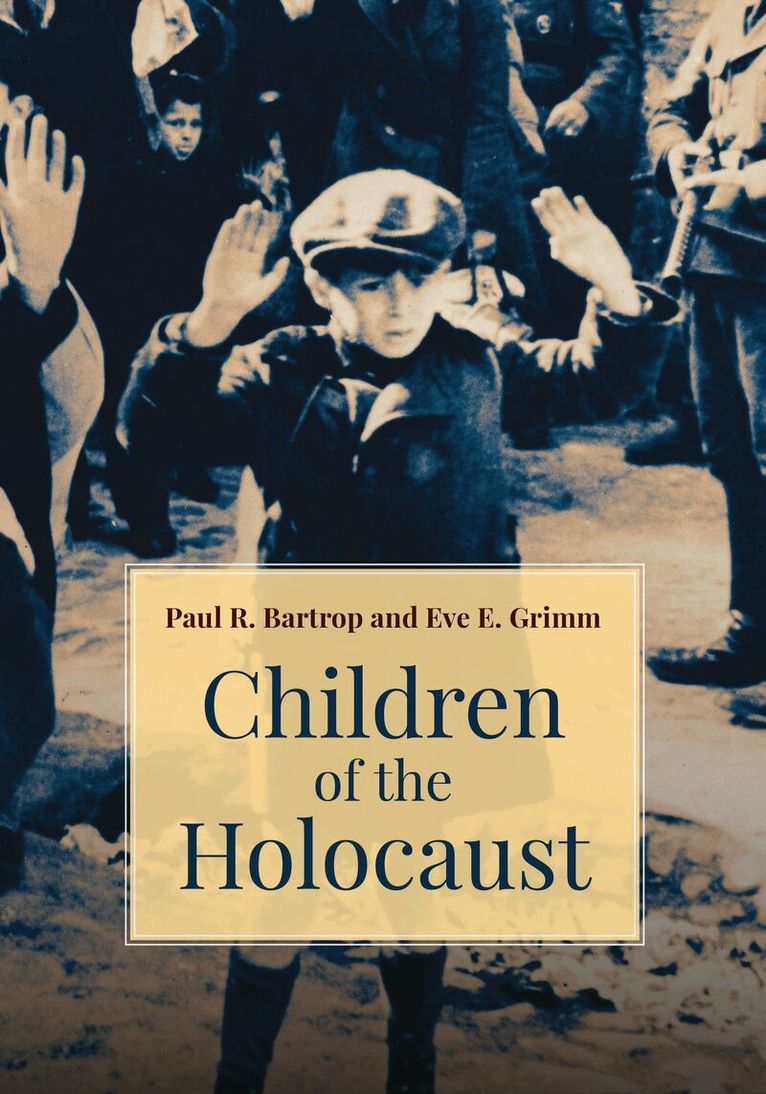
This important reference work highlights a number of disparate themes relating to the experience of children during the Holocaust, showing their vulnerability and how some heroic people sought to save their lives amid the horrors perpetrated by the Nazi regime.This book is a comprehensive examination of the people, ideas, movements, and events related to the experience of children during the Holocaust. They range from children who kept diaries to adults who left memoirs to others who risked (and, sometimes, lost) their lives in trying to rescue Jewish children or spirit them away to safety in various countries. The book also provides examples of the nature of the challenges faced by children during the years before and during World War II. In many cases, it examines the very act of children's survival and how this was achieved despite enormous odds.In addition to more than 125 entries, this book features 10 illuminating primary source documents, ranging from personal accounts to Nazi statements regarding what the fate of Jewish children should be to statements from refugee leaders considering how to help Jewish children after World War II ended. These documents offer fascinating insights into the lives of students during the Holocaust and provide students and researchers with excellent source material for further research.
1 177 kr
Skickas inom 10-15 vardagar
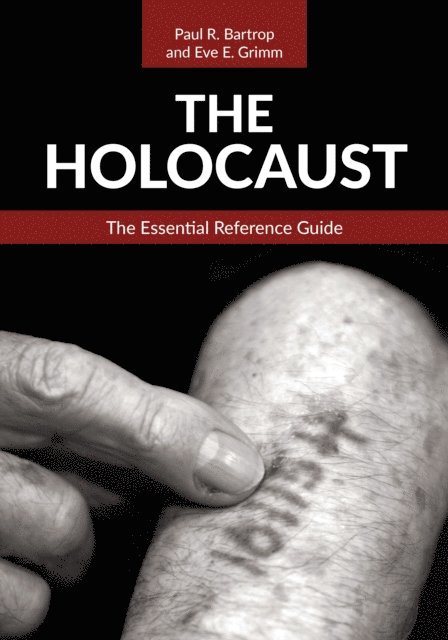
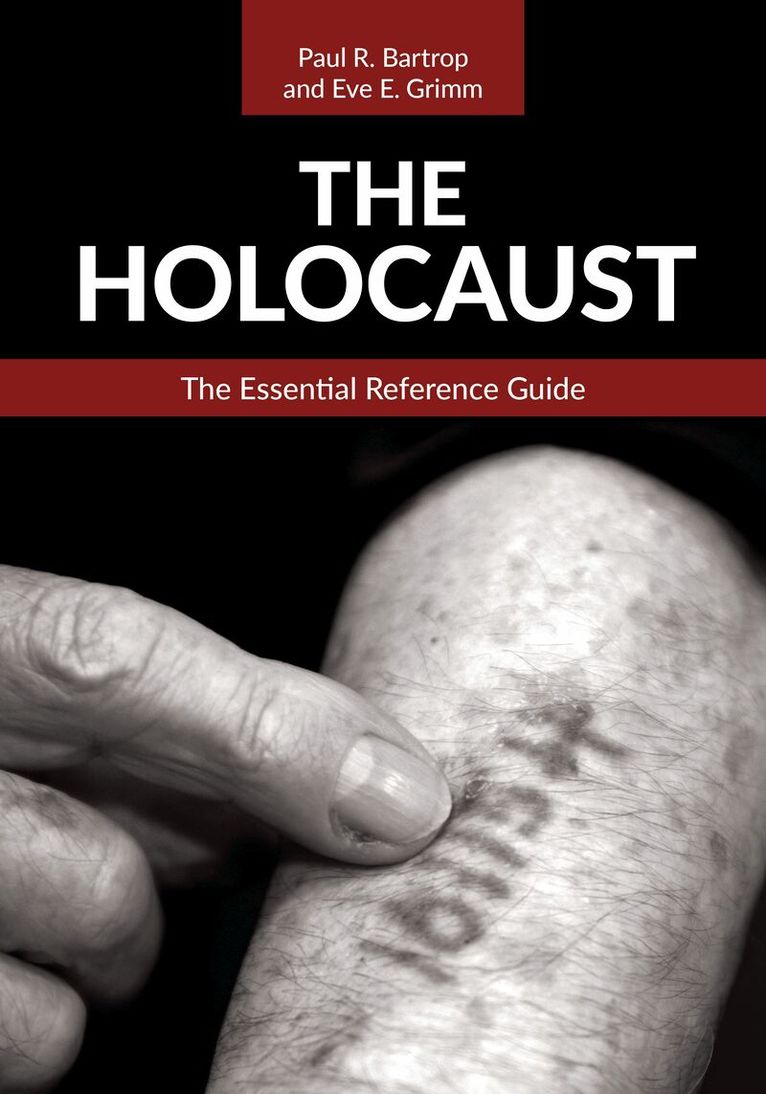
This book provides an indispensable resource for anyone studying the Holocaust. The reference entries are enhanced by documents and other tools that make this volume a vital contribution to Holocaust research.This work provides detailed accounts of the multifaceted attempts by Germany's Nazi regime, together with its collaborators, to annihilate the Jews of Europe during the Holocaust. Several introductory essays, along with a rich chronology, reference entries, primary documents, images, and a bibliography provide crucial information that readers will need in order to try to understand the Holocaust while researching that horrible event.This text looks not only at the history of the Holocaust, but also at examples of resistance (through armed violence, attempts at rescue, or the very act of survival itself); literary and cultural expressions that have attempted to deal with the Holocaust; the social and psychological implications of the Holocaust for today; and how historians and others have attempted to do justice to the memory of those killed and seek insight into why the Holocaust happened in the first place.
1 108 kr
Skickas inom 10-15 vardagar
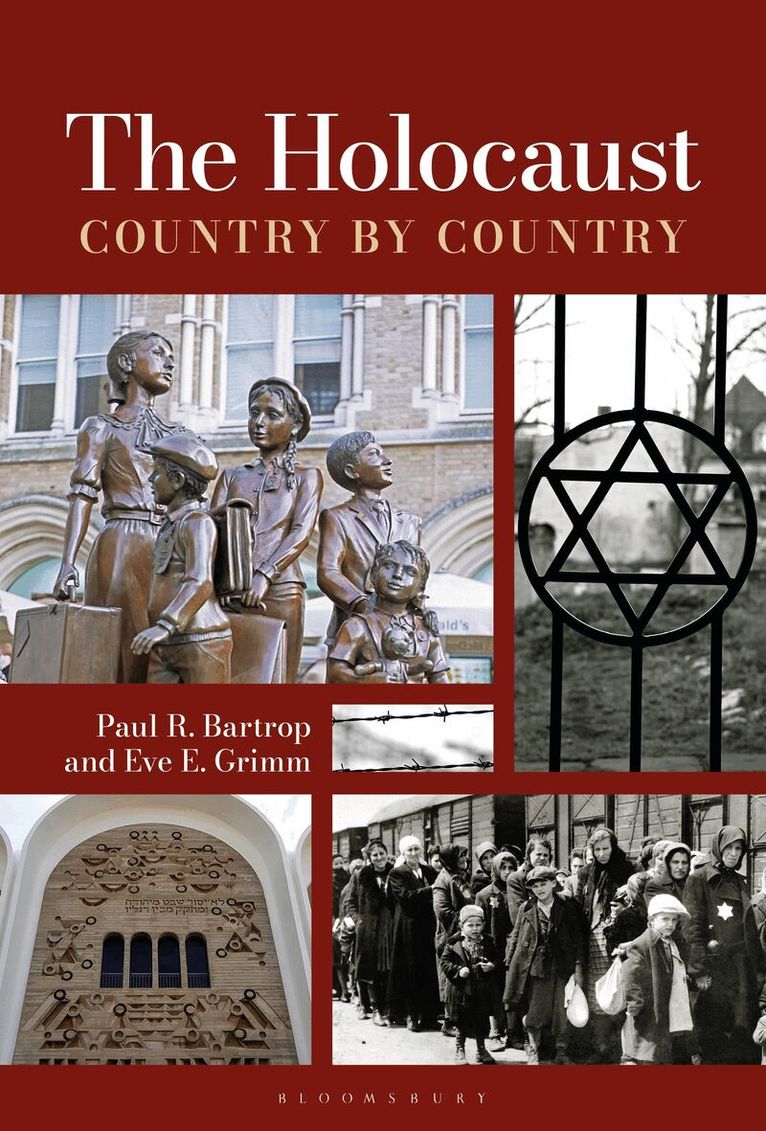
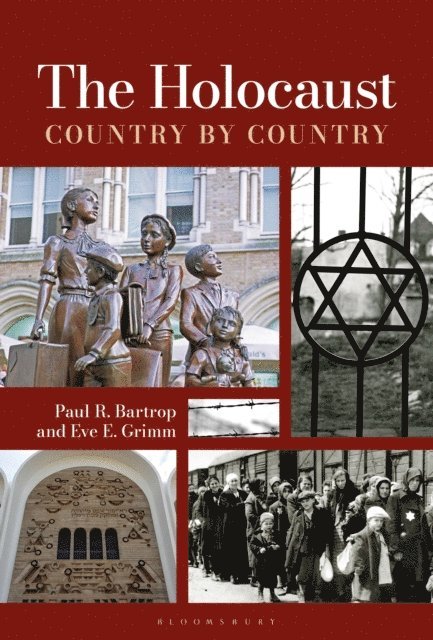
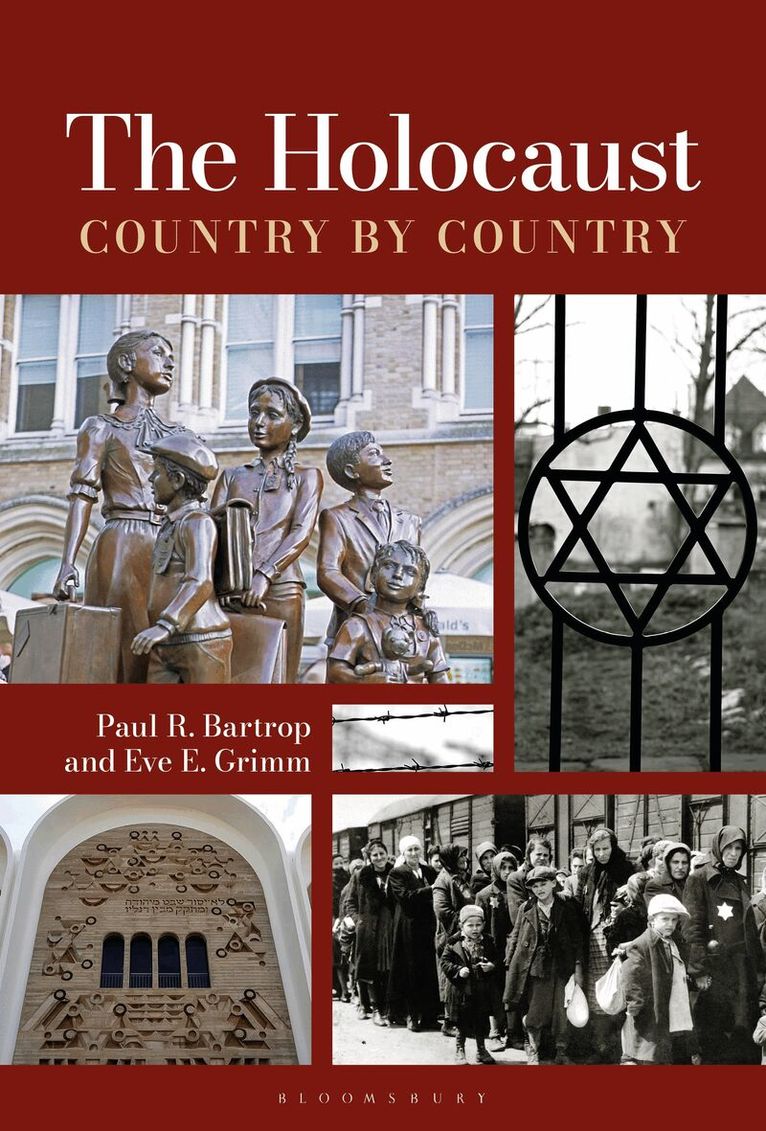
A RUSA Outstanding Reference Source 2025From genocidal campaigns to careful neutrality to valiant lifesaving efforts, every country’s experience of the Holocaust was different during and immediately following World War II.This book profiles 50 nations and territories from around the globe, examining how prewar conditions and attitudes toward Jews influenced the trajectory of that place’s wartime experience and its role in the Holocaust. It also explores the aftermath and lasting impact of the Holocaust in these places. Each profile begins with a collection of at-a-glance facts about population, government leaders, wartime status, and more. All profiles begin with a brief introduction, followed by information about the Jewish population in that place, the prewar environment, wartime experiences, and the aftermath of the Holocaust. This standardized format makes it easy for readers to find specific information while also helping them place events within the proper historical context. A curated selection of further readings at the end of each profile and an end-of-volume list of books and Internet resources point readers toward materials for additional study.While often conceptualized as a single event that happened the same way across all Axis or Axis-occupied countries, the Holocaust and reactions to it varied widely from country to country. In many cases, political and economic conditions in the prewar years, as well as the degree of anti-Semitism in a nation, influenced that country’s experience of the Holocaust. Even after the war, countries experienced the aftermath of the Holocaust in different ways. Some places, such as Palestine, became a beacon for Jewish refugees, while others, such as Brazil, became a hideout for Nazi war criminals.
684 kr
Kommande
This book provides an indispensable resource for anyone studying the Holocaust. The reference entries are enhanced by documents and other tools that make this volume a vital contribution to Holocaust research.This work provides detailed accounts of the multifaceted attempts by Germany's Nazi regime, together with its collaborators, to annihilate the Jews of Europe during the Holocaust. Several introductory essays, along with a rich chronology, reference entries, primary documents, images, and a bibliography provide crucial information that readers will need in order to try to understand the Holocaust while researching that horrible event.This text looks not only at the history of the Holocaust, but also at examples of resistance (through armed violence, attempts at rescue, or the very act of survival itself); literary and cultural expressions that have attempted to deal with the Holocaust; the social and psychological implications of the Holocaust for today; and how historians and others have attempted to do justice to the memory of those killed and seek insight into why the Holocaust happened in the first place.
499 kr
Kommande
A RUSA Outstanding Reference Source 2025From genocidal campaigns to careful neutrality to valiant lifesaving efforts, every country’s experience of the Holocaust was different during and immediately following World War II.This book profiles 50 nations and territories from around the globe, examining how prewar conditions and attitudes toward Jews influenced the trajectory of that place’s wartime experience and its role in the Holocaust. It also explores the aftermath and lasting impact of the Holocaust in these places. Each profile begins with a collection of at-a-glance facts about population, government leaders, wartime status, and more. All profiles begin with a brief introduction, followed by information about the Jewish population in that place, the prewar environment, wartime experiences, and the aftermath of the Holocaust. This standardized format makes it easy for readers to find specific information while also helping them place events within the proper historical context. A curated selection of further readings at the end of each profile and an end-of-volume list of books and Internet resources point readers toward materials for additional study.While often conceptualized as a single event that happened the same way across all Axis or Axis-occupied countries, the Holocaust and reactions to it varied widely from country to country. In many cases, political and economic conditions in the prewar years, as well as the degree of anti-Semitism in a nation, influenced that country’s experience of the Holocaust. Even after the war, countries experienced the aftermath of the Holocaust in different ways. Some places, such as Palestine, became a beacon for Jewish refugees, while others, such as Brazil, became a hideout for Nazi war criminals.
420 kr
Skickas inom 10-15 vardagar
This important reference work highlights a number of disparate themes relating to the experience of children during the Holocaust, showing their vulnerability and how some heroic people sought to save their lives amid the horrors perpetrated by the Nazi regime.This book is a comprehensive examination of the people, ideas, movements, and events related to the experience of children during the Holocaust. They range from children who kept diaries to adults who left memoirs to others who risked (and, sometimes, lost) their lives in trying to rescue Jewish children or spirit them away to safety in various countries. The book also provides examples of the nature of the challenges faced by children during the years before and during World War II. In many cases, it examines the very act of children's survival and how this was achieved despite enormous odds.In addition to more than 125 entries, this book features 10 illuminating primary source documents, ranging from personal accounts to Nazi statements regarding what the fate of Jewish children should be to statements from refugee leaders considering how to help Jewish children after World War II ended. These documents offer fascinating insights into the lives of students during the Holocaust and provide students and researchers with excellent source material for further research.