E.W. Dooley - Böcker
Visar alla böcker från författaren E.W. Dooley. Handla med fri frakt och snabb leverans.
3 produkter
3 produkter
607 kr
Skickas inom 10-15 vardagar
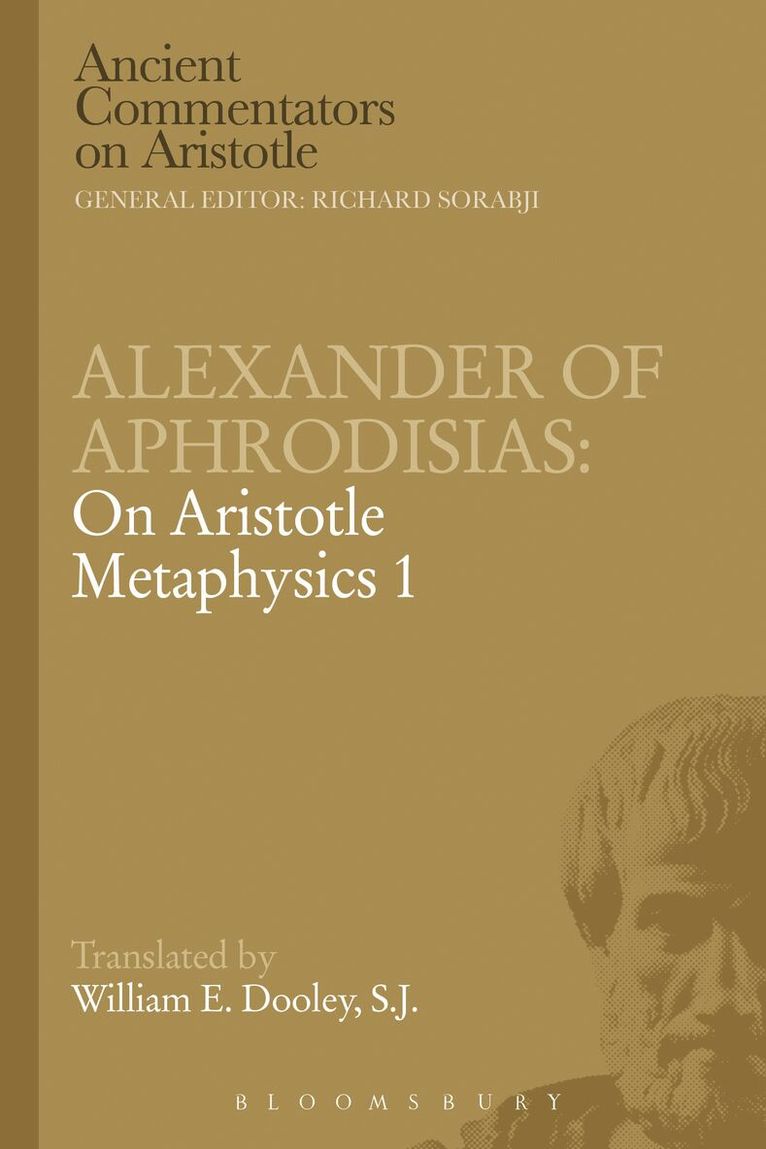
Alexander of Aphrodisias was the greatest exponent of Aristotelianism after Aristotle, and his commentary on Metaphysics 1-5 is the most substantial commentary on the Metaphysics to have survived from antiquity. The commentary on book 1 has the further interest that over half of it is devoted to Aristotle's discussion of Plato. Aristotle's battery of objectives to the theory of Ideas is spelled out with fragmentary quotations and paraphrases from four of Aristotle's lost works, and we are given an extended account of Plato's 'unwritten doctrines' according to which the Ideas are numbers, namely the One and Indefinite Dyad. The deliberations for and against the theory of Ideas recorded by Alexander are more detailed than anything in Plato's dialogues and tell us more than any other source how they were conceived in Plato's most developed theory.
528 kr
Skickas inom 10-15 vardagar
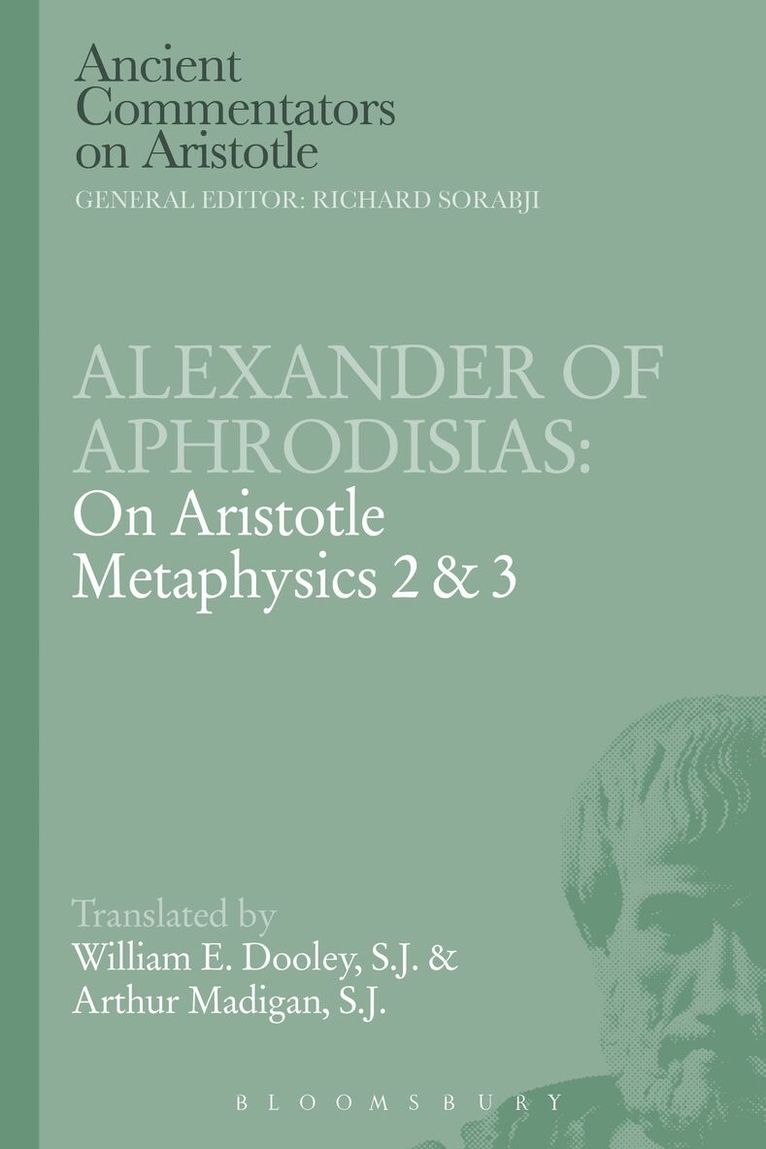
Aristotle's Metaphysics 2 consists of two chapters on methodology flanking an important discussion of the impossibility of infinite causal chains. The subject is vital for scientific method and for theological belief in a first cause and in a beginning of the universe. Philoponus later attacked Aristotle on this last point, but Alexander presents Aristotle's view in a most favourable light.In Metaphysics 3, Aristotle sets out what he sees as the central problems of metaphysics. Alexander's commentary was subsequently used by the Neoplatonists, two of whom have left their own commentaries, so that Alexander's Aristotelian interpretation can be compared with its rivals.
607 kr
Skickas inom 10-15 vardagar
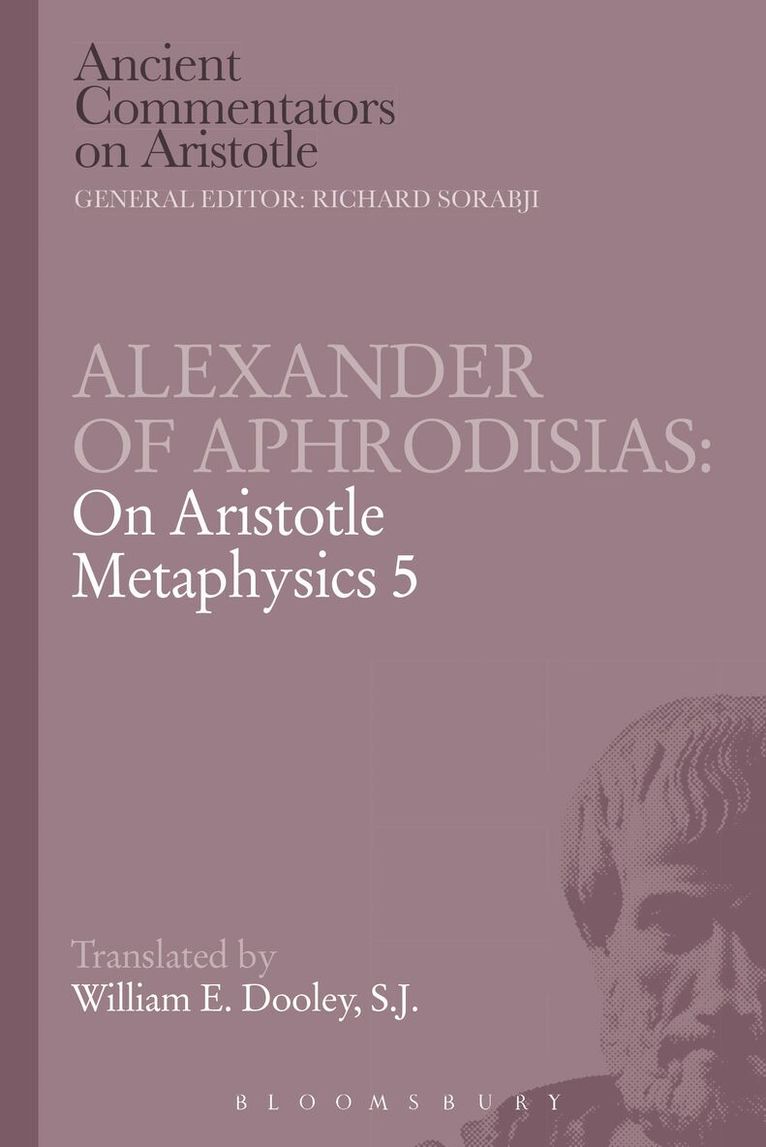
Aristotle was a systematic writer who often cross-referred to the definitions of terms given elsewhere in his work. Book 5 of the Metaphysics is important because it consists of definitions of the main uses of key terms in Aristotle's philosophy, and it is extremely valuable to have a commentary on this important text by Alexander of Aphrodisias, the leading commentator of his school. Alexander provides a detailed commentary on all of the thirty terms analysed in Book 5, weighing alternative interpretations of what Aristotle says one against another, defending Peripatetic views against actual and possible criticisms, and attempting to integrate what is said in Book 5 into the context of the Metaphysics as a whole.