F Koch - Böcker
Visar alla böcker från författaren F Koch. Handla med fri frakt och snabb leverans.
5 produkter
5 produkter
350 kr
Skickas inom 5-8 vardagar
196 kr
Skickas inom 5-8 vardagar
538 kr
Skickas inom 10-15 vardagar
The NATO Special Programme Panel on Condensed Systems of Low Dimensionality began its work in 1985 at a time of considerable activity in the field. The Panel has since funded many Advanced Research Workshops, Advanced Study Institutes, Cooperative Research Grants and Research Visits across the breadth of its remit, which stretches from self-organizing organic molecules to semiconductor structures having two, one and zero dimensions. The funded activities, especially the workshops, have allowed researchers from within NATO countries to exchange ideas and work together at a period of development of the field when such interactions are most valuable. Such timely support has undoubtedly assisted the development of national programs, particularly in the countries of the alliance wishing to strengthen their science base. A closing Workshop to mark the end of the Panel's activities was organized in Marmaris, Turkey from April 23-27, 1990, with the same title as the Panel: Condensed systems of Low Dimensionality. This volume contains papers presented at that meeting, which sought to bring together chemists, physicists and engineers from across the spectrum of the Panel's activities to discuss topics of current interest in their special fields and to exchange ideas about the effects of low dimensionality. As the following pages show, this is a topic of extraordinary interest and challenge which produces entirely new scientific phenomena, and at the same time offers the possibility of novel technological applications.
1 632 kr
Skickas inom 10-15 vardagar
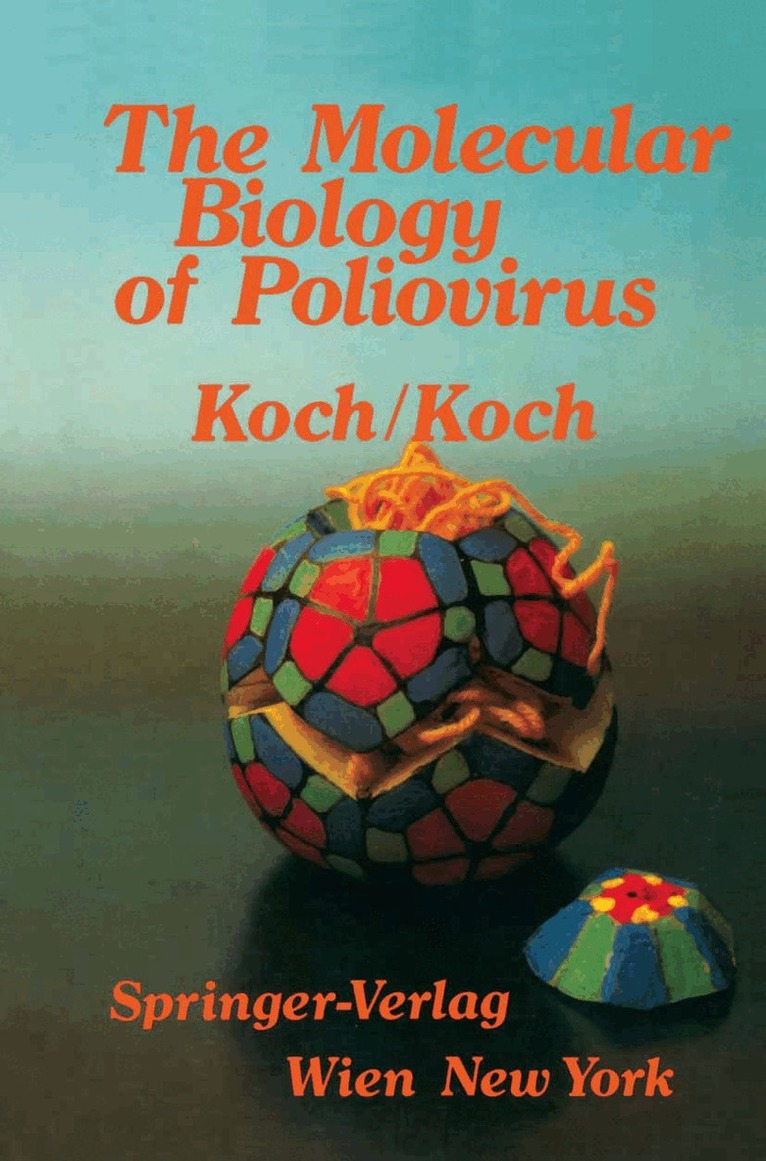
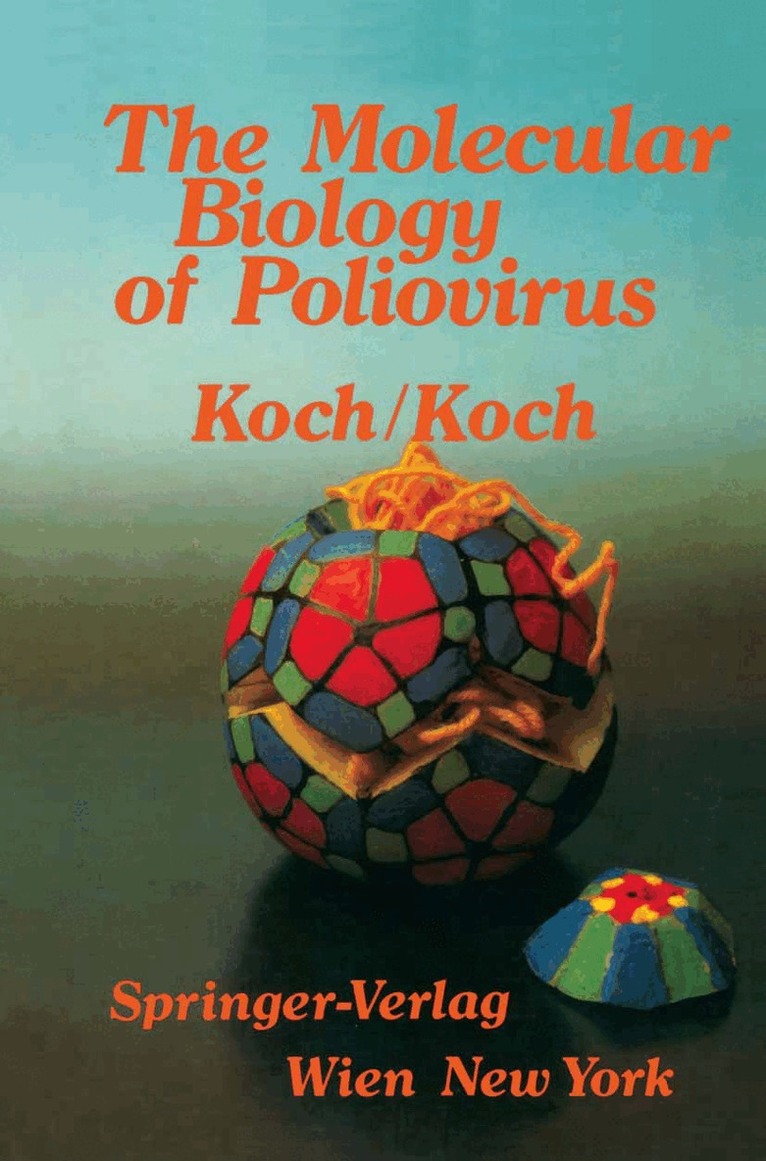
Years ago when we were asked to write a book on the present-day knowledge of the molecular biology of poliovirus, we did not expect that such an apparently simple task could involve so much time and effort. Our writing was hampered by the fact that both of us are full time "workers", so that this monograph is mainly a spare time expedience. The main attention of this book focuses on a detailed review of the molecular biology of poliovirus and especially on the advances of the last decade; medical and environmental aspects are only briefly mentioned. Observations from older studies are considered in view of more recent information. Some of the older ob servations provided fundamental insights and paved the way for present day research; too often such data has been neglected or independently rediscovered. Today, poliovirus research has again attracted considerable interest. High points gained within the last few years were the elucidation of the complete nucleotide sequences of the RNAs of the three poliovinls serotypes and the corresponding vaccine strains, the demonstration of genome evolution during transmission of poliovirus in an epidemic, further characterization of the antigenic sites on the virus particle and of the antigenic drift, characterization of alternate conforma tional states of the virion capsid, the development of monoclonal antibodies against some of the virus proteins, observations on the role of the plasma membrane, cytoskeleton, and cytoplasmic membranes as mediators in the virus induced redirection of the synthetic machinery of the host cell, and characteriza
1 584 kr
Skickas inom 10-15 vardagar
Years ago when we were asked to write a book on the present-day knowledge of the molecular biology of poliovirus, we did not expect that such an apparently simple task could involve so much time and effort. Our writing was hampered by the fact that both of us are full time "workers", so that this monograph is mainly a spare time expedience. The main attention of this book focuses on a detailed review of the molecular biology of poliovirus and especially on the advances of the last decade; medical and environmental aspects are only briefly mentioned. Observations from older studies are considered in view of more recent information. Some of the older ob servations provided fundamental insights and paved the way for present day research; too often such data has been neglected or independently rediscovered. Today, poliovirus research has again attracted considerable interest. High points gained within the last few years were the elucidation of the complete nucleotide sequences of the RNAs of the three poliovinls serotypes and the corresponding vaccine strains, the demonstration of genome evolution during transmission of poliovirus in an epidemic, further characterization of the antigenic sites on the virus particle and of the antigenic drift, characterization of alternate conforma tional states of the virion capsid, the development of monoclonal antibodies against some of the virus proteins, observations on the role of the plasma membrane, cytoskeleton, and cytoplasmic membranes as mediators in the virus induced redirection of the synthetic machinery of the host cell, and characteriza