Faisal Hossain - Böcker
Visar alla böcker från författaren Faisal Hossain. Handla med fri frakt och snabb leverans.
8 produkter
8 produkter
1 564 kr
Skickas inom 7-10 vardagar
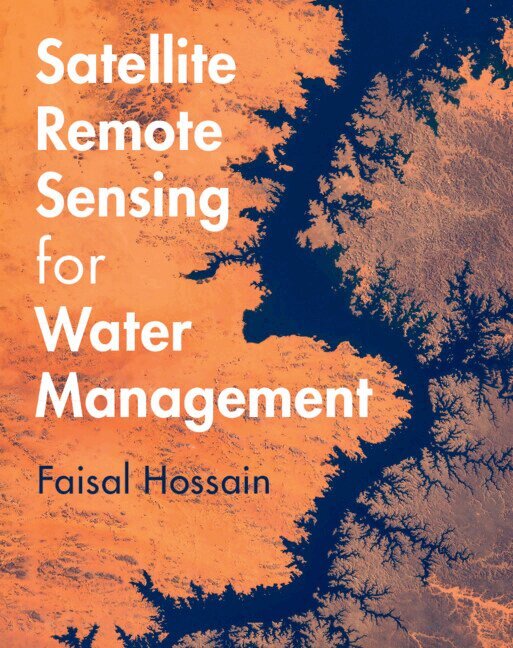
This textbook reflects the changing landscape of water management by combining the fields of satellite remote sensing and water management. Divided into three major sections, it begins by discussing the information that satellite remote sensing can provide about water, and then moves on to examine how it can address real-world management challenges, focusing on precipitation, surface water, irrigation management, reservoir monitoring, and water temperature tracking. The final part analyses governance and social issues that have recently been given more attention as the world reckons with social justice and equity aspects of engineering solutions. This book uses case studies from around the globe to demonstrate how satellite remote sensing can improve traditional water practices and includes end-of-chapter exercises to facilitate student learning. It is intended for advanced undergraduate and graduate students in water resource management, and as reference textbook for researchers and professionals.
785 kr
Skickas inom 7-10 vardagar
This textbook reflects the changing landscape of water management by combining the fields of satellite remote sensing and water management. Divided into three major sections, it begins by discussing the information that satellite remote sensing can provide about water, and then moves on to examine how it can address real-world management challenges, focusing on precipitation, surface water, irrigation management, reservoir monitoring, and water temperature tracking. The final part analyses governance and social issues that have recently been given more attention as the world reckons with social justice and equity aspects of engineering solutions. This book uses case studies from around the globe to demonstrate how satellite remote sensing can improve traditional water practices and includes end-of-chapter exercises to facilitate student learning. It is intended for advanced undergraduate and graduate students in water resource management, and as reference textbook for researchers and professionals.
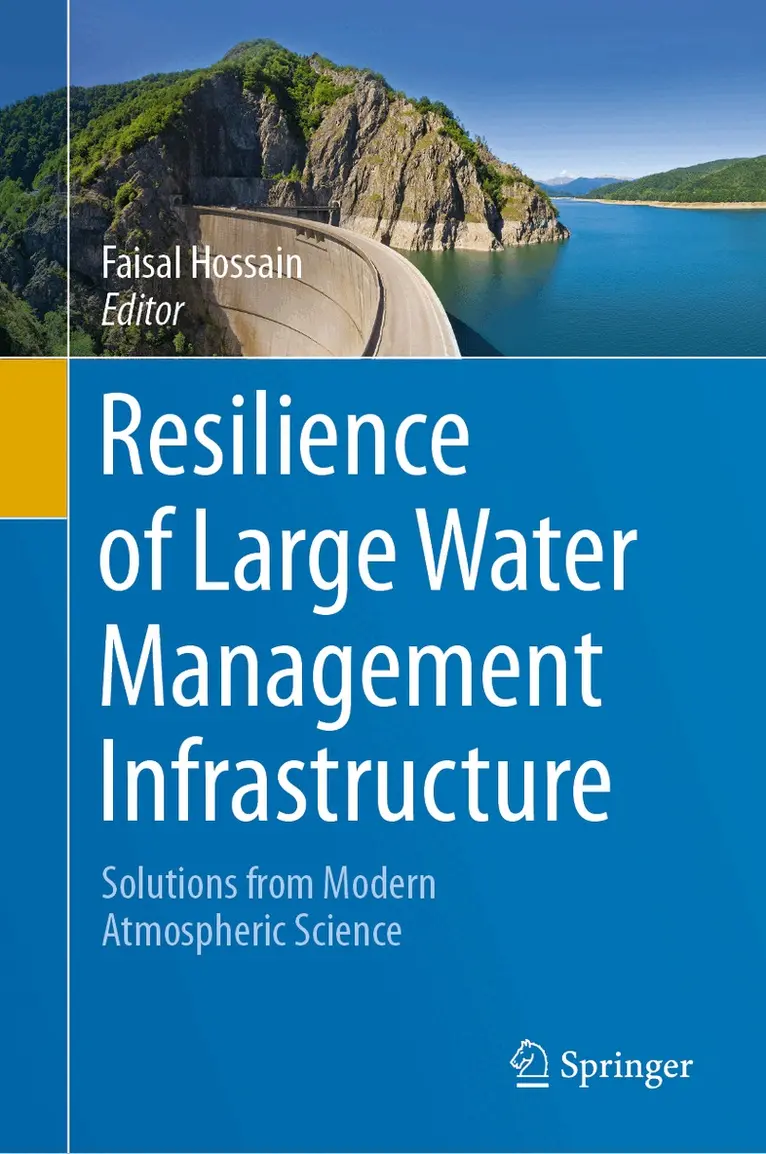
Resilience of Large Water Management Infrastructure
Solutions from Modern Atmospheric Science
Inbunden, Engelska, 2019
1 064 kr
Skickas inom 10-15 vardagar
Infrastructure that manages our water resources (such as, dams and reservoirs, irrigation systems, channels, navigation waterways, water and wastewater treatment facilities, storm drainage systems, urban water distribution and sanitation systems), are critical to all sectors of an economy. Realizing the importance of water infrastructures, efforts have already begun on understanding the sustainability and resilience of such systems under changing conditions expected in the future. The goal of this collected work is to raise awareness among civil engineers of the various implications of landscape change and non-climate drivers on the resilience of water management infrastructure. It identifies the knowledge gaps and then provides effective and complementary approaches to assimilate knowledge discovery on local (mesoscale)-to-regional landscape drivers to improve practices on design, operations and preservation of large water infrastructure systems.
Resilience of Large Water Management Infrastructure
Solutions from Modern Atmospheric Science
Häftad, Engelska, 2020
1 064 kr
Skickas inom 10-15 vardagar
Infrastructure that manages our water resources (such as, dams and reservoirs, irrigation systems, channels, navigation waterways, water and wastewater treatment facilities, storm drainage systems, urban water distribution and sanitation systems), are critical to all sectors of an economy.
1 578 kr
Skickas inom 10-15 vardagar
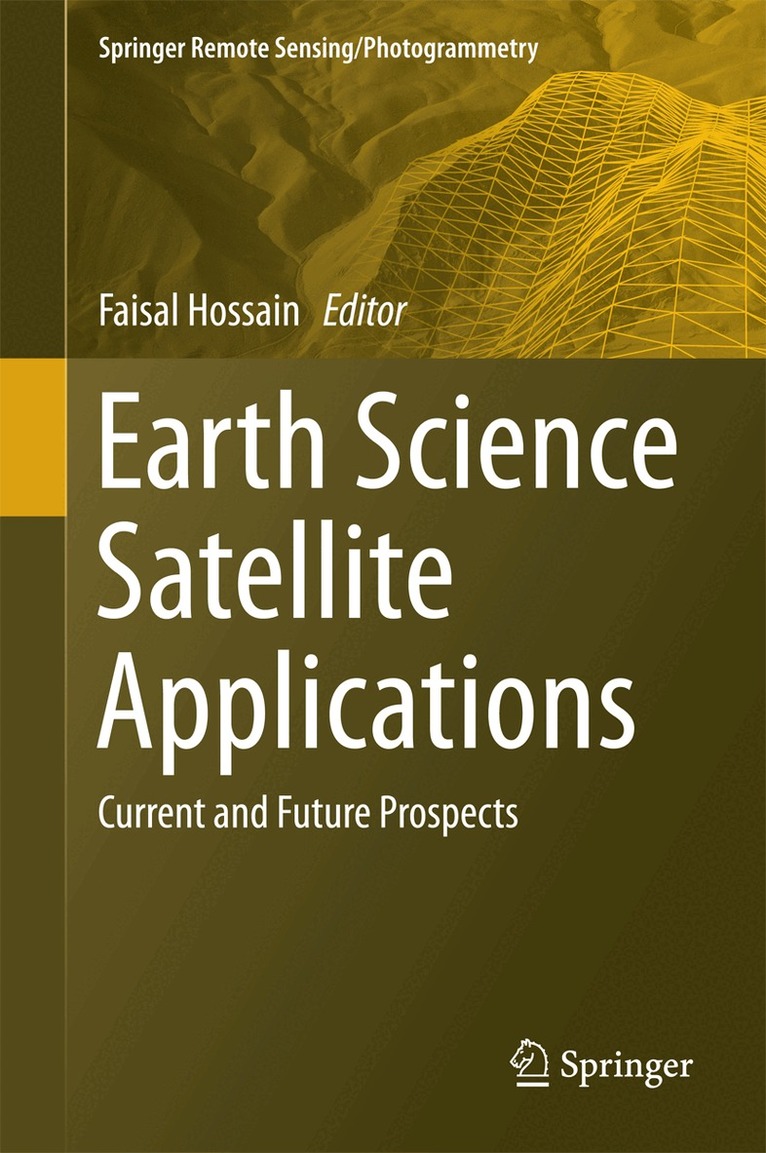
The combined observational power of the multiple earth observing satellites is currently not being harnessed holistically to produce more durable societal benefits.
1 578 kr
Skickas inom 10-15 vardagar
The combined observational power of the multiple earth observing satellites is currently not being harnessed holistically to produce more durable societal benefits.
1 578 kr
Skickas inom 10-15 vardagar
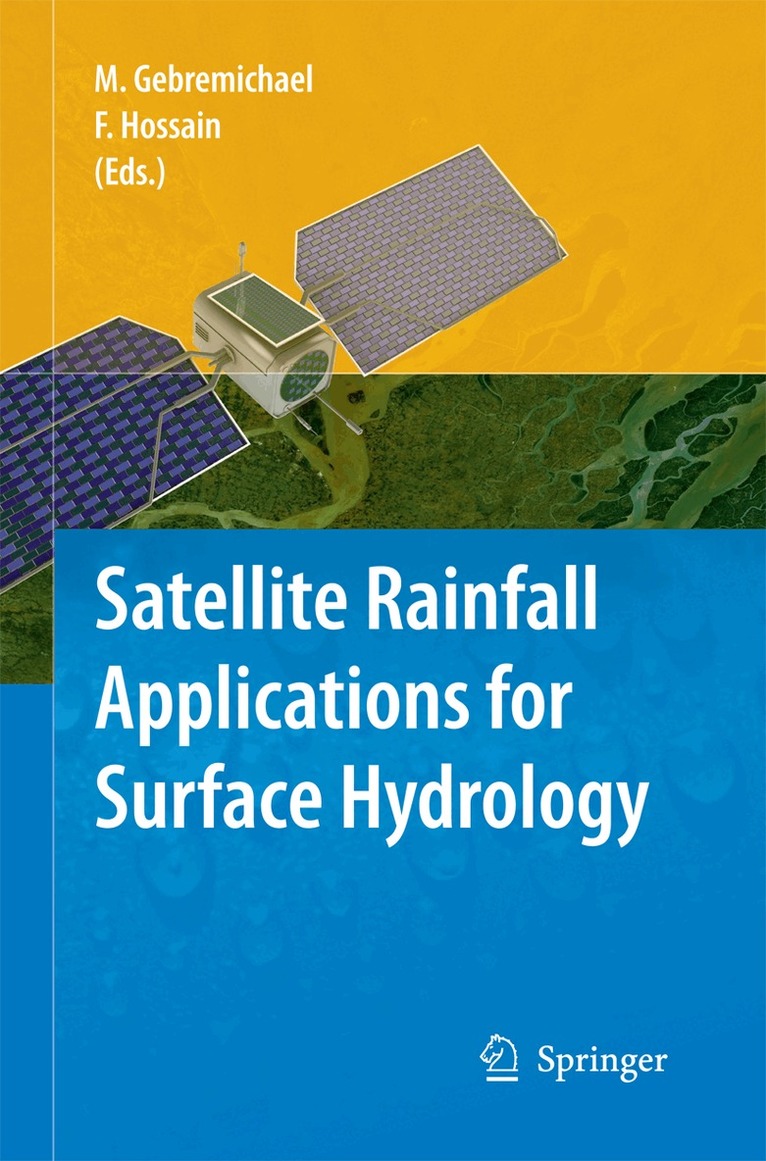
As individual topics, the terms "satellite rainfall" and "surface hydrology" have beenmuchwidelystudiedoverthelastfewdecades.Eversincerainfallproducts beguntobedevelopedusingspace-borneinfraredsensorsingeostationaryorbitin theseventies,satelliteremotesensingofrainfallexperiencedtremendousprogress. Microwavesensorsonlowearthorbitscamealongduringtheeightiestoprovide more accurate estimates of rainfall at the cost of limited sampling. As the c- trastingbutcomplementarypropertiesofmicrowaveandinfraredsensorsbecame apparent,mergedrainfallproductsstartedtoappearduringthefollowingdecade.In 1997,theTropicalRainfallMeasuringMission(TRMM)withthe?rstspace-borne active microwave precipitation radar (TRMM-PR), was launched. The success of TRMMinimprovingourunderstandingonTropicalandSub-tropicalrainfalld- tribution and precipitation structures consequently spurred a larger scale mission aimed at the study of global distribution of precipitation. Today, we now eagerly anticipatetheGlobalPrecipitationMeasurement(GPM)mission,whichenvisions aglobalconstellationofmicrowavesensorsthatwillprovidemoreaccurateglobal rainfallproductsathighresolutionfrom2013onwards.Itisthereforesafetoclaimthreedecadesofresearchheritageonsatelliteremote sensing of rainfall. Similarly, the topic of "surface hydrology" requires no int- duction for readers of environmental sciences and geosciences either. But what happens if we connect all the individual terms and name it - "satellite rainfall applications for surface hydrology"? A new topic is created. But little is known aboutthistopicbecausesatelliteremotesensingofrainfallandsurfacehydrology have evolved rather independently of each other. Even though the potential for a space-bornesourceofrainfalldatawasalwaysrecognizedforavarietyofappli- tions(suchas?oodforecastinginungaugedregions,transboundarywaterresources, global/regionaldroughtandagriculturalplanning),the?eldsofsatelliterainfalland surfacehydrologyhavehardlyintersectedduringtheirdevelopmentalstagesduring thelastfewdecades.Wearenowfacedwithamyriadofquestionsrangingfrom commonoperationalissuestodetailedscienti?cinquiries.Someofthesequestions are: There are so many satellite rainfall products currently available - which one does one use for a speci?c application to get the best results?What is the optimum scaleofapplication ofsatelliterainfalldataforagiven surfaceapplication? Whatis the level of uncertainty in each satellite rainfall product and what is the implication v vi Preface for a given surface hydrologic prediction? Where do I acquire the data for research or for operational applications? How are these satellite rainfall products developed and how do they differ from one another? This book by Springer on "Satellite Rainfall Applications for Surface Hydrology" is a contribution to both scienti?c and practical questions regarding
1 578 kr
Skickas inom 10-15 vardagar
As individual topics, the terms "satellite rainfall" and "surface hydrology" have beenmuchwidelystudiedoverthelastfewdecades.Eversincerainfallproducts beguntobedevelopedusingspace-borneinfraredsensorsingeostationaryorbitin theseventies,satelliteremotesensingofrainfallexperiencedtremendousprogress. Microwavesensorsonlowearthorbitscamealongduringtheeightiestoprovide more accurate estimates of rainfall at the cost of limited sampling. As the c- trastingbutcomplementarypropertiesofmicrowaveandinfraredsensorsbecame apparent,mergedrainfallproductsstartedtoappearduringthefollowingdecade.In 1997,theTropicalRainfallMeasuringMission(TRMM)withthe?rstspace-borne active microwave precipitation radar (TRMM-PR), was launched. The success of TRMMinimprovingourunderstandingonTropicalandSub-tropicalrainfalld- tribution and precipitation structures consequently spurred a larger scale mission aimed at the study of global distribution of precipitation. Today, we now eagerly anticipatetheGlobalPrecipitationMeasurement(GPM)mission,whichenvisions aglobalconstellationofmicrowavesensorsthatwillprovidemoreaccurateglobal rainfallproductsathighresolutionfrom2013onwards.Itisthereforesafetoclaimthreedecadesofresearchheritageonsatelliteremote sensing of rainfall. Similarly, the topic of "surface hydrology" requires no int- duction for readers of environmental sciences and geosciences either. But what happens if we connect all the individual terms and name it - "satellite rainfall applications for surface hydrology"? A new topic is created. But little is known aboutthistopicbecausesatelliteremotesensingofrainfallandsurfacehydrology have evolved rather independently of each other. Even though the potential for a space-bornesourceofrainfalldatawasalwaysrecognizedforavarietyofappli- tions(suchas?oodforecastinginungaugedregions,transboundarywaterresources, global/regionaldroughtandagriculturalplanning),the?eldsofsatelliterainfalland surfacehydrologyhavehardlyintersectedduringtheirdevelopmentalstagesduring thelastfewdecades.Wearenowfacedwithamyriadofquestionsrangingfrom commonoperationalissuestodetailedscienti?cinquiries.Someofthesequestions are: There are so many satellite rainfall products currently available - which one does one use for a speci?c application to get the best results?What is the optimum scaleofapplication ofsatelliterainfalldataforagiven surfaceapplication? Whatis the level of uncertainty in each satellite rainfall product and what is the implication v vi Preface for a given surface hydrologic prediction? Where do I acquire the data for research or for operational applications? How are these satellite rainfall products developed and how do they differ from one another? This book by Springer on "Satellite Rainfall Applications for Surface Hydrology" is a contribution to both scienti?c and practical questions regarding