Fatima Zahra Ouariach – författare
Visar alla böcker från författaren Fatima Zahra Ouariach. Handla med fri frakt och snabb leverans.
9 produkter
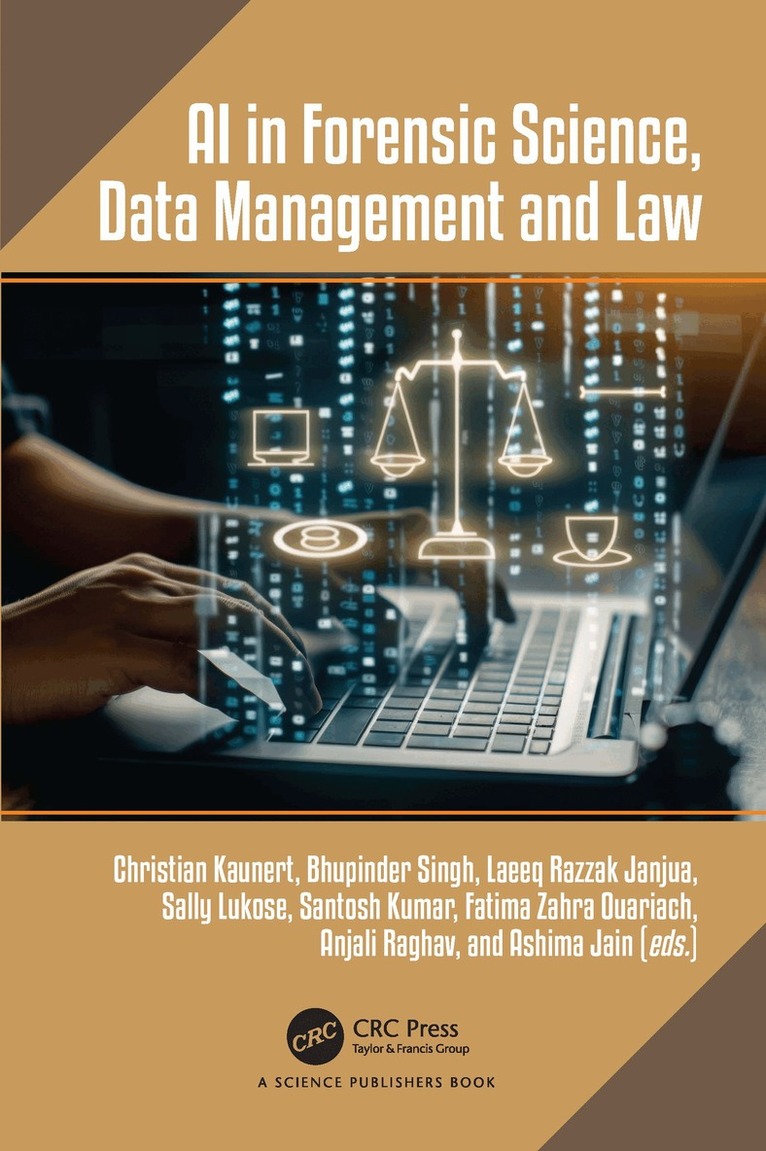
AI in Forensic Science, Data Management and Law
Av Christian Kaunert, Bhupinder Singh m. fl.
Inbunden, 2026
1682 kr
Lägg i varukorg
The book provides a complete overview of forensic science, AI, and data management in law and business. It reviews the applications of AI and advanced data management methods across various legal and forensic domains. Topics discussed include digital forensics, predictive modelling, automatic …
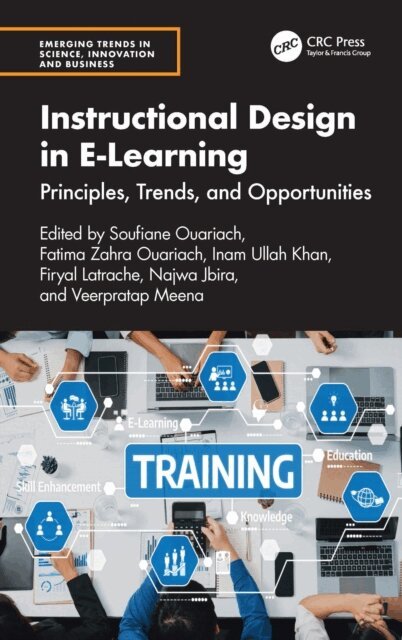
Instructional Design in E-Learning
Principles, Trends, and Opportunities
Av Veerpratap Meena, Najwa Jbira m. fl.
E-bok, 2026
2832 kr
Lägg i varukorg
This comprehensive guide examines the restructuring of instructional design principles and practices for digital learning environments. It combines established pedagogical principles with the latest technological innovations to help practitioners create effective, learner centered online …
Instructional Design in E-Learning
Principles, Trends, and Opportunities
Av Veerpratap Meena, Najwa Jbira m. fl.
E-bok, 2026
2894 kr
Lägg i varukorg
This comprehensive guide examines the restructuring of instructional design principles and practices for digital learning environments. It combines established pedagogical principles with the latest technological innovations to help practitioners create effective, learner centered online …
AI in Forensic Science, Data Management and Law
Av Ashima Jain, Anjali Raghav m. fl.
E-bok, 2026
811 kr
Lägg i varukorg
The book provides a complete overview of forensic science, AI, and data management in law and business. It reviews the applications of AI and advanced data management methods across various legal and forensic domains. Topics discussed include digital forensics, predictive modelling, automatic …
AI in Forensic Science, Data Management and Law
Av Ashima Jain, Anjali Raghav m. fl.
E-bok, 2026
829 kr
Lägg i varukorg
The book provides a complete overview of forensic science, AI, and data management in law and business. It reviews the applications of AI and advanced data management methods across various legal and forensic domains. Topics discussed include digital forensics, predictive modelling, automatic …
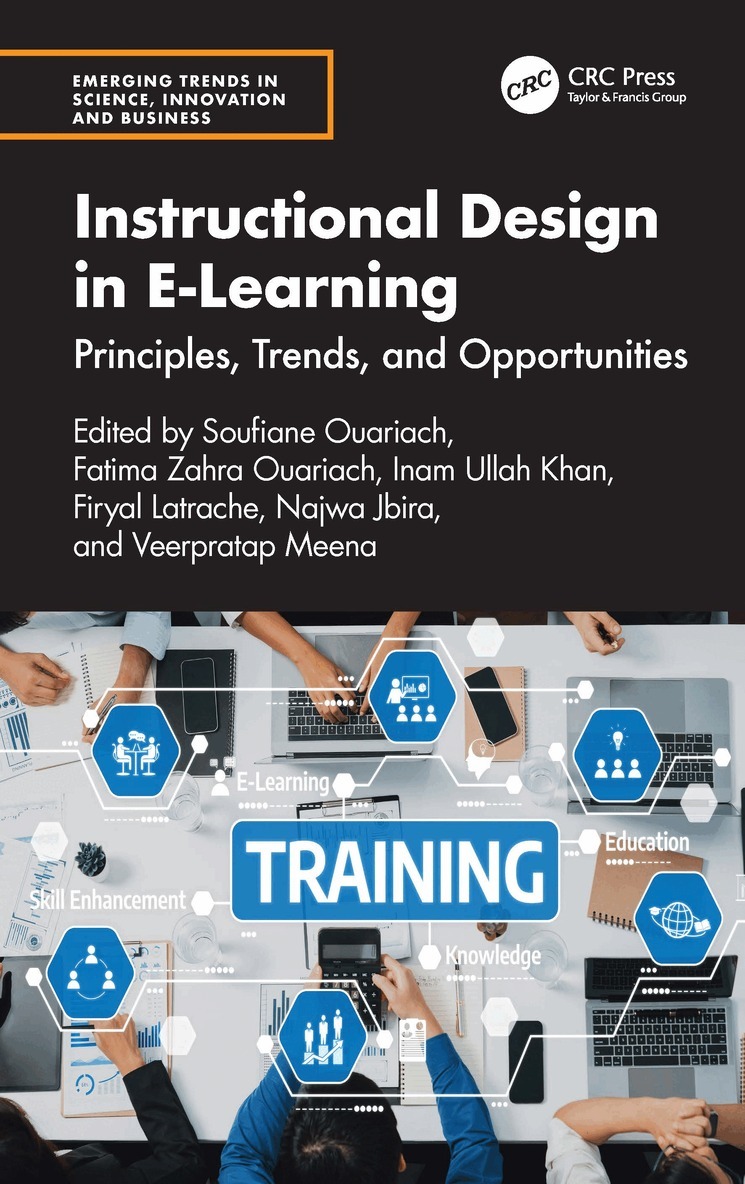
Instructional Design in E-Learning
Principles, Trends, and Opportunities
Av Soufiane Ouariach, Fatima Zahra Ouariach m. fl.
Inbunden, 2026
2448 kr
Lägg i varukorg
This comprehensive guide examines the restructuring of instructional design principles and practices for digital learning environments. It combines established pedagogical principles with the latest technological innovations to help practitioners create effective, learner‑centered online …
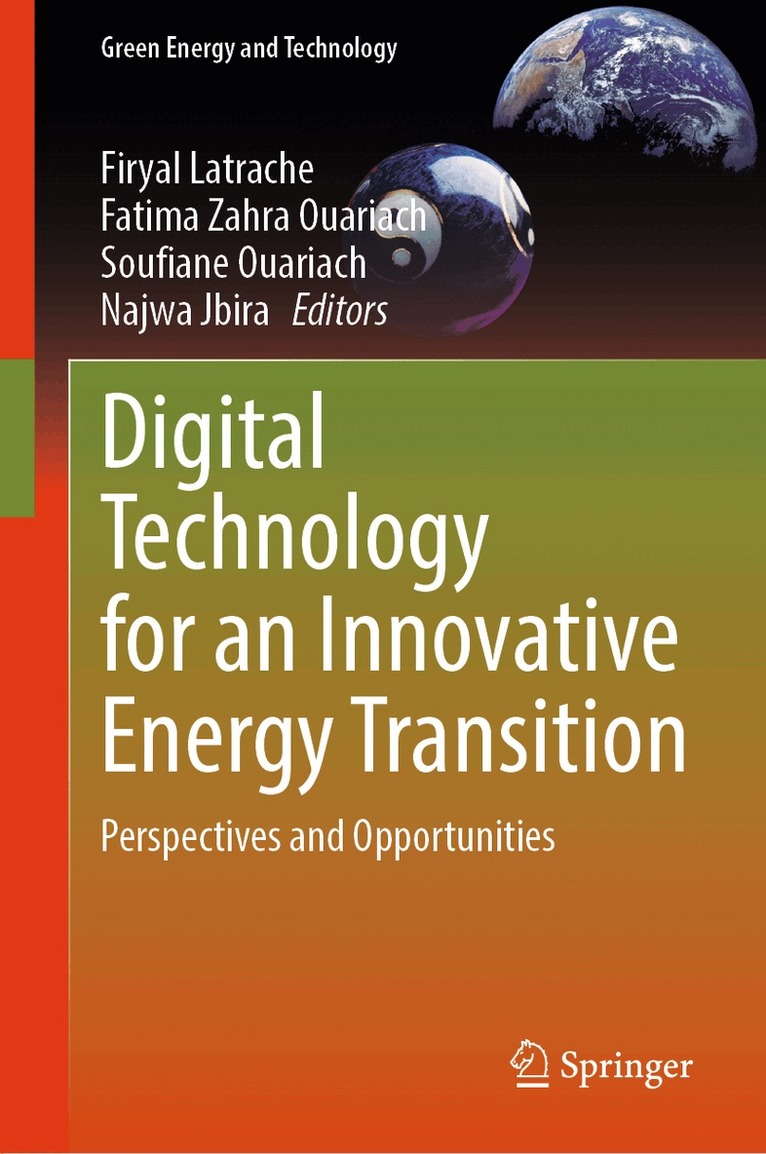
Digital Technology for an Innovative Energy Transition
Perspectives and Opportunities
Av Firyal Latrache, Fatima Zahra Ouariach m. fl.
Inbunden, 2025
1971 kr
Lägg i varukorg
This book gives an insight into the laws, regulations and ethics involved in adopting digital technologies to promote the energy transition. The current global development requires a deep understanding and a well-adopted strategy. The energy transition is an essential lever for global development, …
Digital Technology for an Innovative Energy Transition
Perspectives and Opportunities
Av Najwa Jbira, Soufiane Ouariach m. fl.
E-bok, 2025
2543 kr
Lägg i varukorg
This book gives an insight into the laws, regulations and ethics involved in adopting digital technologies to promote the energy transition. The current global development requires a deep understanding and a well-adopted strategy. The energy transition is an essential lever for global development, …
Artificial Intelligence on the Farms
Federated Learning for Climate-Resilient Agriculture
Av C Kishor Kumar Reddy, T Monika Singh m. fl.
Inbunden, 2026
2715 kr
Kommande
The book is a timely and forward-looking volume that explores the transformative role of Artificial Intelligence, Federated Learning, IoT, blockchain, and edge computing in building sustainable and climate-resilient agricultural systems. The book brings together interdisciplinary research and …