Federico Finchelstein – författare
Visar alla böcker från författaren Federico Finchelstein. Handla med fri frakt och snabb leverans.
14 produkter
14 produkter
Häftad, Engelska, 2017
404 kr
Skickas inom 5-8 vardagar
Argentina is famous for its ties with fascism as well as its welcoming of Nazi war criminals after World War II. At mid-century, it was the home of Peronism. It was also the birthplace of the Dirty War and one of Latin America's most criminal dictatorships in the 1970s and early 1980s. How and why did all of these regimes emerge in a country that was "born liberal"? Why did these authoritarian traits first emerge in Argentina under the shadow of fascism? In this book, Federico Finchelstein tells the history of modern Argentina as seen from the perspective of political violence and ideology. He focuses on the theory and practice of the fascist idea in Argentine political culture throughout the twentieth century, analyzing the connections between fascist theory and the Holocaust, antisemitism, and the military junta's practices of torture and state violence, with its networks of concentration camps and extermination. The book demonstrates how the state's war against its citizens was rooted in fascist ideology, explaining the Argentine variant of fascism, formed by nacionalistas, and its links with European fascism and Catholicism. It particularly emphasizes the genocidal dimensions of the persecution of Argentine Jewish victims. The destruction of the rule of law and military state terror during the Dirty War, Finchelstein shows, was the product of many political and ideological reformulations and personifications of fascism.The Ideological Origins of the Dirty War provides a genealogy of state-sanctioned terror, revealing fascism as central to Argentina's political culture and its violent twentieth century.
Inbunden, Engelska, 2014
829 kr
Skickas inom 5-8 vardagar
This book tells the history of modern Argentina through the lens of political violence and ideology. It focuses on the theory and practice of the fascist idea in Argentine political culture throughout the twentieth century. It analyzes the connections between fascist theory and the Holocaust, antisemitism and the military junta's practices of torture and state violence (1976-1983), its networks of concentration camps and extermination. The destruction of the rule of law and military state terror represent the end road of the twisted historical path of Argentine and Latin American dictatorships. The book emphasizes the genocidal dimensions of the persecution of Argentine Jewish victims, explaining why they were disproportionately victimized by the military dictatorship.The Dirty War was not a real war, Federico Finchelstein argues, but an illegal militarization of state repression. This popularized term needs to be explained in terms of the fascist genealogies that The Ideological Origins of the Dirty War explores. From a historical perspective, the Dirty War did not feature two combatants but rather victims and perpetrators. In fact, the state made "war" against its citizens. This state sanctioned terror had its roots in fascist ideology, tracing a history from the fascist movements of the interwar war years to the concentration camps. Argentine fascism shaped the country's political culture. The Argentine road to fascism was shaped in the 1920s and 1930s and from then on continued to acquire many political and ideological reformulations and personifications, from Peronism (1943-1955) to terrorist right-wing organizations in the 1960s (especially Tacuara and the Triple A) to the last military dictatorship (1976-1983).
Del 79 - New Directions in Critical Theory
Fascist Mythologies
The History and Politics of Unreason in Borges, Freud, and Schmitt
Inbunden, Engelska, 2022
1 060 kr
Skickas inom 5-8 vardagar
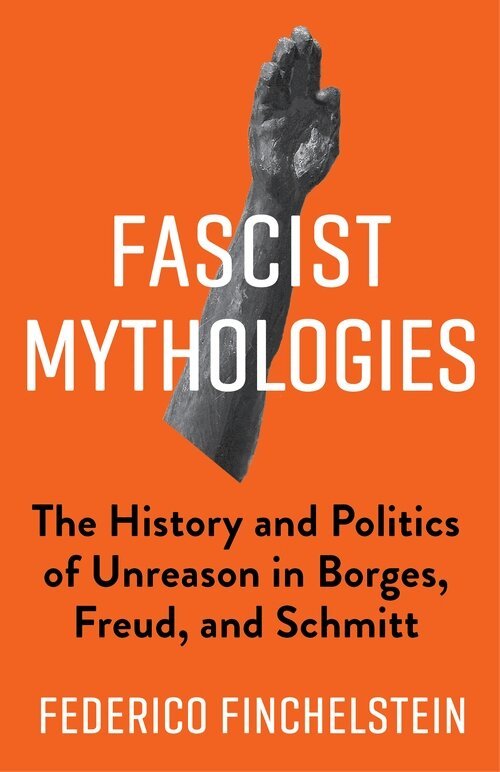
For fascism, myth was reality—or was realer than the real. Fascist notions of the leader, the nation, power, and violence were steeped in mythic imagery and the fantasy of transcending history. A mythologized primordial past would inspire the heroic overthrow of a debased present to achieve a violently redeemed future. What is distinctive about fascist mythology, and how does this aspect of fascism help explain its perils in the past and present?Federico Finchelstein draws on a striking combination of thinkers—Jorge Luis Borges, Sigmund Freud, and Carl Schmitt—to consider fascism as a form of political mythmaking. He shows that Borges’s literary and critical work and Freud’s psychoanalytic writing both emphasize the mythical and unconscious dimensions of fascist politics. Finchelstein considers their ideas of the self, violence, and the sacred as well as the relationship between the victims of fascist violence and the ideological myths of its perpetrators. He draws on Freud and Borges to analyze the work of a variety of Latin American and European fascist intellectuals, with particular attention to Schmitt’s political theology. Contrasting their approaches to the logic of unreason, Finchelstein probes the limits of the dichotomy between myth and reason and shows the centrality of this opposition to understanding the ideology of fascism.At a moment when forces redolent of fascism cast a shadow over world affairs, this book provides a timely historical and critical analysis of the dangers of myth in modern politics.
Del 79 - New Directions in Critical Theory
Fascist Mythologies
The History and Politics of Unreason in Borges, Freud, and Schmitt
Häftad, Engelska, 2022
234 kr
Skickas inom 5-8 vardagar
For fascism, myth was reality—or was realer than the real. Fascist notions of the leader, the nation, power, and violence were steeped in mythic imagery and the fantasy of transcending history. A mythologized primordial past would inspire the heroic overthrow of a debased present to achieve a violently redeemed future. What is distinctive about fascist mythology, and how does this aspect of fascism help explain its perils in the past and present?Federico Finchelstein draws on a striking combination of thinkers—Jorge Luis Borges, Sigmund Freud, and Carl Schmitt—to consider fascism as a form of political mythmaking. He shows that Borges’s literary and critical work and Freud’s psychoanalytic writing both emphasize the mythical and unconscious dimensions of fascist politics. Finchelstein considers their ideas of the self, violence, and the sacred as well as the relationship between the victims of fascist violence and the ideological myths of its perpetrators. He draws on Freud and Borges to analyze the work of a variety of Latin American and European fascist intellectuals, with particular attention to Schmitt’s political theology. Contrasting their approaches to the logic of unreason, Finchelstein probes the limits of the dichotomy between myth and reason and shows the centrality of this opposition to understanding the ideology of fascism.At a moment when forces redolent of fascism cast a shadow over world affairs, this book provides a timely historical and critical analysis of the dangers of myth in modern politics.
Häftad, Engelska, 2020
548 kr
Skickas inom 10-15 vardagar
What drove the horizontal spread of authoritarianism and corporatism between Europe and Latin America in the 20th century? What processes of transnational diffusion were in motion and from where to where? In what type of ‘critical junctures’ were they adopted and why did corporatism largely transcend the cultural background of its origins? What was the role of intellectual-politicians in the process? This book will tackle these issues by adopting a transnational and comparative research design encompassing a wide range of countries.
Häftad, Engelska, 2019
215 kr
Skickas inom 5-8 vardagar
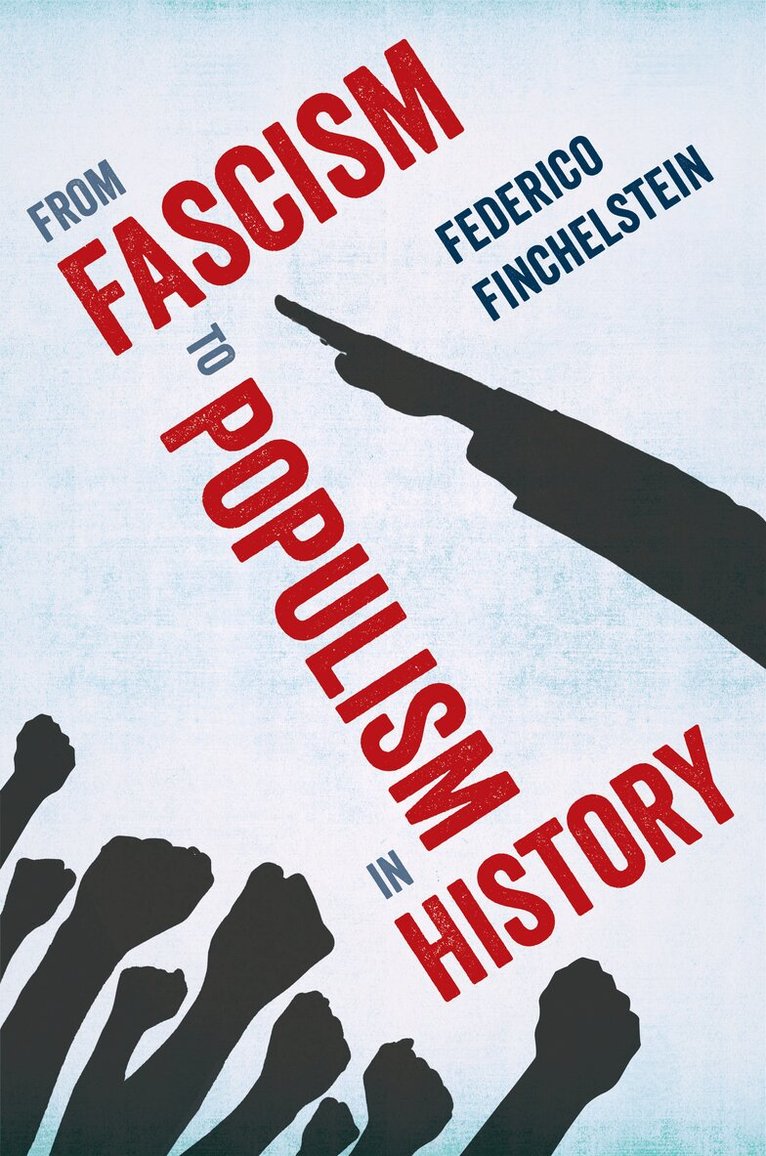
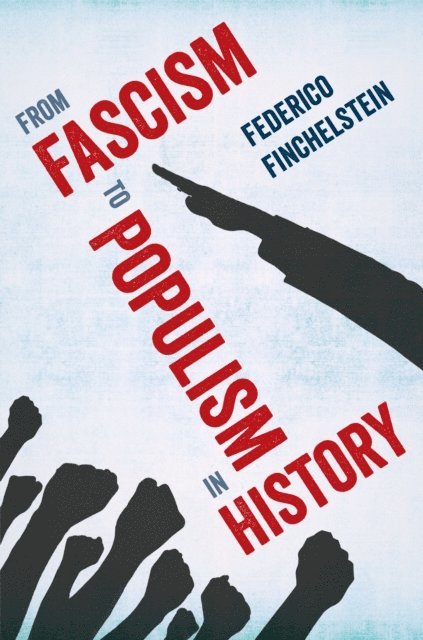
What is fascism and what is populism? What are their connections in history and theory, and how should we address their significant differences? What does it mean when pundits call Donald Trump a fascist, or label as populist politicians who span left and right such as Hugo Chávez, Juan Perón, Rodrigo Duterte, and Marine Le Pen? Federico Finchelstein, one of the leading scholars of fascist and populist ideologies, synthesizes their history in order to answer these questions and offer a thoughtful perspective on how we might apply the concepts today. While they belong to the same history and are often conflated, fascism and populism actually represent distinct political trajectories. Drawing on an expansive record of transnational fascism and postwar populist movements, Finchelstein gives us insightful new ways to think about the state of democracy and political culture on a global scale. This new edition includes an updated preface that brings the book up to date, midway through the Trump presidency and the election of Jair Bolsonaro in Brazil.
Häftad, Engelska, 2022
144 kr
Skickas inom 5-8 vardagar
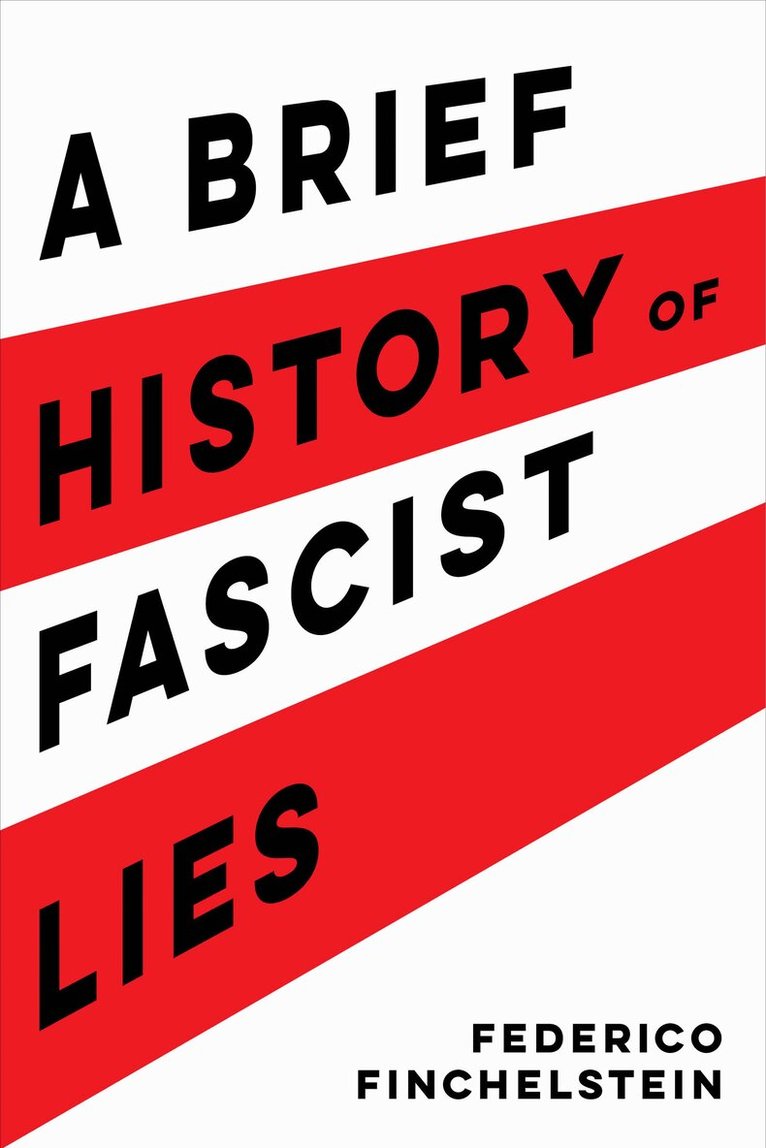
"There is no better book on fascism's complex and vexed relationship with truth."—Jason Stanley, author of How Fascism Works: The Politics of Us and ThemIn this short companion to his book From Fascism to Populism in History, world-renowned historian Federico Finchelstein explains why fascists regarded simple and often hateful lies as truth, and why so many of their followers believed the falsehoods. Throughout the history of the twentieth century, many supporters of fascist ideologies regarded political lies as truth incarnated in their leader. From Hitler to Mussolini, fascist leaders capitalized on lies as the base of their power and popular sovereignty.This history continues in the present, when lies again seem to increasingly replace empirical truth. Now that actual news is presented as “fake news” and false news becomes government policy, A Brief History of Fascist Lies urges us to remember that the current talk of “post-truth” has a long political and intellectual lineage that we cannot ignore.
Inbunden, Engelska, 2024
209 kr
Skickas inom 5-8 vardagar
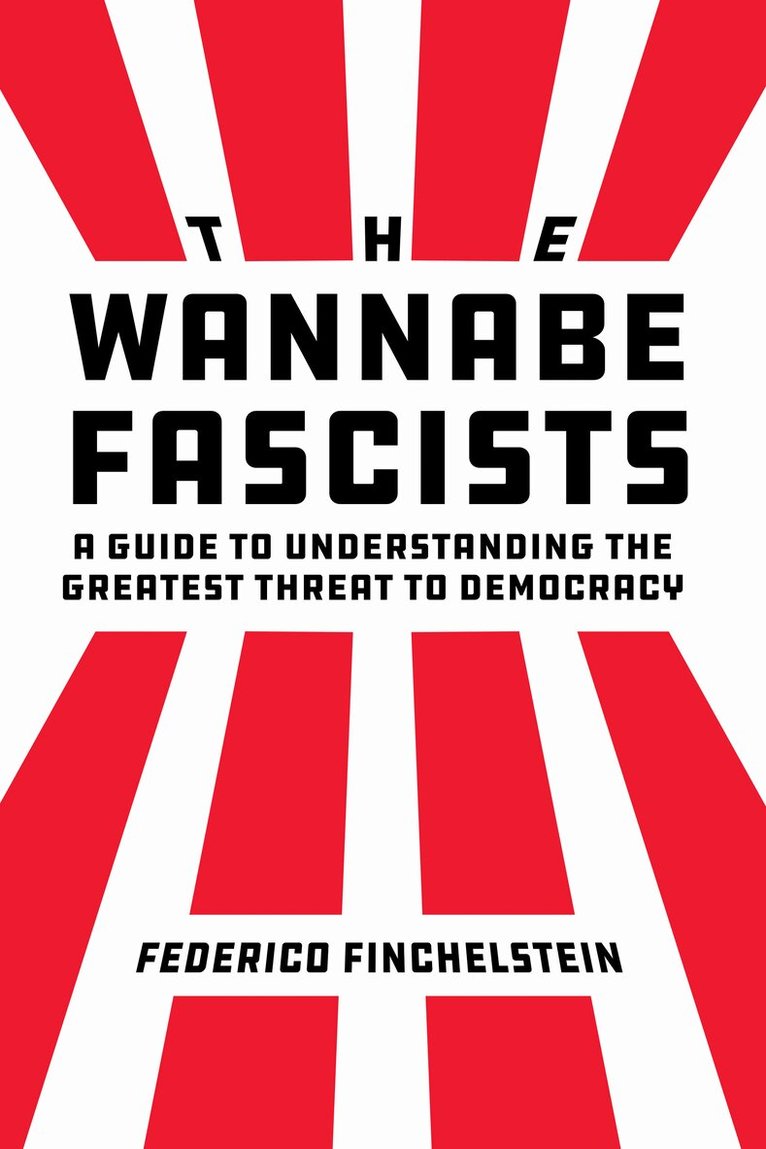
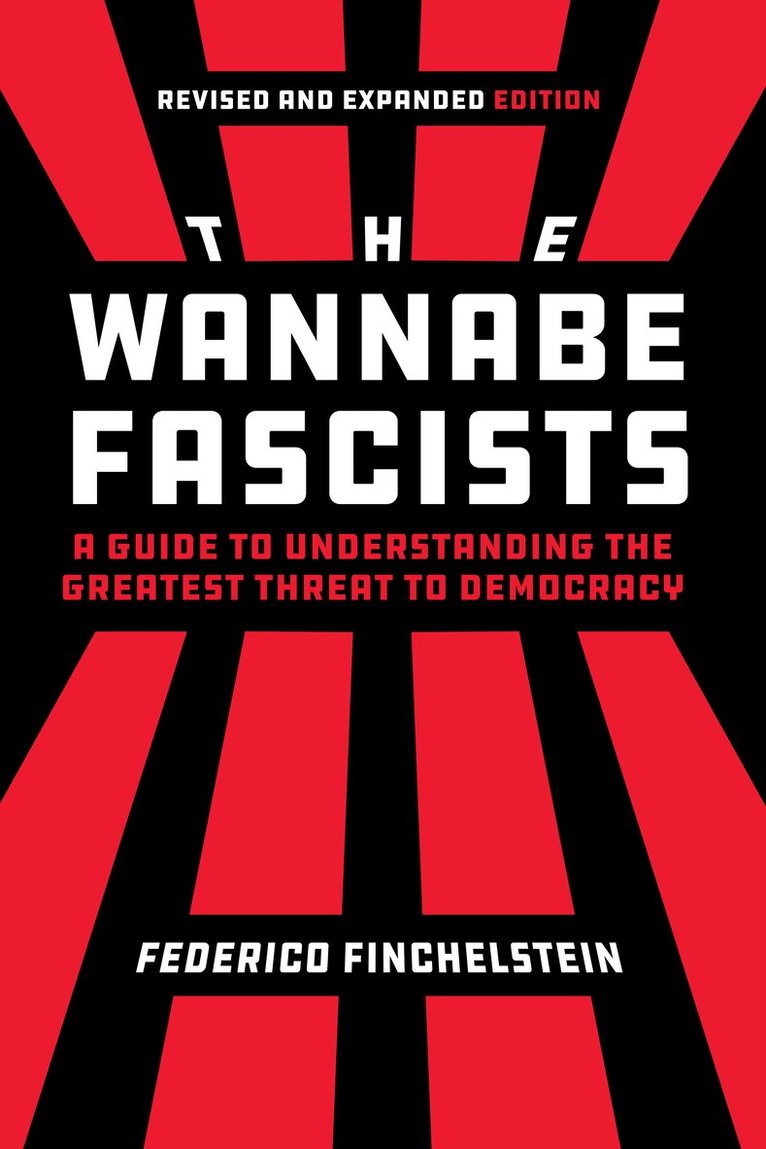
Meet today's almost fascists and learn the warning signs to intercept them on the road from populism to dictatorship. With The Wannabe Fascists, historian Federico Finchelstein offers a precise explanation of why Trumpism and similar movements across the world belong to a new political breed, the last outcome of the combined histories of fascism and populism: the wannabe fascists. This new type of populist politician is typically a legally elected leader who, unlike previous populists who were eager to distance themselves from fascism, turns to totalitarian lies, racism, and illegal means to destroy democracy from within.Drawing on almost three decades of research on the histories of fascism and populism around the world, this book lays out in clear language what the author calls the "four pillars of fascism"—xenophobia, propaganda, political violence, and ultimately dictatorship. Finchelstein carefully explains how and why wannabe fascists like Trump, Bolsonaro, and Modi embrace the first three pillars but don't quite succeed in dictatorship and total suppression of the popular vote. The Wannabe Fascists stresses the importance of preventing despots from reaching this tipping point and offers a clear warning for what's at stake.
Häftad, Engelska, 2026
250 kr
Kommande
“Finchelstein presents four criteria to evaluate where a country sits on the fascist spectrum: political violence, propaganda and misinformation, xenophobia, and dictatorship. It is, to put it mildly, disconcerting to see where the United States now finds itself on that spectrum.”—New York Review of Books "Stimulating and provocative."—International AffairsMeet today's almost fascists and learn the warning signs to intercept them on the road from populism to dictatorship. With The Wannabe Fascists, historian Federico Finchelstein offers a precise explanation of why Trumpism and similar movements across the world belong to a new political breed, the last outcome of the combined histories of fascism and populism: the wannabe fascists. This new type of populist politician is typically a legally elected leader who, unlike previous populists who were eager to distance themselves from fascism, turns to totalitarian lies, racism, and illegal means to destroy democracy from within.Drawing on almost three decades of research on the histories of fascism and populism around the world, this book lays out in clear language what the author calls the "four pillars of fascism"—xenophobia, propaganda, political violence, and ultimately dictatorship. Finchelstein carefully explains how and why wannabe fascists like Trump in the US, Bolsonaro in Brazil, and Modi in India embrace the first three pillars but don't quite succeed in dictatorship and total suppression of the popular vote. The Wannabe Fascists stresses the importance of preventing despots from reaching this tipping point and offers a clear warning for what's at stake.
Inbunden, Engelska, 2015
610 kr
Skickas inom 5-8 vardagar
Written in the early stages of the Cold War by one of the most controversial political and legal thinkers of the twentieth century, Carl Schmitt�s two short dialogues on power and space bring together several dimensions of his work in new ways. The dialogues renew Schmitt�s engagement with the questions of political power and geo-politics that had been a persistent concern throughout his intellectual life. As a basis on which to think through the historical role of human agency in relation to power and its new geographies, the dialogues condense and rework key concepts in Schmitt�s political theory during a transitional period between his Weimar and fascist years to the post-war writings.In this book, Schmitt develops a new �dialectics� of modern power and an original understanding of the global spatial transformations of the Cold War period. Equally important, the dialogues anticipate the debates on the new geo-political possibilities and threats related to cosmic spaces, overpowering technological advances, and the existential predicament of the human in an increasingly multipolar world.
Häftad, Engelska, 2015
208 kr
Skickas inom 5-8 vardagar
Written in the early stages of the Cold War by one of the most controversial political and legal thinkers of the twentieth century, Carl Schmitt�s two short dialogues on power and space bring together several dimensions of his work in new ways. The dialogues renew Schmitt�s engagement with the questions of political power and geo-politics that had been a persistent concern throughout his intellectual life. As a basis on which to think through the historical role of human agency in relation to power and its new geographies, the dialogues condense and rework key concepts in Schmitt�s political theory during a transitional period between his Weimar and fascist years to the post-war writings.In this book, Schmitt develops a new �dialectics� of modern power and an original understanding of the global spatial transformations of the Cold War period. Equally important, the dialogues anticipate the debates on the new geo-political possibilities and threats related to cosmic spaces, overpowering technological advances, and the existential predicament of the human in an increasingly multipolar world.
Inbunden, Engelska, 2010
1 267 kr
Skickas inom 5-8 vardagar
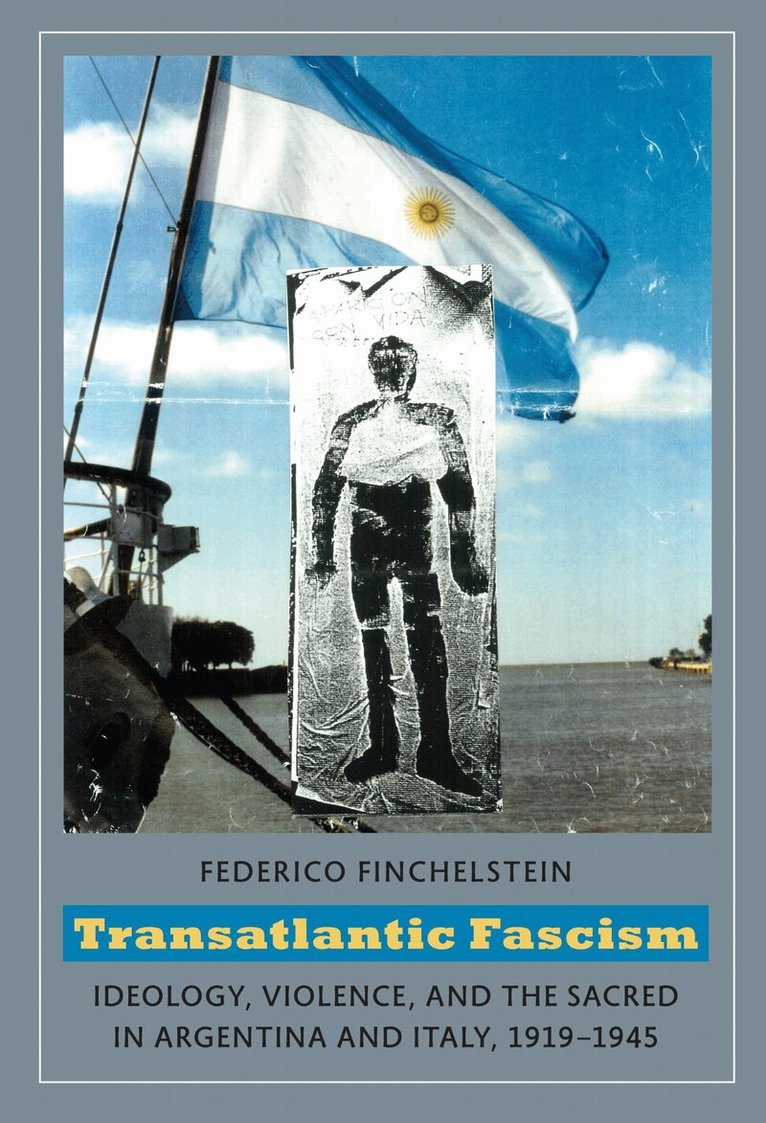
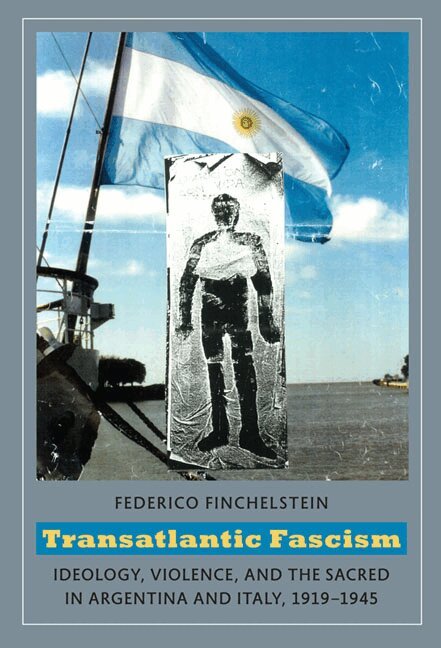
In Transatlantic Fascism, Federico Finchelstein traces the intellectual and cultural connections between Argentine and Italian fascisms, showing how fascism circulates transnationally. From the early 1920s well into the Second World War, Mussolini tried to export Italian fascism to Argentina, the “most Italian” country outside of Italy. (Nearly half the country’s population was of Italian descent.) Drawing on extensive archival research on both sides of the Atlantic, Finchelstein examines Italy’s efforts to promote fascism in Argentina by distributing bribes, sending emissaries, and disseminating propaganda through film, radio, and print. He investigates how Argentina’s political culture was in turn transformed as Italian fascism was appropriated, reinterpreted, and resisted by the state and the mainstream press, as well as by the Left, the Right, and the radical Right.As Finchelstein explains, nacionalismo, the right-wing ideology that developed in Argentina, was not the wholesale imitation of Italian fascism that Mussolini wished it to be. Argentine nacionalistas conflated Catholicism and fascism, making the bold claim that their movement had a central place in God’s designs for their country. Finchelstein explores the fraught efforts of nationalistas to develop a “sacred” ideological doctrine and political program, and he scrutinizes their debates about Nazism, the Spanish Civil War, imperialism, anti-Semitism, and anticommunism. Transatlantic Fascism shows how right-wing groups constructed a distinctive Argentine fascism by appropriating some elements of the Italian model and rejecting others. It reveals the specifically local ways that a global ideology such as fascism crossed national borders.
Häftad, Engelska, 2010
369 kr
Skickas inom 5-8 vardagar
In Transatlantic Fascism, Federico Finchelstein traces the intellectual and cultural connections between Argentine and Italian fascisms, showing how fascism circulates transnationally. From the early 1920s well into the Second World War, Mussolini tried to export Italian fascism to Argentina, the “most Italian” country outside of Italy. (Nearly half the country’s population was of Italian descent.) Drawing on extensive archival research on both sides of the Atlantic, Finchelstein examines Italy’s efforts to promote fascism in Argentina by distributing bribes, sending emissaries, and disseminating propaganda through film, radio, and print. He investigates how Argentina’s political culture was in turn transformed as Italian fascism was appropriated, reinterpreted, and resisted by the state and the mainstream press, as well as by the Left, the Right, and the radical Right.As Finchelstein explains, nacionalismo, the right-wing ideology that developed in Argentina, was not the wholesale imitation of Italian fascism that Mussolini wished it to be. Argentine nacionalistas conflated Catholicism and fascism, making the bold claim that their movement had a central place in God’s designs for their country. Finchelstein explores the fraught efforts of nationalistas to develop a “sacred” ideological doctrine and political program, and he scrutinizes their debates about Nazism, the Spanish Civil War, imperialism, anti-Semitism, and anticommunism. Transatlantic Fascism shows how right-wing groups constructed a distinctive Argentine fascism by appropriating some elements of the Italian model and rejecting others. It reveals the specifically local ways that a global ideology such as fascism crossed national borders.
Inbunden, Engelska, 2018
1 857 kr
Skickas inom 10-15 vardagar
What drove the horizontal spread of authoritarianism and corporatism between Europe and Latin America in the 20th century? What processes of transnational diffusion were in motion and from where to where? In what type of ‘critical junctures’ were they adopted and why did corporatism largely transcend the cultural background of its origins? What was the role of intellectual-politicians in the process? This book will tackle these issues by adopting a transnational and comparative research design encompassing a wide range of countries.