Felicity Nussbaum - Böcker
Visar alla böcker från författaren Felicity Nussbaum. Handla med fri frakt och snabb leverans.
4 produkter
4 produkter
2 221 kr
Skickas inom 5-8 vardagar
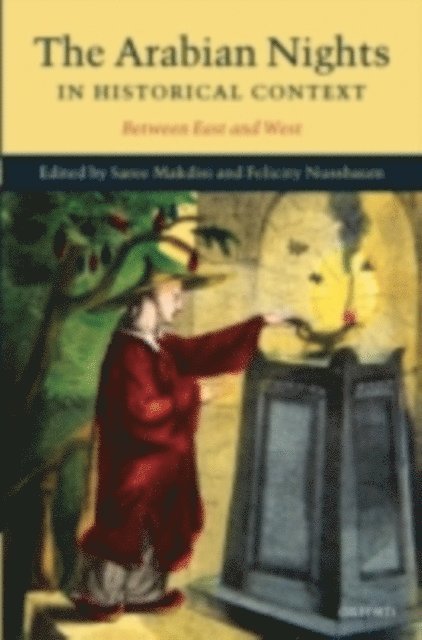
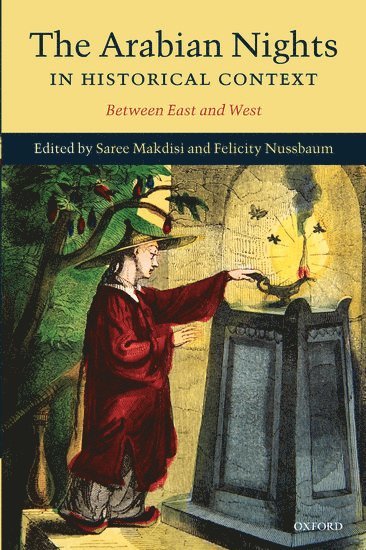
Alf layla wa layla (known in English as A Thousand and One Nights or The Arabian Nights) changed the world on a scale unrivalled by any other literary text. Inspired by a fourteenth-century Syrian manuscript, the appearance of Antoine Galland's twelve-volume Mille et Une Nuits in English translation (1704-1717), closely followed by the Grub Street English edition, drew the text into European circulation. Over the following three hundred years, a widely heterogeneous series of editions, compilations, translations, and variations circled the globe to reveal the absorption of The Arabian Nights into English, Continental, and global literatures, and its transformative return to modern Arabic literature, where it now enjoys a degree of prominence that it had never attained during the classical period. Beginning with a thorough introduction situating The Arabian Nights in its historical and cultural contexts-and offering a fresh examination of the text's multiple locations in the long history of modern Orientalism--this collection of essays by noted scholars from 'East', 'West', and in-between reassesses the influence of the Nights in Enlightenment and Romantic literature, as well as the text's vigorous after-life in the contemporary Arabic novel.
380 kr
Skickas inom 7-10 vardagar
"Defects" brings together essays on the emergence of the concept of monstrosity in the eighteenth century and the ways it paralleled the emergence of notions of sexual difference. Women, declared a mid-eighteenth-century vindication, have been regarded since Aristotle as deformed amphibious things, "neither more or less than Monsters" (Beauty's Triumph 1758). This alliance of monstrosity with misogyny, along with the definition of sexual difference as aberration, is the starting point for this volume's investigation of monstrosity's cultural work in the eighteenth century and its simultaneous mapping and troubling of the range of differences. This collection investigates the conceptual and geographical mapping of early modern and Enlightenment ideas of monstrosity onto a range of differences that contested established categories. The essays consider the representations and material dimensions of phenomena as diverse as femininity and disfigurement, the material imagination and monstrous birth, ugliness as an aesthetic category, deafness and theories of sign language, and the exotic, racialized deformed. Collectively, they demonstrate that the emergence of sexual difference is inextricably intertwined with the emergence of a category of the human that is imagined and deformed, monstrous, and ugly. Contributors include Barbara Benedict, Jill Campbell, Elizabeth Heckendorn Cook, Lennard Davis, Helen Deutsch, Robert Jones, Cora Kaplan, Nicholas Mirzoeff, Felicity Nussbaum, Stephen Pender, and Joel Reed.
Rival Queens
Actresses, Performance, and the Eighteenth-Century British Theater
Häftad, Engelska, 2013
436 kr
Skickas inom 10-15 vardagar
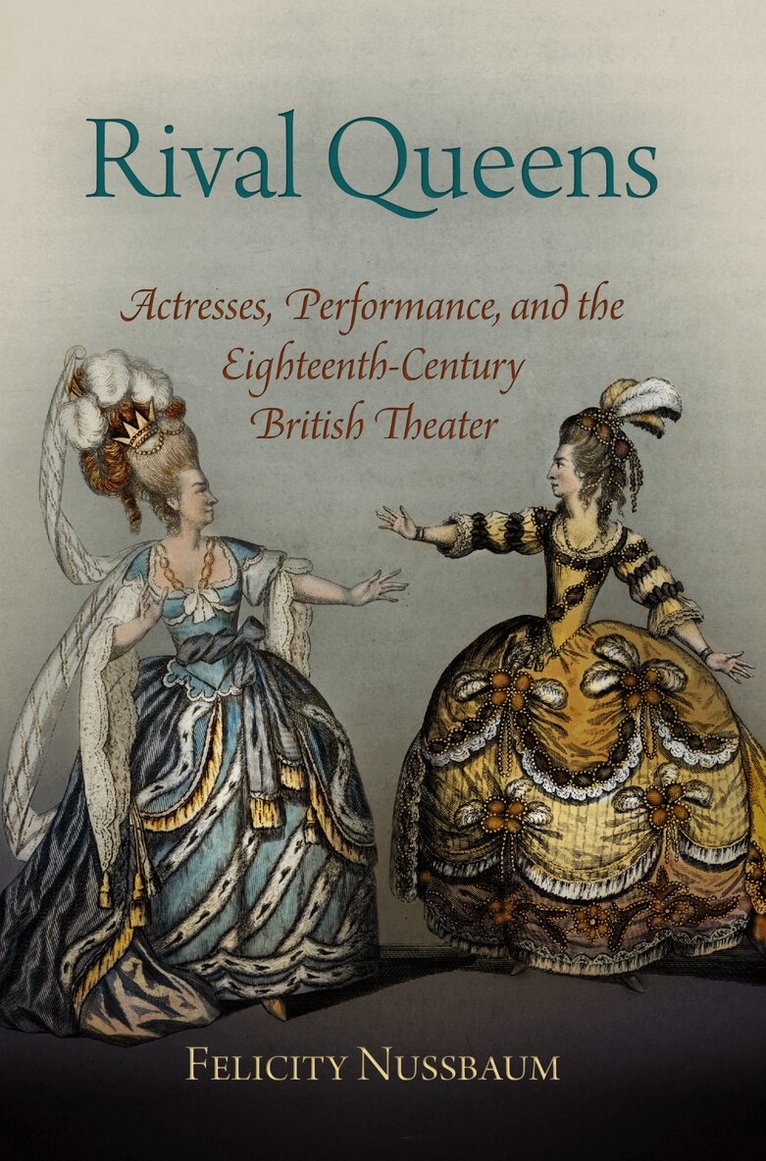
In eighteenth-century England, actresses were frequently dismissed as mere prostitutes trading on their sexual power rather than their talents. Yet they were, Felicity Nussbaum argues, central to the success of a newly commercial theater. Urban, recently moneyed, and thoroughly engaged with their audiences, celebrated actresses were among the first women to achieve social mobility, cultural authority, and financial independence. In fact, Nussbaum contends, the eighteenth century might well be called the "age of the actress" in the British theater, given women's influence on the dramatic repertory and, through it, on the definition of femininity.Treating individual star actresses who helped spark a cult of celebrity-especially Anne Oldfield, Susannah Cibber, Catherine Clive, Margaret Woffington, Frances Abington, and George Anne Bellamy-Rival Queens reveals the way these women animated issues of national identity, property, patronage, and fashion in the context of their dramatic performances. Actresses intentionally heightened their commercial appeal by catapulting the rivalries among themselves to center stage. They also boldly challenged in importance the actor-managers who have long dominated eighteenth-century theater history and criticism. Felicity Nussbaum combines an emphasis on the actresses themselves with close analysis of their diverse roles in works by major playwrights, including George Farquhar, Nicholas Rowe, Colley Cibber, Arthur Murphy, David Garrick, Isaac Bickerstaff, and Richard Sheridan. Hers is a comprehensive and original argument about the importance of actresses as the first modern subjects, actively shaping their public identities to make themselves into celebrated properties.
1 796 kr
Skickas inom 10-15 vardagar
First published in 1987, The New Eighteenth Century (now with a new preface by Felicity Nussbaum and Laura Brown) examines eighteenth century English literature’s resistance to the application of new theoretical approaches and presents new work by leading scholars which both challenges this resistance and demonstrates the usefulness of feminist, Marxist, new-historicist, and psychoanalytic approaches to the analysis of eighteenth-century texts.This book reinterprets and resituates canonical works (by such writers as Fielding, Goldsmith, and Sterne) but also explores areas and figures increasingly important to eighteenth-century study. It opens questions about the canon and about the nature of "canonicity" itself as it considers texts by women, working-class literature, guidebooks for bourgeois tourists, and aspects of the cultural and social terrain including problems of race and colonialism, capitalism, and penal institutions.The New Eighteenth Century not only provides new ways of looking at the literature of the period but serves as a model for future work in eighteenth-century studies.