Feras Hamza - Böcker
Visar alla böcker från författaren Feras Hamza. Handla med fri frakt och snabb leverans.
3 produkter
3 produkter
1 169 kr
Skickas inom 5-8 vardagar
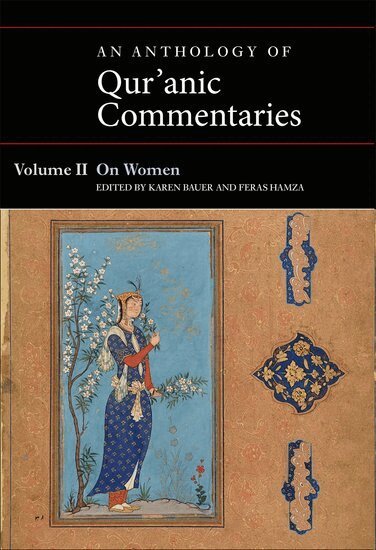
Building on the success of Anthology, Volume I: On the Nature of the Divine, this second volume in the series focuses on a critical and contentious theme: Women in the Qurʾan and traditional Qurʾanic commentaries. It comprises analysis of the female subject in the Qurʾan, annotated translations of Qurʾanic commentaries spanning twelve centuries, interviews of contemporary Muslim scholars and extensive introductory materials, which frame the work throughout and render these technically complex materials accessible to the reader. On Women begins with a critical introduction to the study of women and gender in the genre of Qurʾanic commentaries. A unique prolegomenon then follows key Qurʾanic terms in a chronological sequence, showing how the Qurʾan's world view on women developed from the earliest Meccan revelations, when women were addressed only implicitly as a part of households or in the course of anti-pagan polemic, to the period of the final revelations in Medina, when women were addressed directly as pious and social subjects. The remainder of the volume translates, critically annotates, and analyses interpretations of six select Qurʾanic verses on women. These verses, chosen because of their relevance to women's lived experience, speak of the creation of humankind beginning with a single soul (Q. 4:1); the exemplary figure of Mary, the mother of Jesus (Q. 3:35-6); women's status in marriage (Q. 4:34); women's legal testimony and hence legal capacity (Q. 2:282); and 'veiling' as it relates to Qurʾanic norms of modesty (Q. 24:31). While highlighting variation, continuity, and plurality in the genre of Qurʾanic commentaries, Volume II goes beyond medieval interpretive paradigms to include perspectives marginalised by that tradition, such as the voices of women themselves.
1 169 kr
Skickas inom 5-8 vardagar
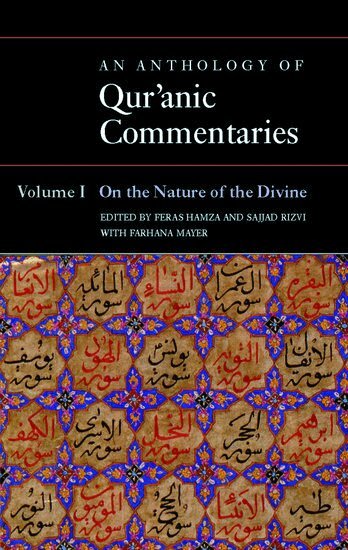
This pioneering volume, the first in a series, presents a plurality of voices, methods and concerns in Qur'anic interpretation ranging from the 8th century to the present day. No previous work has drawn on such a comprehensive range of commentaries and covered such a wide spectrum of theological approaches.On the Nature of the Divine analyses the works of twenty selected Sunni, Shi'i, Ibadi, Mu'tazili, and Sufi commentators on six Qur'anic verses, revealing varied approaches to the scripture and its meaning. In their attempts to discern God's nature, the commentators inevitably introduce their own particular theological concerns into their commentaries. Contextual introductions and annotated translations allow the reader to follow the genesis of key intellectual debates and religio-political attitudes still relevant to the lives of Muslims today. This combination of previously untranslated texts and extensive annotation provides an invaluable and innovative contribution to the field of Islamic studies.
1 314 kr
Skickas inom 5-8 vardagar
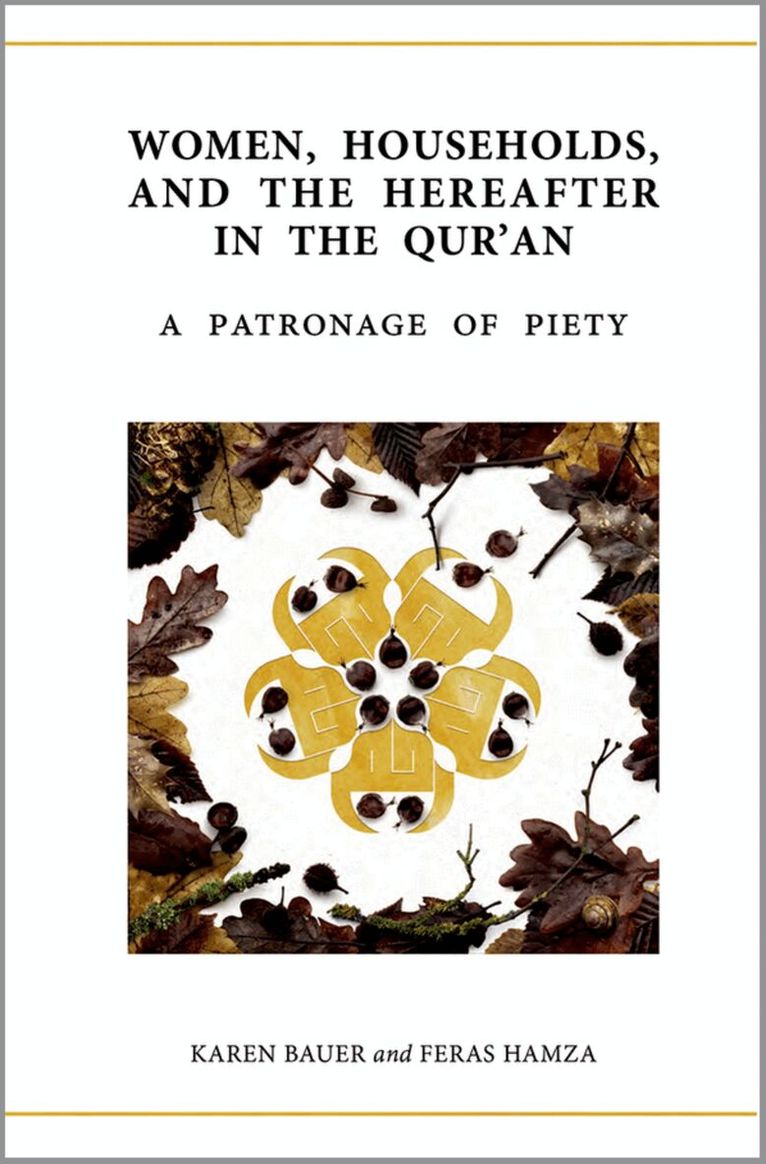
It is commonly understood that the Qur'an sought to transform social and religious practices in its seventh-century Arabian milieu. Yet the nature of that transformation is debated, especially as it relates to women, warfare, kinship and community. This book offers a fresh perspective by undertaking the first historical-critical study of all the Qur'an's verses on women, who were integral to this transformation, and by offering an initial overview of households and patronage — late antique social structures that took the place of formal state structures in the Qur'an's tribal milieu. The findings of this study call into question common approaches to Qur'anic theology, law, and narratives, to the nature of the early community, and to women's place in that community. Bauer and Hamza adopt a holistic method, which integrates aspects of the Qur'an that are commonly considered separately, showing, for instance, how stories act as precursors to law, with female characters acting as models for all believers. Concurrently, they highlight the Qur'an's egalitarian approach to moral agency in existing hierarchical social structures, which the Qur'an seeks to transform both by imposing a salvific frame on them, and by fashioning a community of households characterised by morality, decorum, and care of the vulnerable. This compelling and original work proposes new paradigms for understanding the Qur'an's social milieu and its salvific vision for that world.