Fernando Checa Cremades – författare
Visar alla böcker från författaren . Handla med fri frakt och snabb leverans.
5 produkter
5 produkter
Häftad, Engelska, 2024
630 kr
Skickas inom 10-15 vardagar
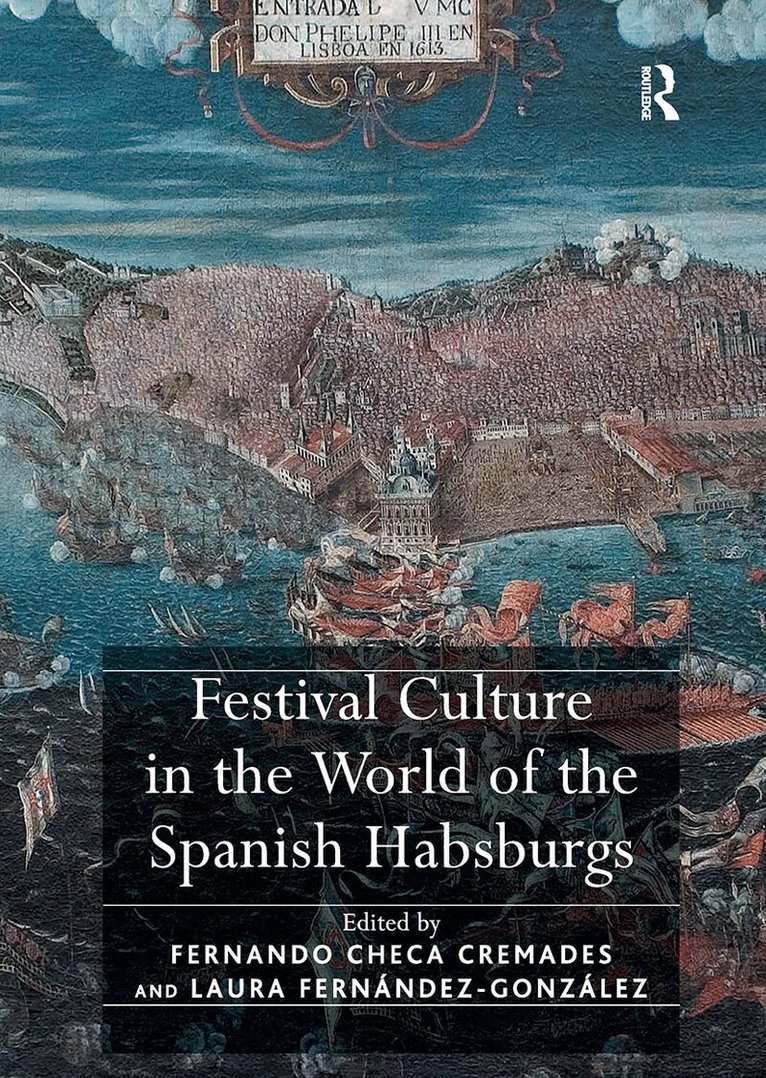
In recent years, there has been an increasing interest in Early Modern Festivals. These spectacles articulated the self-image of ruling elites and played out the tensions of the diverse social strata. Responding to the growing academic interest in festivals this volume focuses on the early modern Iberian world, in particular the spectacles staged by and for the Spanish Habsburgs. The study of early modern Iberian festival culture in Europe and the wider world is surprisingly limited compared to the published works devoted to other kingdoms at the time. There is a clear need for scholarly publications to examine festivals as a vehicle for the presence of Spanish culture beyond territorial boundaries. The present books responds to this shortcoming. Festivals and ceremonials played a major role in the Spanish world; through them local identities as well as a common Spanish culture made their presence manifest within and beyond the peninsula through ephemeral displays, music and print. Local communities often conflated their symbols of identity with religious images and representations of the Spanish monarchy. The festivals (fiestas in Spanish) materialized the presence of the Spanish diaspora in other European realms. Royal funerals and proclamations served to establish kingly presence in distant and not so distant lands. The socio-political, religious and cultural nuances that were an intrinsic part of the territories of the empire were magnified and celebrated in the Spanish festivals in Europe, Iberia and overseas viceroyalties. Following a foreword and an introduction the remaining 12 chapters are divided up into four sections. The first explores Habsburg Visual culture at court and its relationship with the creation of a language of triumph and the use of tapestries in festivals. The second part examines triumphal entries in Madrid, Lisbon, Cremona, Milan, Pavia and the New World; the third deals with the relationship between religion and the empire through the examination of royal funerals, hagiography and calendric celebrations. The fourth part of the book explores cultural, artistic and musical exchange in Naples and Rome. Taken together these essays contribute further to our growing appreciation of the importance of early-modern festival culture in general, and their significance in the world of the Spanish Habsburgs in particular.
E-bok
Engelska, 2016745 kr
Läs direkt efter köp
In recent years, there has been an increasing interest in Early Modern Festivals. These spectacles articulated the self-image of ruling elites and played out the tensions of the diverse social strata. Responding to the growing academic interest in festivals this volume focuses on the early modern Iberian world, in particular the spectacles staged by and for the Spanish Habsburgs. The study of early modern Iberian festival culture in Europe and the wider world is surprisingly limited compared to the published works devoted to other kingdoms at the time. There is a clear need for scholarly publications to examine festivals as a vehicle for the presence of Spanish culture beyond territorial boundaries. The present books responds to this shortcoming. Festivals and ceremonials played a major role in the Spanish world; through them local identities as well as a common Spanish culture made their presence manifest within and beyond the peninsula through ephemeral displays, music and print. Local communities often conflated their symbols of identity with religious images and representations of the Spanish monarchy. The festivals (fiestas in Spanish) materialized the presence of the Spanish diaspora in other European realms. Royal funerals and proclamations served to establish kingly presence in distant and not so distant lands. The socio-political, religious and cultural nuances that were an intrinsic part of the territories of the empire were magnified and celebrated in the Spanish festivals in Europe, Iberia and overseas viceroyalties. Following a foreword and an introduction the remaining 12 chapters are divided up into four sections. The first explores Habsburg Visual culture at court and its relationship with the creation of a language of triumph and the use of tapestries in festivals. The second part examines triumphal entries in Madrid, Lisbon, Cremona, Milan, Pavia and the New World; the third deals with the relationship between religion and the empire through the examination of royal funerals, hagiography and calendric celebrations. The fourth part of the book explores cultural, artistic and musical exchange in Naples and Rome. Taken together these essays contribute further to our growing appreciation of the importance of early-modern festival culture in general, and their significance in the world of the Spanish Habsburgs in particular.
E-bok
PDF, Engelska, 2016745 kr
Läs direkt efter köp
In recent years, there has been an increasing interest in Early Modern Festivals. These spectacles articulated the self-image of ruling elites and played out the tensions of the diverse social strata. Responding to the growing academic interest in festivals this volume focuses on the early modern Iberian world, in particular the spectacles staged by and for the Spanish Habsburgs. The study of early modern Iberian festival culture in Europe and the wider world is surprisingly limited compared to the published works devoted to other kingdoms at the time. There is a clear need for scholarly publications to examine festivals as a vehicle for the presence of Spanish culture beyond territorial boundaries. The present books responds to this shortcoming. Festivals and ceremonials played a major role in the Spanish world; through them local identities as well as a common Spanish culture made their presence manifest within and beyond the peninsula through ephemeral displays, music and print. Local communities often conflated their symbols of identity with religious images and representations of the Spanish monarchy. The festivals (fiestas in Spanish) materialized the presence of the Spanish diaspora in other European realms. Royal funerals and proclamations served to establish kingly presence in distant and not so distant lands. The socio-political, religious and cultural nuances that were an intrinsic part of the territories of the empire were magnified and celebrated in the Spanish festivals in Europe, Iberia and overseas viceroyalties. Following a foreword and an introduction the remaining 12 chapters are divided up into four sections. The first explores Habsburg Visual culture at court and its relationship with the creation of a language of triumph and the use of tapestries in festivals. The second part examines triumphal entries in Madrid, Lisbon, Cremona, Milan, Pavia and the New World; the third deals with the relationship between religion and the empire through the examination of royal funerals, hagiography and calendric celebrations. The fourth part of the book explores cultural, artistic and musical exchange in Naples and Rome. Taken together these essays contribute further to our growing appreciation of the importance of early-modern festival culture in general, and their significance in the world of the Spanish Habsburgs in particular.
Inbunden, Engelska, 2015
2 497 kr
Skickas inom 10-15 vardagar
In recent years, there has been an increasing interest in Early Modern Festivals. These spectacles articulated the self-image of ruling elites and played out the tensions of the diverse social strata. Responding to the growing academic interest in festivals this volume focuses on the early modern Iberian world, in particular the spectacles staged by and for the Spanish Habsburgs. The study of early modern Iberian festival culture in Europe and the wider world is surprisingly limited compared to the published works devoted to other kingdoms at the time. There is a clear need for scholarly publications to examine festivals as a vehicle for the presence of Spanish culture beyond territorial boundaries. The present books responds to this shortcoming. Festivals and ceremonials played a major role in the Spanish world; through them local identities as well as a common Spanish culture made their presence manifest within and beyond the peninsula through ephemeral displays, music and print. Local communities often conflated their symbols of identity with religious images and representations of the Spanish monarchy. The festivals (fiestas in Spanish) materialized the presence of the Spanish diaspora in other European realms. Royal funerals and proclamations served to establish kingly presence in distant and not so distant lands. The socio-political, religious and cultural nuances that were an intrinsic part of the territories of the empire were magnified and celebrated in the Spanish festivals in Europe, Iberia and overseas viceroyalties. Following a foreword and an introduction the remaining 12 chapters are divided up into four sections. The first explores Habsburg Visual culture at court and its relationship with the creation of a language of triumph and the use of tapestries in festivals. The second part examines triumphal entries in Madrid, Lisbon, Cremona, Milan, Pavia and the New World; the third deals with the relationship between religion and the empire through the examination of royal funerals, hagiography and calendric celebrations. The fourth part of the book explores cultural, artistic and musical exchange in Naples and Rome. Taken together these essays contribute further to our growing appreciation of the importance of early-modern festival culture in general, and their significance in the world of the Spanish Habsburgs in particular.
Inbunden, Engelska, 2024
803 kr
Skickas inom 7-10 vardagar
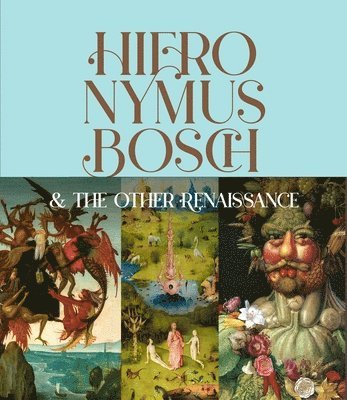
A groundbreaking, richly illustrated art history volume that rewrites the conventional narrative of the Renaissance by focusing on the era's dark, surreal, and monstrous imagination.When we think of the Renaissance, we recall harmony, humanism, and classical perfection. But what about the nightmares?This essential book dives deep into the unsettling, fantastic world of Hieronymus Bosch—the enigmatic master of monsters—and argues that his dark vision was not an anomaly, but a vital, vibrant thread running through the art and culture of the 16th century.This is a must-have volume for art historians, students of the grotesque, and anyone who appreciates the dark, complex, and beautiful side of historical art. It is the definitive guide to understanding the other Renaissance—the one defined by devils, demons, and dreams.The Unseen Renaissance:Beyond the Ideal: Explore how artists across Europe—including contemporaries of Raphael and Michelangelo—were captivated by the grotesque, the satirical, and the terrifying, often using monsters and strange creatures to express moral, social, and political anxieties.Bosch's Enduring Legacy: Analyze the profound influence of Bosch’s apocalyptic visions and nightmarish hellscapes, particularly The Garden of Earthly Delights, on subsequent generations of painters, printmakers, and artisans.The Power of the Print: Discover the crucial role of printmaking in spreading these fantastic images—from demonic folklore to fantastical hybrids—to a wider audience than ever before, capturing the popular imagination for centuries.A New Context for the Grotesque: The book draws on theology, folklore, and emerging science to place these visual horrors in their proper historical and intellectual context, revealing why these creatures held such fascination for the minds of the period.