Laura Fernández-González – författare
Visar alla böcker från författaren . Handla med fri frakt och snabb leverans.
7 produkter
7 produkter
Inbunden, Engelska, 2021
466 kr
Skickas inom 5-8 vardagar
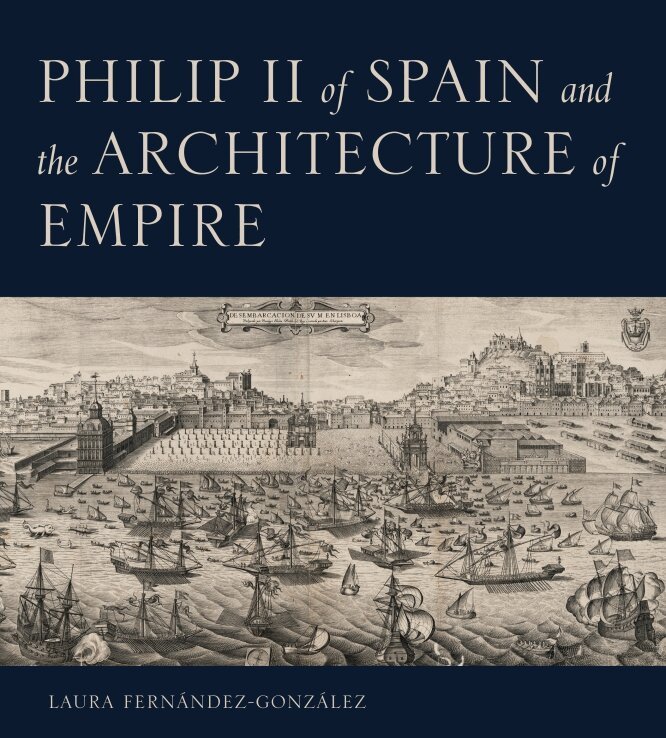
Philip II of Spain was a major patron of the arts, best known for his magnificent palace and royal mausoleum at the Monastery of San Lorenzo of El Escorial. However, neither the king’s monastery nor his collections fully convey the rich artistic landscape of early modern Iberia. In this book, Laura Fernández-González examines Philip’s architectural and artistic projects, placing them within the wider context of Europe and the transoceanic Iberian dominions.Philip II of Spain and the Architecture of Empire investigates ideas of empire and globalization in the art and architecture of the Iberian world during the sixteenth century, a time when the Spanish Empire was one of the largest in the world. Fernández-González illuminates Philip’s use of building regulations to construct an imperial city in Madrid and highlights the importance of his transformation of the Simancas fortress into an archive. She analyzes the refashioning of his imperial image upon his ascension to the Portuguese throne and uses the Hall of Battles in El Escorial as a lens through which to understand visual culture, history writing, and Philip’s kingly image as it was reflected in the funeral commemorations mourning his death across the Iberian world. Positioning Philip’s art and architectural programs within the wider cultural context of politics, legislation, religion, and theoretical trends, Fernández-González shows how design and images traveled across the Iberian world and provides a nuanced assessment of Philip’s role in influencing them. Original and important, this panoramic work will have a lasting impact on Philip II’s artistic legacy. Art historians and scholars of Iberia and sixteenth-century history will especially value Fernández-González’s research.
Inbunden, Engelska, 2026
2 375 kr
Kommande
Public Rituals charts the study of public rituals in the Portuguese Empire between 1498 and 1822 approximately, with a view to introducing both new and seasoned readers to the contexts, sources, problems and future opportunities of such a study.Readers will gain a comprehensive understanding of how public rituals functioned within the polycentric Portuguese Empire through carefully curated case studies spanning multiple continents. Public Rituals in the Portuguese Empires responds to and considerably expands the scope and ambitions of the existing literature in the field. The book introduces both foundational contexts and cutting-edge scholarship, providing access to primary sources, methodological approaches, and critical problems in the field while identifying future research opportunities. By problematizing the expansive geographical reach of Portuguese imperial ceremonies, this edited collection expands significantly beyond existing literature to offer fresh perspectives on how rituals operated as instruments of governance, religious expression, and social cohesion across distant territories.The book will appeal not only to scholars of the Portuguese empire or the Iberian world, but also to any reader interested in early modern public rituals or festival culture across several regions of the early modern world.
Häftad, Engelska, 2024
632 kr
Skickas inom 10-15 vardagar
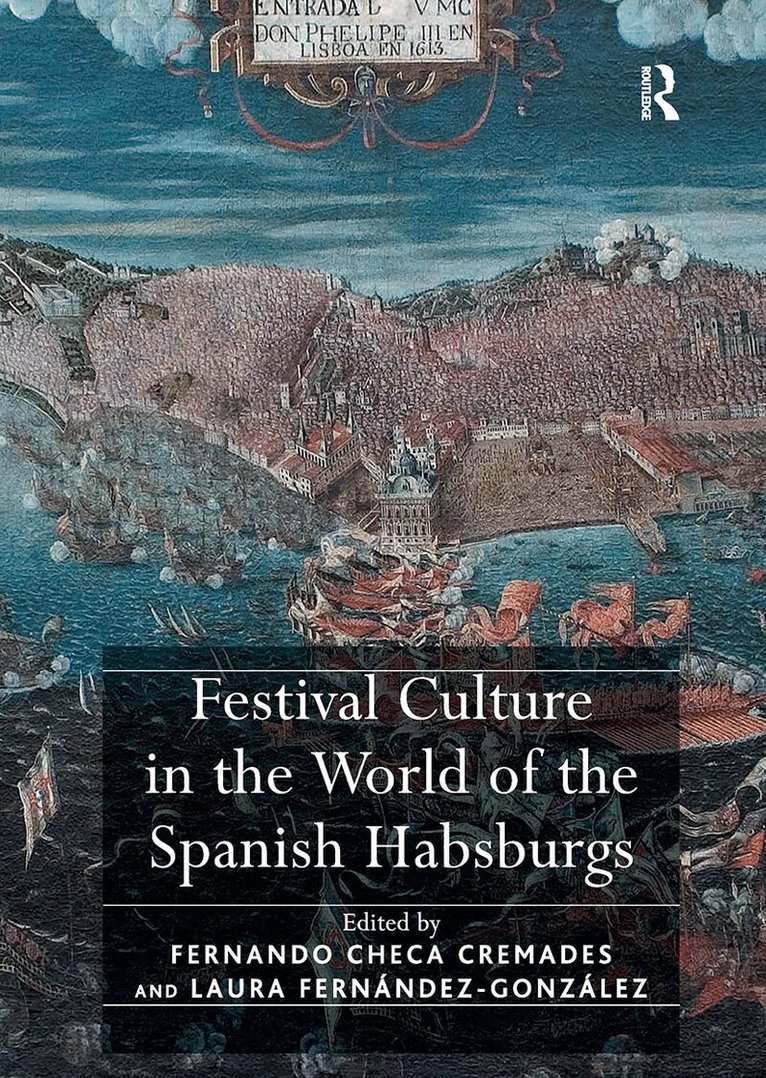
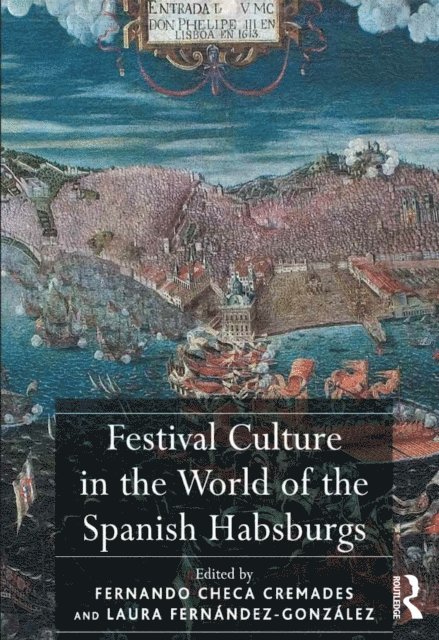
In recent years, there has been an increasing interest in Early Modern Festivals. These spectacles articulated the self-image of ruling elites and played out the tensions of the diverse social strata. Responding to the growing academic interest in festivals this volume focuses on the early modern Iberian world, in particular the spectacles staged by and for the Spanish Habsburgs. The study of early modern Iberian festival culture in Europe and the wider world is surprisingly limited compared to the published works devoted to other kingdoms at the time. There is a clear need for scholarly publications to examine festivals as a vehicle for the presence of Spanish culture beyond territorial boundaries. The present books responds to this shortcoming. Festivals and ceremonials played a major role in the Spanish world; through them local identities as well as a common Spanish culture made their presence manifest within and beyond the peninsula through ephemeral displays, music and print. Local communities often conflated their symbols of identity with religious images and representations of the Spanish monarchy. The festivals (fiestas in Spanish) materialized the presence of the Spanish diaspora in other European realms. Royal funerals and proclamations served to establish kingly presence in distant and not so distant lands. The socio-political, religious and cultural nuances that were an intrinsic part of the territories of the empire were magnified and celebrated in the Spanish festivals in Europe, Iberia and overseas viceroyalties. Following a foreword and an introduction the remaining 12 chapters are divided up into four sections. The first explores Habsburg Visual culture at court and its relationship with the creation of a language of triumph and the use of tapestries in festivals. The second part examines triumphal entries in Madrid, Lisbon, Cremona, Milan, Pavia and the New World; the third deals with the relationship between religion and the empire through the examination of royal funerals, hagiography and calendric celebrations. The fourth part of the book explores cultural, artistic and musical exchange in Naples and Rome. Taken together these essays contribute further to our growing appreciation of the importance of early-modern festival culture in general, and their significance in the world of the Spanish Habsburgs in particular.
E-bok
Engelska, 2016745 kr
Läs direkt efter köp
In recent years, there has been an increasing interest in Early Modern Festivals. These spectacles articulated the self-image of ruling elites and played out the tensions of the diverse social strata. Responding to the growing academic interest in festivals this volume focuses on the early modern Iberian world, in particular the spectacles staged by and for the Spanish Habsburgs. The study of early modern Iberian festival culture in Europe and the wider world is surprisingly limited compared to the published works devoted to other kingdoms at the time. There is a clear need for scholarly publications to examine festivals as a vehicle for the presence of Spanish culture beyond territorial boundaries. The present books responds to this shortcoming. Festivals and ceremonials played a major role in the Spanish world; through them local identities as well as a common Spanish culture made their presence manifest within and beyond the peninsula through ephemeral displays, music and print. Local communities often conflated their symbols of identity with religious images and representations of the Spanish monarchy. The festivals (fiestas in Spanish) materialized the presence of the Spanish diaspora in other European realms. Royal funerals and proclamations served to establish kingly presence in distant and not so distant lands. The socio-political, religious and cultural nuances that were an intrinsic part of the territories of the empire were magnified and celebrated in the Spanish festivals in Europe, Iberia and overseas viceroyalties. Following a foreword and an introduction the remaining 12 chapters are divided up into four sections. The first explores Habsburg Visual culture at court and its relationship with the creation of a language of triumph and the use of tapestries in festivals. The second part examines triumphal entries in Madrid, Lisbon, Cremona, Milan, Pavia and the New World; the third deals with the relationship between religion and the empire through the examination of royal funerals, hagiography and calendric celebrations. The fourth part of the book explores cultural, artistic and musical exchange in Naples and Rome. Taken together these essays contribute further to our growing appreciation of the importance of early-modern festival culture in general, and their significance in the world of the Spanish Habsburgs in particular.
E-bok
PDF, Engelska, 2016745 kr
Läs direkt efter köp
In recent years, there has been an increasing interest in Early Modern Festivals. These spectacles articulated the self-image of ruling elites and played out the tensions of the diverse social strata. Responding to the growing academic interest in festivals this volume focuses on the early modern Iberian world, in particular the spectacles staged by and for the Spanish Habsburgs. The study of early modern Iberian festival culture in Europe and the wider world is surprisingly limited compared to the published works devoted to other kingdoms at the time. There is a clear need for scholarly publications to examine festivals as a vehicle for the presence of Spanish culture beyond territorial boundaries. The present books responds to this shortcoming. Festivals and ceremonials played a major role in the Spanish world; through them local identities as well as a common Spanish culture made their presence manifest within and beyond the peninsula through ephemeral displays, music and print. Local communities often conflated their symbols of identity with religious images and representations of the Spanish monarchy. The festivals (fiestas in Spanish) materialized the presence of the Spanish diaspora in other European realms. Royal funerals and proclamations served to establish kingly presence in distant and not so distant lands. The socio-political, religious and cultural nuances that were an intrinsic part of the territories of the empire were magnified and celebrated in the Spanish festivals in Europe, Iberia and overseas viceroyalties. Following a foreword and an introduction the remaining 12 chapters are divided up into four sections. The first explores Habsburg Visual culture at court and its relationship with the creation of a language of triumph and the use of tapestries in festivals. The second part examines triumphal entries in Madrid, Lisbon, Cremona, Milan, Pavia and the New World; the third deals with the relationship between religion and the empire through the examination of royal funerals, hagiography and calendric celebrations. The fourth part of the book explores cultural, artistic and musical exchange in Naples and Rome. Taken together these essays contribute further to our growing appreciation of the importance of early-modern festival culture in general, and their significance in the world of the Spanish Habsburgs in particular.
Inbunden, Engelska, 2015
2 508 kr
Skickas inom 10-15 vardagar
In recent years, there has been an increasing interest in Early Modern Festivals. These spectacles articulated the self-image of ruling elites and played out the tensions of the diverse social strata. Responding to the growing academic interest in festivals this volume focuses on the early modern Iberian world, in particular the spectacles staged by and for the Spanish Habsburgs. The study of early modern Iberian festival culture in Europe and the wider world is surprisingly limited compared to the published works devoted to other kingdoms at the time. There is a clear need for scholarly publications to examine festivals as a vehicle for the presence of Spanish culture beyond territorial boundaries. The present books responds to this shortcoming. Festivals and ceremonials played a major role in the Spanish world; through them local identities as well as a common Spanish culture made their presence manifest within and beyond the peninsula through ephemeral displays, music and print. Local communities often conflated their symbols of identity with religious images and representations of the Spanish monarchy. The festivals (fiestas in Spanish) materialized the presence of the Spanish diaspora in other European realms. Royal funerals and proclamations served to establish kingly presence in distant and not so distant lands. The socio-political, religious and cultural nuances that were an intrinsic part of the territories of the empire were magnified and celebrated in the Spanish festivals in Europe, Iberia and overseas viceroyalties. Following a foreword and an introduction the remaining 12 chapters are divided up into four sections. The first explores Habsburg Visual culture at court and its relationship with the creation of a language of triumph and the use of tapestries in festivals. The second part examines triumphal entries in Madrid, Lisbon, Cremona, Milan, Pavia and the New World; the third deals with the relationship between religion and the empire through the examination of royal funerals, hagiography and calendric celebrations. The fourth part of the book explores cultural, artistic and musical exchange in Naples and Rome. Taken together these essays contribute further to our growing appreciation of the importance of early-modern festival culture in general, and their significance in the world of the Spanish Habsburgs in particular.
Inbunden, Engelska, 2023
1 611 kr
Skickas inom 11-20 vardagar