Fernando Ruchesi – författare
Visar alla böcker från författaren Fernando Ruchesi. Handla med fri frakt och snabb leverans.
5 produkter
5 produkter
E-bok
PDF, Engelska, 2025769 kr
Läs direkt efter köp
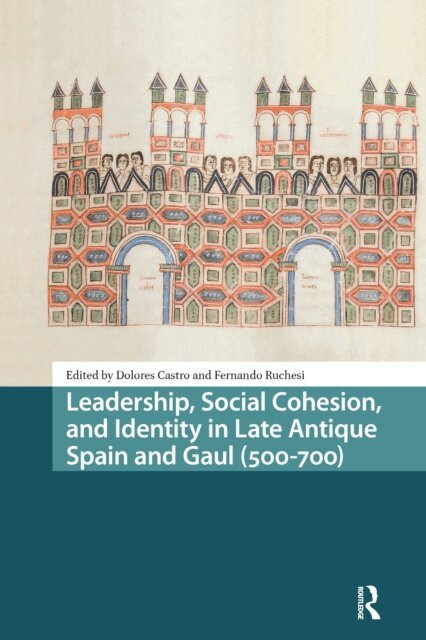
The replacement of the Roman Empire in the West with emerging kingdoms like Visigothic Spain and Merovingian Gaul resulted in new societies, but without major population displacement. Societies changed because identities shifted and new points of cohesion formed under different leaders and leadership structures. This volume examines two kingdoms in the post-Roman west to understand how this process took shape. Though exhibiting striking continuities with the Roman past, Gaul and Spain emerged as distinctive, but not isolated, political entities that forged different strategies and drew upon different resources to strengthen their unity, shape social ties, and consolidate their political status.
E-bok
Engelska, 2025797 kr
Läs direkt efter köp
The replacement of the Roman Empire in the West with emerging kingdoms like Visigothic Spain and Merovingian Gaul resulted in new societies, but without major population displacement. Societies changed because identities shifted and new points of cohesion formed under different leaders and leadership structures. This volume examines two kingdoms in the post-Roman west to understand how this process took shape. Though exhibiting striking continuities with the Roman past, Gaul and Spain emerged as distinctive, but not isolated, political entities that forged different strategies and drew upon different resources to strengthen their unity, shape social ties, and consolidate their political status.
Häftad, Engelska, 2025
675 kr
Skickas inom 10-15 vardagar
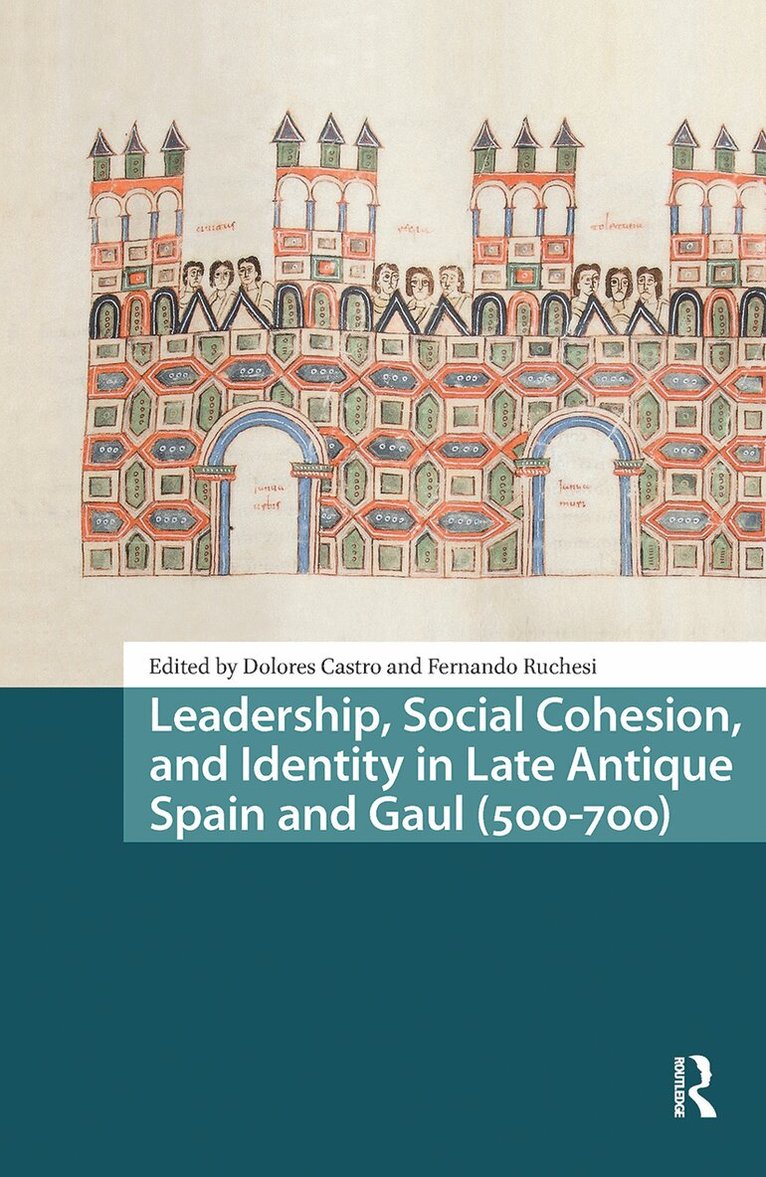
The replacement of the Roman Empire in the West with emerging kingdoms like Visigothic Spain and Merovingian Gaul resulted in new societies, but without major population displacement. Societies changed because identities shifted and new points of cohesion formed under different leaders and leadership structures. This volume examines two kingdoms in the post-Roman west to understand how this process took shape. Though exhibiting striking continuities with the Roman past, Gaul and Spain emerged as distinctive, but not isolated, political entities that forged different strategies and drew upon different resources to strengthen their unity, shape social ties, and consolidate their political status.
E-bok
Spanska, 202349 kr
Läs direkt efter köp
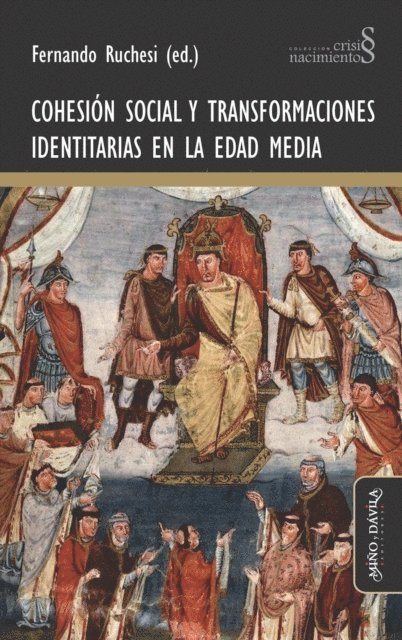
Los trabajos reunidos en este volumen buscan caracterizar los procesos de construcción de cohesión social y la influencia que tuvieron en los cambios políticos, sociales y culturales acaecidos en las etapas históricas mencionadas, tanto en Europa Occidental como en Bizancio y el Oriente Próximo. Durante las últimas décadas, los estudios sobre Antigüedad tardía y Temprana Edad Media experimentaron un auge, especialmente en lo que respecta a las cuestiones de identidad, solidaridad y cohesión. Varias de esas investigaciones se enfocaron, entonces, en los cambios que afectaron a la identidad romana, como también en los modos en que los bárbaros se integraron al mundo mediterráneo, y la pars orientalis del imperio se amoldaba a las transformaciones que generaron los procesos mencionados. Este volumen pretende analizar el funcionamiento de las categorías de cohesión social e identidad en la Antigüedad tardía y la Temprana Edad Media. De tal manera, las contribuciones reunidas en este compendio buscan indagar acerca de cómo estas nociones eran entendidas por los autores de la época. Asimismo, los trabajos procuran caracterizar los procesos de construcción de cohesión social y la influencia que tuvieron en los cambios políticos, sociales y culturales acaecidos en las etapas históricas mencionadas, tanto en Europa Occidental como en Bizancio y el Oriente Próximo. Así, para llevar a cabo esta tarea se recurrió a los siguientes interrogantes: ¿Cómo construían cohesión los grupos gobernantes?, ¿cómo lo hacían aquellos que no pertenecían a los sectores de poder?, las identidades y sus aspectos relacionados: ¿tenían relación con la construcción de cohesión? En tal caso, ¿cómo influían estos factores en dichos procesos?, ¿y cómo eran caracterizados en las fuentes del período? Escriben: Bárbara García Contrera, Fernando Ruchesi, Héctor Francisco, Victoria Casamiquela Gerhold, Emilio Nicolás Antonio Vallejos Zacarías, Vinicius Cesar Dreger de Araujo, Francesco Borri.
Del 11 - Late Antique and Early Medieval Iberia
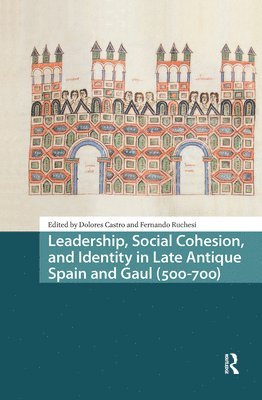
Leadership, Social Cohesion, and Identity in Late Antique Spain and Gaul (500-700)
Inbunden, Engelska, 2023
1 896 kr
Skickas inom 10-15 vardagar
The replacement of the Roman Empire in the West with emerging kingdoms like Visigothic Spain and Merovingian Gaul resulted in new societies, but without major population displacement. Societies changed because identities shifted and new points of cohesion formed under different leaders and leadership structures. This volume examines two kingdoms in the post-Roman west to understand how this process took shape. Though exhibiting striking continuities with the Roman past, Gaul and Spain emerged as distinctive, but not isolated, political entities that forged different strategies and drew upon different resources to strengthen their unity, shape social ties, and consolidate their political status.