Filip Slaveski - Böcker
Visar alla böcker från författaren Filip Slaveski. Handla med fri frakt och snabb leverans.
6 produkter
6 produkter
Del 86 - Harvard Series in Ukrainian Studies
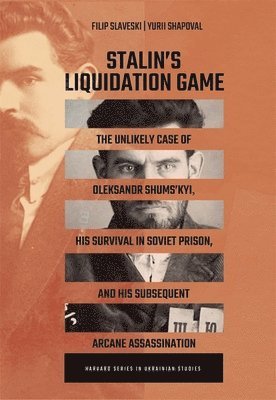
Stalin’s Liquidation Game
The Unlikely Case of Oleksandr Shums'kyi, His Survival in Soviet Prison, and His Subsequent Arcane Assassination
Inbunden, Engelska, 2025
548 kr
Skickas inom 7-10 vardagar
Millions of innocent people were arrested in Stalin’s Soviet Union during the 1930s in different waves of mass repression. Under violent interrogation, many were forced to confess to crimes they did not commit. Rather than save their lives, as the interrogators had promised, confession was usually the last step to their execution. Very few of those arrested eventually refused to confess.Oleksandr Shums’kyi, the Ukrainian Marxist revolutionary, was one of the most important but least known of them. He not only refused to confess but sustained for over a decade a massive protest against his repression and the Stalinist attack on his country, Ukraine. Stalin punished him mercilessly in response, paralyzing him in jail and murdering his wife, but refrained from assassinating him for more than ten years.This book unravels the Shums’kyi riddle to explain why. In doing so, it opens a new window into understanding the history of Soviet repression and the Russian pathologies toward Ukrainian independence, which help us understand Russia’s current war against Ukraine.
Del 86 - Harvard Series in Ukrainian Studies
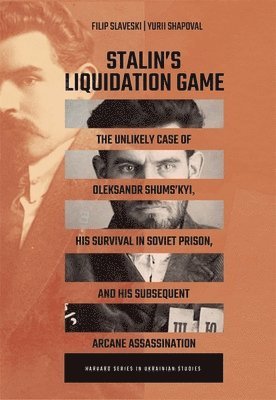
Stalin’s Liquidation Game
The Unlikely Case of Oleksandr Shums'kyi, His Survival in Soviet Prison, and His Subsequent Arcane Assassination
Häftad, Engelska, 2025
340 kr
Skickas inom 7-10 vardagar
Millions of innocent people were arrested in Stalin’s Soviet Union during the 1930s in different waves of mass repression. Under violent interrogation, many were forced to confess to crimes they did not commit. Rather than save their lives, as the interrogators had promised, confession was usually the last step to their execution. Very few of those arrested eventually refused to confess.Oleksandr Shums’kyi, the Ukrainian Marxist revolutionary, was one of the most important but least known of them. He not only refused to confess but sustained for over a decade a massive protest against his repression and the Stalinist attack on his country, Ukraine. Stalin punished him mercilessly in response, paralyzing him in jail and murdering his wife, but refrained from assassinating him for more than ten years.This book unravels the Shums’kyi riddle to explain why. In doing so, it opens a new window into understanding the history of Soviet repression and the Russian pathologies toward Ukrainian independence, which help us understand Russia’s current war against Ukraine.
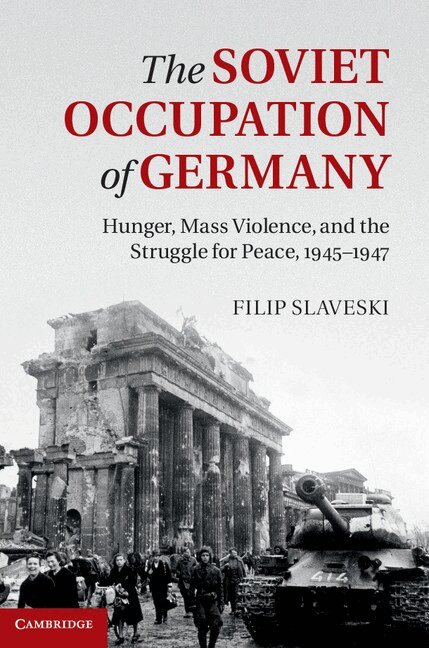
The Soviet Occupation of Germany
Hunger, Mass Violence and the Struggle for Peace, 1945-1947
Inbunden, Engelska, 2013
1 228 kr
Skickas inom 7-10 vardagar
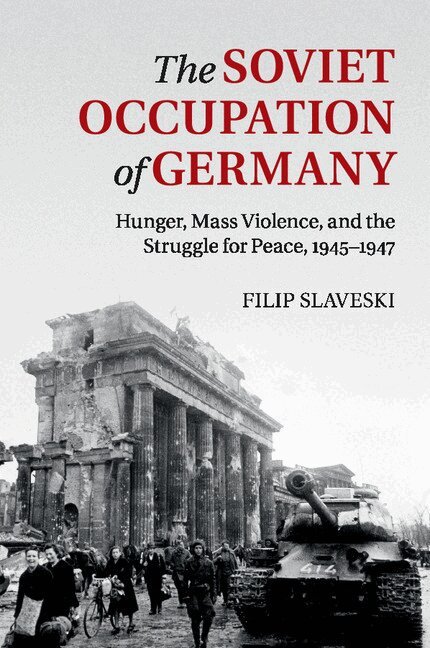
This is a major account of the Soviet occupation of postwar Germany and the beginning of the Cold War. Dr Filip Slaveski shows how in the immediate aftermath of war the Red Army command struggled to contain the violence of soldiers against German civilians and, at the same time, feed and rebuild the country. This task was then assumed by the Soviet Military Administration in Germany (SVAG) which was established to impose order on this chaos. Its attempt, however, intensified the battle for resources and power among competing occupation organs, especially SVAG and the army, which spilled over from threats and sabotage into fighting and shootouts in the streets. At times, such conflicts threatened to paralyse occupation governance, leaving armed troops, liberated POWs and slave labourers free to roam. SVAG's successes in reducing the violence and reconstructing eastern Germany were a remarkable achievement in the chaotic aftermath of war.
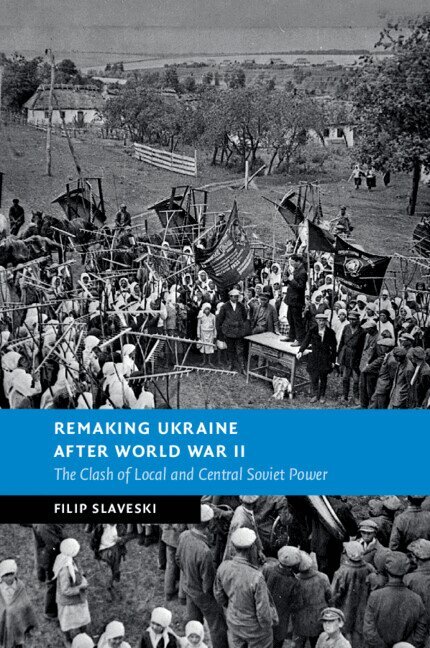
Remaking Ukraine after World War II
The Clash of Local and Central Soviet Power
Häftad, Engelska, 2024
360 kr
Skickas inom 7-10 vardagar
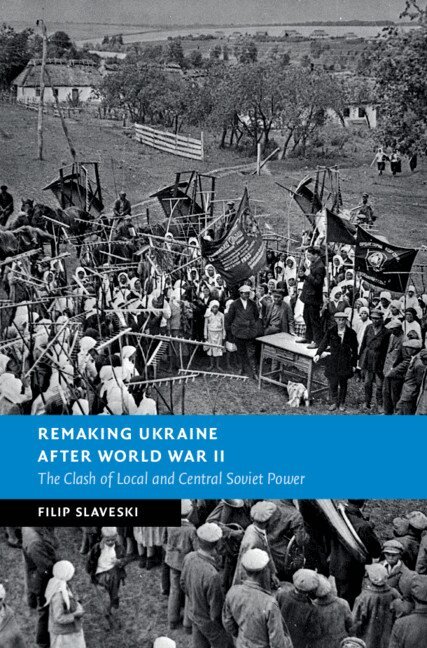
Ukraine was liberated from German wartime occupation by 1944 but remained prisoner to its consequences for much longer. This study examines Soviet Ukraine's transition from war to 'peace' in the long aftermath of World War II. Filip Slaveski explores the challenges faced by local Soviet authorities in reconstructing central Ukraine, including feeding rapidly growing populations in post-war famine. Drawing on recently declassified Soviet sources, Filip Slaveski traces the previously unknown bitter struggle for land, food and power among collective farmers at the bottom of the Soviet social ladder, local and central authorities. He reveals how local authorities challenged central ones for these resources in pursuit of their own vision of rebuilding central Ukraine, undermining the Stalinist policies they were supposed to implement and forsaking the farmers in the process. In so doing, Slaveski demonstrates how the consequences of this battle shaped post-war reconstruction, and continue to resonate in contemporary Ukraine, especially with the ordinary people caught in the middle.
Remaking Ukraine after World War II
The Clash of Local and Central Soviet Power
Inbunden, Engelska, 2021
1 133 kr
Skickas inom 7-10 vardagar
Ukraine was liberated from German wartime occupation by 1944 but remained prisoner to its consequences for much longer. This study examines Soviet Ukraine's transition from war to 'peace' in the long aftermath of World War II. Filip Slaveski explores the challenges faced by local Soviet authorities in reconstructing central Ukraine, including feeding rapidly growing populations in post-war famine. Drawing on recently declassified Soviet sources, Filip Slaveski traces the previously unknown bitter struggle for land, food and power among collective farmers at the bottom of the Soviet social ladder, local and central authorities. He reveals how local authorities challenged central ones for these resources in pursuit of their own vision of rebuilding central Ukraine, undermining the Stalinist policies they were supposed to implement and forsaking the farmers in the process. In so doing, Slaveski demonstrates how the consequences of this battle shaped post-war reconstruction, and continue to resonate in contemporary Ukraine, especially with the ordinary people caught in the middle.
The Soviet Occupation of Germany
Hunger, Mass Violence and the Struggle for Peace, 1945-1947
Häftad, Engelska, 2016
523 kr
Skickas inom 7-10 vardagar
This is a major account of the Soviet occupation of postwar Germany and the beginning of the Cold War. Dr Filip Slaveski shows how in the immediate aftermath of war the Red Army command struggled to contain the violence of soldiers against German civilians and, at the same time, feed and rebuild the country. This task was then assumed by the Soviet Military Administration in Germany (SVAG) which was established to impose order on this chaos. Its attempt, however, intensified the battle for resources and power among competing occupation organs, especially SVAG and the army, which spilled over from threats and sabotage into fighting and shootouts in the streets. At times, such conflicts threatened to paralyse occupation governance, leaving armed troops, liberated POWs and slave labourers free to roam. SVAG's successes in reducing the violence and reconstructing eastern Germany were a remarkable achievement in the chaotic aftermath of war.