Fiona McIntosh Varjabédian – författare
Visar alla böcker från författaren Fiona McIntosh Varjabédian. Handla med fri frakt och snabb leverans.
3 produkter
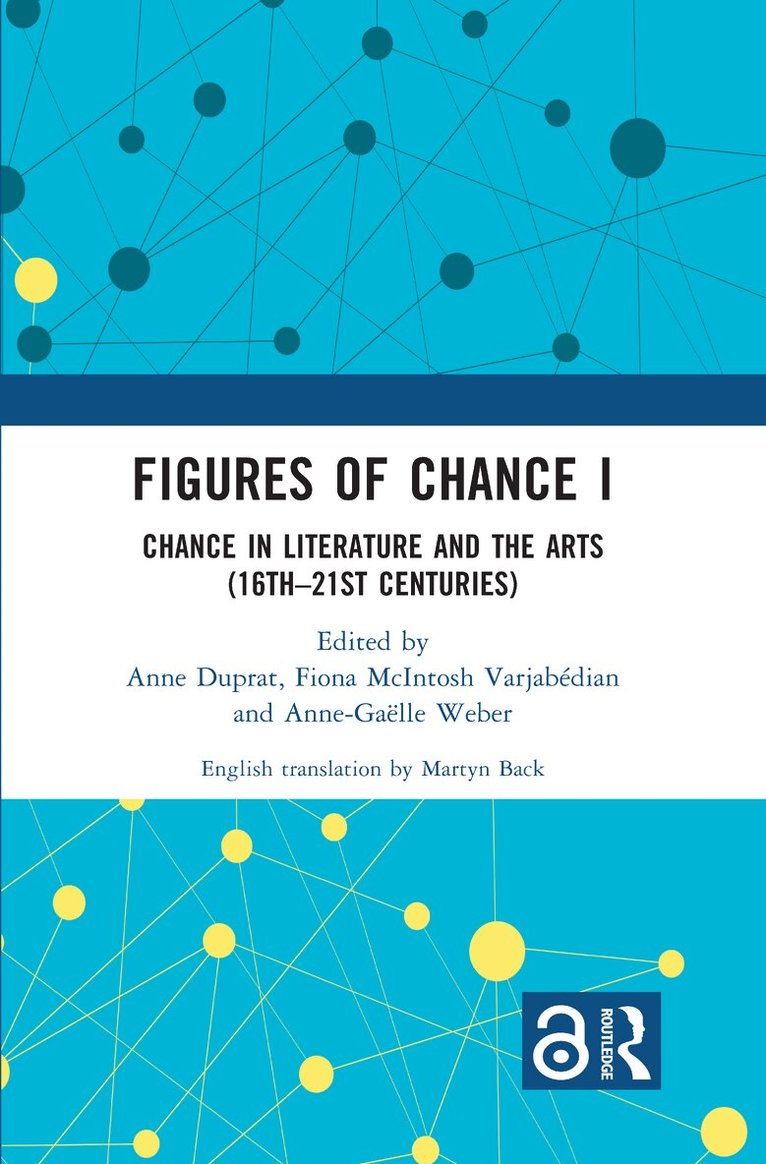
Figures of Chance I
Chance in Literature and the Arts (16th–21st Centuries)
Av Anne Duprat, Fiona McIntosh Varjabédian m. fl.
Inbunden, 2024
2886 kr
Lägg i varukorg
Figures of Chance I: Chance in Literature and the Arts (16th–21st Centuries) proposes a transhistorical analysis that will serve as a reference work on the evolution of literary and artistic representations of chance and contingency. Alongside its multidisciplinary companion volume (Figures of …
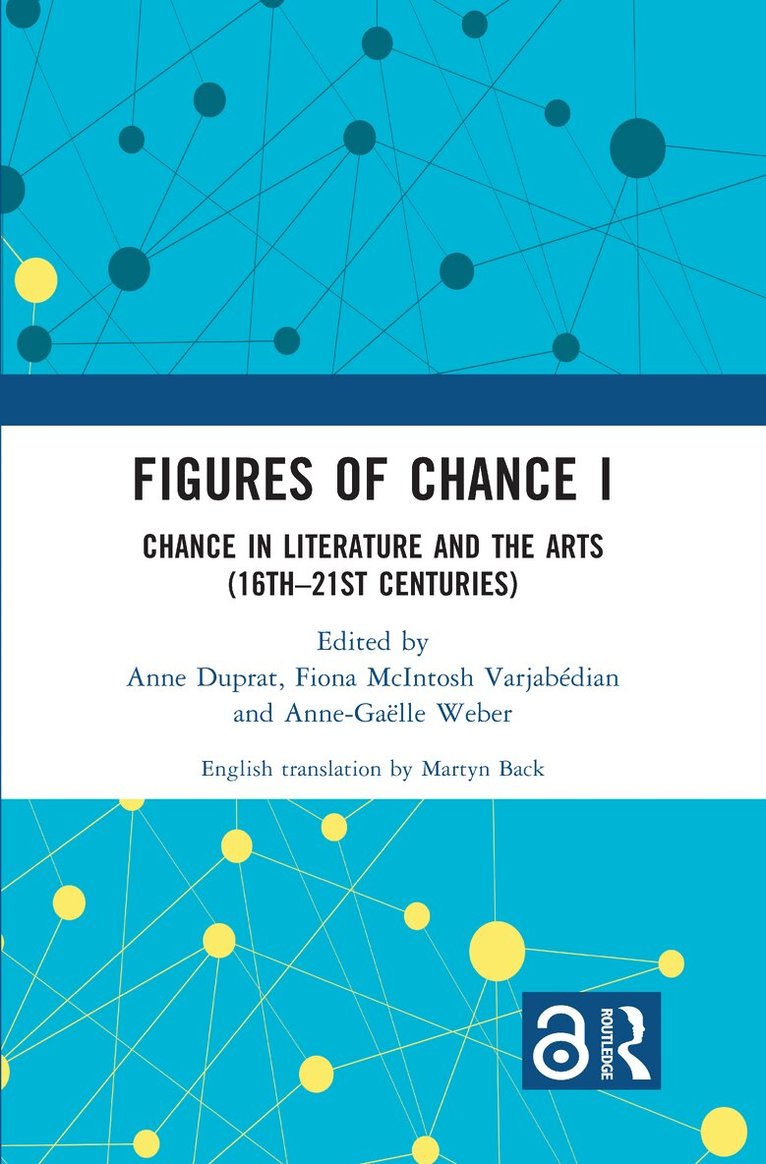
Figures of Chance I
Chance in Literature and the Arts (16th–21st Centuries)
Av Anne Duprat, Fiona McIntosh Varjabédian m. fl.
Häftad, 2025
811 kr
Lägg i varukorg
Figures of Chance I: Chance in Literature and the Arts (16th–21st Centuries) proposes a transhistorical analysis that will serve as a reference work on the evolution of literary and artistic representations of chance and contingency. Alongside its multidisciplinary companion volume (Figures of …
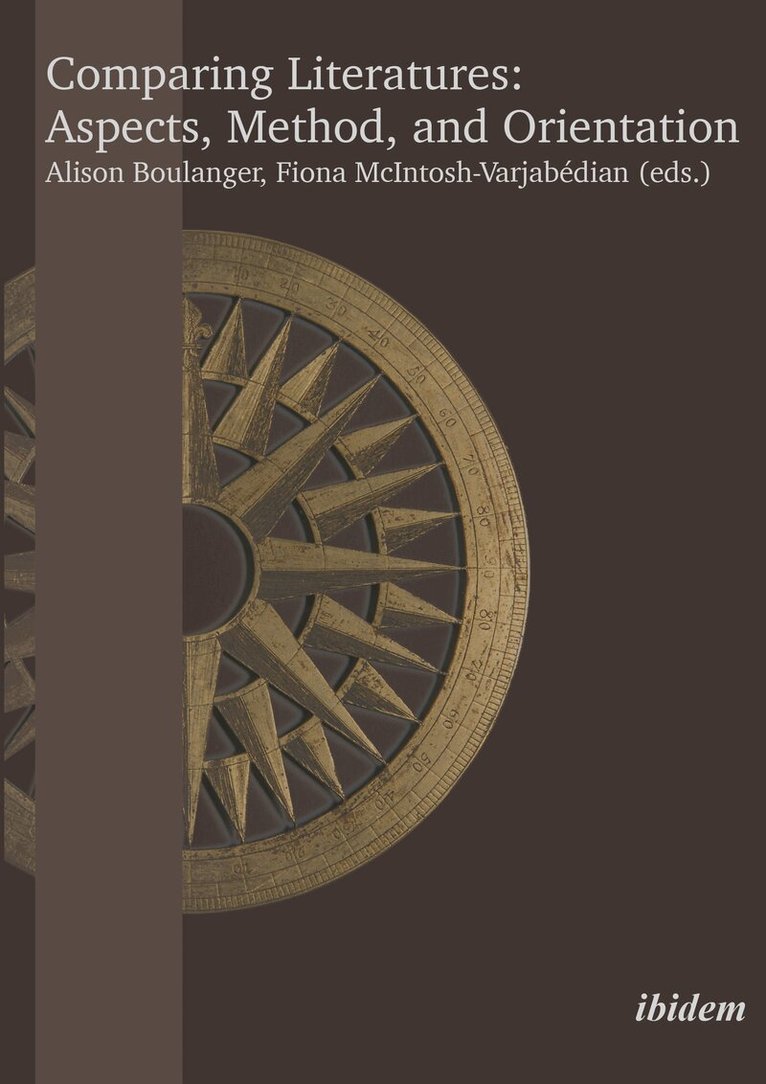
Comparing Literatures: Aspects, Method, and Orientation
Proceedings of the 8th Congress of the European Society of Comparative Literature (ESCL-SELC)
Av Alison McIntosh-Varjabédian Boulanger, Alison Boulanger m. fl.
Häftad, 2022
438 kr
Lägg i varukorg
Globalization is not a new phenomenon. Ideas have been circulating all over Europe (and the world) since ancient times, and intercultural dialog is a wide field offering a great variety of approaches.In such times as ours, when the world is swift to change and cultures are destined to meet …