Fionna Barber – författare
Visar alla böcker från författaren Fionna Barber. Handla med fri frakt och snabb leverans.
6 produkter
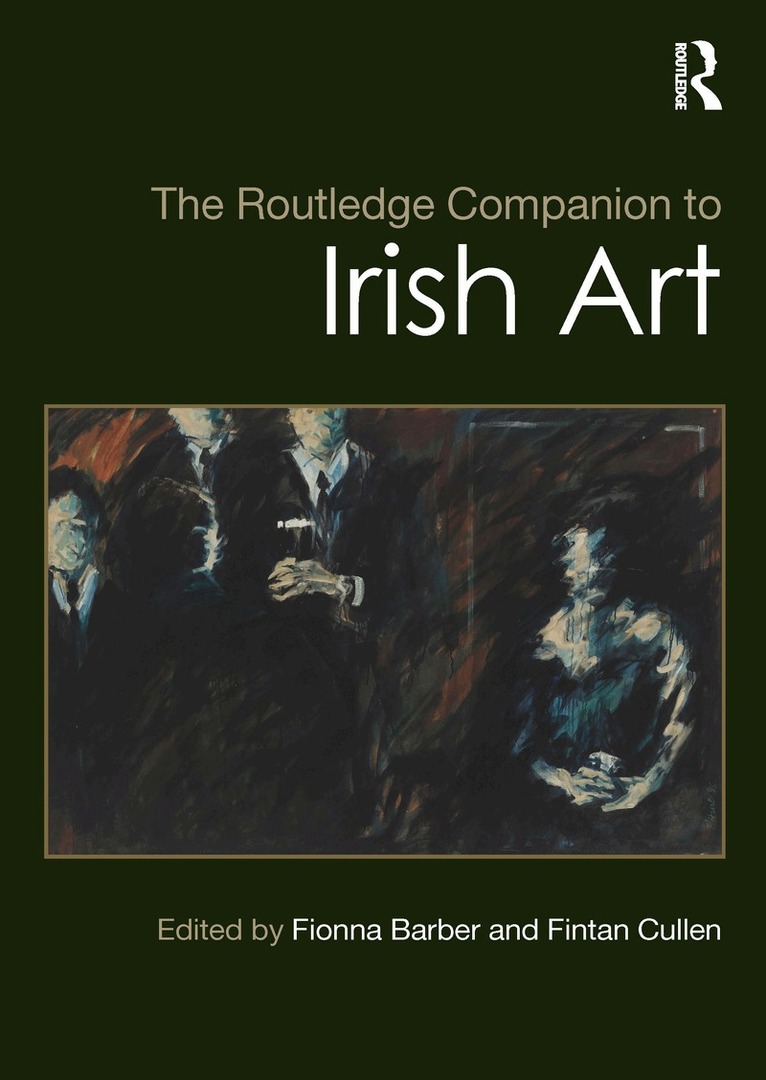
Routledge Companion to Irish Art
Av Fionna Barber, Fintan Cullen
Inbunden, 2025
3904 kr
Lägg i varukorg
This companion contains new and innovative writing on Irish art and its history, from c. 1800 to the present day.This book critically engages with Irish art in a period linked to key events in Irish history, beginning with the Acts of Union between Britain and Ireland (1800–01)) and the significant …
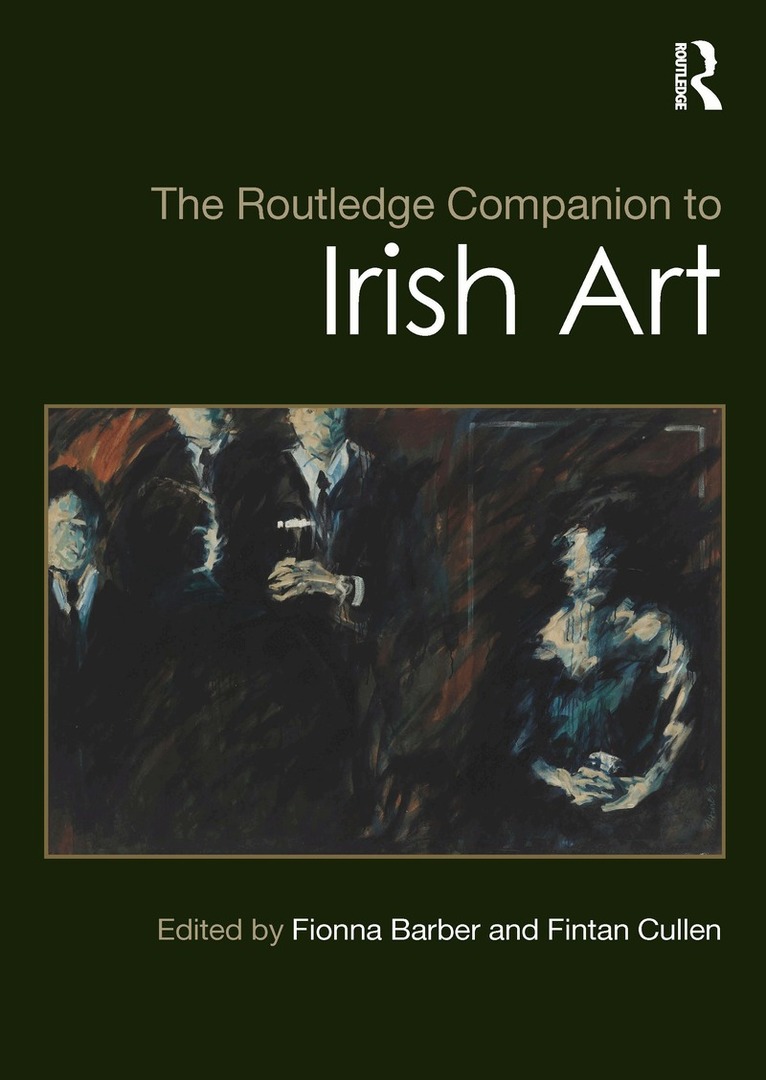
Routledge Companion to Irish Art
Av Fionna Barber, Fintan Cullen
Häftad, 2026
816 kr
Lägg i varukorg
This companion contains new and innovative writing on Irish art and its history, from c. 1800 to the present day.This book critically engages with Irish art in a period linked to key events in Irish history, beginning with the Acts of Union between Britain and Ireland (1800–01)) and the significant …
Routledge Companion to Irish Art
Av Fintan Cullen, Fionna Barber
E-bok, 2025
981 kr
Lägg i varukorg
This companion contains new and innovative writing on Irish art and its history, from c. 1800 to the present day. This book critically engages with Irish art in a period linked to key events in Irish history, beginning with the Acts of Union between Britain and Ireland (1800–01)) and the …
Routledge Companion to Irish Art
Av Fintan Cullen, Fionna Barber
E-bok, 2025
960 kr
Lägg i varukorg
This companion contains new and innovative writing on Irish art and its history, from c. 1800 to the present day. This book critically engages with Irish art in a period linked to key events in Irish history, beginning with the Acts of Union between Britain and Ireland (1800–01)) and the …
Art in Ireland since 1910
Since 1910
Häftad, 2015
318 kr
Lägg i varukorg
Art in Ireland since 1910 is the first book to examine Irish art from the early twentieth century to the present day. In this highly illustrated volume Fionna Barber looks at the work of a wide range of artists from Yeats and le Brocquy to Cross and Doherty, many of whom are unfamiliar to audiences …
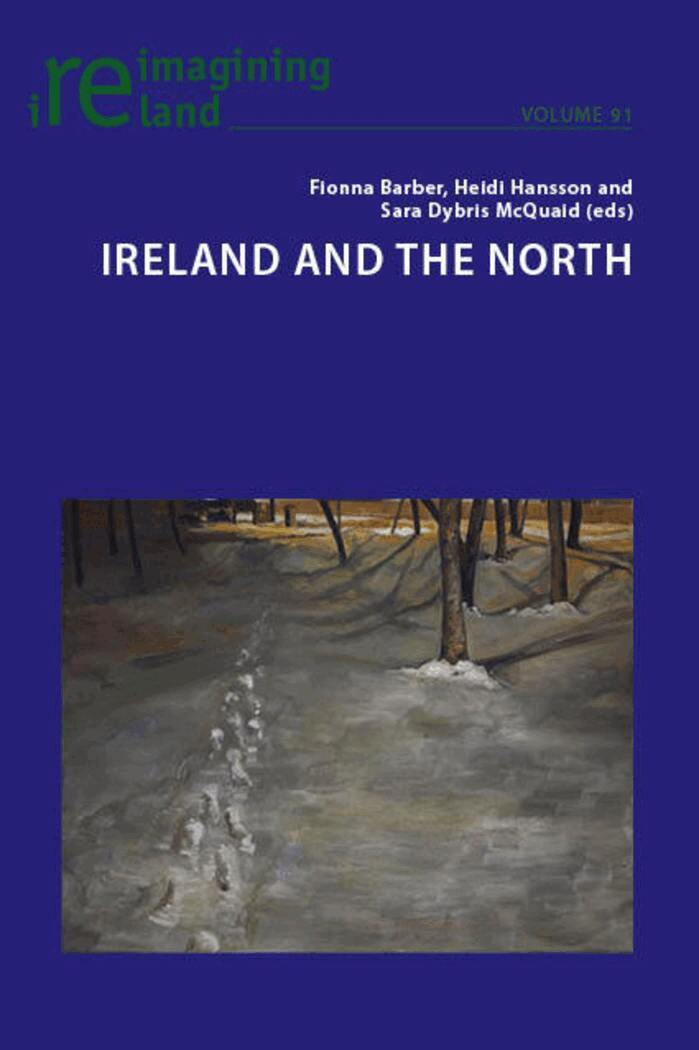
Ireland and the North
Av Fionna Barber, Heidi Hansson m. fl.
Häftad, 2019
752 kr
Lägg i varukorg
Ireland and the North is an edited collection of chapters engaging with the relationship between Ireland and the Nordic countries. As a spatial and geographical point of reference for the formation of political and cultural identities in Ireland, the idea of «the North» encourages the …