Firas Kobeissy – författare
1 146 kr
Skickas inom 10-15 vardagar
Leveraging Biomedical and Healthcare Data: Semantics, Analytics and Knowledge provides an overview of the approaches used in semantic systems biology, introduces novel areas of its application, and describes step-wise protocols for transforming heterogeneous data into useful knowledge that can influence healthcare and biomedical research. Given the astronomical increase in the number of published reports, papers, and datasets over the last few decades, the ability to curate this data has become a new field of biomedical and healthcare research. This book discusses big data text-based mining to better understand the molecular architecture of diseases and to guide health care decision.
It will be a valuable resource for bioinformaticians and members of several areas of the biomedical field who are interested in understanding more about how to process and apply great amounts of data to improve their research.
Includes at each section resource pages containing a list of available curated raw and processed data that can be used by researchers in the field Provides demonstrative and relevant examples that serve as a general tutorial Presents a list of algorithm names and computational tools available for basic and clinical researchers1 627 kr
Läs direkt efter köp
1 963 kr
Kommande
2 236 kr
Skickas inom 10-15 vardagar
2 822 kr
Läs direkt efter köp
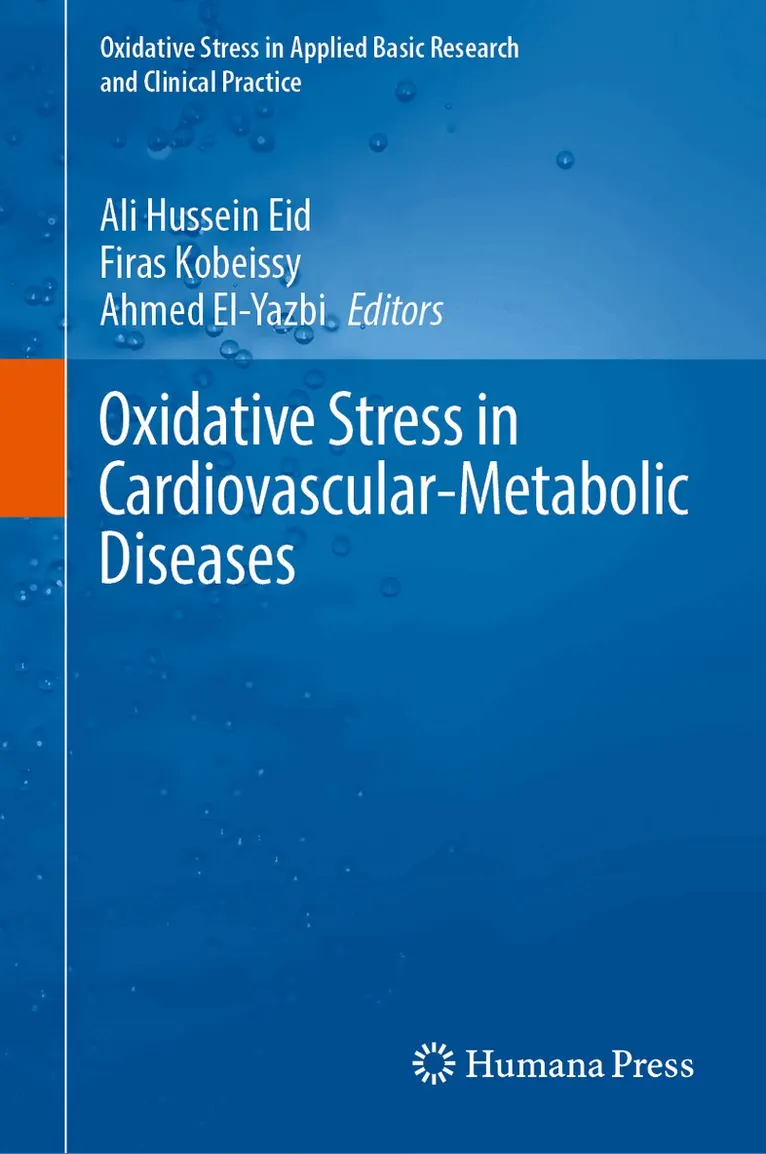
The book dissects the role of oxidative stress in the pathogenesis of the leading causes of global morbidity and mortality, i.e. cardiovascular and metabolic diseases. The chapters discuss topics related to the role reactive oxygen species (ROS) play in hypertension, atherosclerosis, diabetes, obesity and related pathologies. One chapter discusses the clinical efficacy and safety considerations of GLP-1 receptor agonists and SGLT-2 inhibitors in obesity management and the associated cardiovascular complications. Another chapter discusses the context-dependent roles of matrix metalloproteases, and how their activity can be modulated and utilized for the development of improved drugs for cardiometabolic diseases. Moreover, how ROS and aging interplay to precipitate cardiovasculo-metabolic disease is discussed and highlighted. Similarly, how sex and sepsis interplay in the context of cardiorenal disease is teased out in one of the chapters. Preventive measures that can abrogate ROS-induced cardiovasclo-metabolic disease are discussed and clarified in the hope of reducing such a debilitating battery of diseases. Another chapter is fully dedicated to the roles of ROS in atherosclerosis, while another chapter deals with mechanisms and effect of ROS on various phenotypes of adipose tissues in the context of cardiovasculo-metabolic disease. A chapter also discusses the link between traumatic brain injury (TBI) and cardiovascular impairments, and how ROS plays a significant role in TBI-induced cardiovascular disease. A section dedicated to antioxidants as potential therapy is also included. Given the complexity of the mechanisms implicated in ROS-modulated responses, it remains challenging to assert a conclusive argument and pre-determined regimen for incorporating antioxidants into conventional therapies. In all of the chapters, the molecular, cellular, genetic, and pharmacological mechanisms implicated are covered from an applied science perspective.
This is an ideal book for basic researchers in the biomedical field, graduate students in biological and biomedical fields, medical students, instructors in medical and graduate schools, and professionals working for pharmaceutical companies.
2 236 kr
Skickas inom 10-15 vardagar
2 422 kr
Skickas inom 10-15 vardagar
3 183 kr
Läs direkt efter köp
2 422 kr
Skickas inom 10-15 vardagar
2 422 kr
Skickas inom 10-15 vardagar
3 137 kr
Läs direkt efter köp
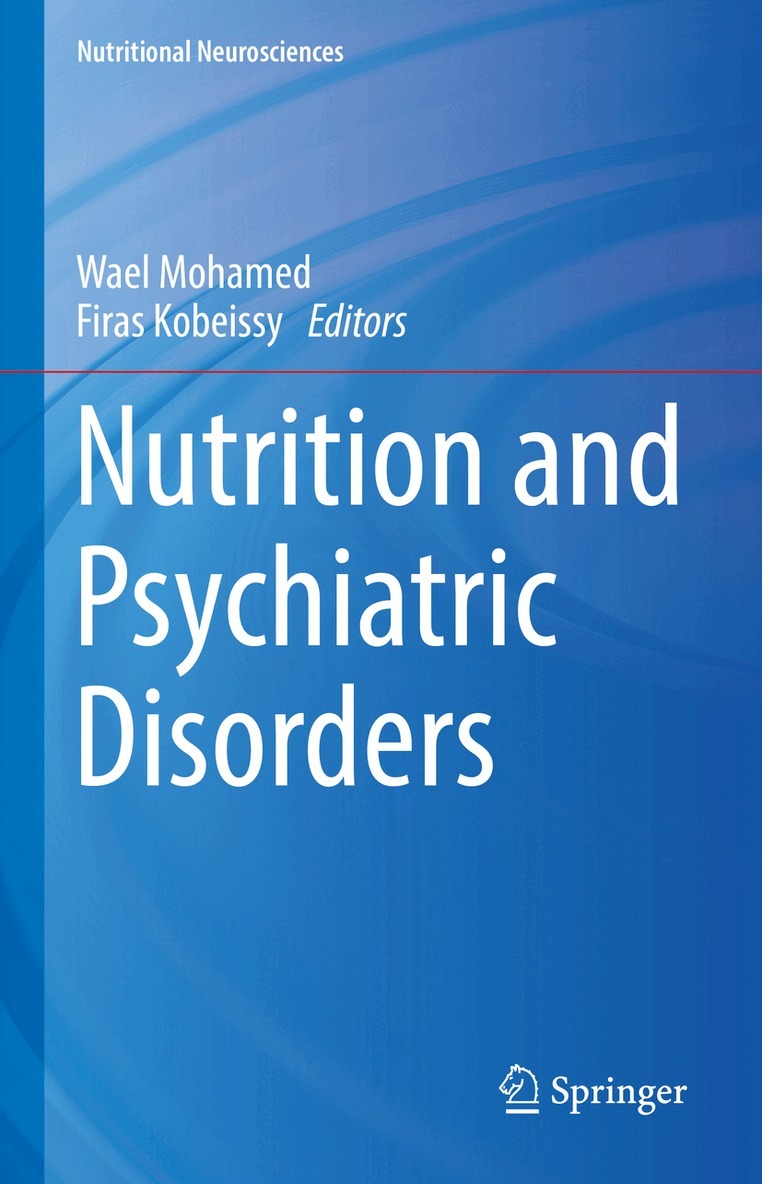
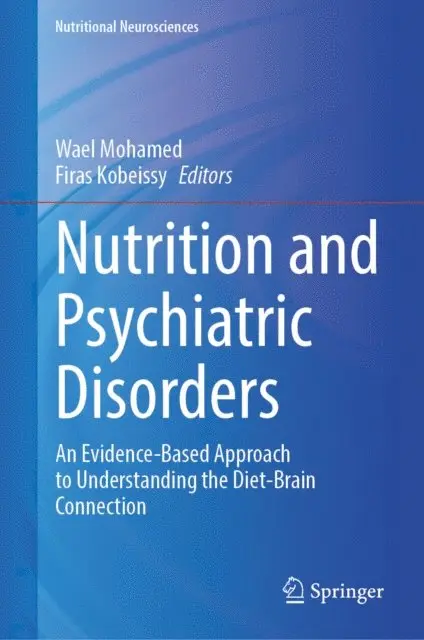
The book explores the intricate relationship between nutrition, brain function, and psychiatric disorders. The first section of the book delves into the neurobiological aspects of psychiatric disorders, including the neuroanatomy, neuropathology, biochemical and neuropharmacology factors that play a role in the development of these disorders. It also discusses the impact of human nutrition on brain function and the implications of nutrition and metabolism on psychological functioning. The next section focuses on the diet-brain connection, exploring nutritional psychiatry and the current state of evidence, the role of the microbiome, and the effects of certain foods such as chocolate and coffee on mood and mood disorders. The chapters also examine the impact of diet on mental health and cognition across the lifespan and provides a case study of the relationship between diet and psychological health. In the final section, the book delves into the nutritional treatment of psychiatric disorders, including the psychopharmacology of psychiatric disorders and food intake, and multidisciplinary approaches to psychiatric treatment.. Overall, this book offers a comprehensive and evidence-based examination of the complex relationship between nutrition, brain function, and psychiatric disorders, and provides a foundation for further research and development of effective nutritional interventions for the treatment of these disorders.
2 422 kr
Skickas inom 10-15 vardagar