Firat Yasa – författare
Visar alla böcker från författaren Firat Yasa. Handla med fri frakt och snabb leverans.
3 produkter
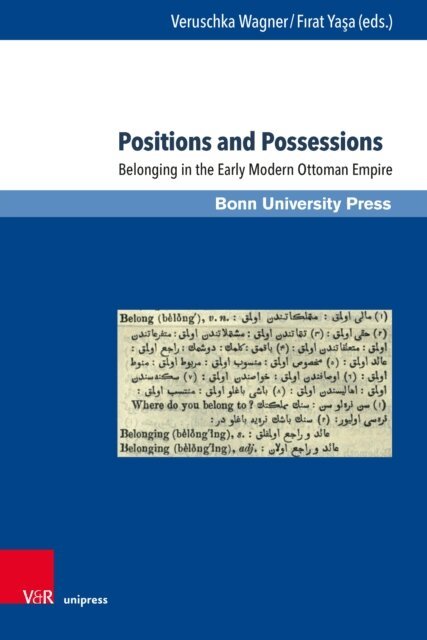
Positions and Possessions
Belonging in the Early Modern Ottoman Empire
Av Firat Yasa, Veruschka Wagner
E-bok, 2026
499 kr
Lägg i varukorg
The early modern Ottoman Empire offers a compelling context for exploring the many-sided and often fluid nature of belonging. Spanning vast territories and encompassing diverse ethnic, religious, and social groups, the Ottoman context reveals how this fundamental human relationship operated across …
Positions and Possessions
Belonging in the Early Modern Ottoman Empire
Av Veruschka Wagner, Fırat Yaşa
Inbunden, 2026
585 kr
Lägg i varukorg
The early modern Ottoman Empire offers a compelling context for exploring the many-sided and often fluid nature of belonging. Spanning vast territories and encompassing diverse ethnic, religious, and social groups, the Ottoman context reveals how this fundamental human relationship operated across …
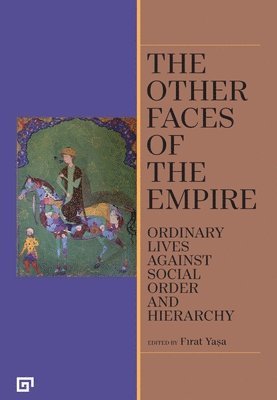
Other Faces of the Empire – Ordinary Lives Against Social Order and Hierarchy
Av Firat Yasa, Esra Tasdelen m. fl.
Häftad, 2022
271 kr
Tillfälligt slut
Essays illuminate the lives of ordinary people who lived in the Ottoman era. Drawing from centuries-old court records, The Other Faces of Empire traces the lives of “outstage” people in vast empire lands. Each essay in the collection tells the story of an ordinary person navigating the Ottoman …