Veruschka Wagner – författare
Visar alla böcker från författaren Veruschka Wagner. Handla med fri frakt och snabb leverans.
6 produkter
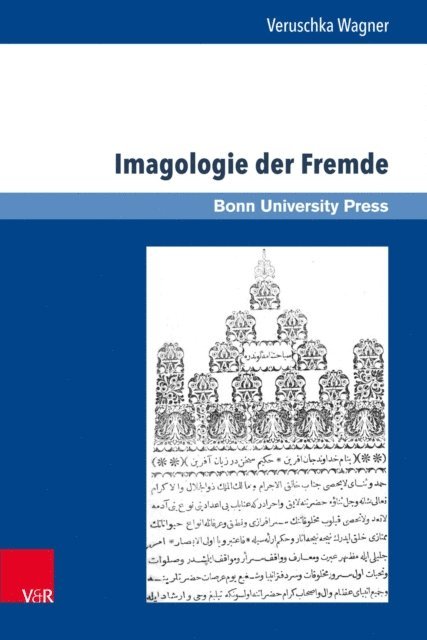
Imagologie der Fremde
Das Londonbild eines osmanischen Reisenden Mitte des 19. Jahrhunderts
E-bok, 2016
800 kr
Lägg i varukorg
What kind of images and perceptions about the English would an Ottoman convey to readers in his descriptive accounts of his travels? And what conclusions would he infer about his own culture? This anonymous traveller visited England in 1851 and logged his observations and impressions in the …
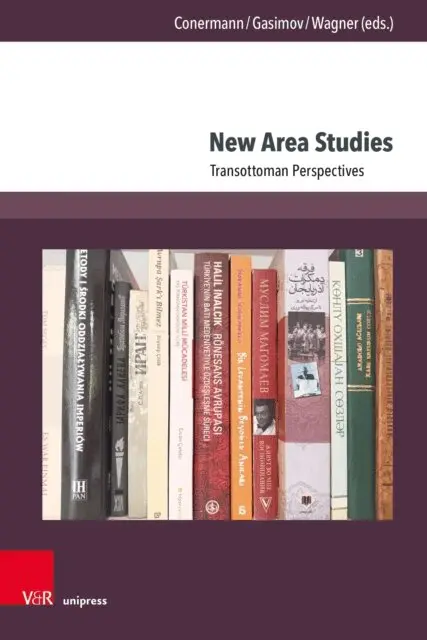
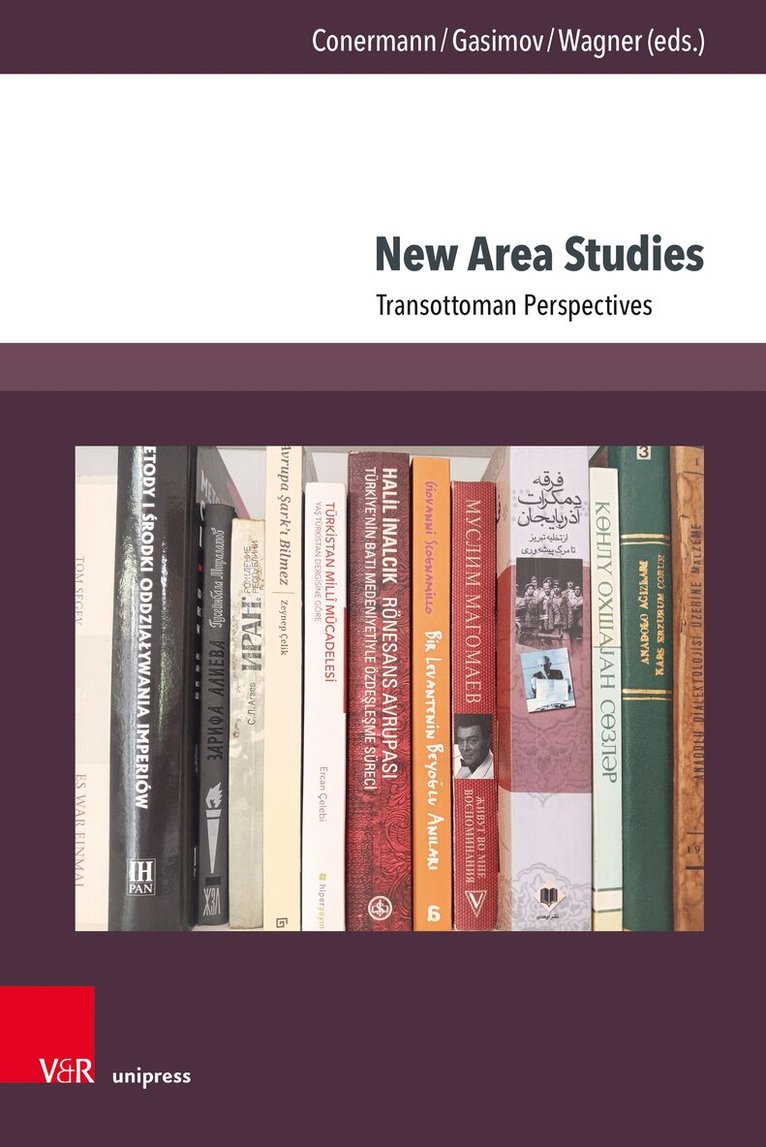
New Area Studies
Transottoman Perspectives
Av Veruschka Wagner, Zaur Gasimov m. fl.
E-bok, 2026
512 kr
Lägg i varukorg
The New Area Studies enable a rethinking of world history and a more critical approach to traditional historical writing. An additional factor contributing to the critical reflection on traditional area studies was the contemporary political context. The contributors contend that there is a need …
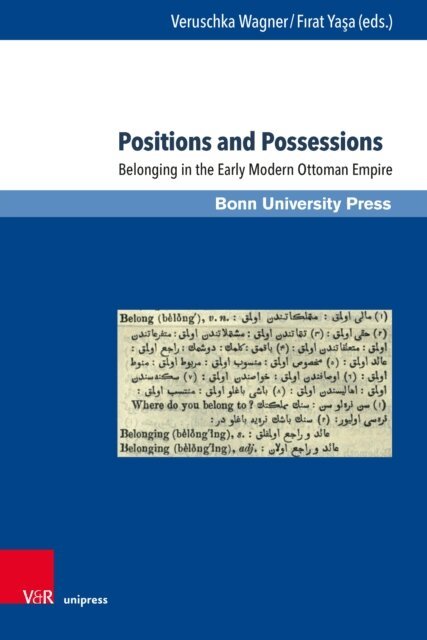
Positions and Possessions
Belonging in the Early Modern Ottoman Empire
Av Firat Yasa, Veruschka Wagner
E-bok, 2026
499 kr
Lägg i varukorg
The early modern Ottoman Empire offers a compelling context for exploring the many-sided and often fluid nature of belonging. Spanning vast territories and encompassing diverse ethnic, religious, and social groups, the Ottoman context reveals how this fundamental human relationship operated across …
Imagologie der Fremde
Das Londonbild eines osmanischen Reisenden Mitte des 19. Jahrhunderts
Inbunden, 2016
1045 kr
Lägg i varukorg
What kind of images and perceptions about the English would an Ottoman convey to readers in his descriptive accounts of his travels? And what conclusions would he infer about his own culture? This anonymous traveller visited England in 1851 and logged his observations and impressions in the …
New Area Studies
Transottoman Perspectives
Av Stephan Conermann, Zaur Gasimov m. fl.
Inbunden, 2026
684 kr
Kommande
The New Area Studies enable a rethinking of world history and a more critical approach to traditional historical writing. An additional factor contributing to the critical reflection on traditional area studies was the contemporary political context. We contend that there is a need for greater …
Positions and Possessions
Belonging in the Early Modern Ottoman Empire
Av Veruschka Wagner, Fırat Yaşa
Inbunden, 2026
585 kr
Lägg i varukorg
The early modern Ottoman Empire offers a compelling context for exploring the many-sided and often fluid nature of belonging. Spanning vast territories and encompassing diverse ethnic, religious, and social groups, the Ottoman context reveals how this fundamental human relationship operated across …