Frances Kochan – författare
442 kr
Skickas inom 3-6 vardagar
Mentoring has become an essential ingredient in the success of diversity management in the workplace and in achieving societal change to accommodate and value difference. This case book brings together a wide range of approaches to designing, implementing, sustaining and evaluating mentoring programmes. It explores what makes mentoring work in a diversity context, and what undermines it; what constitutes good practice and what to avoid.
The international case studies cover many different aspects of difference, including race, culture, physical and mental disability, gender and sexual preference, Thoughtful analysis of these cases reveals many practical lessons for what does and doesn’t work well in different contexts.
Edited by three leading authorities in the field, this case book is an essential companion for anyone aiming to establish a mentoring programme in the areas of equal opportunities, diversity management, or leveraging diversity.
Countries represented in the book: Australia, Argentina, Canada, Denmark, Great Britain, Germany, Luxembourg, Norway, South Africa, and USA.
Contributors: Penny Abbott, Olu Alake, Raymond Asumadu, Dellroy Birch, Merridee Bujaki, Maggie Clarke, David Clutterbuck, Jane Cordell, Giulia Corinaldi, Patricia Pedraza Cruz, Tulsi Derodra, Pamela M. Dixon, Nora Dominguez, Jennybeth Ekeland, Gifty Gabor, Coral Gardiner, Tim Gutierrez, Julie Haddock-Millar, Christina Hartshorn, Susanne Søes Hejlsvig, Rachelle Heller, Malcolm Johnson, Rita Knott, Frances Kochan, James W. Koschoreck, Alan Li, Catherine Mavriplis, Norma T. Metz, Elisabeth Møller-Jensen, Dra. Silvia Inés Monserrat, Françoise Moreau-Johnson, Catherine Mossop, Loshini Naidoo, Jonelle Naude, Leyla Okhai, Nwamaka Onyiuke, Louise Overy, Martin Parsonage, Shari Lawrence Pfleeger, Cherry Potts, Kirsten M. Poulsen, Peter Quinn, Ann Rolfe, Michail Sanidas, Clive Saunders, Kolarele Sonaike, Lynn P. Sontag, Charlene Sorensen, Jenepher Lennox Terrion, Kimberly Vappie, Cynthia Miller Veraldo, Helen Villalobos, Dieter Wagner, Nelli Wagner, Carol Ann Whitaker, Keith Whittlestone, Helen Worrall, Shaun Wilson-Gotobed and Derek Yee.
"I knew I was going to enjoy this book before I started to read it, as to any passionate, mentoring enthusiast, the list of contributors reads like a 'who's who' in the best of mentoring with chapters by some of the greatest global thought leaders and practitioners in mentoring."
The International Journal of Mentoring and Coaching, Volume X Issue 2, December 2012
"This comprehensive but concise book will be useful for any coach or integrative coach who is engaged in supervision, wanting to train as a supervisor, or seeking to understand more about the supervision perspective."
AICTP Journal, November 2012
"This book fills a gap in the mentoring literature. The book is informed, insightful and inspiring and will be of immense use to the mentoring community."
Dr Elaine Cox, Director of Postgraduate Coaching and Mentoring Programmes, Oxford Brookes University, UK
"This book provides insightful analyses of diversity mentoring principles and their application to real world practice."
Professor Uduak Archibong, Professor of Diversity, University of Bradford, UK
"As a diversity practitioner working for a multi-national organisation, I found this a great manual to dip in to for ideas and advice on how best to use mentoring as a means of driving behavioural and organisational change."
Sarah Churchman, Human Capital Director, Head of Diversity, Inclusion & Employee Wellbeing, PricewaterhouseCoopers LLP, London, UK
428 kr
Läs direkt efter köp
Mentoring has become an essential ingredient in the success of diversity management in the workplace and in achieving societal change to accommodate and value difference. This case book brings together a wide range of approaches to designing, implementing, sustaining and evaluating mentoring programmes. It explores what makes mentoring work in a diversity context, and what undermines it; what constitutes good practice and what to avoid.
The international case studies cover many different aspects of difference, including race, culture, physical and mental disability, gender and sexual preference, Thoughtful analysis of these cases reveals many practical lessons for what does and doesn’t work well in different contexts.
Edited by three leading authorities in the field, this case book is an essential companion for anyone aiming to establish a mentoring programme in the areas of equal opportunities, diversity management, or leveraging diversity.
Countries represented in the book: Australia, Argentina, Canada, Denmark, Great Britain, Germany, Luxembourg, Norway, South Africa, and USA.
Contributors: Penny Abbott, Olu Alake, Raymond Asumadu, Dellroy Birch, Merridee Bujaki, Maggie Clarke, David Clutterbuck, Jane Cordell, Giulia Corinaldi, Patricia Pedraza Cruz, Tulsi Derodra, Pamela M. Dixon, Nora Dominguez, Jennybeth Ekeland, Gifty Gabor, Coral Gardiner, Tim Gutierrez, Julie Haddock-Millar, Christina Hartshorn, Susanne Søes Hejlsvig, Rachelle Heller, Malcolm Johnson, Rita Knott, Frances Kochan, James W. Koschoreck, Alan Li, Catherine Mavriplis, Norma T. Metz, Elisabeth Møller-Jensen, Dra. Silvia Inés Monserrat, Françoise Moreau-Johnson, Catherine Mossop, Loshini Naidoo, Jonelle Naude, Leyla Okhai, Nwamaka Onyiuke, Louise Overy, Martin Parsonage, Shari Lawrence Pfleeger, Cherry Potts, Kirsten M. Poulsen, Peter Quinn, Ann Rolfe, Michail Sanidas, Clive Saunders, Kolarele Sonaike, Lynn P. Sontag, Charlene Sorensen, Jenepher Lennox Terrion, Kimberly Vappie, Cynthia Miller Veraldo, Helen Villalobos, Dieter Wagner, Nelli Wagner, Carol Ann Whitaker, Keith Whittlestone, Helen Worrall, Shaun Wilson-Gotobed and Derek Yee.
"I knew I was going to enjoy this book before I started to read it, as to any passionate, mentoring enthusiast, the list of contributors reads like a ''who''s who'' in the best of mentoring with chapters by some of the greatest global thought leaders and practitioners in mentoring."
The International Journal of Mentoring and Coaching, Volume X Issue 2, December 2012
"This comprehensive but concise book will be useful for any coach or integrative coach who is engaged in supervision, wanting to train as a supervisor, or seeking to understand more about the supervision perspective."
AICTP Journal, November 2012
"This book fills a gap in the mentoring literature. The book is informed, insightful and inspiring and will be of immense use to the mentoring community."
Dr Elaine Cox, Director of Postgraduate Coaching and Mentoring Programmes, Oxford Brookes University, UK
"This book provides insightful analyses of diversity mentoring principles and their application to real world practice."
Professor Uduak Archibong, Professor of Diversity, University of Bradford, UK
"As a diversity practitioner working for a multi-national organisation, I found this a great manual to dip in to for ideas and advice on how best to use mentoring as a means of driving behavioural and organisational change."
Sarah Churchman, Human Capital Director, Head of Diversity, Inclusion & Employee Wellbeing, PricewaterhouseCoopers LLP, London, UK
2 234 kr
Skickas inom 5-8 vardagar
2 537 kr
Läs direkt efter köp
The first collection in the area of mentoring that applies theory to real-world practice, research, programs, and recommendations from an international perspective
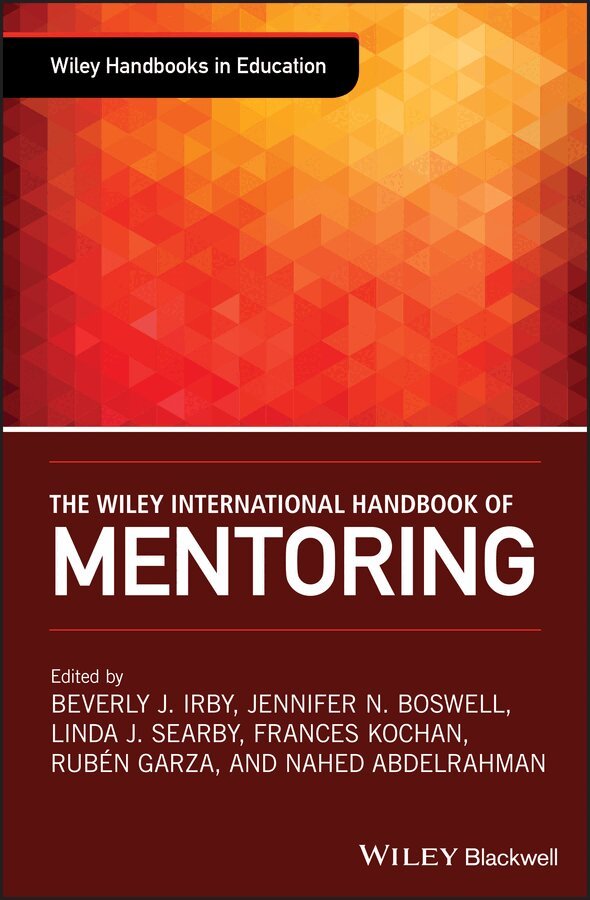
In today’s networked world society, mentoring is a crucial area for study that requires a deep international understanding for effective implementation. Despite the immense benefits of mentoring, current literature on this subject is surprisingly sparse. The Wiley International Handbook of Mentoring fills the need for a comprehensive volume of in-depth information on the different types of mentoring programs, effective mentoring practices, and emerging practical and applicable theories. Based on sound research methodologies, this unique text presents original essays by experts from over ten different countries, demonstrating the ways mentoring can make a difference in the workplace and in the classroom; these experts have an understanding of mentoring worldwide having worked in mentoring in over forty countries.
Each of the Handbook’s four sections—mentoring paradigms, practices, programs, and possibilities—include a final synthesis chapter authored by the section editors that captures the essence of the lessons learned, applies a global context, and recommends research avenues for further exploration. This innovative volume demonstrates how mentoring in any culture can help employees to complete tasks and advance in their positions, aid in socialization and assimilation in various settings, provide diverse groups access to resources and information, navigate through personalities, politics, policies, and procedures, and much more.
Offers an inclusive, international perspective that supports moving mentoring into a discipline of its own and lays a theoretical foundation for further research Shows how emerging practical theories can be implemented in actual programs and various scenarios Examines a wide range of contemporary paradigms, practices, and programs in the field of mentoring, including a panorama of introspections on mentoring from international scholars and practitioners Includes historical and epistemological content, background information and definitions, and overviews of fundamental aspects of mentoringThe Wiley International Handbook of Mentoring is an essential volume for a global readership, particularly teachers of mentoring courses, trainers, and researchers and practitioners in a variety of fields such as business, education, government, politics, sciences, industry, or sports.
2 507 kr
Läs direkt efter köp
The first collection in the area of mentoring that applies theory to real-world practice, research, programs, and recommendations from an international perspective
In today’s networked world society, mentoring is a crucial area for study that requires a deep international understanding for effective implementation. Despite the immense benefits of mentoring, current literature on this subject is surprisingly sparse. The Wiley International Handbook of Mentoring fills the need for a comprehensive volume of in-depth information on the different types of mentoring programs, effective mentoring practices, and emerging practical and applicable theories. Based on sound research methodologies, this unique text presents original essays by experts from over ten different countries, demonstrating the ways mentoring can make a difference in the workplace and in the classroom; these experts have an understanding of mentoring worldwide having worked in mentoring in over forty countries.
Each of the Handbook’s four sections—mentoring paradigms, practices, programs, and possibilities—include a final synthesis chapter authored by the section editors that captures the essence of the lessons learned, applies a global context, and recommends research avenues for further exploration. This innovative volume demonstrates how mentoring in any culture can help employees to complete tasks and advance in their positions, aid in socialization and assimilation in various settings, provide diverse groups access to resources and information, navigate through personalities, politics, policies, and procedures, and much more.
Offers an inclusive, international perspective that supports moving mentoring into a discipline of its own and lays a theoretical foundation for further research Shows how emerging practical theories can be implemented in actual programs and various scenarios Examines a wide range of contemporary paradigms, practices, and programs in the field of mentoring, including a panorama of introspections on mentoring from international scholars and practitioners Includes historical and epistemological content, background information and definitions, and overviews of fundamental aspects of mentoringThe Wiley International Handbook of Mentoring is an essential volume for a global readership, particularly teachers of mentoring courses, trainers, and researchers and practitioners in a variety of fields such as business, education, government, politics, sciences, industry, or sports.
3 312 kr
Skickas inom 3-6 vardagar
The SAGE Handbook of Mentoring provides a scholarly, comprehensive and critical overview of mentoring theory, research and practice across the world. Internationally renowned authors map out the key historical and contemporary research, before considering modern case study examples and future directions for the field. The chapters are organised into four areas:
The Landscape of Mentoring The Practice of Mentoring The Context of Mentoring Case Studies of Mentoring Around the GlobeThis Handbook is a resource for mentoring academics, students and practitioners across a range of disciplines including business and management, education, health, psychology, counselling, and social work.
1 669 kr
Skickas
The SAGE Handbook of Mentoring provides a scholarly, comprehensive and critical overview of mentoring theory, research and practice across the world. Internationally renowned authors map out the key historical and contemporary research, before considering modern case study examples and future directions for the field. The chapters are organised into four areas:
The Landscape of Mentoring The Practice of Mentoring The Context of Mentoring Case Studies of Mentoring Around the GlobeThis Handbook is a resource for mentoring academics, students and practitioners across a range of disciplines including business and management, education, health, psychology, counselling, and social work.