Francesco Caselli – författare
Visar alla böcker från författaren Francesco Caselli. Handla med fri frakt och snabb leverans.
6 produkter
After the Crisis
Reform, Recovery, and Growth in Europe
Av Jose Tavares, Mario Centeno m. fl.
E-bok, 2016
1020 kr
Lägg i varukorg
After the Crisis reassesses the twin projects of structural reform and European integration in the wake of the Great Recession and the European Sovereign Debt Crisis. The introduction compares the pre-crises debate to the current situation, and highlights a number of ways in which both reform and …
After the Crisis
Reform, Recovery, and Growth in Europe
Av Jose Tavares, Mario Centeno m. fl.
E-bok, 2016
1020 kr
Lägg i varukorg
After the Crisis reassesses the twin projects of structural reform and European integration in the wake of the Great Recession and the European Sovereign Debt Crisis. The introduction compares the pre-crises debate to the current situation, and highlights a number of ways in which both reform and …
After the Crisis
Reform, Recovery, and Growth in Europe
Av Francesco Caselli, Mário Centeno m. fl.
Inbunden, 2016
1582 kr
Lägg i varukorg
After the Crisis reassesses the twin projects of structural reform and European integration in the wake of the Great Recession and the European Sovereign Debt Crisis. The introduction compares the pre-crises debate to the current situation, and highlights a number of ways in which both reform and …
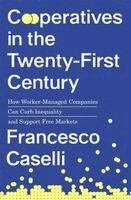
Cooperatives in the Twenty-First Century
How Worker-Managed Companies Can Curb Inequality and Support Free Markets
Inbunden, 2027
289 kr
Kommande
A blueprint for an economy that delivers true shared prosperity and inclusive growth.How can we address economic inequality? Most proposed solutions ask the rich to pay higher taxes to benefit the poor. But the rich have the political power to control whether redistribution happens and are unlikely …
Technology Differences over Space and Time
Inbunden, 2016
562 kr
Lägg i varukorg
Technology Differences over Space and Time looks at how countries use their productive resources--such as workers, skills, equipment and structures, and natural resources. Francesco Caselli develops methods to assess the efficiency with which productive inputs are used, and how these efficiencies …
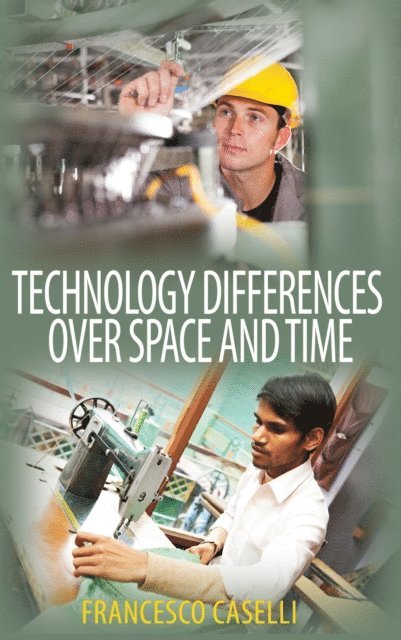
Technology Differences over Space and Time
E-bok, 2016
764 kr
Lägg i varukorg
Technology Differences over Space and Time looks at how countries use their productive resources—such as workers, skills, equipment and structures, and natural resources. Francesco Caselli develops methods to assess the efficiency with which productive inputs are used, and how these efficiencies …