Francesco Quatraro - Böcker
Visar alla böcker från författaren Francesco Quatraro. Handla med fri frakt och snabb leverans.
6 produkter
6 produkter
634 kr
Skickas inom 10-15 vardagar
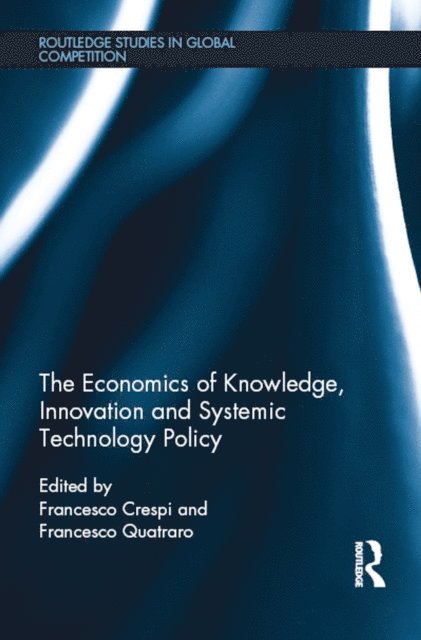
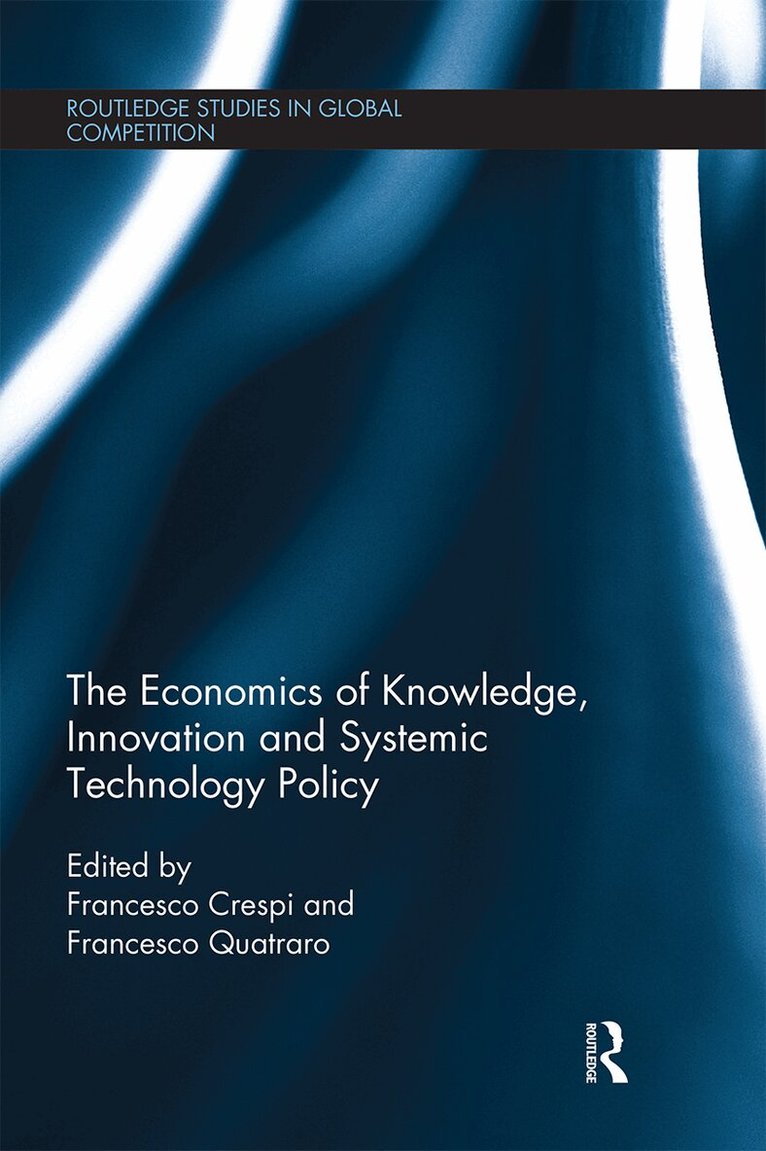
There is wide consensus on the importance of knowledge for economic growth and local development patterns. This book proposes a view of knowledge as a collective, systemic and evolutionary process that enables agents and social systems to overcome the challenges of the limits to growth. It brings together new conceptual and empirical contributions, analysing the relationship between demand and supply factors and the rate and direction of technological change. It also examines the different elements that compose innovation systems.The Economics of Knowledge, Innovation and Systemic Technology Policy provides the background for the development of an integrated framework for the analysis of systemic policy instruments and their mutual interaction the socio-political and economic conditions of the surrounding environment. These aspects have long been neglected in innovation policy, as policymakers, academics and the business community, have mostly emphasized the benefits of supply side strategies. However, a better understanding of innovation policies grafted on a complexity-based approach calls for the appreciation of the mutual interactions between both supply and demand aspects, and it is likely to improve the actual design of policy measures. This book will help readers to understand the foundations and working of demand-driven innovation policies by stressing the importance of compent and smart demand.
2 305 kr
Skickas inom 10-15 vardagar
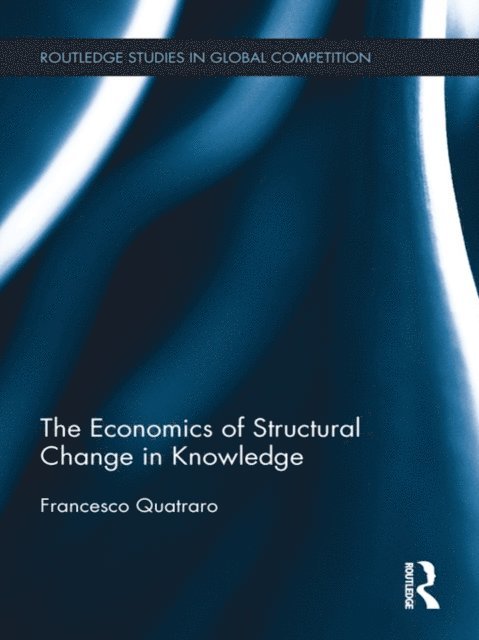
This book provides an elaboration upon the concept of knowledge from an economic viewpoint. However this is not a book on economics of knowledge, at least not in the conventional sense. Most of the existing books on the matter have focused on the treatment of knowledge in terms of properties of knowledge as an economic good, incentive schemes for the creation of knowledge, issues about the codified/tacit nature of knowledge and the like.
2 793 kr
Skickas inom 10-15 vardagar
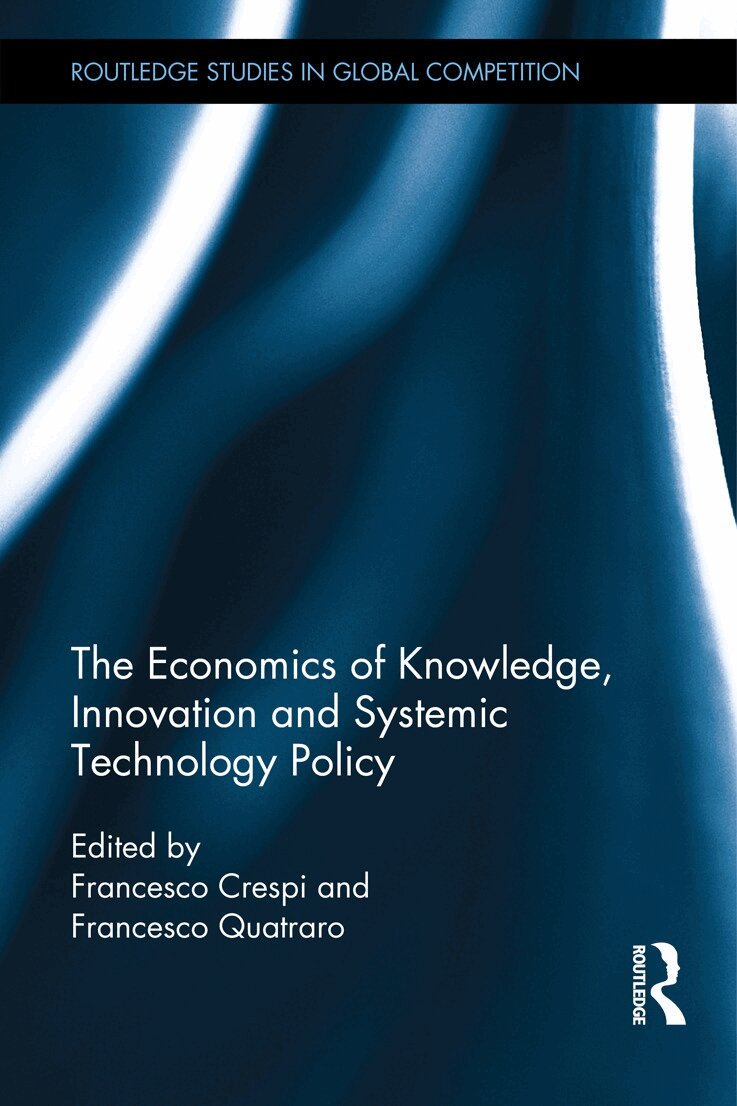
There is wide consensus on the importance of knowledge for economic growth and local development patterns. This book proposes a view of knowledge as a collective, systemic and evolutionary process that enables agents and social systems to overcome the challenges of the limits to growth. It brings together new conceptual and empirical contributions, analysing the relationship between demand and supply factors and the rate and direction of technological change. It also examines the different elements that compose innovation systems.The Economics of Knowledge, Innovation and Systemic Technology Policy provides the background for the development of an integrated framework for the analysis of systemic policy instruments and their mutual interaction the socio-political and economic conditions of the surrounding environment. These aspects have long been neglected in innovation policy, as policymakers, academics and the business community, have mostly emphasized the benefits of supply side strategies. However, a better understanding of innovation policies grafted on a complexity-based approach calls for the appreciation of the mutual interactions between both supply and demand aspects, and it is likely to improve the actual design of policy measures. This book will help readers to understand the foundations and working of demand-driven innovation policies by stressing the importance of compent and smart demand.
628 kr
Skickas inom 7-10 vardagar
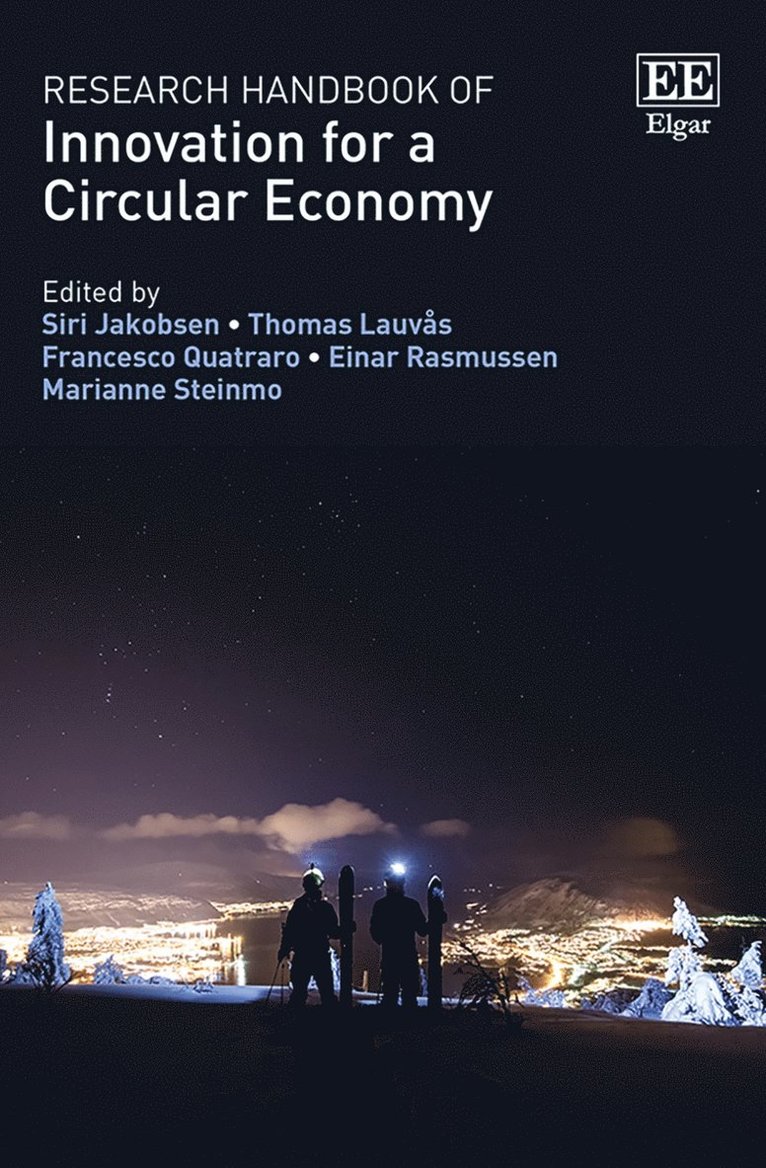
The transition to a circular economy requires innovation at all levels of society. This insightful Research Handbook is the first comprehensive edited work examining how innovation can contribute to a more circular economy.Illustrating the critical part played by individuals, organisations and system-level actors in the development of circular innovations, this Research Handbook demonstrates that while many firms are working towards a circular economy, most of the innovations are incremental. Hence, the loop is far from closed, and much more radical work remains to be done by both academics and practitioners. The content and structure reflect a multi-level understanding of innovation for a circular economy, with conceptual chapters and strong empirical research with both quantitative and qualitative research designs. Highlighting the urgent need for a circular economy, authors call for more comprehensive and radical innovation efforts to achieve it.This Research Handbook will be an invaluable resource for academics and students of innovation and entrepreneurship, as well as those more broadly interested in the circular economy. Practitioners and policymakers will also find this useful for providing practical examples of how to understand innovation processes and frameworks that contribute to a circular economy.
773 kr
Skickas inom 10-15 vardagar
This book provides an elaboration upon the concept of knowledge from an economic viewpoint. However this is not a book on economics of knowledge, at least not in the conventional sense. Most of the existing books on the matter have focused on the treatment of knowledge in terms of properties of knowledge as an economic good, incentive schemes for the creation of knowledge, issues about the codified/tacit nature of knowledge and the like.
3 317 kr
Skickas inom 7-10 vardagar
The transition to a circular economy requires innovation at all levels of society. This insightful Research Handbook is the first comprehensive edited work examining how innovation can contribute to a more circular economy.Illustrating the critical part played by individuals, organisations and system-level actors in the development of circular innovations, this Research Handbook demonstrates that while many firms are working towards a circular economy, most of the innovations are incremental. Hence, the loop is far from closed, and much more radical work remains to be done by both academics and practitioners. The content and structure reflect a multi-level understanding of innovation for a circular economy, with conceptual chapters and strong empirical research with both quantitative and qualitative research designs. Highlighting the urgent need for a circular economy, authors call for more comprehensive and radical innovation efforts to achieve it.This Research Handbook will be an invaluable resource for academics and students of innovation and entrepreneurship, as well as those more broadly interested in the circular economy. Practitioners and policymakers will also find this useful for providing practical examples of how to understand innovation processes and frameworks that contribute to a circular economy.