Francesco Tava – författare
Visar alla böcker från författaren Francesco Tava. Handla med fri frakt och snabb leverans.
12 produkter
Phenomenology and the Idea of Europe
Häftad, 2019
722 kr
Lägg i varukorg
The meaning of Europe exceeds its territorial limits, and is not fully ascribable either to the events that characterized its history or to the institutions that regulated the lives of its inhabitants. Europe is all this, and yet it represents much more: a political concept and project, a cultural …
Phenomenology and the Idea of Europe
Inbunden, 2017
2515 kr
Lägg i varukorg
The meaning of Europe exceeds its territorial limits, and is not fully ascribable either to the events that characterized its history or to the institutions that regulated the lives of its inhabitants. Europe is all this, and yet it represents much more: a political concept and project, a cultural …
Phenomenology and the Idea of Europe
E-bok, 2018
849 kr
Lägg i varukorg
The meaning of Europe exceeds its territorial limits, and is not fully ascribable either to the events that characterized its history or to the institutions that regulated the lives of its inhabitants. Europe is all this, and yet it represents much more: a political concept and project, a cultural …
Phenomenology and the Idea of Europe
E-bok, 2018
849 kr
Lägg i varukorg
The meaning of Europe exceeds its territorial limits, and is not fully ascribable either to the events that characterized its history or to the institutions that regulated the lives of its inhabitants. Europe is all this, and yet it represents much more: a political concept and project, a cultural …
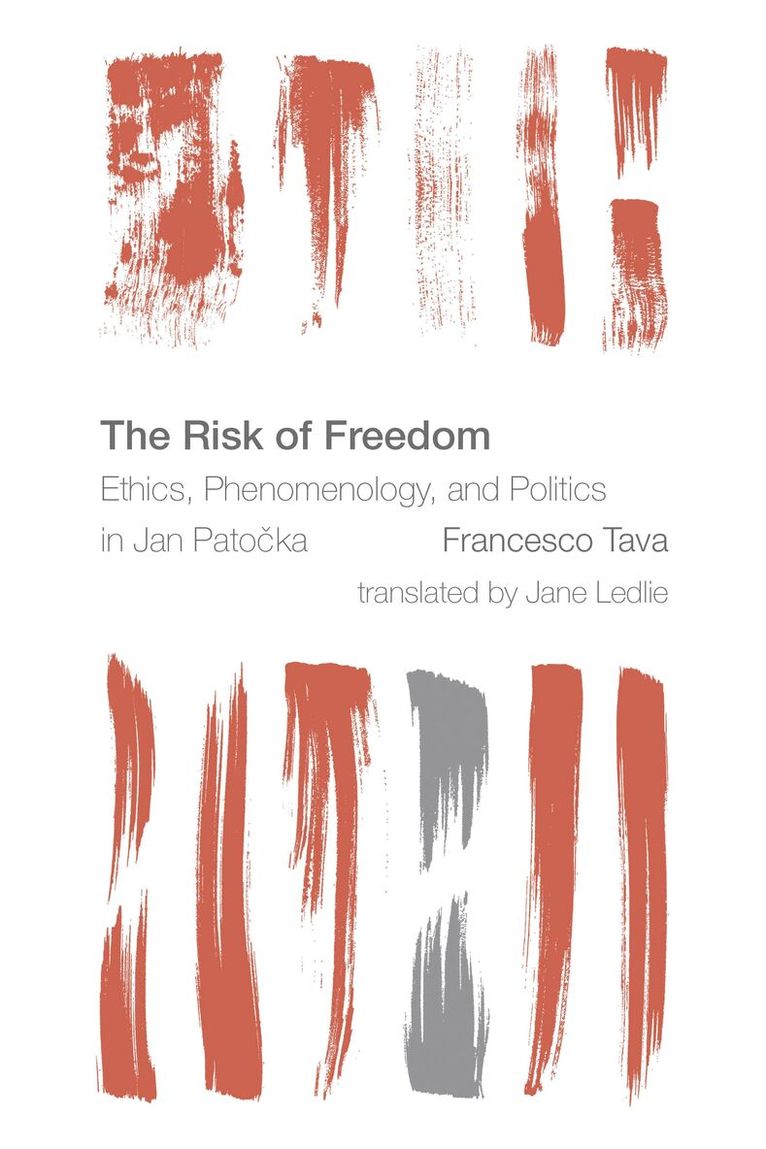
Risk of Freedom
Ethics, Phenomenology and Politics in Jan Patocka
Inbunden, 2015
1988 kr
Lägg i varukorg
The Risk of Freedom presents an in-depth analysis of the philosophy of Jan Patocka, one of the most influential Central European thinkers of the twentieth century, examining both the phenomenological and ethical-political aspects of his work. In particular, Francesco Tava takes an original approach …
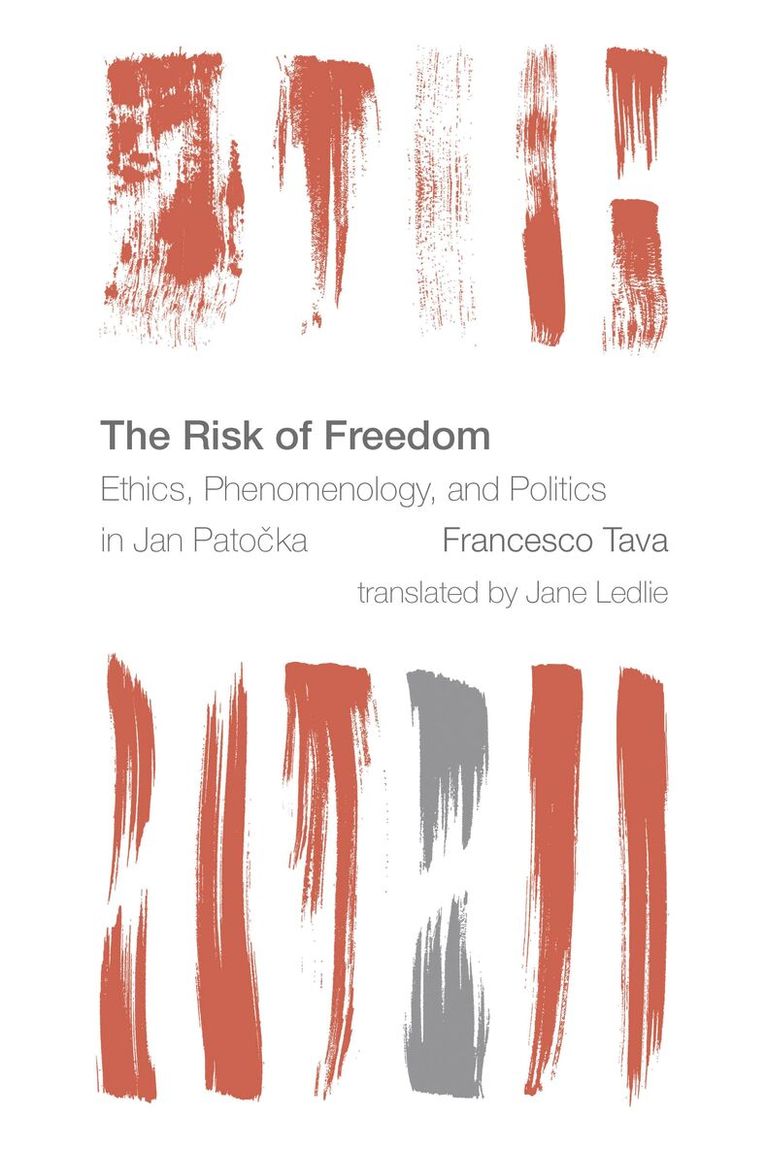
Risk of Freedom
Ethics, Phenomenology and Politics in Jan Patocka
Häftad, 2015
714 kr
Lägg i varukorg
The Risk of Freedom presents an in-depth analysis of the philosophy of Jan Patocka, one of the most influential Central European thinkers of the twentieth century, examining both the phenomenological and ethical-political aspects of his work. In particular, Francesco Tava takes an original approach …
Risk of Freedom
Ethics, Phenomenology and Politics in Jan Patocka
E-bok, 2015
763 kr
Lägg i varukorg
The Risk of Freedom presents an in-depth analysis of the philosophy of Jan Patocka, one of the most influential Central European thinkers of the twentieth century, examining both the phenomenological and ethical-political aspects of his work. In particular, Francesco Tava takes an original approach …
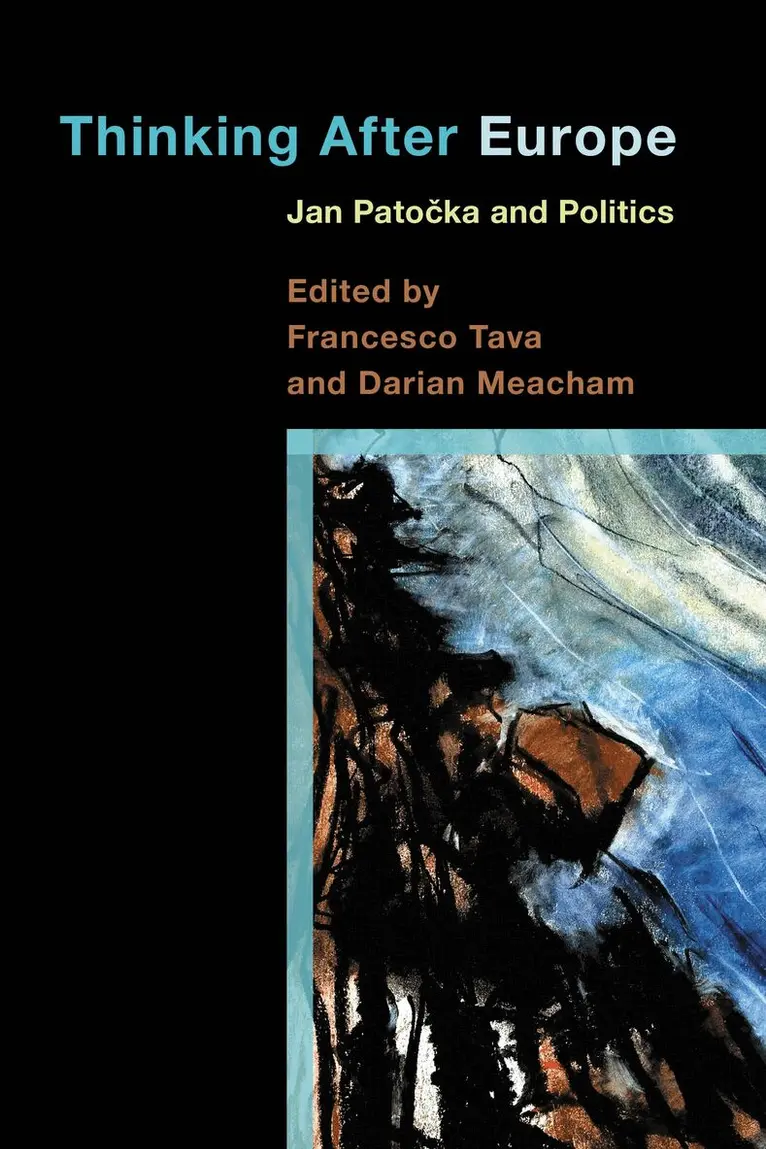
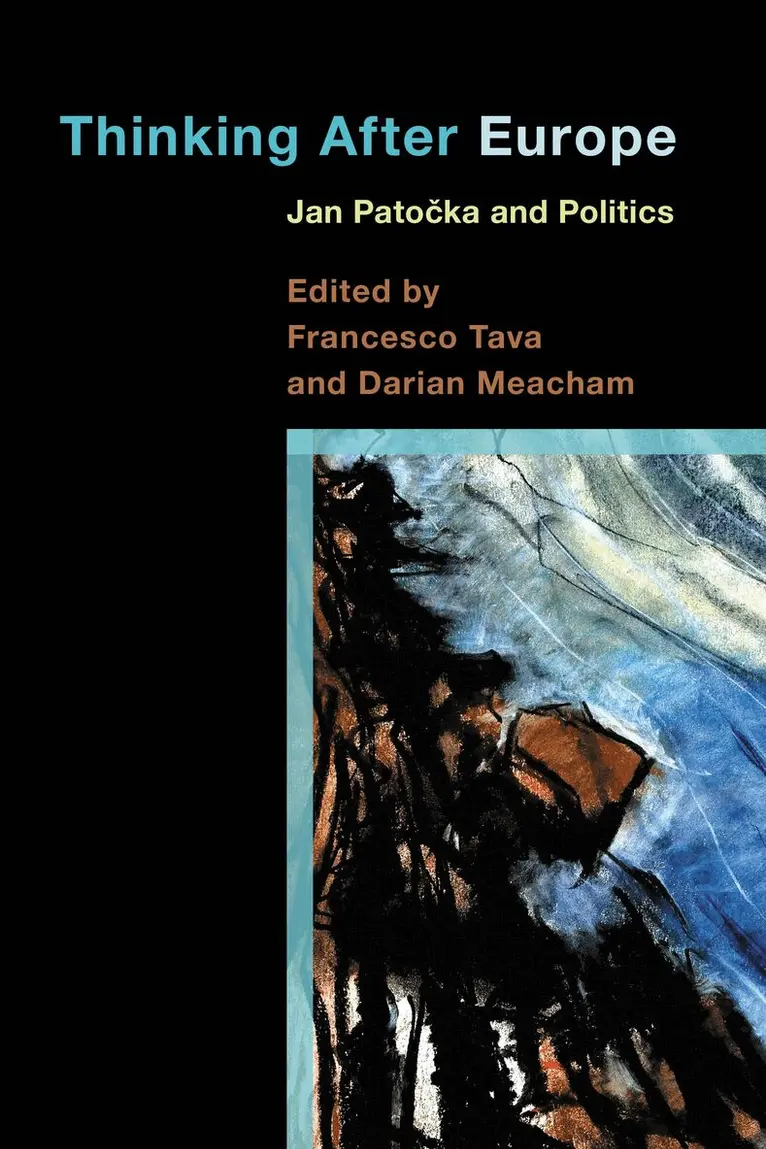
Thinking After Europe
Jan Patocka and Politics
Av Francesco Tava, Darian Meacham
Inbunden, 2016
2016 kr
Lägg i varukorg
Jan Patocka, perhaps more so than any other philosopher in the twentieth century, managed to combine intense philosophical insight with a farsighted analysis of the idea and challenges facing Europe as a historical, cultural and political signifier. As a political dissident in communist …
Thinking After Europe
Jan Patocka and Politics
Av Francesco Tava, Darian Meacham
Häftad, 2016
714 kr
Lägg i varukorg
Jan Patocka, perhaps more so than any other philosopher in the twentieth century, managed to combine intense philosophical insight with a farsighted analysis of the idea and challenges facing Europe as a historical, cultural and political signifier. As a political dissident in communist …
Thinking After Europe
Jan Patocka and Politics
Av Francesco Tava, Darian Meacham
E-bok, 2016
779 kr
Lägg i varukorg
Jan Patocka, perhaps more so than any other philosopher in the twentieth century, managed to combine intense philosophical insight with a farsighted analysis of the idea and challenges facing Europe as a historical, cultural and political signifier. As a political dissident in communist …
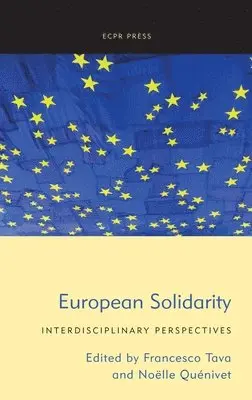
European Solidarity
Interdisciplinary Perspectives
Av Francesco Tava, Noelle Quenivet
Inbunden, 2023
1449 kr
Lägg i varukorg
European Solidarity
Interdisciplinary Perspectives
Av Francesco Tava, Noelle Quenivet
Häftad, 2024
1090 kr
Lägg i varukorg