Francisco J. Carrillo – författare
2 864 kr
Skickas inom 5-8 vardagar
430 kr
Läs direkt efter köp
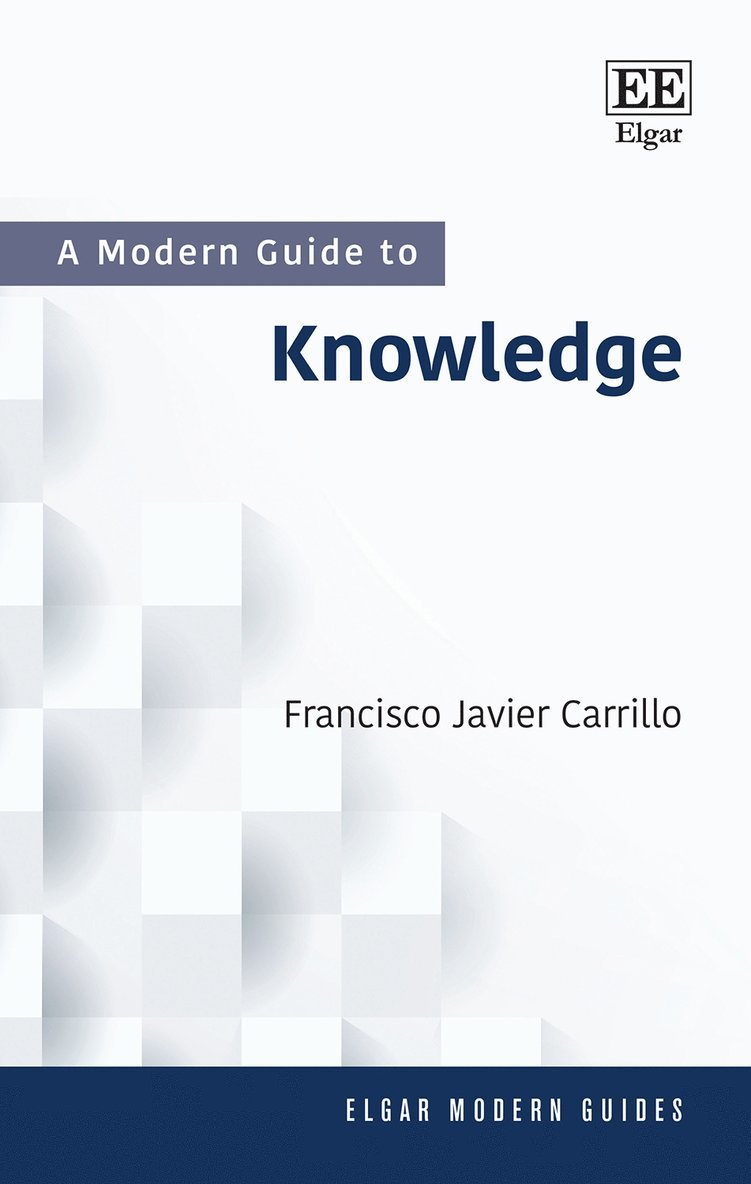
This Modern Guide provides an overview of where we are regarding the knowledge economy and society, how its current form took shape and how our understanding has evolved, from the grounds of the philosophy of knowledge, to include the current branches of the sciences of knowledge. Carrillo further examines the challenges of the Anthropocene and how modern knowledge systems might need to change radically to meet them. The Modern Guide then moves to focus on the integration of epistemic, theoretical, technical and political developments in several fields of knowledge-related aspects of economy and society to offer a more integrated view.
>Multidisciplinary and thorough, this will be an interesting read for scholars of knowledge, society and the environment, as well as students looking at ways to re-evaluate knowledge more broadly. Policymakers and governmental analysts will also benefit from the discussing of the unviability of our current economic culture and the potential options for the future.
2 517 kr
Skickas inom 5-8 vardagar
430 kr
Läs direkt efter köp
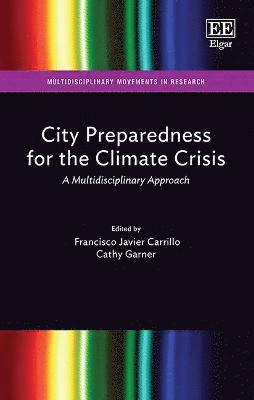
Chapters offer a critical appraisal of the end of an urban epoch: the Holocene city. Moving from more general aspects of urban vulnerability in the face of the Anthropocene, the book then looks at more specific issues and cases illustrating alternative adaptation pathways. It further analyses existing approaches, movements and networks for urban preparedness for the climate crisis, offering visualisations of the ways these can be improved, conceiving alternative futures and reinventing the city.
A timely resource for this emerging topic, the book will be beneficial to urban studies, environmental science and development studies scholars. Practitioners in urban planning, design, management and evaluation will also find the critical case studies in the book particularly helpful.
2 435 kr
Skickas inom 5-8 vardagar
430 kr
Läs direkt efter köp
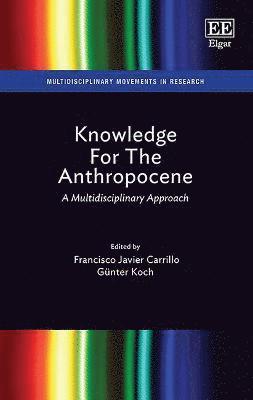
Contributions from a wide spectrum of social scientists, philosophers, activists and decision-makers tackle the importance of knowledge for the Anthropocene using a mosaic of data, theories, cases, models, methods and experiences. Chapters highlight what relevant knowledge will become critical to dealing with deteriorating environmental conditions, as well as how science, technology, education and innovation can be radically transformed to deal with these challenges. The book further explores the behavioural, economic, social and cultural aspects of the Anthropocene, and how knowledge impacts both these and our possible futures.
This will be a critical read for human geography and environmental science scholars, as well as social science scholars more broadly, particularly with its in-depth glossary and digital resource list. It will also aid practitioners in the planning, design, management and evaluation of knowledge systems by providing deeper understandings of the potential circumstances of knowledge in the Anthropocene.