Francisco Pina Polo – författare
Visar alla böcker från författaren Francisco Pina Polo. Handla med fri frakt och snabb leverans.
12 produkter
12 produkter
Inbunden, Engelska, 2011
1 531 kr
Skickas inom 7-10 vardagar
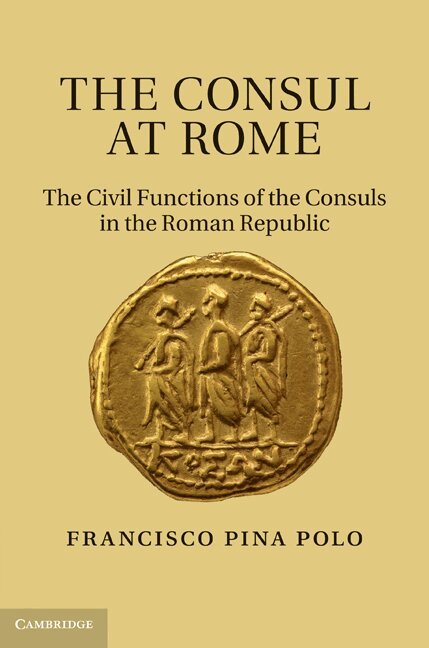
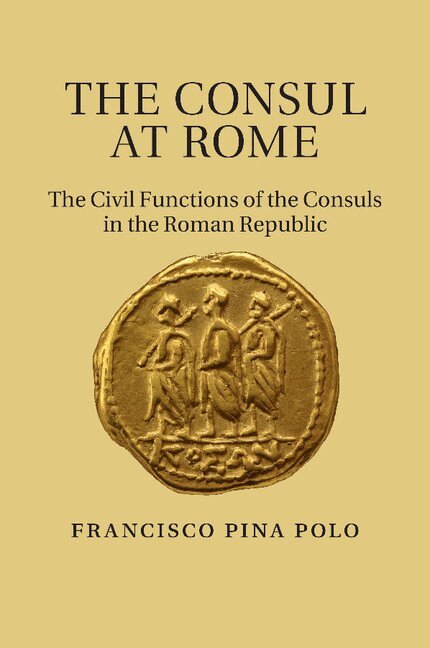
In modern times there have been studies of the Roman Republican institutions as a whole as well as in-depth analyses of the senate, the popular assemblies, the tribunate of the plebs, the aedileship, the praetorship and the censorship. However, the consulship, the highest magistracy of the Roman Republic, has not received the same attention from scholars. The purpose of this book is to analyse the tasks that consuls performed in the civil sphere during their term of office between the years 367 and 50 BC, using the preserved ancient sources as its basis. In short, it is a study of the consuls 'at work', both within and outside the city of Rome, in such varied fields as religion, diplomacy, legislation, jurisdiction, colonisation, elections, and day-to-day politics. Clearly and accessibly written, it will provide an indispensable reference work for all scholars and students of the history of the Roman Republic.
E-bok
PDF, Engelska, 20251 428 kr
Läs direkt efter köp
Inbunden, Engelska, 2025
1 210 kr
Skickas inom 7-10 vardagar
The consulship was the highest office in the Roman Republic. At the end of their term ex-consuls automatically attained the status of consulares, remained members of the Senate for life, gained prestige and influence in Rome and were therefore expected to play a prominent role in Roman politics and society. Holding the consulship by no means marked the end of a consular's political activities. But what did ex-consuls do from the time they completed their consulship until their death? What was their political career? What was their political role in the Senate? What kinds of public tasks and duties did they perform for the res publica? What function did consulares play in Roman society, and how strong was their leadership capacity? This is the first book in any language on the political role of ex-consuls, who formed the top level of the aristocracy during the Roman Republic.
E-bok
Engelska, 20251 415 kr
Läs direkt efter köp
Inbunden, Engelska, 2011
1 531 kr
Skickas inom 7-10 vardagar
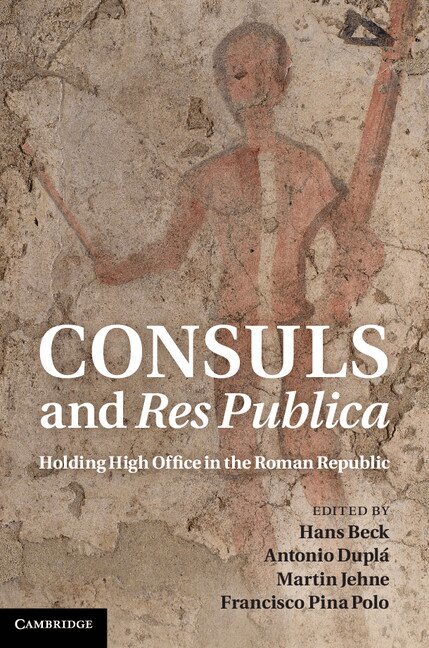
The consulate was the focal point of Roman politics. Both the ruling class and the ordinary citizens fixed their gaze on the republic's highest office - to be sure, from different perspectives and with differing expectations. While the former aspired to the consulate as the defining magistracy of their social status, the latter perceived it as the embodiment of the Roman state. Holding high office was thus not merely a political exercise. The consulate prefigured all aspects of public life, with consuls taking care of almost every aspect of the administration of the Roman state. This multifaceted character of the consulate invites a holistic investigation. The scope of this book is therefore not limited to political or constitutional questions. Instead, it investigates the predominant role of the consulate in and its impact on, the political culture of the Roman republic.
Häftad, Engelska, 2015
542 kr
Skickas inom 7-10 vardagar
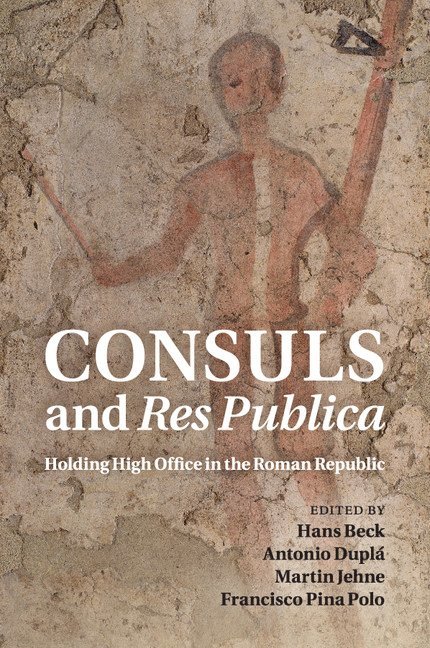
The consulate was the focal point of Roman politics. Both the ruling class and the ordinary citizens fixed their gaze on the republic's highest office - to be sure, from different perspectives and with differing expectations. While the former aspired to the consulate as the defining magistracy of their social status, the latter perceived it as the embodiment of the Roman state. Holding high office was thus not merely a political exercise. The consulate prefigured all aspects of public life, with consuls taking care of almost every aspect of the administration of the Roman state. This multifaceted character of the consulate invites a holistic investigation. The scope of this book is therefore not limited to political or constitutional questions. Instead, it investigates the predominant role of the consulate in and its impact on, the political culture of the Roman republic.
Häftad, Engelska, 2014
668 kr
Skickas inom 7-10 vardagar
In modern times there have been studies of the Roman Republican institutions as a whole as well as in-depth analyses of the senate, the popular assemblies, the tribunate of the plebs, the aedileship, the praetorship and the censorship. However, the consulship, the highest magistracy of the Roman Republic, has not received the same attention from scholars. The purpose of this book is to analyse the tasks that consuls performed in the civil sphere during their term of office between the years 367 and 50 BC, using the preserved ancient sources as its basis. In short, it is a study of the consuls 'at work', both within and outside the city of Rome, in such varied fields as religion, diplomacy, legislation, jurisdiction, colonisation, elections, and day-to-day politics. Clearly and accessibly written, it will provide an indispensable reference work for all scholars and students of the history of the Roman Republic.
Inbunden, Engelska, 2019
1 729 kr
Skickas inom 5-8 vardagar
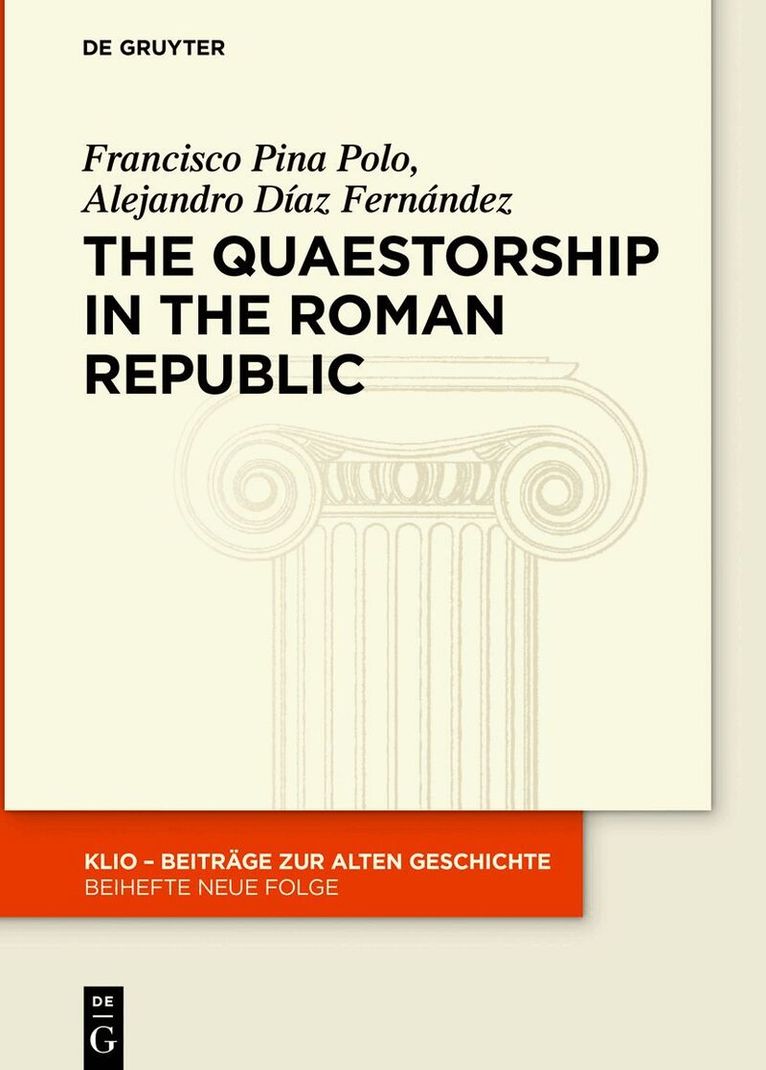
The lack of evidence has proved to be the greatest obstacle involved in reconstructing the quaestorship and has probably discouraged scholars from undertaking a large-scale study of the office. As a consequence, a comprehensive study of the quaestorship has long been a desideratum: this book aims to fill this gap in the scholarship.The book contains a study of the quaestorship throughout the Roman Republic, both in Italy (particularly at Rome) and in the overseas provinces. It includes a history of the office, an analysis of its role within the cursus honorum and its larger importance for the Roman constitution as well as the prosopography of all quaestors known during the Republican period based on the literary, epigraphic and numismatic evidence.The quaestorship was always an office for beginners who aspired to follow a political career and hence served as institutional entrance to the senate. Despite their youth, quaestors were endowed with functions of great significance at Rome and abroad, such as the control and supervision of Rome’s finances. As the book shows, the quaestorship was a prominent and essential part of the Roman administration.
E-bok
Engelska, 20191 763 kr
Läs direkt efter köp
The lack of evidence has proved to be the greatest obstacle involved in reconstructing the quaestorship and has probably discouraged scholars from undertaking a large-scale study of the office. As a consequence, a comprehensive study of the quaestorship has long been a desideratum: this book aims to fill this gap in the scholarship.The book contains a study of the quaestorship throughout the Roman Republic, both in Italy (particularly at Rome) and in the overseas provinces. It includes a history of the office, an analysis of its role within the cursus honorum and its larger importance for the Roman constitution as well as the prosopography of all quaestors known during the Republican period based on the literary, epigraphic and numismatic evidence.The quaestorship was always an office for beginners who aspired to follow a political career and hence served as institutional entrance to the senate. Despite their youth, quaestors were endowed with functions of great significance at Rome and abroad, such as the control and supervision of Rome’s finances. As the book shows, the quaestorship was a prominent and essential part of the Roman administration.
Häftad, Engelska, 2021
380 kr
Skickas inom 5-8 vardagar
The lack of evidence has proved to be the greatest obstacle involved in reconstructing the quaestorship and has probably discouraged scholars from undertaking a large-scale study of the office. As a consequence, a comprehensive study of the quaestorship has long been a desideratum: this book aims to fill this gap in the scholarship.The book contains a study of the quaestorship throughout the Roman Republic, both in Italy (particularly at Rome) and in the overseas provinces. It includes a history of the office, an analysis of its role within the cursus honorum and its larger importance for the Roman constitution as well as the prosopography of all quaestors known during the Republican period based on the literary, epigraphic and numismatic evidence.The quaestorship was always an office for beginners who aspired to follow a political career and hence served as institutional entrance to the senate. Despite their youth, quaestors were endowed with functions of great significance at Rome and abroad, such as the control and supervision of Rome’s finances. As the book shows, the quaestorship was a prominent and essential part of the Roman administration.
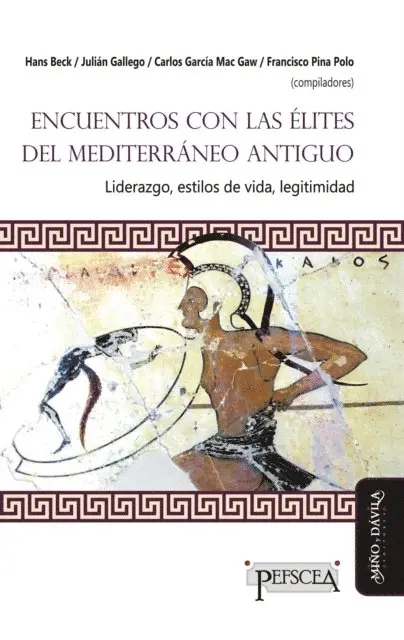
Del 12 - Estudios del Mediterráneo Antiguo / Pefscea
Encuentro con las élites del Mediterráneo antiguo
Liderazgo, estilos de vida, letigimidad
Häftad, Spanska, 2021
205 kr
Skickas inom 5-8 vardagar
E-bok
Spanska, 202168 kr
Läs direkt efter köp
Las élites dirigentes constituyen un objeto de atención creciente. Este interés no es ajeno a la evolución del mundo actual, que evidencia una fase de concentración superlativa de la riqueza desde el vuelco ocurrido en la década de 1980. En este contexto, los estudios sobre las élites han conocido un significativo salto cualitativo tanto en los espacios académicos como en los ámbitos ligados a la experiencia política actual, que pone de relieve cómo las élites utilizan los medios de comunicación para obtener apoyos para sus respectivas agendas.En el Mediterráneo antiguo, el dominio de las élites se forjó sobre las intrincadas relaciones entre el estatus social y una organización política orientada hacia la preeminencia de los sectores superiores de la sociedad. Sin embargo, el simple binomio élites/no-élites se complica a causa de las múltiples conjunciones y relaciones mutuas que trascienden esa clara división. A partir del giro cultural, los estudiosos han comenzado a explorar las interconexiones profundas de dicho binomio, sometiendo a escrutinio la actividad pública de las élites, sus estrategias de comunicación, sus usos del capital económico, cultural y simbólico, sus ámbitos de acción, la diferenciación de sus roles públicos y privados, etc. En suma, las antiguas élites mediterráneas tuvieron que demostrar su competencia y respetabilidad en los diversos ámbitos de actuación y, por ende, debieron ser líderes no solo del progreso y la innovación, como Max Weber las describió, sino también de unos complejos sistemas de comunicación.Para materializar estos aspectos, las élites antiguas deben ser ubicadas en su propio contexto cultural. A través de una serie de artículos cuyos autores abordan los temas desde diferentes perspectivas, este volumen explora en particular tres vectores del elitismo: la comunicación del liderazgo y de las funciones propias del liderazgo; la distinción de la élite mediante estilos de vida reconocibles; y las estrategias discursivas para asegurar la legitimidad de la élite.