Francisco Yus – författare
727 kr
Läs direkt efter köp
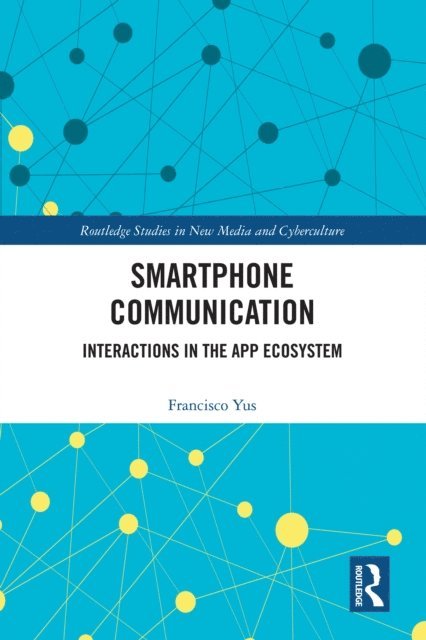
This book offers a unique model for understanding the cognitive underpinnings, interactions and discursive effects of our evolving use of smartphones in everyday app-mediated communication, from text messages and GIFs to images, video and social media apps.
Adopting a cyberpragmatics framework, grounded in cognitive pragmatics and relevance theory, it gives attention to how both the particular interfaces of different apps and users’ personal attributes influence the contexts and uses of smartphone communication. The communication of emotions – in addition to primarily linguistic content – is foregrounded as an essential element of the kinds of ever-present paralinguistic and phatic communication that characterises our exchange of memes, GIFs, "likes," and image- and video-based content. Insights from related disciplines such as media studies and sociology are incorporated as the author unpacks the timeliest questions of our digitally mediated age.
Aimed primarily at scholars and graduate students of communication, linguistics, pragmatics, media studies, and sociology of mass media, Smartphone Communication traffics in topics that will likewise engage upper-level undergraduate students.
727 kr
Läs direkt efter köp
This book offers a unique model for understanding the cognitive underpinnings, interactions and discursive effects of our evolving use of smartphones in everyday app-mediated communication, from text messages and GIFs to images, video and social media apps.
Adopting a cyberpragmatics framework, grounded in cognitive pragmatics and relevance theory, it gives attention to how both the particular interfaces of different apps and users’ personal attributes influence the contexts and uses of smartphone communication. The communication of emotions – in addition to primarily linguistic content – is foregrounded as an essential element of the kinds of ever-present paralinguistic and phatic communication that characterises our exchange of memes, GIFs, "likes," and image- and video-based content. Insights from related disciplines such as media studies and sociology are incorporated as the author unpacks the timeliest questions of our digitally mediated age.
Aimed primarily at scholars and graduate students of communication, linguistics, pragmatics, media studies, and sociology of mass media, Smartphone Communication traffics in topics that will likewise engage upper-level undergraduate students.
706 kr
Läs direkt efter köp
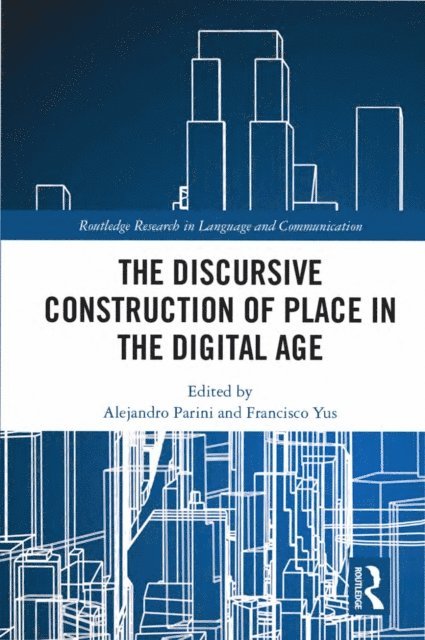
This collection calls for greater attention to the need for a clearer understanding of the role of discourse in the process of placemaking in the digital age and the increasing hybridisation of physical and virtual worlds.
The volume outlines a new conceptualisation of place in the time of smartphones, whose technological and social affordances evoke placemaking as a collaborative endeavour which allows users to create and maintain a sense of community around place as shareable or collective experience. Taken together, the chapters argue for a greater emphasis on the ways in which users employ discourse to manage this physical-virtual interface in digital interactions and in turn, produce “remixed” cultural practices that draw on diverse digital semiotic resources and reflect their everyday experiences of place and location. The book explores a wide range of topics and contexts which embody these dynamics, including livestreaming platforms, mourning in the digital age, e-service encounters, and Internet forums. While the overlay of physical and virtual information on location-based media is not a new phenomenon, this volume argues that, in the face of its increasing pervasiveness, we can better understand its unfolding and future directions for research by accounting for the significance of place in today’s interactions.
This book will be of interest to students and scholars in discourse analysis, digital communication, pragmatics, and media studies.
682 kr
Läs direkt efter köp
This collection calls for greater attention to the need for a clearer understanding of the role of discourse in the process of placemaking in the digital age and the increasing hybridisation of physical and virtual worlds.
The volume outlines a new conceptualisation of place in the time of smartphones, whose technological and social affordances evoke placemaking as a collaborative endeavour which allows users to create and maintain a sense of community around place as shareable or collective experience. Taken together, the chapters argue for a greater emphasis on the ways in which users employ discourse to manage this physical-virtual interface in digital interactions and in turn, produce “remixed” cultural practices that draw on diverse digital semiotic resources and reflect their everyday experiences of place and location. The book explores a wide range of topics and contexts which embody these dynamics, including livestreaming platforms, mourning in the digital age, e-service encounters, and Internet forums. While the overlay of physical and virtual information on location-based media is not a new phenomenon, this volume argues that, in the face of its increasing pervasiveness, we can better understand its unfolding and future directions for research by accounting for the significance of place in today’s interactions.
This book will be of interest to students and scholars in discourse analysis, digital communication, pragmatics, and media studies.
2 423 kr
Skickas inom 10-15 vardagar
644 kr
Skickas inom 10-15 vardagar
2 350 kr
Skickas inom 10-15 vardagar
597 kr
Skickas inom 10-15 vardagar
2 375 kr
Kommande
1 509 kr
Skickas inom 10-15 vardagar
1 899 kr
Läs direkt efter köp
648 kr
Skickas inom 5-8 vardagar
1 509 kr
Skickas inom 10-15 vardagar
1 509 kr
Skickas inom 10-15 vardagar
1 891 kr
Läs direkt efter köp
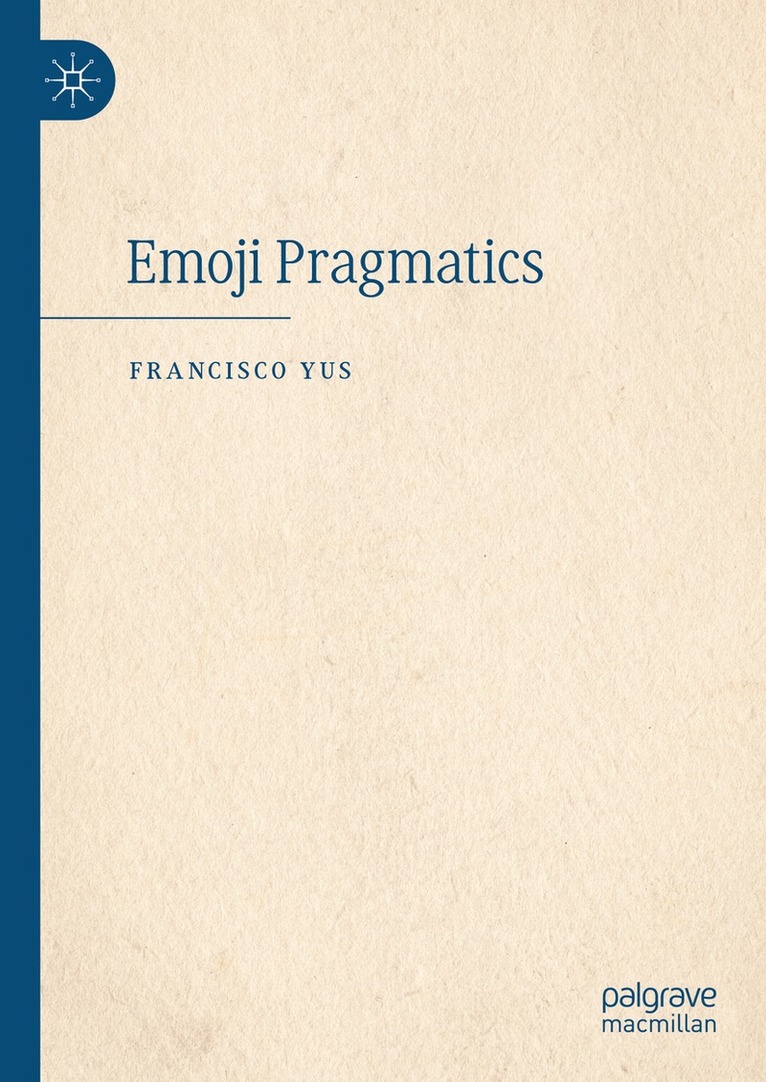
Emoji is everywhere—on messaging apps, social networking sites, and even in offline media like billboards, films, and printed ads. While there is a substantial existing bibliography on emojis, it often fails to address their functions and interpretations in purely pragmatic terms, specifically focusing on their impact on inferential strategies for both the emojis themselves and accompanying texts. Existing books on this topic tend to focus on the semiotic aspects or visual impact of emojis, rather than their crucial role in interpreting the messaging text or social media post to which they are attached, as well as the way they communicate their own meanings when used in isolation (so-called naked emojis). This book is original in analysing the pragmatic roles that emojis play in online communication, the additional information they convey, and the role of context in their successful interpretation. The book also argues that, despite the apparent differences between words and images, emojis perform similar functions and are inferred in similar ways to words, with the aid of context. Additionally, the book dedicates several chapters to demographic variables (age, gender, ethnic origin, personality, etc.), the role of “interface affordances” in emoji use, and thematic areas where emojis are frequently found: humour, advertising/marketing, politics, law, and health.
1 509 kr
Skickas inom 10-15 vardagar
Metaphor in Economics and Specialised Discourse
877 kr
Skickas inom 5-8 vardagar