François Gauthier - Böcker
Visar alla böcker från författaren François Gauthier. Handla med fri frakt och snabb leverans.
12 produkter
12 produkter
2 103 kr
Skickas inom 10-15 vardagar
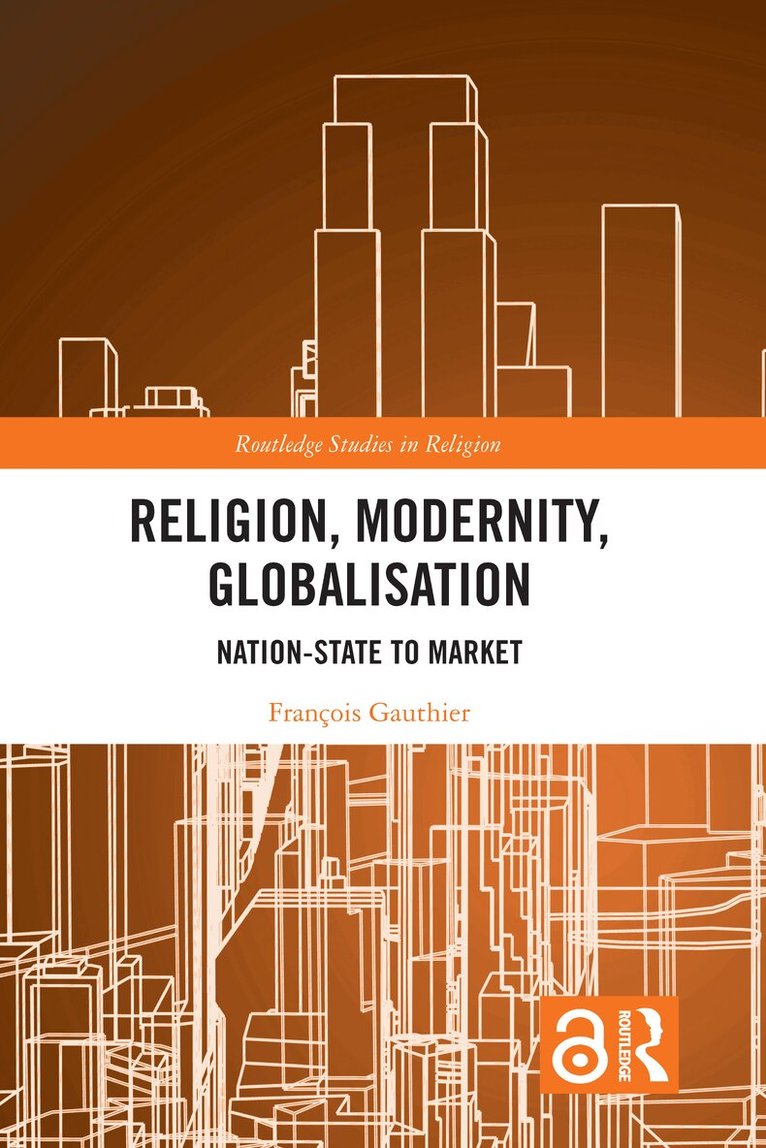
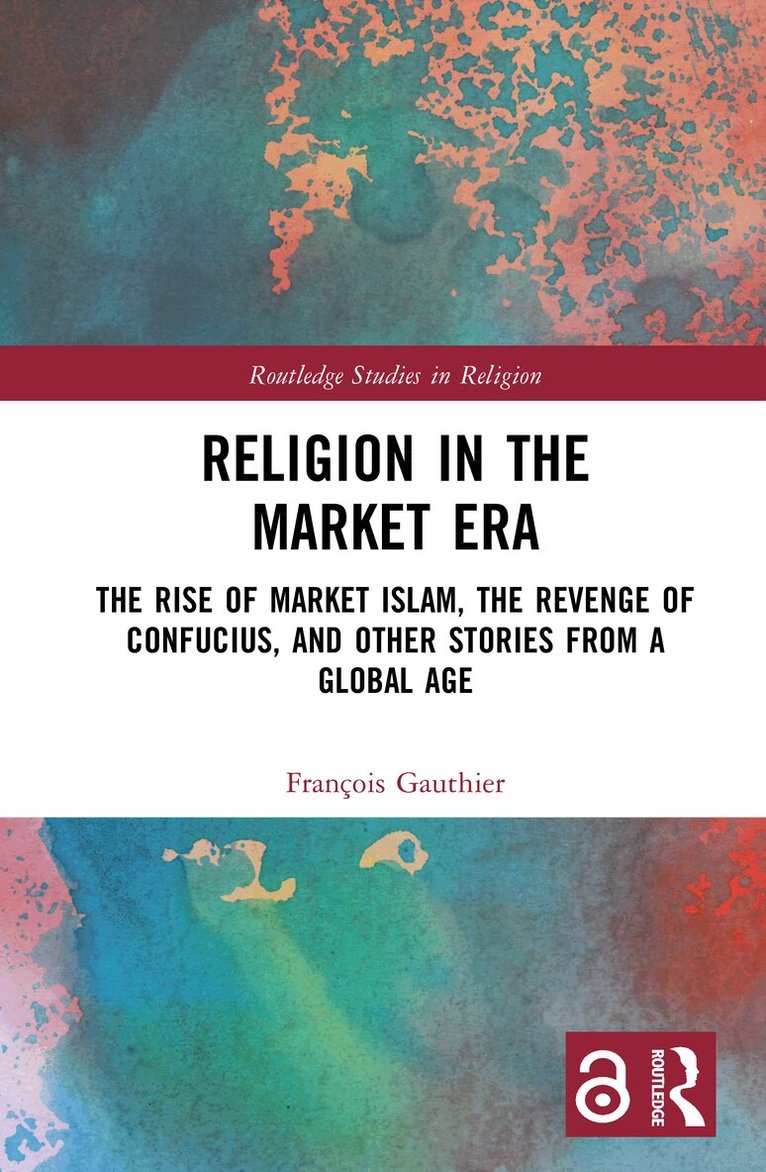
This book argues that the last four decades have seen profound and important changes in the nature and social location of religion, and that those changes are best understood when cast against the associated rise of consumerism and neoliberalism. These transformations are often misunderstood and underestimated, namely because the study of religion remains dependent on the secularisation paradigm which can no longer provide a sufficiently fruitful framework for analysis.The book challenges diagnoses of transience and fragmentation by proposing an alternative narrative and set of concepts for understanding the global religious landscape. The present situation is framed as the result of a shift from a National-Statist to a Global-Market regime of religion. Adopting a holistic perspective that breaks with the current specialisation tendencies, it charts the emergence of the State and the Market as institutions and ideas related to social order, as well as their changing rapports from classical modernity to today. Breaking with a tradition of Western-centeredness, the book offers probing enquiries into Indonesia and a synthesis of global and Western trends.This long-awaited book offers a bold new vision for the social scientific study of religion and will be of great interest to all scholars of the Sociology and Anthropology of religion, as well as Religious Studies in general.The Open Access version of this book, available at http://www.taylorfrancis.com, has been made available under a Creative Commons-Attribution-Non Commercial-No Derivatives (CC BY-NC-ND) 4.0 license.
2 088 kr
Skickas inom 10-15 vardagar
The Marketization of Religion provides a novel theoretical understanding of the relationship between religion and economy of today’s world. A major feature of today's capitalism is ‘marketization’. While the importance that economics and economics-related phenomena have acquired in modern societies has increased since the consumer and neoliberal revolutions and their shock waves worldwide, social sciences of religion are still lagging behind acknowledging the consequences of these changes and incorporating them in their analysis of contemporary religion.Religion, as many other social realities, has been traditionally understood as being of a completely different nature than the market. Like oil and water, religion and the market have been mainly cast as indissoluble into one another. Even if notions such as the marketization, commoditization or branding of religion and images such as the religious and spiritual marketplace have become popular, some of the contributions aligned in this volume show how this usage is mostly metaphorical, and at the very least problematic. What does the marketization of religion mean?The chapters provide both theoretical and empirical discussion of the changing dynamics of economy and religion in today’s world. Through the lenses of marketization, the volume discusses the multiple, at times surprising, connections of a global religious reformation. Furthermore, in its use of empirical examples, it shows how different religions in various social contexts are reformed due to growing importance of a neoliberal and consumerist logic.This book was originally published as a special issue of the journal Religion.
576 kr
Skickas inom 10-15 vardagar
The Marketization of Religion provides a novel theoretical understanding of the relationship between religion and economy of today’s world. A major feature of today's capitalism is ‘marketization’. While the importance that economics and economics-related phenomena have acquired in modern societies has increased since the consumer and neoliberal revolutions and their shock waves worldwide, social sciences of religion are still lagging behind acknowledging the consequences of these changes and incorporating them in their analysis of contemporary religion.Religion, as many other social realities, has been traditionally understood as being of a completely different nature than the market. Like oil and water, religion and the market have been mainly cast as indissoluble into one another. Even if notions such as the marketization, commoditization or branding of religion and images such as the religious and spiritual marketplace have become popular, some of the contributions aligned in this volume show how this usage is mostly metaphorical, and at the very least problematic. What does the marketization of religion mean?The chapters provide both theoretical and empirical discussion of the changing dynamics of economy and religion in today’s world. Through the lenses of marketization, the volume discusses the multiple, at times surprising, connections of a global religious reformation. Furthermore, in its use of empirical examples, it shows how different religions in various social contexts are reformed due to growing importance of a neoliberal and consumerist logic.This book was originally published as a special issue of the journal Religion.
671 kr
Skickas inom 10-15 vardagar
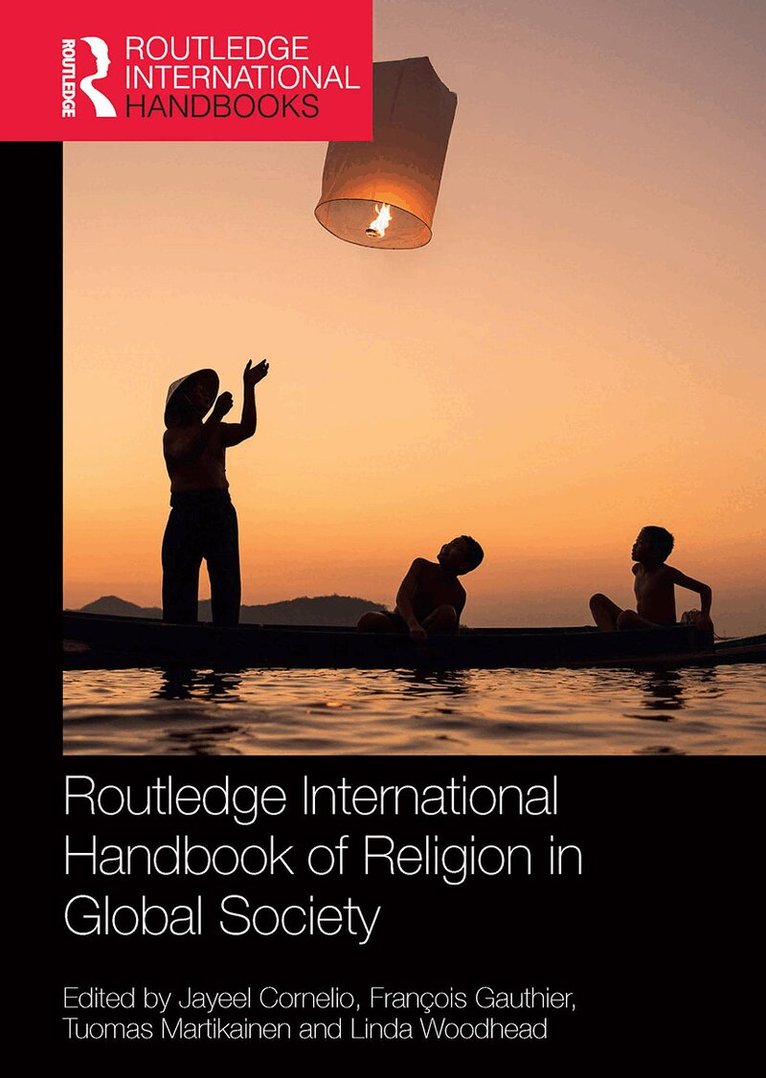
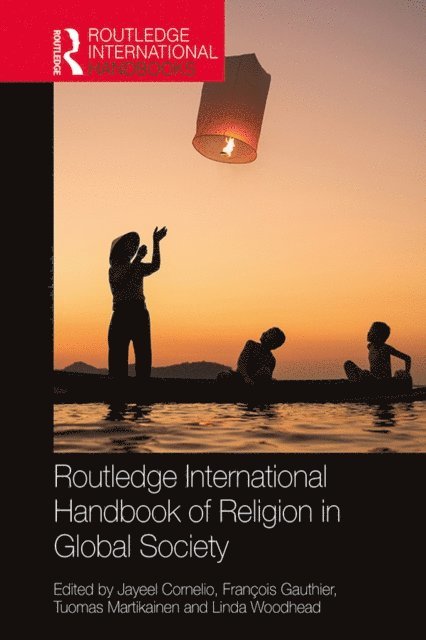
Like any other subject, the study of religion is a child of its time. Shaped and forged over the course of the twentieth century, it has reflected the interests and political situation of the world at the time. As the twenty-first century unfolds, it is undergoing a major transition along with religion itself. This volume showcases new work and new approaches to religion which work across boundaries of religious tradition, academic discipline and region.The influence of globalizing processes has been evident in social and cultural networking by way of new media like the internet, in the extensive power of global capitalism and in the increasing influence of international bodies and legal instruments. Religion has been changing and adapting too. This handbook offers fresh insights on the dynamic reality of religion in global societies today by underscoring transformations in eight key areas: Market and Branding; Contemporary Ethics and Virtues; Intimate Identities; Transnational Movements; Diasporic Communities; Responses to Diversity; National Tensions; and Reflections on ‘Religion’. These themes demonstrate the handbook’s new topics and approaches that move beyond existing agendas. Bringing together scholars of all ages and stages of career from around the world, the handbook showcases the dynamism of religion in global societies. It is an accessible introduction to new ways of approaching the study of religion practically, theoretically and geographically.
Religion in the Market Era
The Rise of Market Islam, the Revenge of Confucius, and Other Stories From a Global Age
Inbunden, Engelska, 2025
2 088 kr
Skickas inom 10-15 vardagar
This book aims to expand the limits of the social-scientific study of religion and define a coherent model of recent global transformations of religion, challenging the paradigm of secularisation and post-secularisation. Using a wide-ranging selection of case studies, including global Islam, post-Soviet Eastern Europe, and China, the author argues that since the 1980s, religion has been dramatically shaped around the world by neoliberalism and consumerism. Providing a global, macro-level history of how religion has changed in the past four decades, this book contends that the rise of economics as a dominant social sphere is central to understanding the ongoing changes in contemporary world religions.The Open Access version of this book, available at http://www.taylorfrancis.com, has been made available under a Creative Commons Attribution-Non Commercial-No Derivatives (CC BY-NC-ND) 4.0 license.
3 265 kr
Skickas inom 10-15 vardagar
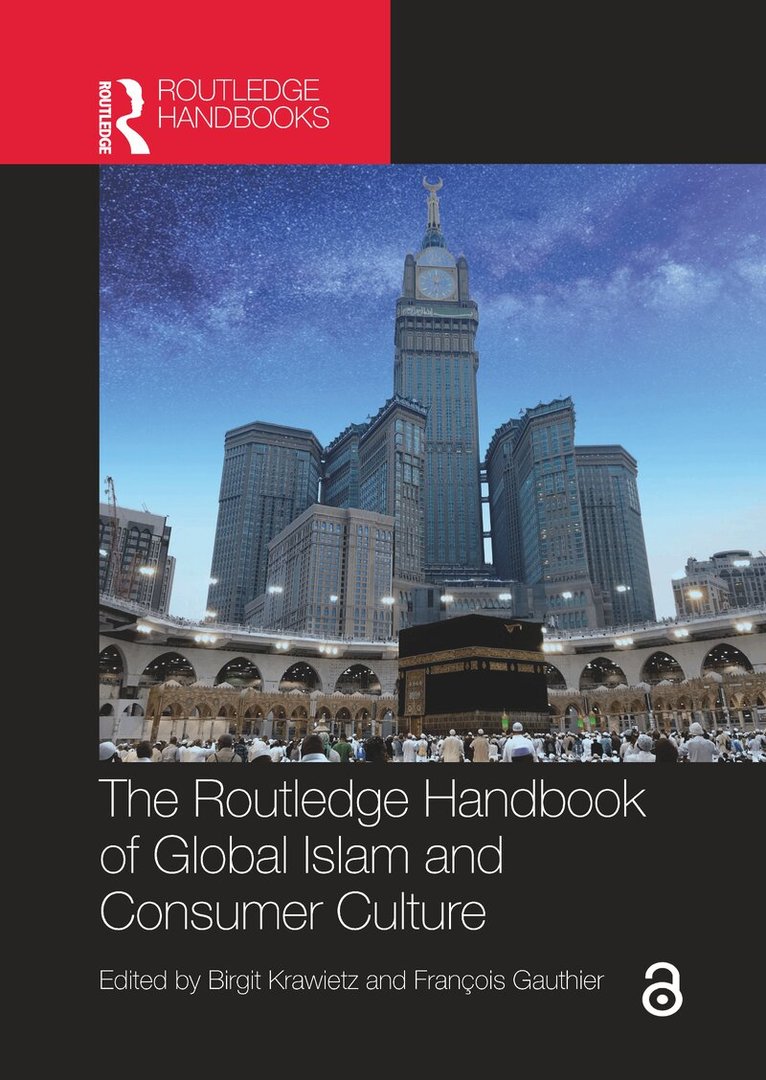
The Routledge Handbook of Global Islam and Consumer Culture is an outstanding inter- and transdisciplinary reference source to key topics, problems, and debates in this challenging research field. The study of Islam is enriched by investigating religion and, notably, Islamic normativity (fiqh) as a resource for product design, attitudes toward commodification, and appropriated patterns of behavior. Comprising 35 chapters (including an extended Introduction) by a team of international contributors from chairholders to advanced graduate students, the handbook is divided into seven parts:Guiding Frameworks of UnderstandingHistorical ProbesUrbanism and ConsumptionBody Manipulation, Vestiary Regimes, and GenderMediated Religion and CultureConsumer Culture, Lifestyle, and Senses of the Self through ConsumptionMarketsThese sections examine vibrant debates around consumption, frugality, Islamic jurisprudence and fatwas in the world economy, capitalism, neoliberalism, trade relations, halalization, (labor) tourism and travel infrastructure, body modification, fashion, self-fashioning, lifestylization, Islamic kitsch, urban regeneration, heritage, Islamic finance, the internet, and Quran recitation versus music. Contributions present selected case studies from countries across the world, including China, Indonesia, Malaysia, Morocco, Nigeria, Qatar, Pakistan, and Turkey.The handbook is essential reading for students and researchers in Islamic studies, Near and Middle Eastern studies, religious studies, and cultural studies. The handbook will also be very useful for those in related fields, such as politics, area studies, sociology, anthropology, and history.Chapter 11 of this book is freely available as a downloadable Open Access PDF at http://www.taylorfrancis.com under a Creative Commons [Attribution-Non Commercial-No Derivatives (CC BY-NC-ND) 4.0 license.
631 kr
Skickas inom 10-15 vardagar
This book argues that the last four decades have seen profound and important changes in the nature and social location of religion, and that those changes are best understood when cast against the associated rise of consumerism and neoliberalism. These transformations are often misunderstood and underestimated, namely because the study of religion remains dependent on the secularisation paradigm which can no longer provide a sufficiently fruitful framework for analysis. The book challenges diagnoses of transience and fragmentation by proposing an alternative narrative and set of concepts for understanding the global religious landscape. The present situation is framed as the result of a shift from a National-Statist to a Global-Market regime of religion. Adopting a holistic perspective that breaks with the current specialisation tendencies, it charts the emergence of the State and the Market as institutions and ideas related to social order, as well as their changing rapports from classical modernity to today. Breaking with a tradition of Western-centeredness, the book offers probing enquiries into Indonesia and a synthesis of global and Western trends.This long-awaited book offers a bold new vision for the social scientific study of religion and will be of great interest to all scholars of the Sociology and Anthropology of religion, as well as Religious Studies in general.
3 163 kr
Skickas inom 10-15 vardagar
Like any other subject, the study of religion is a child of its time. Shaped and forged over the course of the twentieth century, it has reflected the interests and political situation of the world at the time. As the twenty-first century unfolds, it is undergoing a major transition along with religion itself. This volume showcases new work and new approaches to religion which work across boundaries of religious tradition, academic discipline and region.The influence of globalizing processes has been evident in social and cultural networking by way of new media like the internet, in the extensive power of global capitalism and in the increasing influence of international bodies and legal instruments. Religion has been changing and adapting too. This handbook offers fresh insights on the dynamic reality of religion in global societies today by underscoring transformations in eight key areas: Market and Branding; Contemporary Ethics and Virtues; Intimate Identities; Transnational Movements; Diasporic Communities; Responses to Diversity; National Tensions; and Reflections on ‘Religion’. These themes demonstrate the handbook’s new topics and approaches that move beyond existing agendas. Bringing together scholars of all ages and stages of career from around the world, the handbook showcases the dynamism of religion in global societies. It is an accessible introduction to new ways of approaching the study of religion practically, theoretically and geographically.
766 kr
Skickas inom 10-15 vardagar
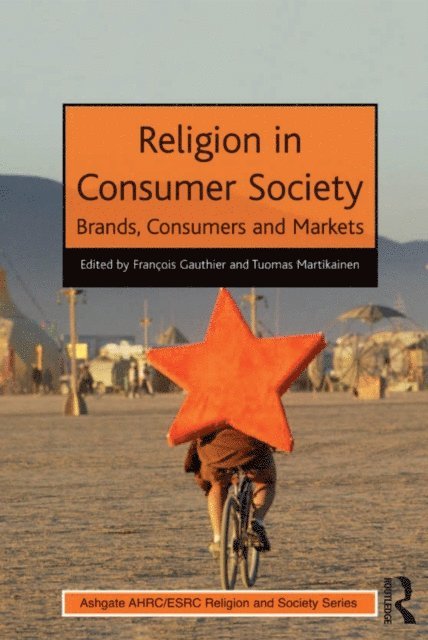
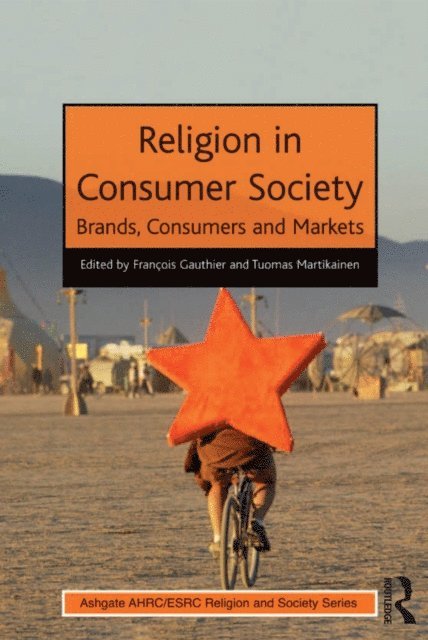
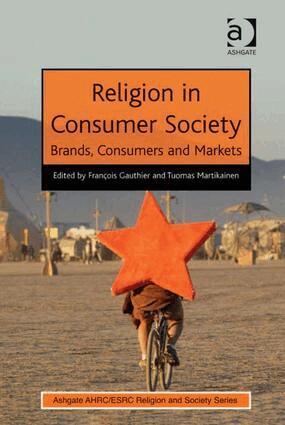
Presenting an overview of an emerging field in the study of contemporary religion, this book, together with a complementary volume Religion in the Neoliberal Age, explores issues of religion, neoliberalism and consumer society. Claiming that we have entered a new phase that implies more than the recasting of state-religion relations, the authors examine how religious changes are historically anchored in modernity but affected by the commoditization, mediatization, neoliberalization and globalization of society and social life. Religion in Consumer Society explores religion as both shaped by consumer culture and as shaping consumer culture. Following an introduction which critically analyses studies on consumer culture and integrates scholarship in the sociology of religion, this book explores the following topics: how consumerism and electronic media have shaped globalized culture, and how this is affecting religion; the dynamics and characteristics of often overlooked middle-class religion, and how these relate to globalization and differences between 'developed' and 'emerging' countries; emerging trends, and how we understand phenomena as different as mega churches and holistic spiritualistic journeys, and how the pressures of consumer culture act on religious traditions, indigenous and exogenous; the politics of religious phenomena in the Age of Neoliberalism; and the hybrid areas emerging from these reconfigurations of religion and the market. Outlining changes in both the political-institutional and cultural spheres, the contributors offer an international overview of developments in different countries and state of the art representation of religion in the new global political economy.
766 kr
Skickas inom 10-15 vardagar
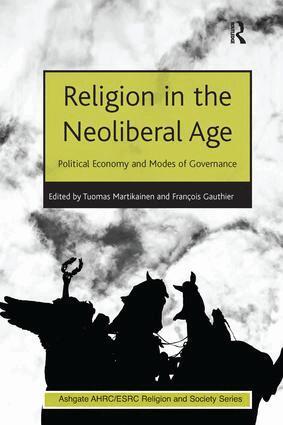
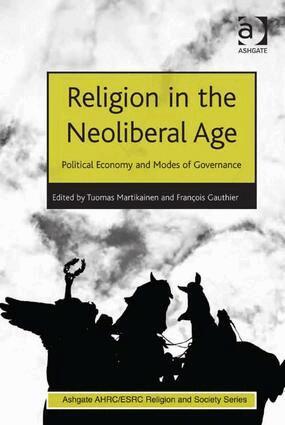
This book, together with a complementary volume 'Religion in Consumer Society', focuses on religion, neoliberalism and consumer society; offering an overview of an emerging field of research in the study of contemporary religion. Claiming that we are entering a new phase of state-religion relations, the editors examine how this is historically anchored in modernity but affected by neoliberalization and globalization of society and social life. Seemingly distant developments, such as marketization and commoditization of religion as well as legalization and securitization of social conflicts, are transforming historical expressions of 'religion' and 'religiosity' yet these changes are seldom if ever understood as forming a coherent, structured and systemic ensemble. 'Religion in the Neoliberal Age' includes an extensive introduction framing the research area, and linking it to existing scholarship, before looking at four key issues: 1. How changes in state structures have empowered new modes of religious activity in welfare production and the delivery of a range of state services; 2. How are religion-state relations transforming under the pressures of globalization and neoliberalism; 3. How historical churches and their administrations are undergoing change due to structural changes in society, and what new forms of religious body are emerging; 4. How have law and security become new areas for solving religious conflicts. Outlining changes in both the political-institutional and cultural spheres, the contributors offer an international overview of developments in different countries and state of the art representation of religion in the new global political economy.
2 290 kr
Skickas inom 10-15 vardagar
This book, together with a complementary volume 'Religion in Consumer Society', focuses on religion, neoliberalism and consumer society; offering an overview of an emerging field of research in the study of contemporary religion. Claiming that we are entering a new phase of state-religion relations, the editors examine how this is historically anchored in modernity but affected by neoliberalization and globalization of society and social life. Seemingly distant developments, such as marketization and commoditization of religion as well as legalization and securitization of social conflicts, are transforming historical expressions of 'religion' and 'religiosity' yet these changes are seldom if ever understood as forming a coherent, structured and systemic ensemble. 'Religion in the Neoliberal Age' includes an extensive introduction framing the research area, and linking it to existing scholarship, before looking at four key issues: 1. How changes in state structures have empowered new modes of religious activity in welfare production and the delivery of a range of state services; 2. How are religion-state relations transforming under the pressures of globalization and neoliberalism; 3. How historical churches and their administrations are undergoing change due to structural changes in society, and what new forms of religious body are emerging; 4. How have law and security become new areas for solving religious conflicts. Outlining changes in both the political-institutional and cultural spheres, the contributors offer an international overview of developments in different countries and state of the art representation of religion in the new global political economy.
2 290 kr
Skickas inom 10-15 vardagar
Presenting an overview of an emerging field in the study of contemporary religion, this book, together with a complementary volume Religion in the Neoliberal Age, explores issues of religion, neoliberalism and consumer society. Claiming that we have entered a new phase that implies more than the recasting of state-religion relations, the authors examine how religious changes are historically anchored in modernity but affected by the commoditization, mediatization, neoliberalization and globalization of society and social life. Religion in Consumer Society explores religion as both shaped by consumer culture and as shaping consumer culture. Following an introduction which critically analyses studies on consumer culture and integrates scholarship in the sociology of religion, this book explores the following topics: how consumerism and electronic media have shaped globalized culture, and how this is affecting religion; the dynamics and characteristics of often overlooked middle-class religion, and how these relate to globalization and differences between 'developed' and 'emerging' countries; emerging trends, and how we understand phenomena as different as mega churches and holistic spiritualistic journeys, and how the pressures of consumer culture act on religious traditions, indigenous and exogenous; the politics of religious phenomena in the Age of Neoliberalism; and the hybrid areas emerging from these reconfigurations of religion and the market. Outlining changes in both the political-institutional and cultural spheres, the contributors offer an international overview of developments in different countries and state of the art representation of religion in the new global political economy.