Frank Gunderson - Böcker
Visar alla böcker från författaren Frank Gunderson. Handla med fri frakt och snabb leverans.
5 produkter
5 produkter
1 989 kr
Skickas inom 5-8 vardagar
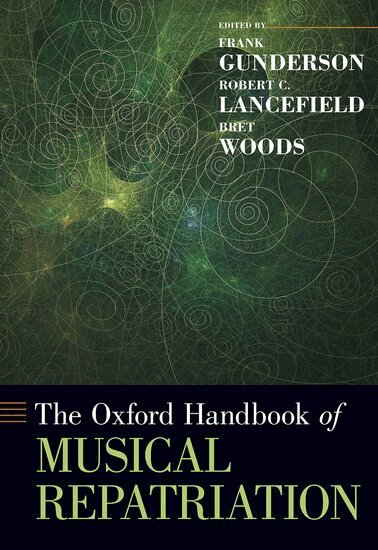
The Oxford Handbook of Musical Repatriation is a significant edited volume that critically explores issues surrounding musical repatriation, chiefly of recordings from audiovisual archives. The Handbook provides a dynamic and richly layered collection of stories and critical questions for anyone engaged or interested in repatriation or archival work. Repatriation often is overtly guided by an ethical mandate to "return" something to where it belongs, by such means as working to provide reconnection and Indigenous control and access to cultural materials. Essential as these mandates can be, this remarkable volume reveals dimensions to repatriation beyond those which can be understood as simple acts of "giving back" or returning an archive to its "homeland." Musical repatriation can entail subjective negotiations involving living subjects, intangible elements of cultural heritage, and complex histories, situated in intersecting webs of power relations and manifold other contexts. The forty-eight expert authors of this book's thirty-eight chapters engage with multifaceted aspects of musical repatriation, situating it as a concept encompassing widely ranging modes of cultural work that can be both profoundly interdisciplinary and embedded at the core of ethnographic and historical scholarship. These authors explore a rich variety of these processes' many streams, making the volume a compelling space for critical analysis of musical repatriation and its wider significance. The Handbook presents these chapters in a way that offers numerous emergent perspectives, depending on one's chosen trajectory through the volume. From retracing the paths of archived collections to exploring memory, performance, research goals, institutional power, curation, preservation, pedagogy and method, media and transmission, digital rights and access, policy and privilege, intellectual property, ideology, and the evolving institutional norms that have marked the preservation and ownership of musical archives-The Oxford Handbook of Musical Repatriation addresses these key topics and more in a deep, richly detailed, and diverse exploration.
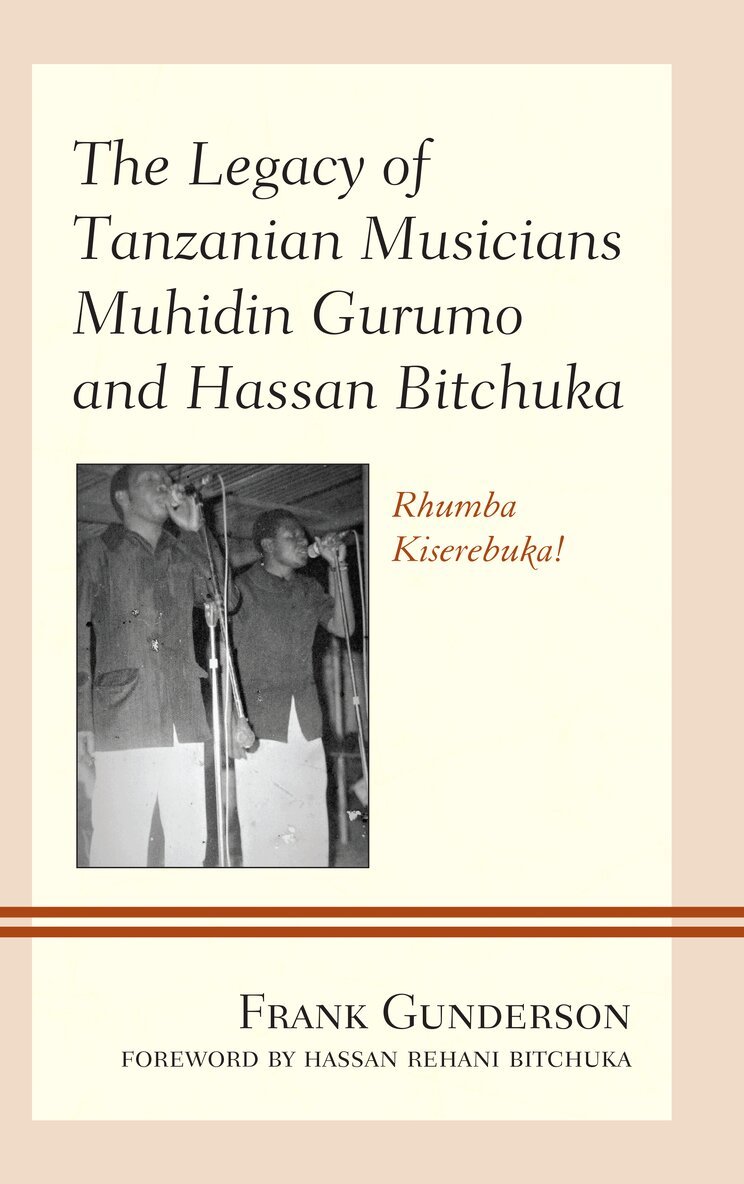
Legacy of Tanzanian Musicians Muhidin Gurumo and Hassan Bitchuka
Rhumba Kiserebuka!
Inbunden, Engelska, 2018
1 926 kr
Skickas inom 3-6 vardagar
Muhidin Maalim Gurumo and Hassan Rehani Bitchuka are two of Tanzania’s most well-known singers in the popular music genre known as muziki wa dansi (literally, 'music for dancing'), a variation of the Cuban-based rhumba idiom that has been enormously impactful throughout central, eastern, and western Africa in the contemporary era. This interview-based dual biography investigates the lives and careers of these two men from an ethnomusicological and historical perspective. Gurumo had a career spanning fifty years before his death in 2014. Bitchuka has been singing professionally for forty-five years. The two singers, affectionately called mapacha (“the twins”) by their colleagues, worked together as partners for thirty years from 1973-2003. This study situates these exemplary individuals as creative agents in a local cultural context, showcasing interviews, narratives, and nostalgic reminiscences about musical life lived under Colonialism, state Socialism, and current politics in the global neoliberal democratic milieu. The book adds to a growing body of work about popular music in Dar es Salaam and shines a light on these artists’ creative processes, the choices they have made regarding rare resources, their styles and efficacy in conflict resolution, and their own memories regarding the musical art they have created.
1 048 kr
Skickas inom 5-8 vardagar
1 227 kr
Kommande
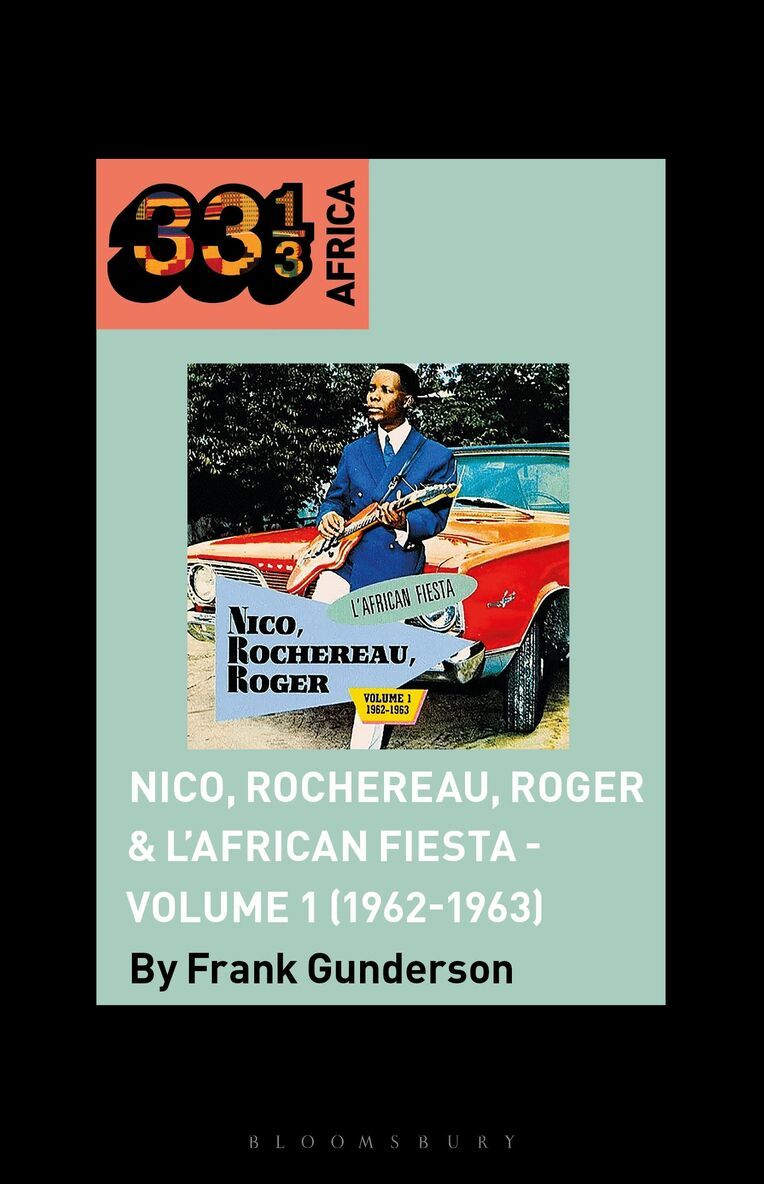
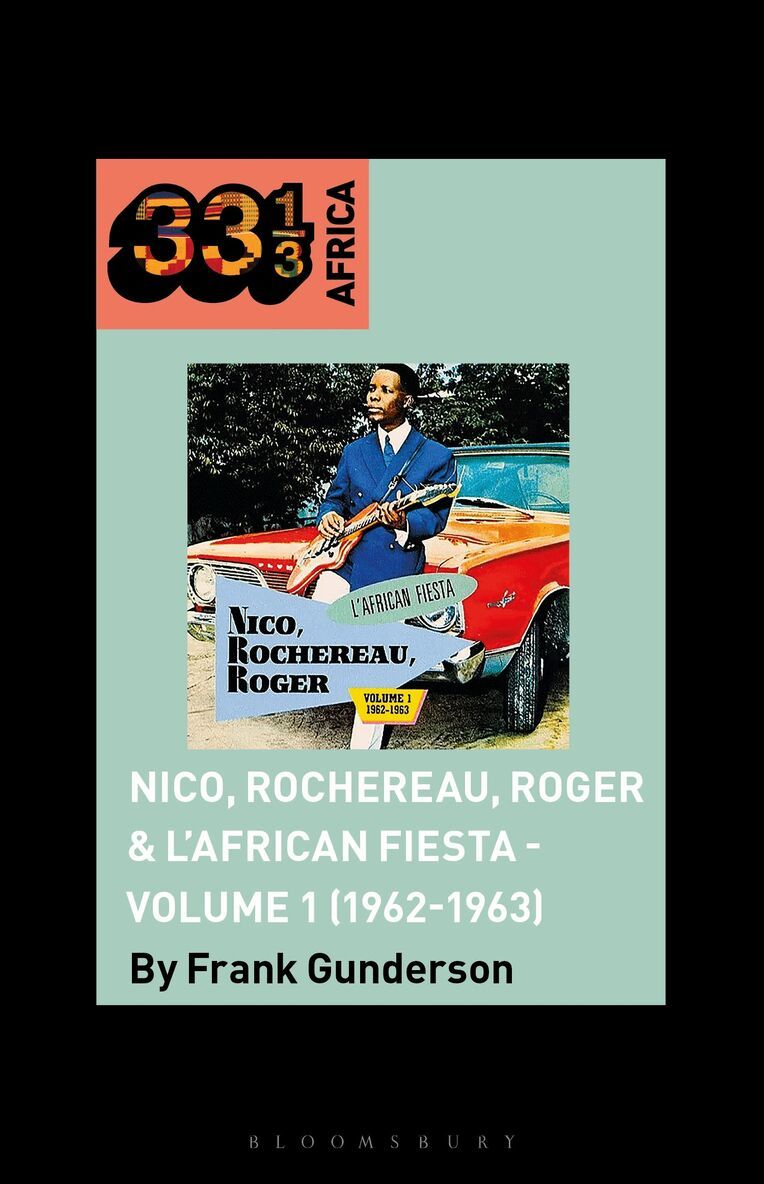
Nico, Rochereau, Roger & L'African Fiesta - Volume 1 (1962-1963) played a crucial role in developing the careers of Tabu Ley Rochereau and Docteur Nico, and more importantly, the genre of Congolese rhumba music.The extraordinary Congolese musicians Nicolas Kasanda aka “Docteur” Nico (1939-1985), guitarist, together with Tabu Ley Pascal “Rochereau” (1937-2013), singer, songwriter, and bandleader, first worked together under “Le Grande Kallé” Joseph Kabasélé and what has been considered the first truly great Congolese orchestra, l'African Jazz. They are considered among the pioneers of Congolese rumba, a genre that originated during the 1940s and has been enormously influential worldwide. The album Nico, Rochereau, Roger & L'African Fiesta - Volume 1 (1962-1963) also featuring Mwamba Charles “Dechaud” on rhythm guitar and Roger Iziedi on vocals, contains some of their first Vita Label studio singles, recorded after the musicians left l'African Jazz to form L'African Fiesta. Subsequently re-released on SonoDisc, this collection of songs (curated by Iziedi) represented a significant new direction for Congolese rumba as the literal soundtrack for the heady and hopeful years of post-Independence life for much of Sub-Saharan Africa.
411 kr
Kommande
Nico, Rochereau, Roger & L'African Fiesta - Volume 1 (1962-1963) played a crucial role in developing the careers of Tabu Ley Rochereau and Docteur Nico, and more importantly, the genre of Congolese rhumba music.The extraordinary Congolese musicians Nicolas Kasanda aka “Docteur” Nico (1939-1985), guitarist, together with Tabu Ley Pascal “Rochereau” (1937-2013), singer, songwriter, and bandleader, first worked together under “Le Grande Kallé” Joseph Kabasélé and what has been considered the first truly great Congolese orchestra, l'African Jazz. They are considered among the pioneers of Congolese rumba, a genre that originated during the 1940s and has been enormously influential worldwide. The album Nico, Rochereau, Roger & L'African Fiesta - Volume 1 (1962-1963) also featuring Mwamba Charles “Dechaud” on rhythm guitar and Roger Iziedi on vocals, contains some of their first Vita Label studio singles, recorded after the musicians left l'African Jazz to form L'African Fiesta. Subsequently re-released on SonoDisc, this collection of songs (curated by Iziedi) represented a significant new direction for Congolese rumba as the literal soundtrack for the heady and hopeful years of post-Independence life for much of Sub-Saharan Africa.