Michael E Veal - Böcker
Visar alla böcker från författaren Michael E Veal. Handla med fri frakt och snabb leverans.
9 produkter
9 produkter
285 kr
Skickas
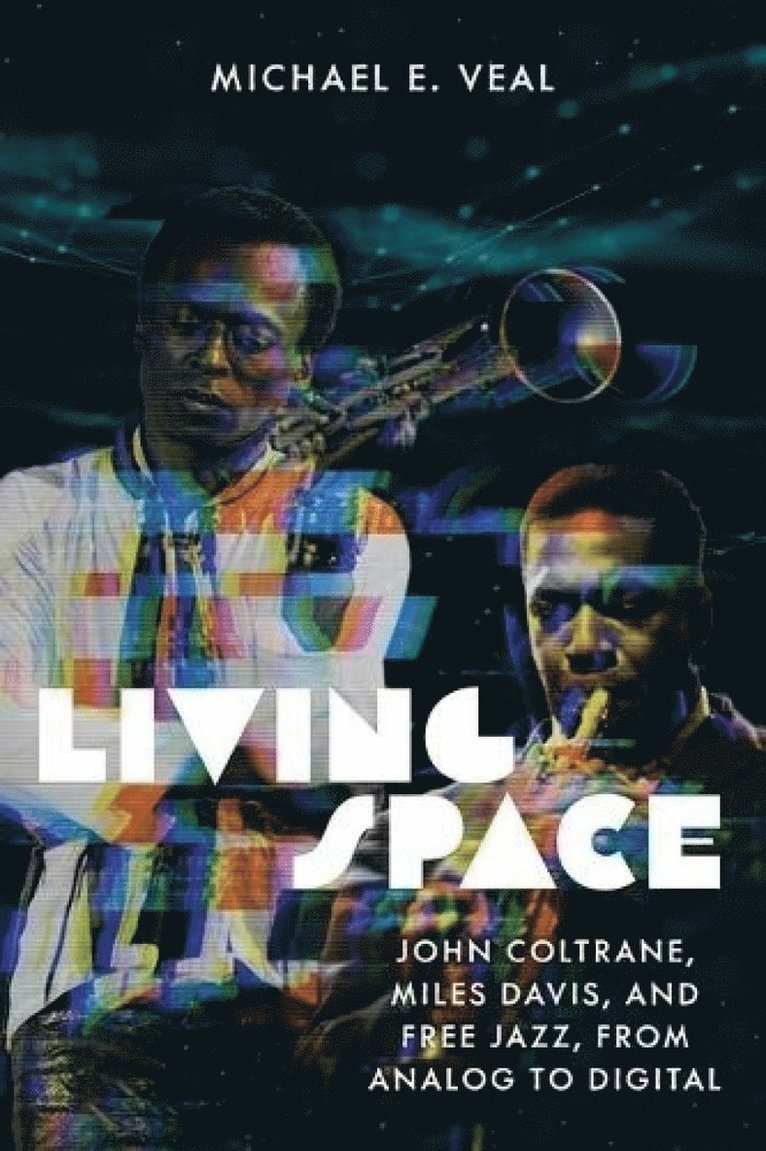
Examines John Coltrane's "late period" and Miles Davis's "Lost Quintet" through the prisms of digital architecture and experimental photographyLiving Space: John Coltrane, Miles Davis and Free Jazz, from Analog to Digital fuses biography and style history in order to illuminate the music of two jazz icons, while drawing on the discourses of photography and digital architecture to fashion musical insights that may not be available through the traditional language of jazz analysis. The book follows the controversial trajectories of two jazz legends, emerging from the 1959 album Kind of Blue. Coltrane's odyssey through what became known as "free jazz" brought stylistic (r)evolution and chaos in equal measure. Davis's spearheading of "jazz-rock fusion" opened a door through which jazz's ongoing dialogue with the popular tradition could be regenerated, engaging both high and low ideas of creativity, community, and commerce. Includes 42 illustrations.
1 264 kr
Skickas inom 7-10 vardagar
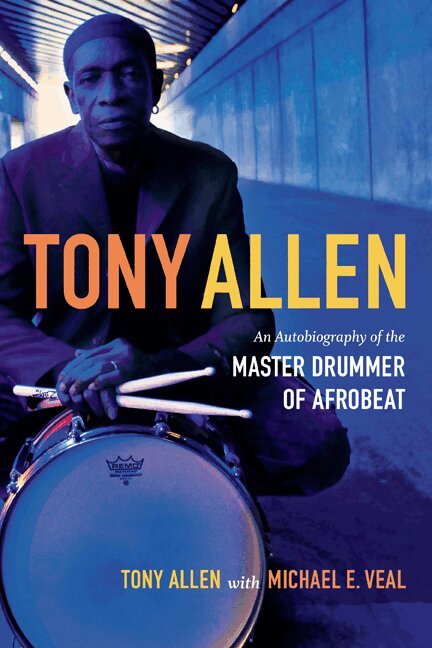
Tony Allen is the autobiography of legendary Nigerian drummer Tony Allen, the rhythmic engine of Fela Kuti's Afrobeat. Conversational, inviting, and packed with telling anecdotes, Allen's memoir is based on hundreds of hours of interviews with the musician and scholar Michael E. Veal. It spans Allen's early years and career playing highlife music in Lagos; his fifteen years with Fela, from 1964 until 1979; his struggles to form his own bands in Nigeria; and his emigration to France. Allen embraced the drum set, rather than African handheld drums, early in his career, when drum kits were relatively rare in Africa. His story conveys a love of his craft along with the specifics of his practice. It also provides invaluable firsthand accounts of the explosive creativity in postcolonial African music, and the personal and artistic dynamics in Fela's Koola Lobitos and Africa 70, two of the greatest bands to ever play African music.
286 kr
Skickas inom 7-10 vardagar
Tony Allen is the autobiography of legendary Nigerian drummer Tony Allen, the rhythmic engine of Fela Kuti's Afrobeat. Conversational, inviting, and packed with telling anecdotes, Allen's memoir is based on hundreds of hours of interviews with the musician and scholar Michael E. Veal. It spans Allen's early years and career playing highlife music in Lagos; his fifteen years with Fela, from 1964 until 1979; his struggles to form his own bands in Nigeria; and his emigration to France. Allen embraced the drum set, rather than African handheld drums, early in his career, when drum kits were relatively rare in Africa. His story conveys a love of his craft along with the specifics of his practice. It also provides invaluable firsthand accounts of the explosive creativity in postcolonial African music, and the personal and artistic dynamics in Fela's Koola Lobitos and Africa 70, two of the greatest bands to ever play African music.
833 kr
Skickas inom 10-15 vardagar
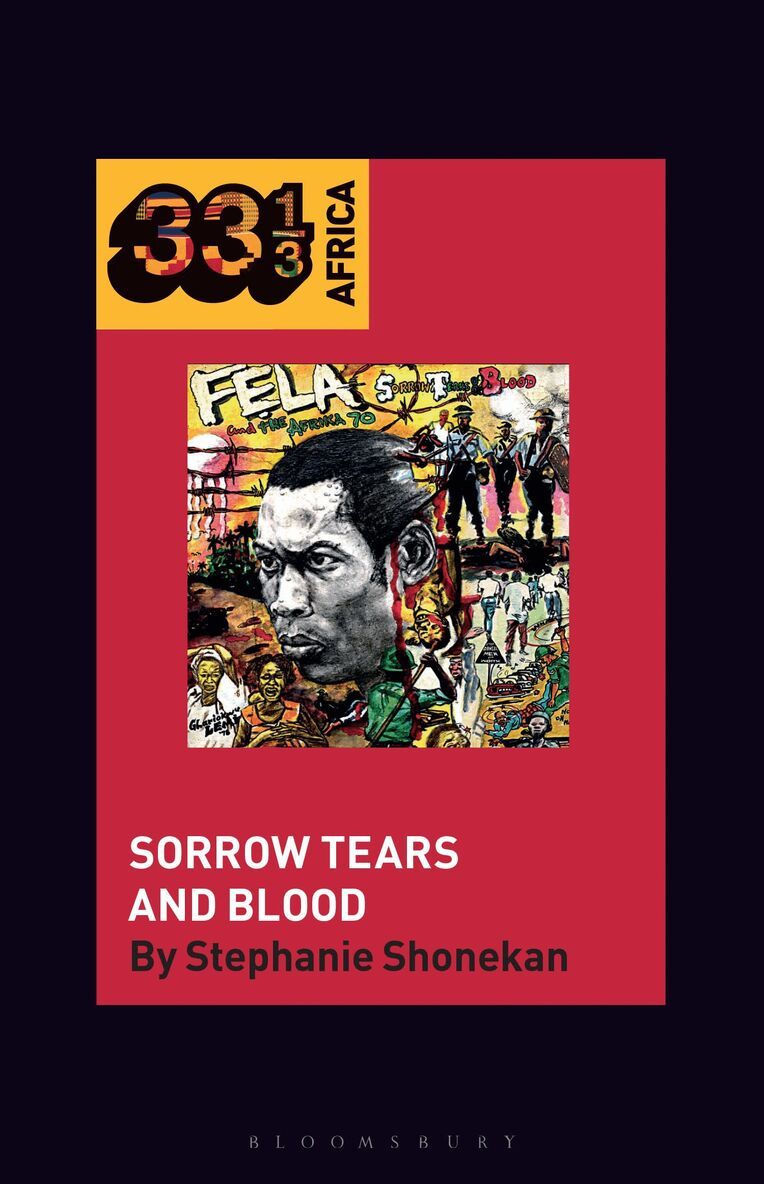
Sorrow Tears and Blood offers a glimpse into the complicated social, cultural, and political phenomenon that is Nigeria. Though Nigeria is the most populous African country, and sometimes called the “Giant of Africa,” Fela’s album sheds a sharp light on the reasons why Nigeria has not lived up to its potential. While the text primarily hovers over 1977 (the year of the album’s release) as a critical cultural moment in Nigerian history, it also explores the album in the context of a wider look at how colonialism and its aftermath impacted the social, political, and economic environment in Nigeria, and how Western imperialism continues to affect Nigerian identity and life. As we reflect on Nigeria’s turbulent post-independent political and social history, Sorrow Tears and Blood offers a rich sonic and lyrical landscape in which to interrogate the potency of Fela’s message for generations to come.
237 kr
Skickas inom 7-10 vardagar
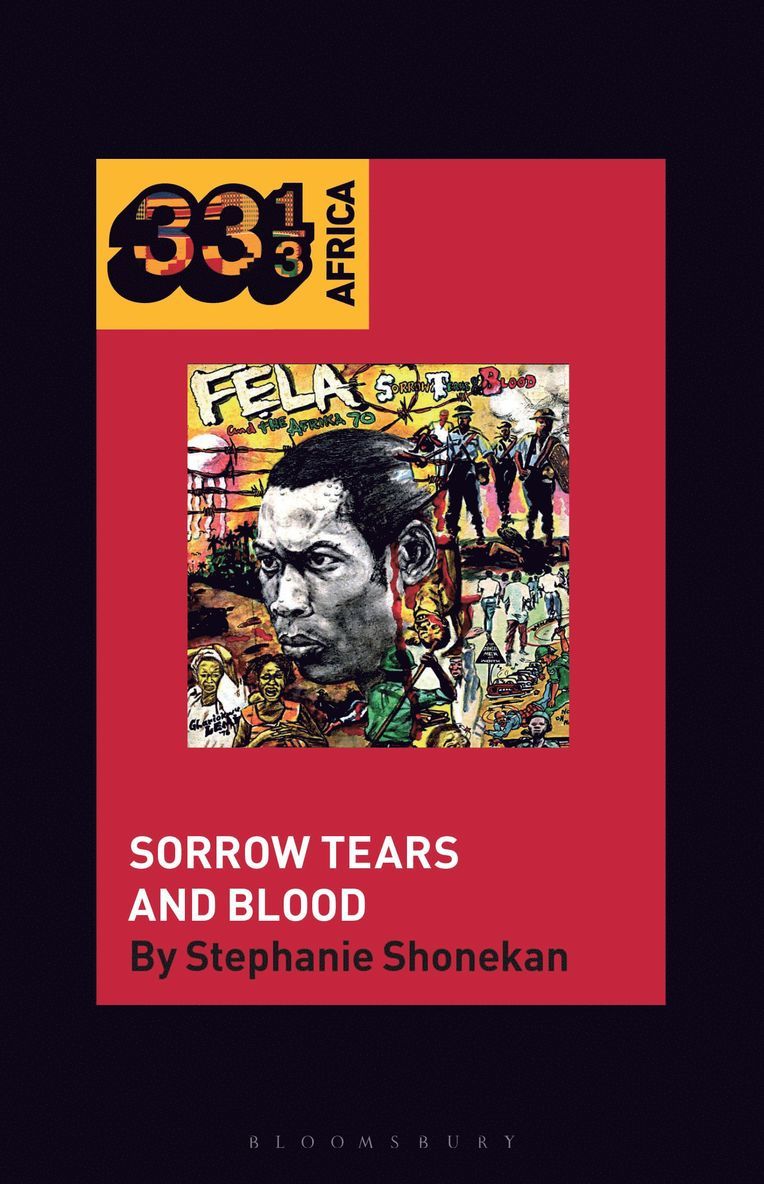
Sorrow Tears and Blood offers a glimpse into the complicated social, cultural, and political phenomenon that is Nigeria. Though Nigeria is the most populous African country, and sometimes called the “Giant of Africa,” Fela’s album sheds a sharp light on the reasons why Nigeria has not lived up to its potential. While the text primarily hovers over 1977 (the year of the album’s release) as a critical cultural moment in Nigerian history, it also explores the album in the context of a wider look at how colonialism and its aftermath impacted the social, political, and economic environment in Nigeria, and how Western imperialism continues to affect Nigerian identity and life. As we reflect on Nigeria’s turbulent post-independent political and social history, Sorrow Tears and Blood offers a rich sonic and lyrical landscape in which to interrogate the potency of Fela’s message for generations to come.
1 227 kr
Kommande
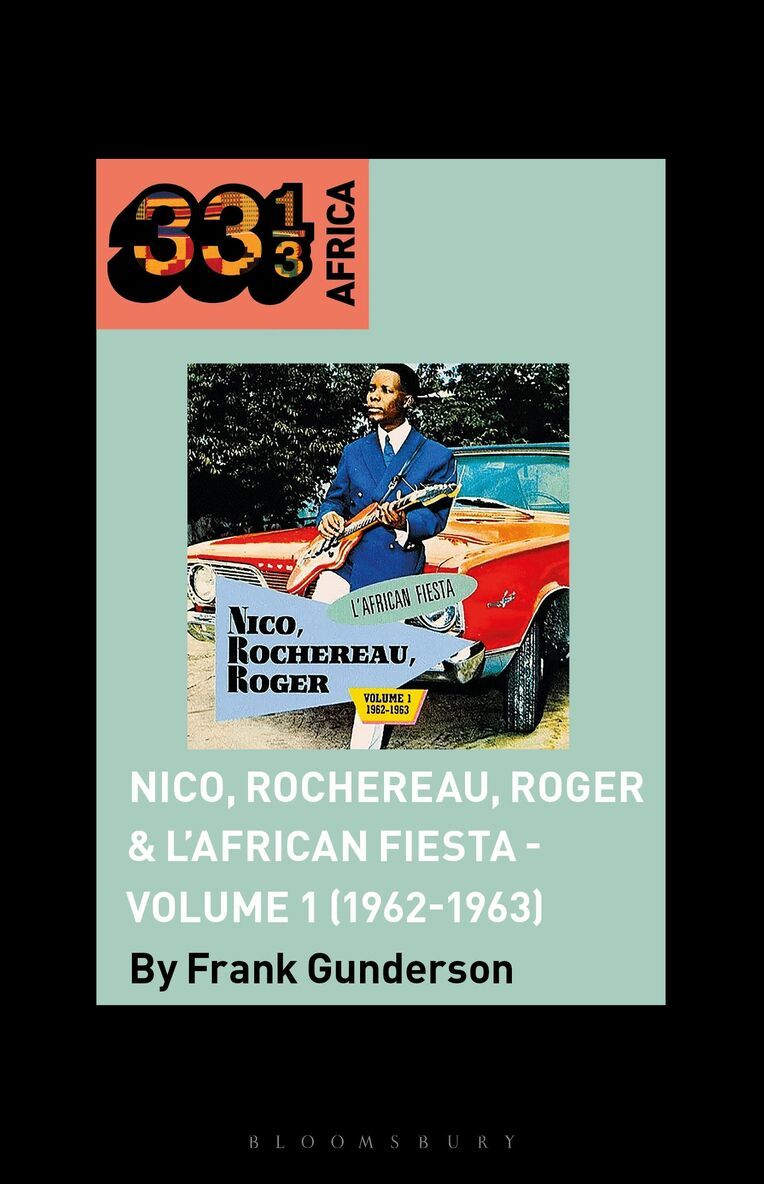
Nico, Rochereau, Roger & L'African Fiesta - Volume 1 (1962-1963) played a crucial role in developing the careers of Tabu Ley Rochereau and Docteur Nico, and more importantly, the genre of Congolese rhumba music.The extraordinary Congolese musicians Nicolas Kasanda aka “Docteur” Nico (1939-1985), guitarist, together with Tabu Ley Pascal “Rochereau” (1937-2013), singer, songwriter, and bandleader, first worked together under “Le Grande Kallé” Joseph Kabasélé and what has been considered the first truly great Congolese orchestra, l'African Jazz. They are considered among the pioneers of Congolese rumba, a genre that originated during the 1940s and has been enormously influential worldwide. The album Nico, Rochereau, Roger & L'African Fiesta - Volume 1 (1962-1963) also featuring Mwamba Charles “Dechaud” on rhythm guitar and Roger Iziedi on vocals, contains some of their first Vita Label studio singles, recorded after the musicians left l'African Jazz to form L'African Fiesta. Subsequently re-released on SonoDisc, this collection of songs (curated by Iziedi) represented a significant new direction for Congolese rumba as the literal soundtrack for the heady and hopeful years of post-Independence life for much of Sub-Saharan Africa.
411 kr
Kommande
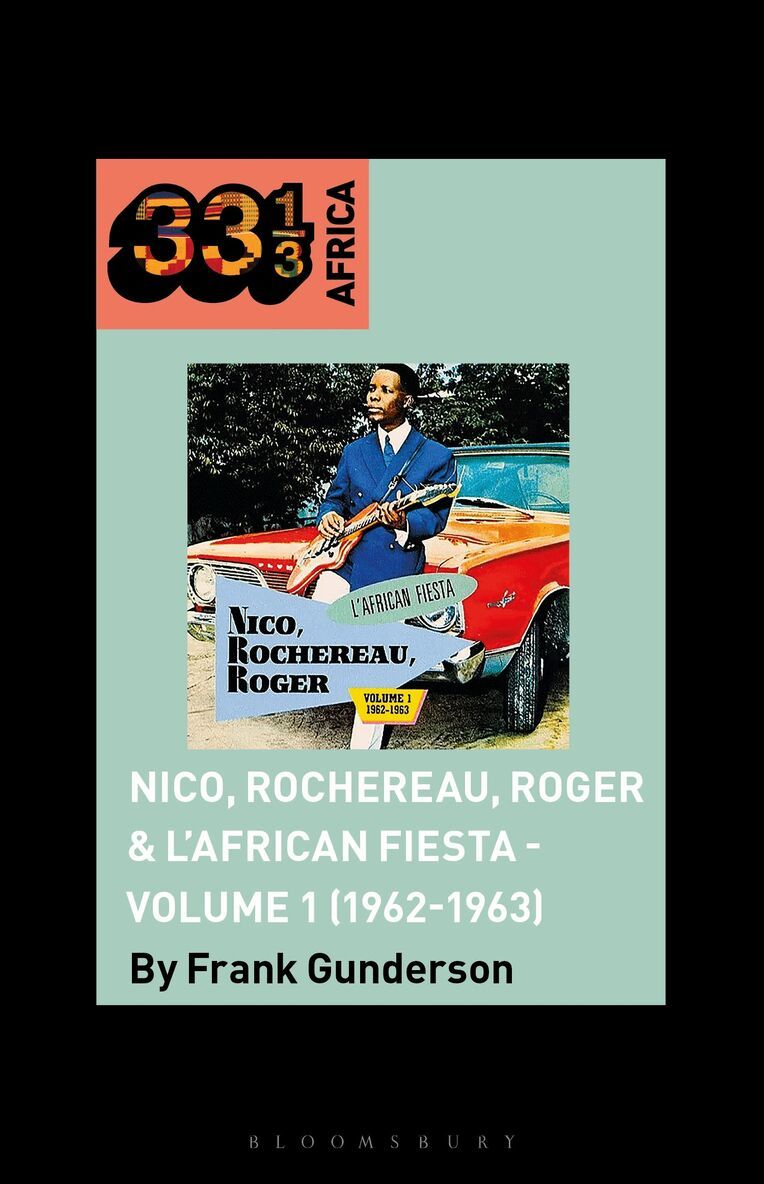
Nico, Rochereau, Roger & L'African Fiesta - Volume 1 (1962-1963) played a crucial role in developing the careers of Tabu Ley Rochereau and Docteur Nico, and more importantly, the genre of Congolese rhumba music.The extraordinary Congolese musicians Nicolas Kasanda aka “Docteur” Nico (1939-1985), guitarist, together with Tabu Ley Pascal “Rochereau” (1937-2013), singer, songwriter, and bandleader, first worked together under “Le Grande Kallé” Joseph Kabasélé and what has been considered the first truly great Congolese orchestra, l'African Jazz. They are considered among the pioneers of Congolese rumba, a genre that originated during the 1940s and has been enormously influential worldwide. The album Nico, Rochereau, Roger & L'African Fiesta - Volume 1 (1962-1963) also featuring Mwamba Charles “Dechaud” on rhythm guitar and Roger Iziedi on vocals, contains some of their first Vita Label studio singles, recorded after the musicians left l'African Jazz to form L'African Fiesta. Subsequently re-released on SonoDisc, this collection of songs (curated by Iziedi) represented a significant new direction for Congolese rumba as the literal soundtrack for the heady and hopeful years of post-Independence life for much of Sub-Saharan Africa.
283 kr
Kommande
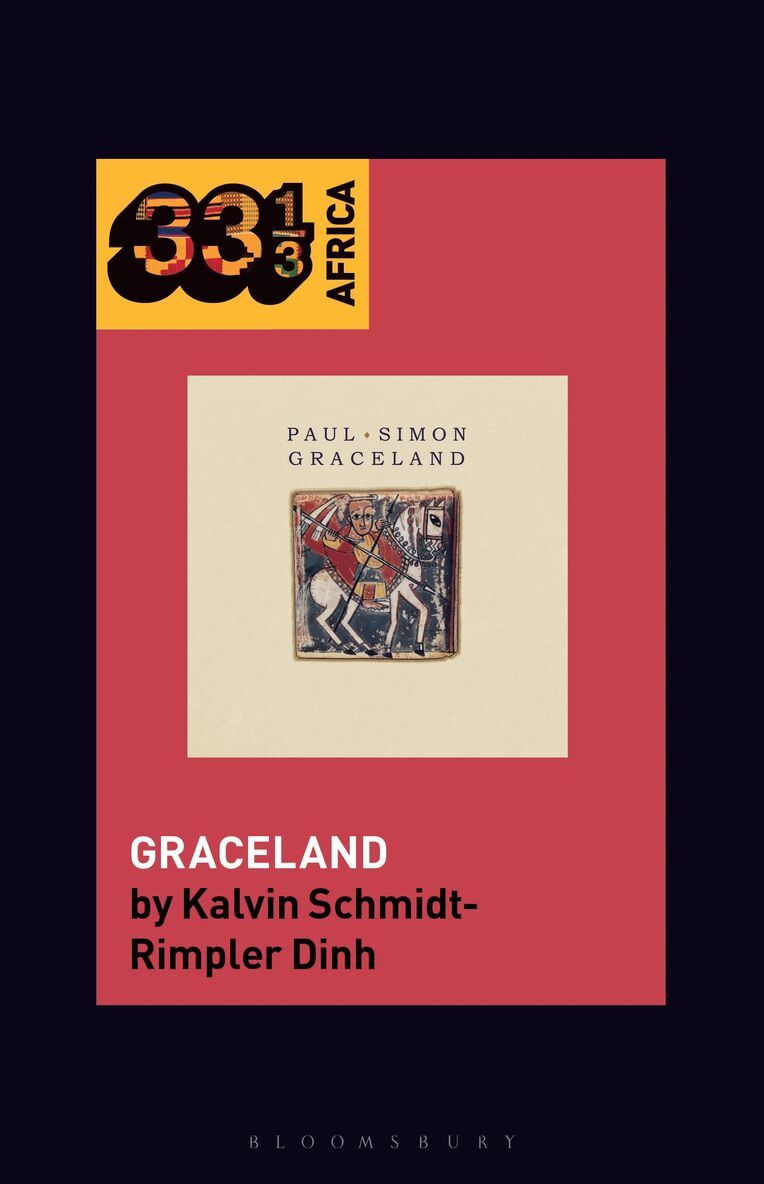
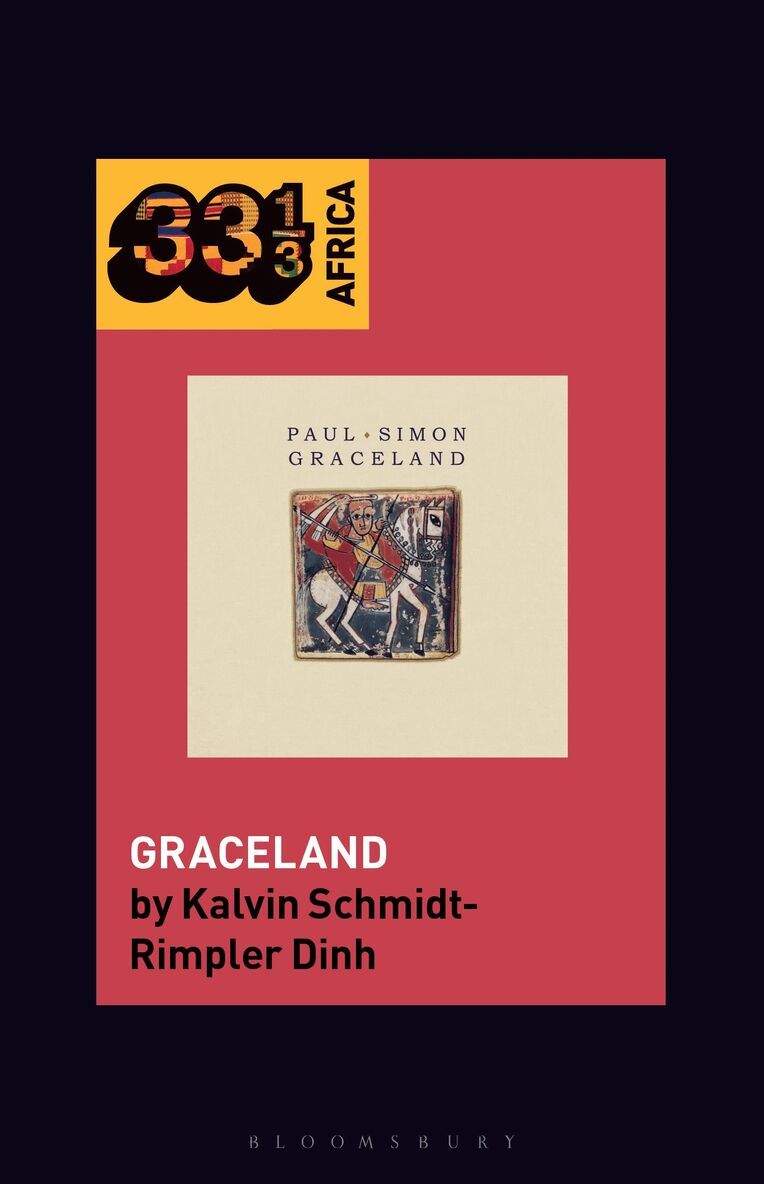
Celebrated, controversial, and conspicuously eclectic, Paul Simon’s Graceland stands among the monumental albums of the 20th century. This book explores how and why it made its mark, from the international collaborations that defined its musical character, to the inflamed political environment from which it emerged.Graceland incorporated some of South Africa’s most beloved popular music traditions, including ‘township jive’, kwela, and the intricate isicathamiya harmonies of Ladysmith Black Mambazo. It also featured contributions from Central and West African musicians, alongside an array of North American styles – Chicano rock, country, synth-pop, Louisiana zydeco – and, of course, Simon’s characteristically abstract poetics. This book revisits Graceland as an important example of the global relevance of African music. Released in 1986, amid an intensified period of anti-apartheid activism across world, the album had a unique relationship to South Africa: it drew attention to apartheid and Black African music while its popular significance was simultaneously propelled by the anti-apartheid movement. As a collaborative, cross-cultural project straddling the boundaries of a deeply unequal world – economically, politically, racially – Graceland invites reflection on the relationship between art and politics, both then and now.
782 kr
Kommande
Celebrated, controversial, and conspicuously eclectic, Paul Simon’s Graceland stands among the monumental albums of the 20th century. This book explores how and why it made its mark, from the international collaborations that defined its musical character, to the inflamed political environment from which it emerged.Graceland incorporated some of South Africa’s most beloved popular music traditions, including ‘township jive’, kwela, and the intricate isicathamiya harmonies of Ladysmith Black Mambazo. It also featured contributions from Central and West African musicians, alongside an array of North American styles – Chicano rock, country, synth-pop, Louisiana zydeco – and, of course, Simon’s characteristically abstract poetics. This book revisits Graceland as an important example of the global relevance of African music. Released in 1986, amid an intensified period of anti-apartheid activism across world, the album had a unique relationship to South Africa: it drew attention to apartheid and Black African music while its popular significance was simultaneously propelled by the anti-apartheid movement. As a collaborative, cross-cultural project straddling the boundaries of a deeply unequal world – economically, politically, racially – Graceland invites reflection on the relationship between art and politics, both then and now.