Frans van Assche – författare
Visar alla böcker från författaren Frans van Assche. Handla med fri frakt och snabb leverans.
4 produkter
4 produkter
E-bok
PDF, Engelska, 20162 741 kr
Läs direkt efter köp
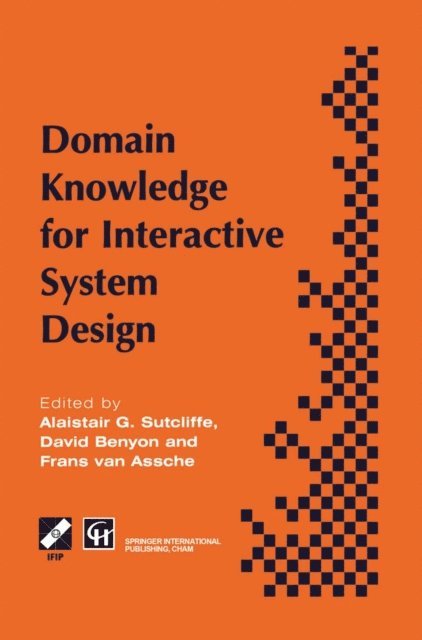
This book describes how domain knowledge can be used in the design of interactive systems. It includes discussion of the theories and models of domain, generic domain architectures and construction of system components for specific domains. It draws on research experience from the Information Systems, Software Engineering and Human Computer Interaction communities.
Inbunden, Engelska, 1996
2 230 kr
Skickas inom 10-15 vardagar
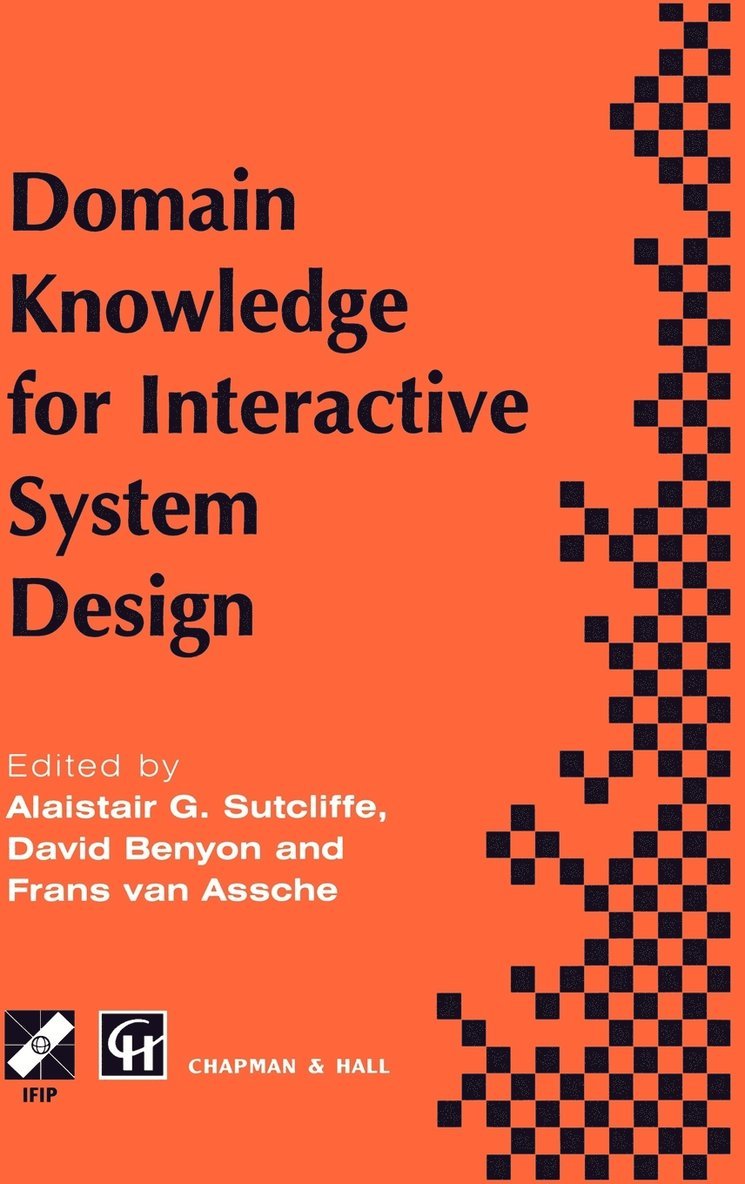
This volume explores how domain knowledge is used in the design of interactive systems. It covers theories and models of domain, how such knowledge is used in the design process, generic domain architectures and construction of system components for specific domains. Research on domain knowledge is a growing issue, and this book offers research experience by key workers, industrial perspectives and design approaches from different communities. The book is divided into five parts: ecological studies of domain modelling; process view of domain engineering; role of domains in knowledge engineering; domain modelling for user system interfaces; and formal approaches. The work contains the selected proceedings of the Joint Working Conference on Domain Knowledge for Interactive System Design, held in Geneva, Switzerland, in May 1996.
Inbunden, Engelska, 2015
533 kr
Skickas inom 10-15 vardagar
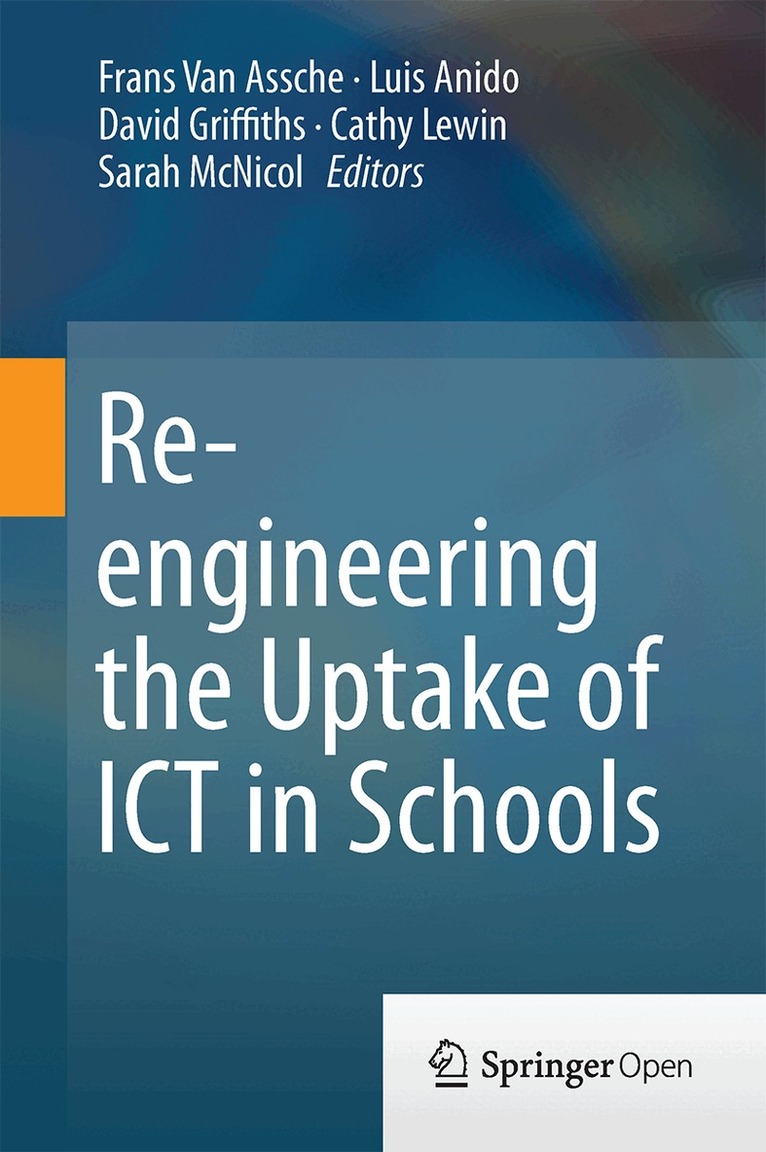
This book reports on a novel and comprehensive approach to the uptake of ICT in Schools. It focuses on key questions, pedagogically sound ways of introducing ICT, new technical artifacts supporting the approach, the evaluation in a large-scale validator, and future work. While many innovations in Technology Enhanced Learning (TEL) have emerged over the last two decades, the uptake of these innovations has not always been very successful, particularly in schools. The transition from proof of concept to integration into learning activities has been recognized as a bottleneck for quite some time. This major problem, which is affecting many TEL stakeholders, is the focus of this book which focuses on developing a more effective and efficient approach based on more than 2500 pilots in European classrooms. Teachers, head teachers, and policy makers may benefit from reading how novel learning scenarios can be elaborated, adapted to a local context, and implemented in the classroom;how new technologies can support this process for teachers and their national/regional communities; how teachers and other stakeholders can be educated in such a re-engineering process; how the approach can be scaled up through MOOCs, ambassador schemes, and train-the-trainer programs; how future classroom labs can inspire teachers, head teachers, and policy makers; how teachers and, above all, learners can become more engaged in learning through the adoption of the iTEC approach.Readers with a more technical focus may also be interested in the discussion of recommender systems, the flexible provision of resources and services, the deployment of the cloud in schools, and systems for composing technological support for lesson plans.
Häftad, Engelska, 2016
533 kr
Skickas inom 10-15 vardagar
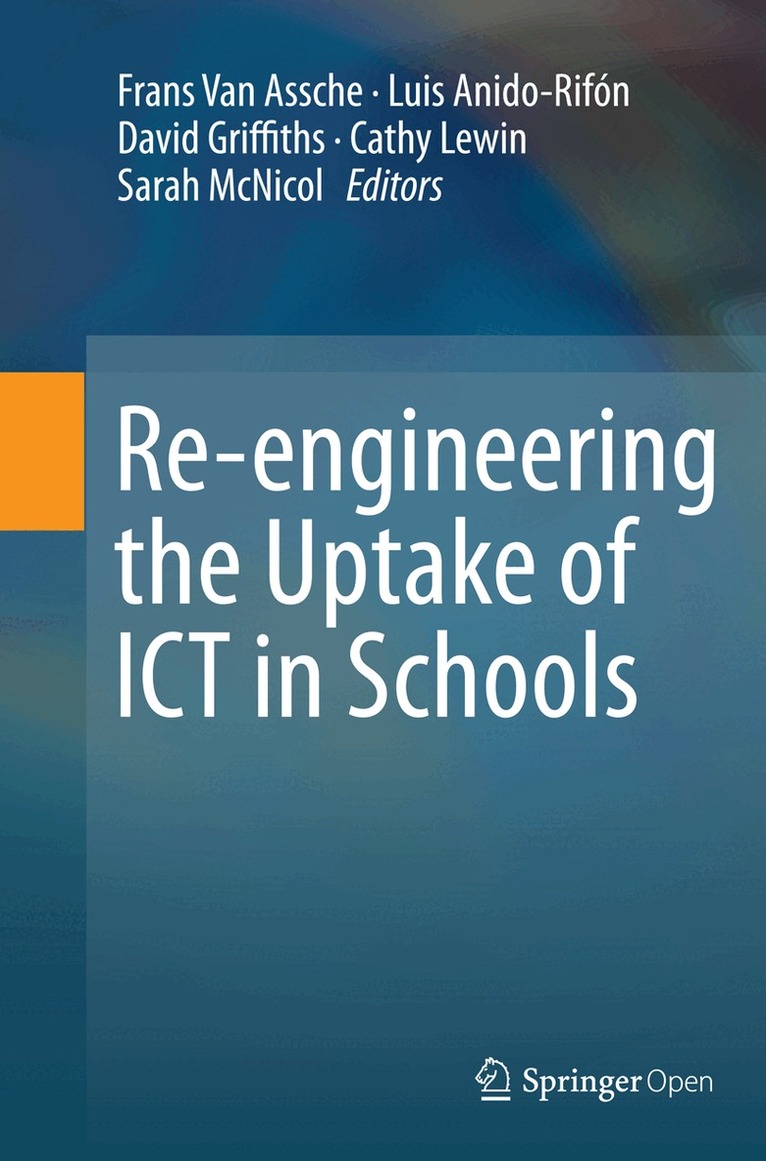
This book reports on a novel and comprehensive approach to the uptake of ICT in Schools. It focuses on key questions, pedagogically sound ways of introducing ICT, new technical artifacts supporting the approach, the evaluation in a large-scale validator, and future work. While many innovations in Technology Enhanced Learning (TEL) have emerged over the last two decades, the uptake of these innovations has not always been very successful, particularly in schools. The transition from proof of concept to integration into learning activities has been recognized as a bottleneck for quite some time. This major problem, which is affecting many TEL stakeholders, is the focus of this book which focuses on developing a more effective and efficient approach based on more than 2500 pilots in European classrooms. Teachers, head teachers, and policy makers may benefit from reading how novel learning scenarios can be elaborated, adapted to a local context, and implemented in the classroom;how new technologies can support this process for teachers and their national/regional communities; how teachers and other stakeholders can be educated in such a re-engineering process; how the approach can be scaled up through MOOCs, ambassador schemes, and train-the-trainer programs; how future classroom labs can inspire teachers, head teachers, and policy makers; how teachers and, above all, learners can become more engaged in learning through the adoption of the iTEC approach.Readers with a more technical focus may also be interested in the discussion of recommender systems, the flexible provision of resources and services, the deployment of the cloud in schools, and systems for composing technological support for lesson plans.