Frans X. Plooij – författare
Visar alla böcker från författaren Frans X. Plooij. Handla med fri frakt och snabb leverans.
9 produkter
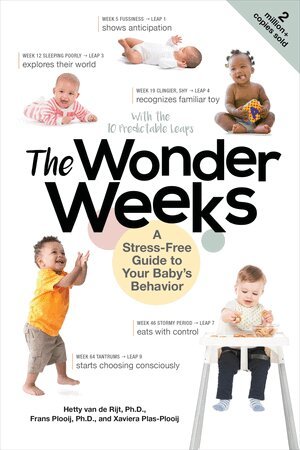
Wonder Weeks
A Stress-Free Guide to Your Baby's Behavior
Av Xaviera Plooij, Frans X. Plooij m. fl.
Häftad, 2019
5,0 utav 5 stjärnor. Totalt antal röster: (1)
211 kr
Lägg i varukorg
Welcome to the fully-updated and revised 6th edition of The Wonder Weeks—with 30% new material. Fussy at five weeks. Cranky at 19-weeks. Clingy at a year. The baby must be approaching a leap; a time during which new skills are mastered, discoveries are made and perceptions evolve. For new parents, …
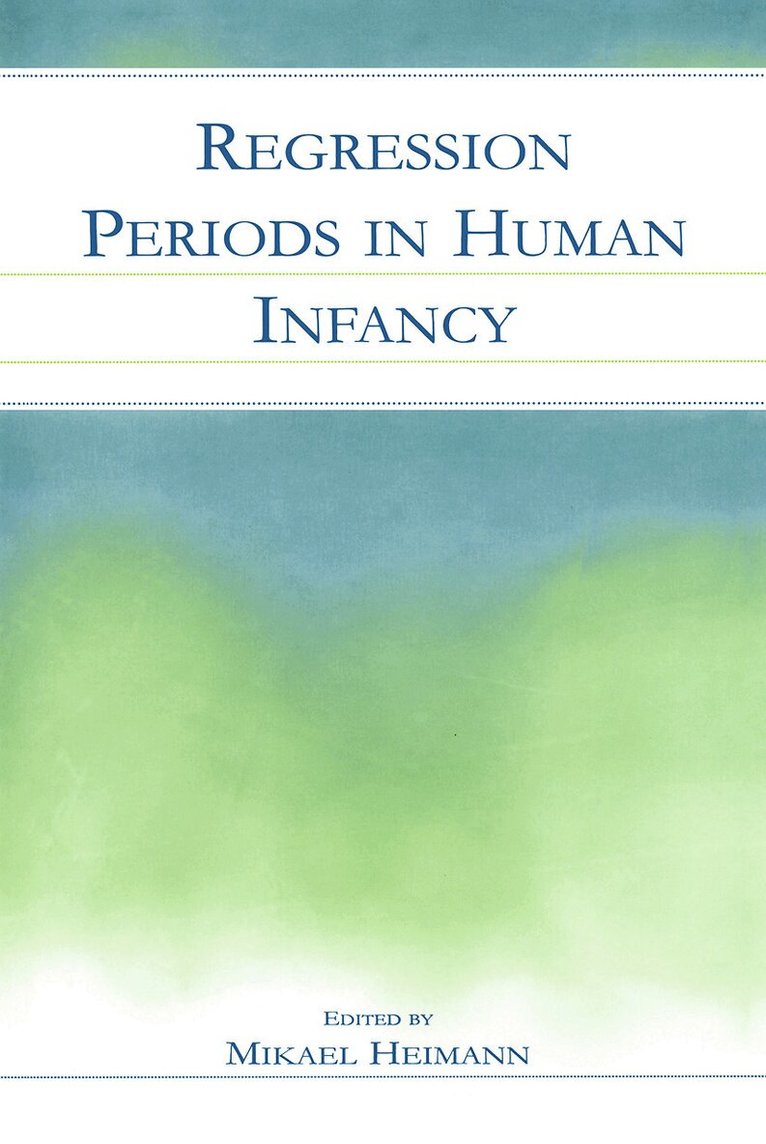
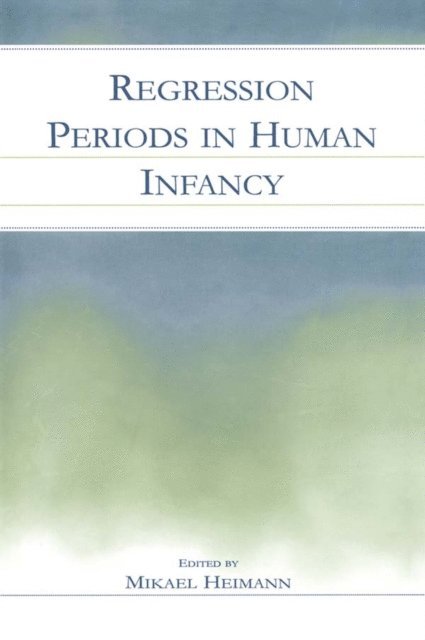
Regression Periods in Human infancy
Av Mikael Heimann, Frans X. Plooij
Häftad, 2013
881 kr
Lägg i varukorg
Regression periods play a central role in the psychological development of the human baby. Studies of infants have identified 10 periods of regression, or a return to a high frequency of mother-infant contact, within the first 20 months of life. These periods of emotional insecurity in the child …
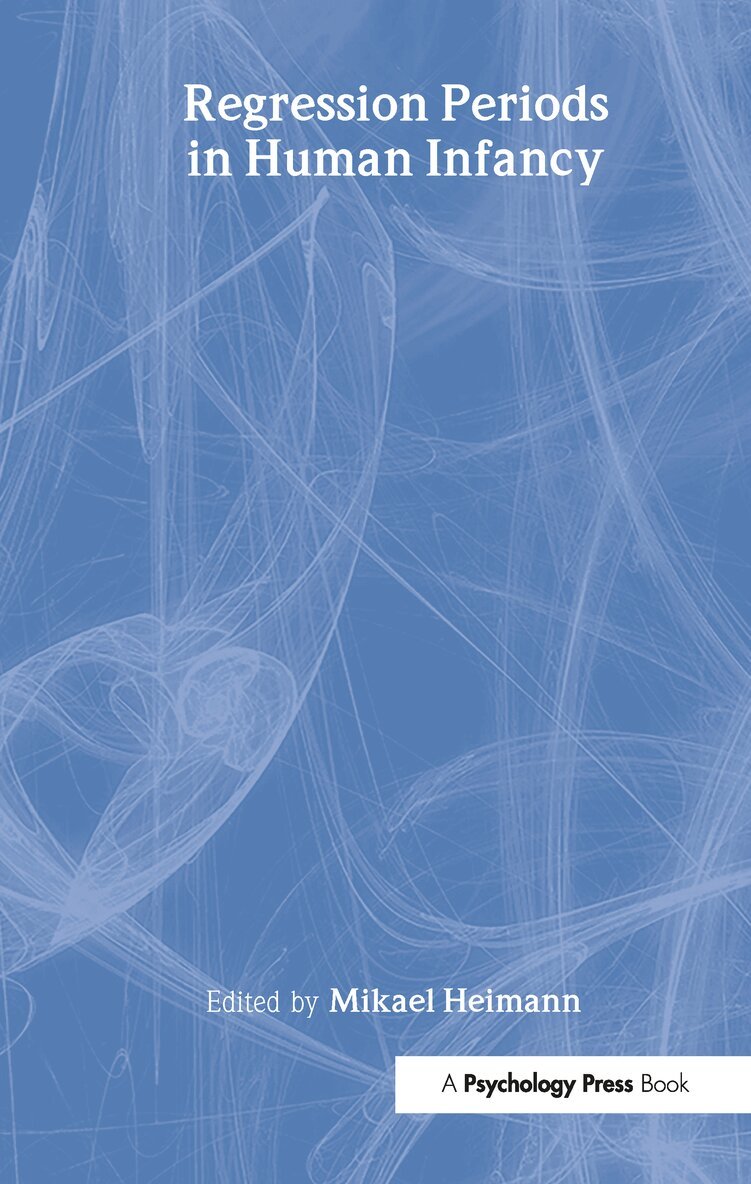
Regression Periods in Human infancy
Av Mikael Heimann, Frans X. Plooij
Inbunden, 2003
3041 kr
Lägg i varukorg
Regression periods play a central role in the psychological development of the human baby. Studies of infants have identified 10 periods of regression, or a return to a high frequency of mother-infant contact, within the first 20 months of life. These periods of emotional insecurity in the child …
Regression Periods in Human infancy
Av Frans X. Plooij, Mikael Heimann
E-bok, 2003
1051 kr
Lägg i varukorg
Regression periods play a central role in the psychological development of the human baby. Studies of infants have identified 10 periods of regression, or a return to a high frequency of mother-infant contact, within the first 20 months of life. These periods of emotional insecurity in the child …
Regression Periods in Human infancy
Av Frans X. Plooij, Mikael Heimann
E-bok, 2003
1074 kr
Lägg i varukorg
Regression periods play a central role in the psychological development of the human baby. Studies of infants have identified 10 periods of regression, or a return to a high frequency of mother-infant contact, within the first 20 months of life. These periods of emotional insecurity in the child …
Regression Periods in Human infancy
Av Frans X. Plooij, Mikael Heimann
E-bok, 2003
450 kr
Tillfälligt slut
Regression periods play a central role in the psychological development of the human baby. Studies of infants have identified 10 periods of regression, or a return to a high frequency of mother-infant contact, within the first 20 months of life. These periods of emotional insecurity in the child …