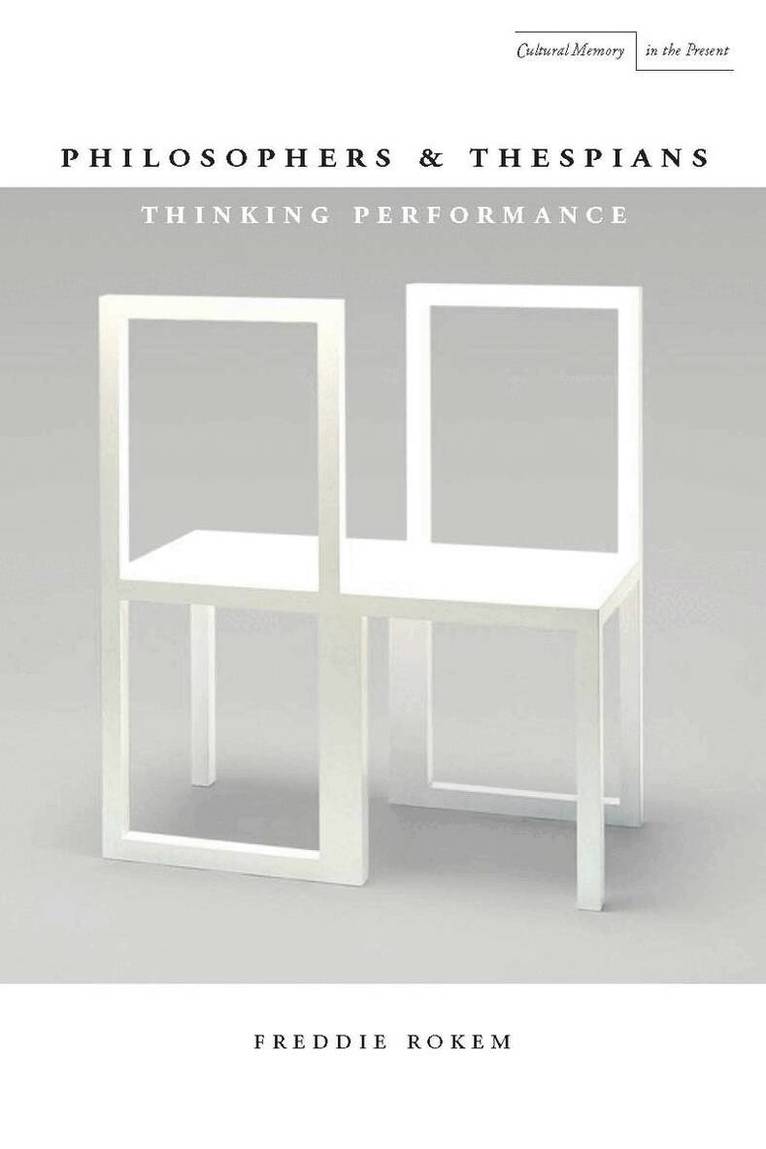
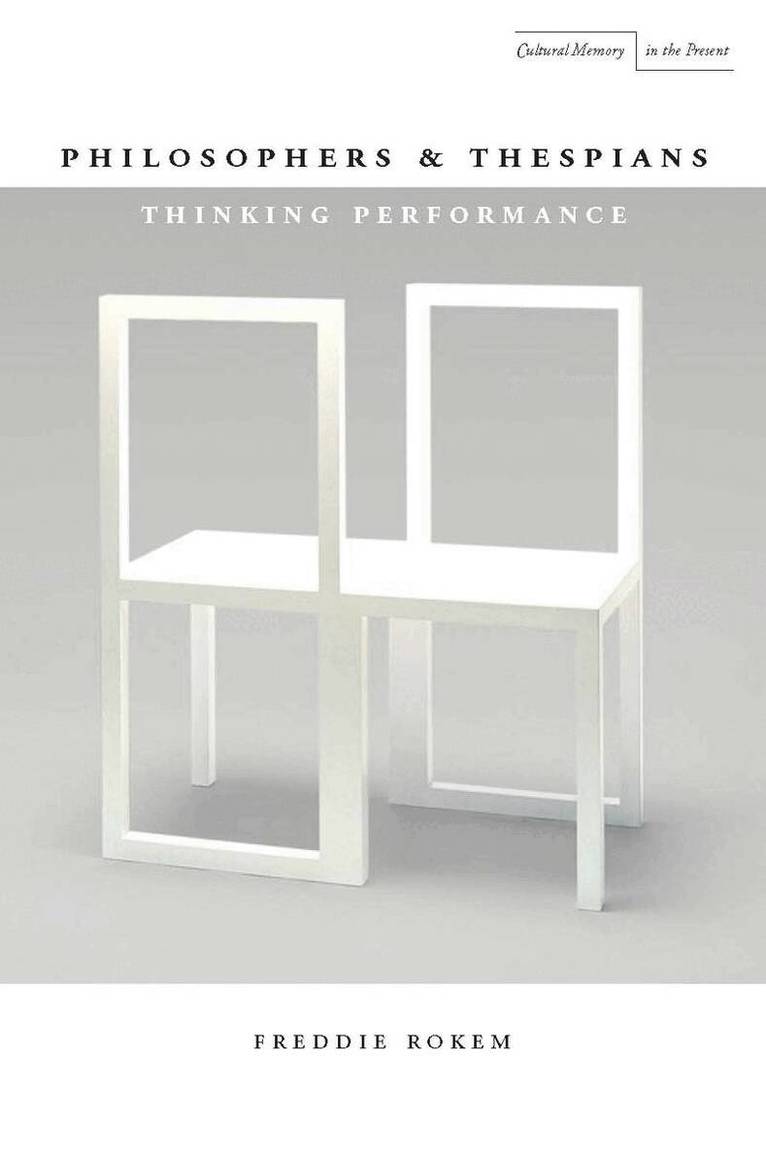
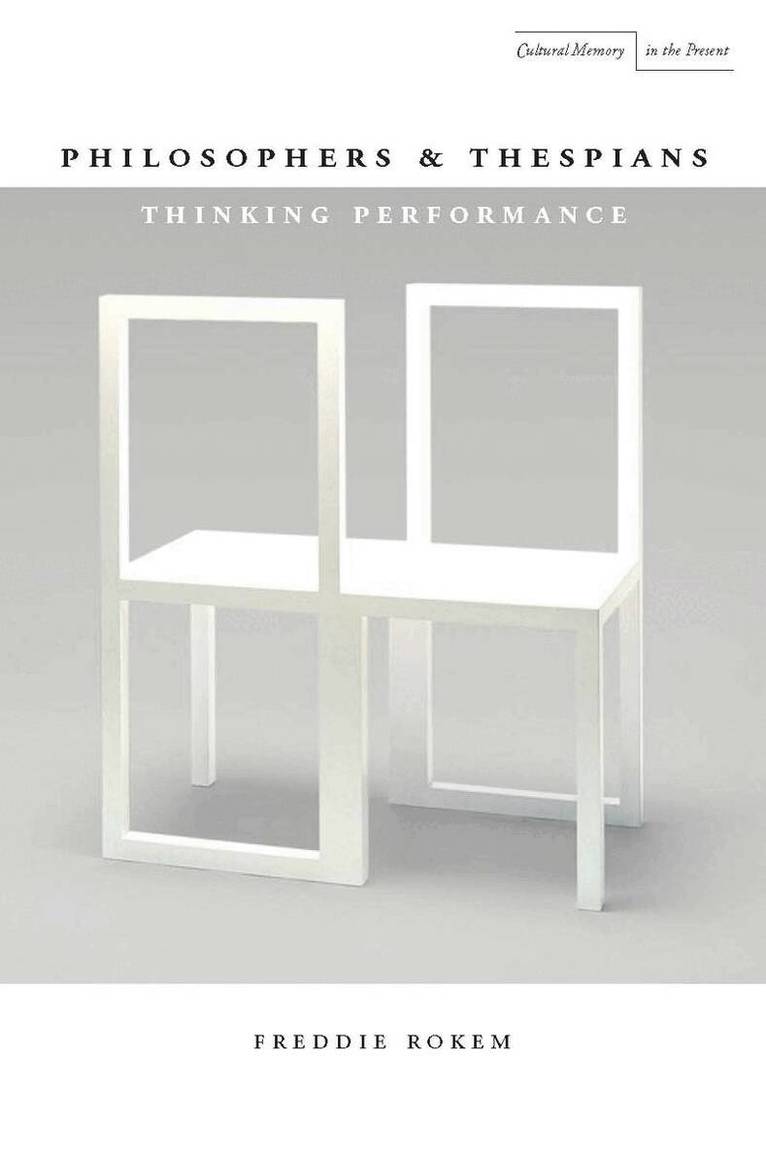
The interaction between philosophy and theater or performance has recently become an important and innovative area of inquiry. Philosophers and Thespians contributes to this emerging field by looking at four direct encounters between philosophers and thespians, beginning with Socrates, Agathon, and Aristophanes in Plato's Symposium and ending with a discussion between Walter Benjamin and Bertolt Brecht about a short text by Franz Kafka. Rokem also examines in detail Hamlet's complex and tragic split identity as both philosopher and thespian, as well as the intense correspondence between Friedrich Nietzsche and August Strindberg. His investigations—which move between the fictional and the historical—culminate in a comprehensive discussion of the notions of performance and performativity as derived from the discursive practices of philosophy and performance. At times competitive or mutually exclusive, these discourses also merge and engage with each other in creative ways.
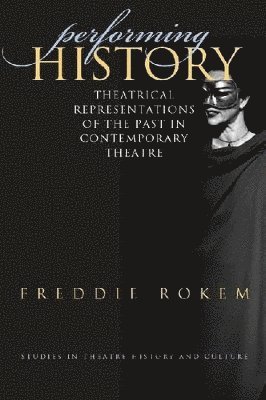
Collective identities grow from a sense of the past, and the theatre very forcefully participates in the ongoing representations of and debates about the past, sometimes by contesting them and sometimes by reinforcing them. In his examination of the ways in which the theatre after World War II has presented different aspects of the French Revolution and the Holocaust, Freddie Rokem shows us that by ""performing history"" actors - as witnesses for the departed witnesses - bring the historical past and the theatrical present together. Rokem analyzes the significance of stage representations of the French Revolution and the Holocaust in different national contexts: the United States and Europe for performances about the French Revolution and Israel for performances about the Holocaust. By pointing out both the great diversity and the common features of these performances, he draws attention to the complex collective efforts and the creativity of playwrights, directors, designers and actors as they connect their theatrical energies to a specific historical past. He also focuses on the ways in which audiences in different cultures have been affected by and even had an influence on the ideological debates embedded in these performances. Rokem looks at plays and performances by Yehoshua Sobol, Dudu Ma'ayan and Hanoch Levin in Israel; Peter Brook, Ariane Mnouchkin and Ingmar Bergman in Europe; and Orson Welles, Herbert Blau and Robert Wilson in the United States. Drawing upon these and upon his own life in Europe, Israel and the United States, Rokem makes us aware of the critical interaction between the failures of history and the efforts to create viable and meaningful works of art.
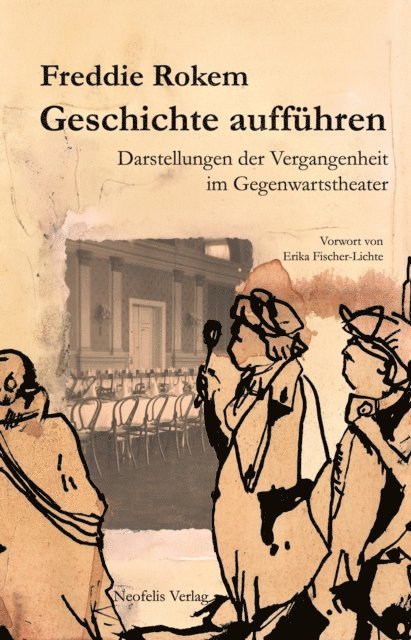
In Geschichte aufführen setzt sich Freddie Rokem sowohl aus theatertheoretischer Perspektive als auch in genauen Analysen mit dem Verhältnis von Theater und Vergangenheit auseinander. Er untersucht exemplarisch anhand ausgewählter israelischer, amerikanischer und europäischer Inszenierungen, wie Aspekte der Shoah und der Französischen Revolution, zweier für die Moderne prägender Ereignisse, nach dem Zweiten Weltkrieg aufgeführt wurden.Anhand dreier israelischer Inszenierungen – Joshua Sobols Ghetto, Arbeit macht frei vom Toitland Europa des Akko Theatre Centre und Hanoch Levins Der Junge träumt – befragt er die Möglichkeiten und Grenzen der Auseinandersetzung mit der Shoah im Theater. Die Französische Revolution gerät Rokem zum historischen Bezugspunkt für die Erzeugung gegenwärtiger sozialer und theatraler Energien in Peter Brooks Marat/Sade-Inzenierung, Ariane Mnouchkines 1789 und Ingmar Bergmans Madame de Sade-Inszenierung, ebenso wie in drei amerikanischen Inszenierungen von Georg Büchners Dantons Tod durch Orson Welles, Herbert Blau und Robert Wilson.Aus den Analysen einzelner Inszenierungen entwickelt Rokem eine Aufmerksamkeit für die Figur des Zeugen, die Bedeutung historischer Zeugenschaft. Auf der Bühne werden ihm die Schauspieler*innen zu Zeugen des oft nur fragmentarisch, vermittelt und gebrochen bezeugbaren historischen Geschehens, dessen fortdauernde soziale Energien sie im Raum des Theaters gestalten.Er geht der Frage nach, wie sich Bilder der Shoah und der Französischen Revolution im theatralen Raum verändern, wie sich auf der Bühne Historisches mit der Gegenwart verknüpft. Die Theaterbühne zeigt sich als wichtiger Verhandlungsraum gesellschaftlicher Debatten über die Vergangenheit, wobei Rokem Geschichte als einen wesentlichen Fluchtpunkt für die Konstruktion kollektiver Identitäten betrachtet.2001 erhielt Freddie Rokems Buch Performing History, das hier nun erstmals in deutscher Übersetzung vorliegt, den Outstanding Book Award der Association for Theatre in Higher Education, USA.
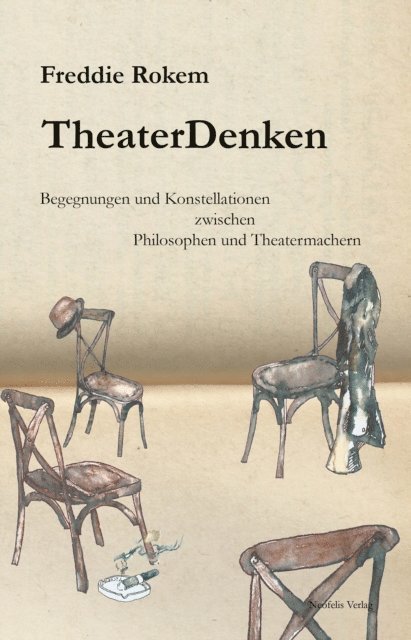
Wechselseitige Beziehungen, Befragungen und Beeinflussungen von Philosophie und Theater bzw. Performance sind in jüngster Zeit zu einem wichtigen und innovativen Forschungsfeld geworden. TheaterDenken trägt zur Entwicklung dieses Untersuchungsfelds mit der Analyse von vier direkten Begegnungen zwischen Philosophen und Theatermachern (im weiteren Sinne) bei.Die Studie beginnt mit der Diskussion zwischen Sokrates, Agathon und Aristophanes in Platons Das Gastmahl. Sie endet bei der Auseinandersetzung von Walter Benjamin und Bertolt Brecht über einen kurzen Text von Franz Kafka (bei ihrer Begegnung in Dänemark 1934). Zudem analysiert Rokem Hamlets komplexe und tragische Identitätsspaltung in Philosoph und Theatermacher. Er widmet sich ferner der intensiven Korrespondenz von Friedrich Nietzsche und August Strindberg, bestehend aus dreizehn Briefen.In TheaterDenken, das sich zugleich auf historischen und fiktionalen Schauplätzen bewegt, eröffnet Rokem eine umfangreiche Diskussion über die Bedeutung von Performativität für das philosophische Denken. Er entwickelt sie aus Begegnungen und Konstellationen philosophischer und theatraler Praktiken. Diese unterschiedlichen Diskursfelder, so zeigt der Autor, sind nicht nur im Wettstreit aufeinander bezogen oder schließen sich wechselseitig aus, sondern sie fließen immer wieder ineinander und eröffnen kreative Sphären des TheaterDenkens.