Frederik Coene - Böcker
Visar alla böcker från författaren Frederik Coene. Handla med fri frakt och snabb leverans.
4 produkter
4 produkter
2 236 kr
Skickas inom 10-15 vardagar
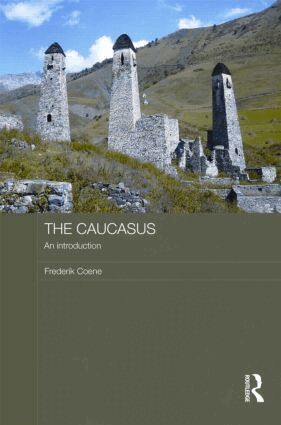
The Caucasus is one of the most complicated regions in the world: with many different peoples and political units, differing religious allegiances, and frequent conflicts, and where historically major world powers have clashed with each other. Until now there has been no single book for those wishing to learn about this complex region. This book fills the gap, providing a clear, comprehensive introduction to the Caucasus, which is suitable for all readers. It covers the geography; the historical development of the region; economics; politics and government; population; religion and society; culture and traditions; alongside its conflicts and international relations. Written throughout in an accessible style, it requires no prior knowledge of the Caucasus. The book will be invaluable for those researching specific issues, as well as for readers needing a thorough introduction to the region.
829 kr
Skickas inom 10-15 vardagar
The Caucasus is one of the most complicated regions in the world: with many different peoples and political units, differing religious allegiances, and frequent conflicts, and where historically major world powers have clashed with each other. Until now there has been no single book for those wishing to learn about this complex region. This book fills the gap, providing a clear, comprehensive introduction to the Caucasus, which is suitable for all readers. It covers the geography; the historical development of the region; economics; politics and government; population; religion and society; culture and traditions; alongside its conflicts and international relations. Written throughout in an accessible style, it requires no prior knowledge of the Caucasus. The book will be invaluable for those researching specific issues, as well as for readers needing a thorough introduction to the region.
Euro-Atlantic Discourse in Georgia
The Making of Georgian Foreign and Domestic Policy After the Rose Revolution
Häftad, Engelska, 2021
616 kr
Skickas inom 10-15 vardagar
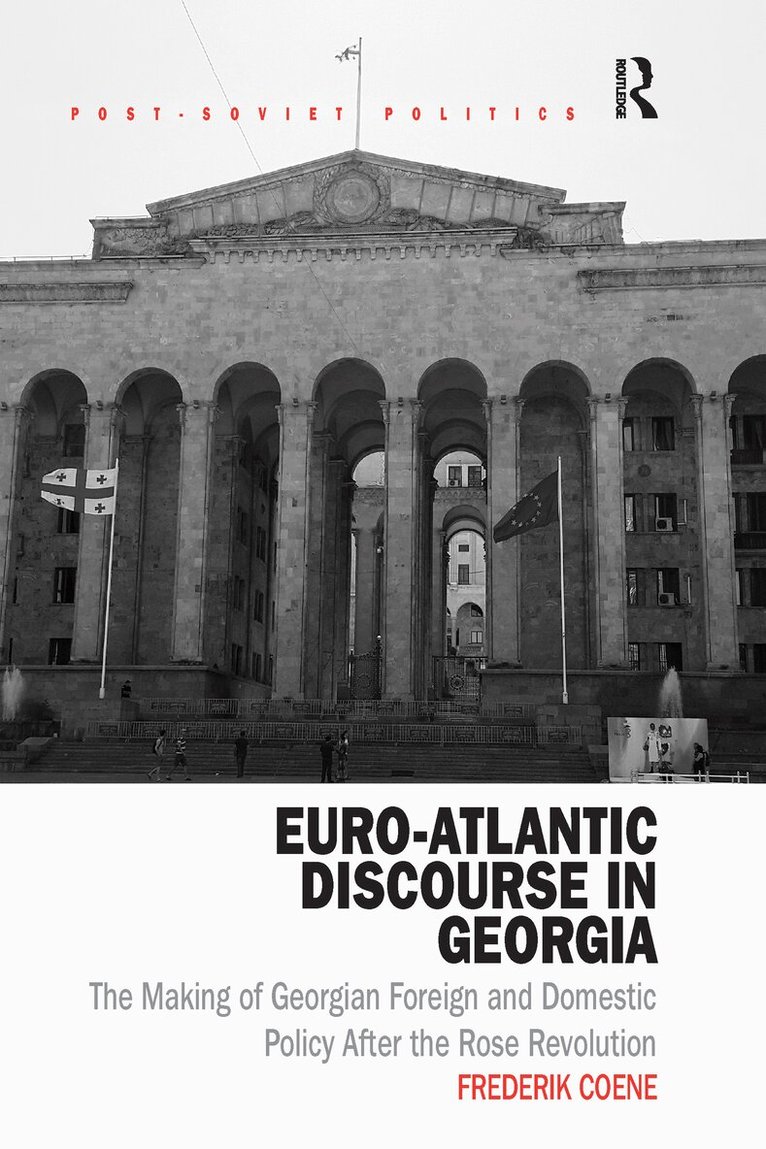
How have discourses of Euro-Atlanticism been used in domestic and international affairs by the political elite in Georgia? After the 2003 Rose Revolution, as relations with Russia soured, a Euro-Atlantic orientation portrayed as a single and coherent strategy became the cornerstone of Georgian foreign policy as well as a model for domestic reforms. This promise of a prosperous future offered new hope to the Georgian population. Scepticism or critical thinking towards President Saakashvili and his government were equated to pro-Russian treason and pro-western orientation and impressive reforms, promoted as being modelled along ’European standards’, emerged simultaneously with an outspoken rhetoric and active symbolism. References to Europe and the Euro-Atlantic structures became ubiquitous as European flags were brandished throughout the country. Addressing a gap in the existing literature the author examines a large volume of data extracted from news items from 20 different Georgian and International media channels over a ten-year period. Through this he identifies patterns in the discourse to explain the intentions of the Georgian elite and examines the effectiveness of the rhetoric.
Euro-Atlantic Discourse in Georgia
The Making of Georgian Foreign and Domestic Policy After the Rose Revolution
Inbunden, Engelska, 2016
2 171 kr
Skickas inom 10-15 vardagar
How have discourses of Euro-Atlanticism been used in domestic and international affairs by the political elite in Georgia? After the 2003 Rose Revolution, as relations with Russia soured, a Euro-Atlantic orientation portrayed as a single and coherent strategy became the cornerstone of Georgian foreign policy as well as a model for domestic reforms. This promise of a prosperous future offered new hope to the Georgian population. Scepticism or critical thinking towards President Saakashvili and his government were equated to pro-Russian treason and pro-western orientation and impressive reforms, promoted as being modelled along ’European standards’, emerged simultaneously with an outspoken rhetoric and active symbolism. References to Europe and the Euro-Atlantic structures became ubiquitous as European flags were brandished throughout the country. Addressing a gap in the existing literature the author examines a large volume of data extracted from news items from 20 different Georgian and International media channels over a ten-year period. Through this he identifies patterns in the discourse to explain the intentions of the Georgian elite and examines the effectiveness of the rhetoric.