Frederik Rosen – författare
Visar alla böcker från författaren Frederik Rosen. Handla med fri frakt och snabb leverans.
3 produkter
3 produkter
E-bok
PDF, Engelska, 20221 106 kr
Läs direkt efter köp
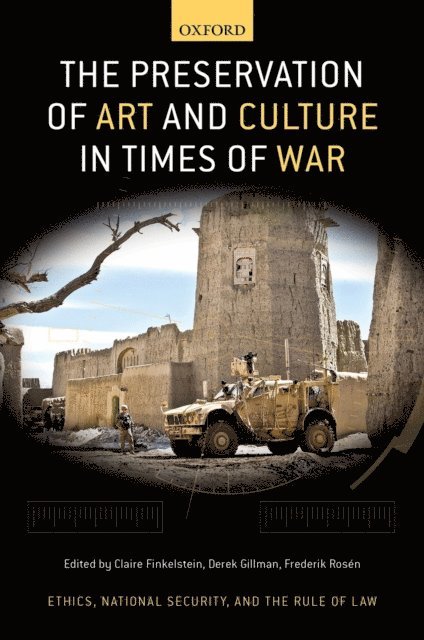
Conflict over cultural heritage has increasingly become a standard part of war. Today, systematic exploitation, manipulation, attacks, and destruction of cultural heritage by state and non-state actors form part of most violent conflicts across the world. Such acts are often intentional and based on well-planned strategies for inflicting harm on groups of people and communities. With this increasing awareness of the role cultural heritage plays in war, scholars and practitioners have progressed from seeing conflict-related destruction of cultural heritage as a cultural tragedy to understanding it as a vital national security issue. There is also a shift from the desire to protect cultural property for its own sake to viewing its protection as connected to broader agendas of peace and security. Concerns about cultural heritage have thus migrated beyond the cultural sphere to worries about the protection of civilians, the financing of terrorism, societal resilience, post-conflict reconciliation, hybrid warfare, and the geopolitics of territorial conflicts. This volume seeks to deepen public understanding of the evolving nexus between cultural heritage and security in the twenty-first century. Drawing on a variety of disciplines and perspectives, the chapters in this volume examine a complex set of relationships between the deliberate destruction and misuse of cultural heritage in times of conflict, on the one hand, and basic societal values, legal principles, and national security, on the other.
E-bok
Engelska, 20221 147 kr
Läs direkt efter köp
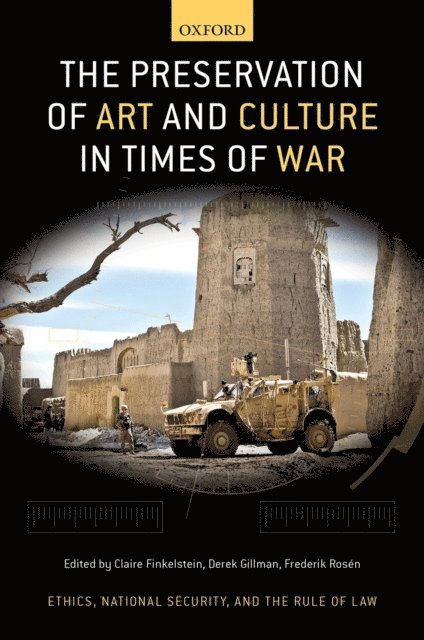
Conflict over cultural heritage has increasingly become a standard part of war. Today, systematic exploitation, manipulation, attacks, and destruction of cultural heritage by state and non-state actors form part of most violent conflicts across the world. Such acts are often intentional and based on well-planned strategies for inflicting harm on groups of people and communities. With this increasing awareness of the role cultural heritage plays in war, scholars and practitioners have progressed from seeing conflict-related destruction of cultural heritage as a cultural tragedy to understanding it as a vital national security issue. There is also a shift from the desire to protect cultural property for its own sake to viewing its protection as connected to broader agendas of peace and security. Concerns about cultural heritage have thus migrated beyond the cultural sphere to worries about the protection of civilians, the financing of terrorism, societal resilience, post-conflict reconciliation, hybrid warfare, and the geopolitics of territorial conflicts. This volume seeks to deepen public understanding of the evolving nexus between cultural heritage and security in the twenty-first century. Drawing on a variety of disciplines and perspectives, the chapters in this volume examine a complex set of relationships between the deliberate destruction and misuse of cultural heritage in times of conflict, on the one hand, and basic societal values, legal principles, and national security, on the other.
Inbunden, Engelska, 2016
553 kr
Skickas inom 3-6 vardagar
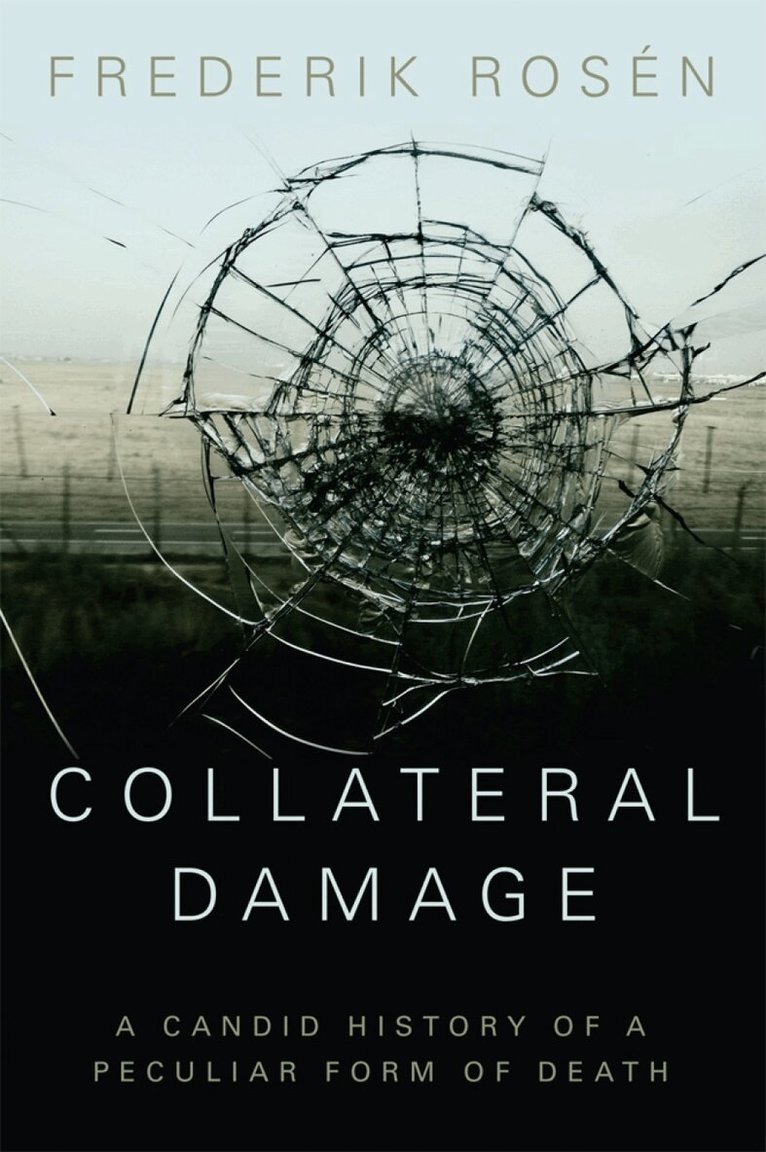
The dilemmas precipitated by the unintentional killing of civilians in war, or 'collateral damage', shape many aspects of military conduct, yet noticeable by its absence has been a methodical examination of the place and role of this phenomenon in modern warfare. This book offers a fresh perspective on a distressing consequence of conflict. Rosen explains how collateral damage is linked to ideas of authority, thereby anchoring it to the existential riddles of our individual and collective lives, and that this peculiar form of death constitutes an image of what it means to be human. His investigation of collateral damage is notable too for how the death of non-combatants sheds light on some of today's critical challenges to war and global governance, such as the growing role of non-state actors, mercenary contractors and the impact of military privatisation. In the ethical realm those who successfully prove that collateral damage has occurred also enter the debate about which institutions may exert authority and thus how a truly decentralised world might be organised.This is why the in many ways underrepresented victims of collateral damage appear on closer inspection to have experienced a most significant form of death.