G. Higgins – författare
Visar alla böcker från författaren G. Higgins. Handla med fri frakt och snabb leverans.
3 produkter
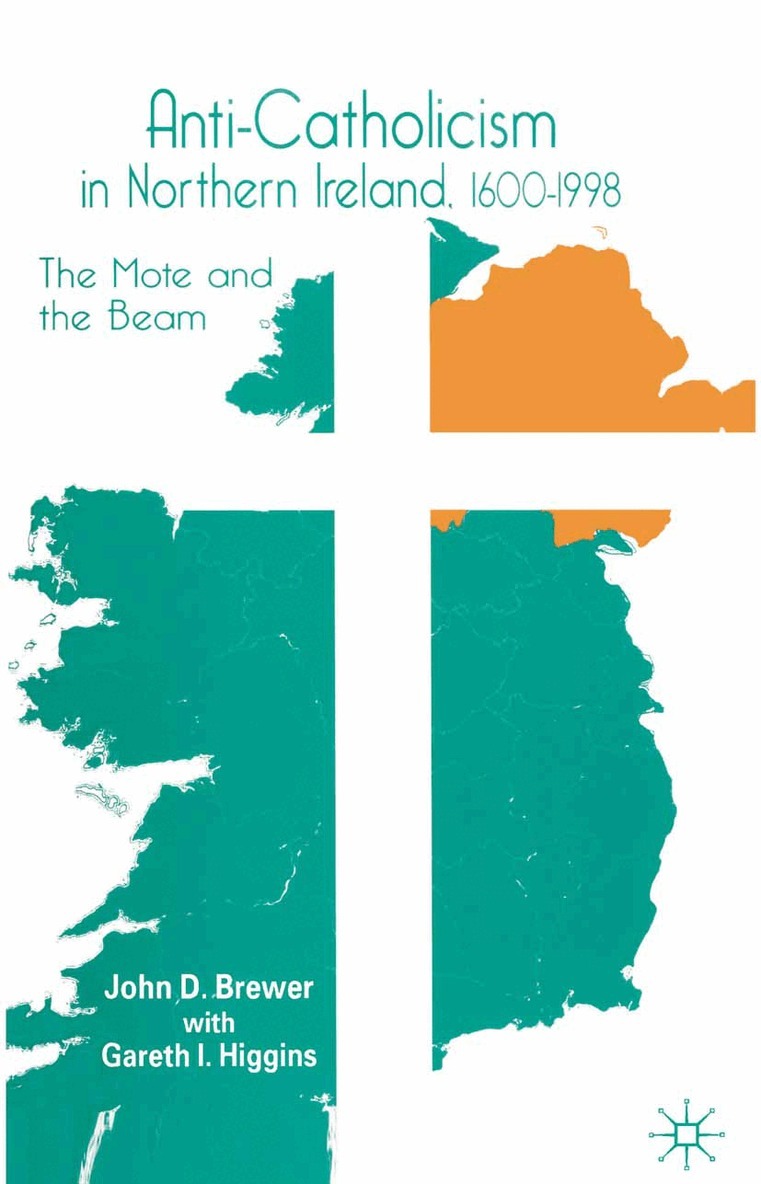
Anti-Catholicism in Northern Ireland, 1600–1998
The Mote and the Beam
Av J. Brewer, G. Higgins
Inbunden, 1998
1096 kr
Lägg i varukorg
Anti-Catholicism forms part of the dynamics to Northern Ireland's conflict and is critical to the self-defining identity of certain Protestants. However, anti-Catholicism is as much a sociology process as a theological dispute. It was given a Scriptural underpinning in the history of …
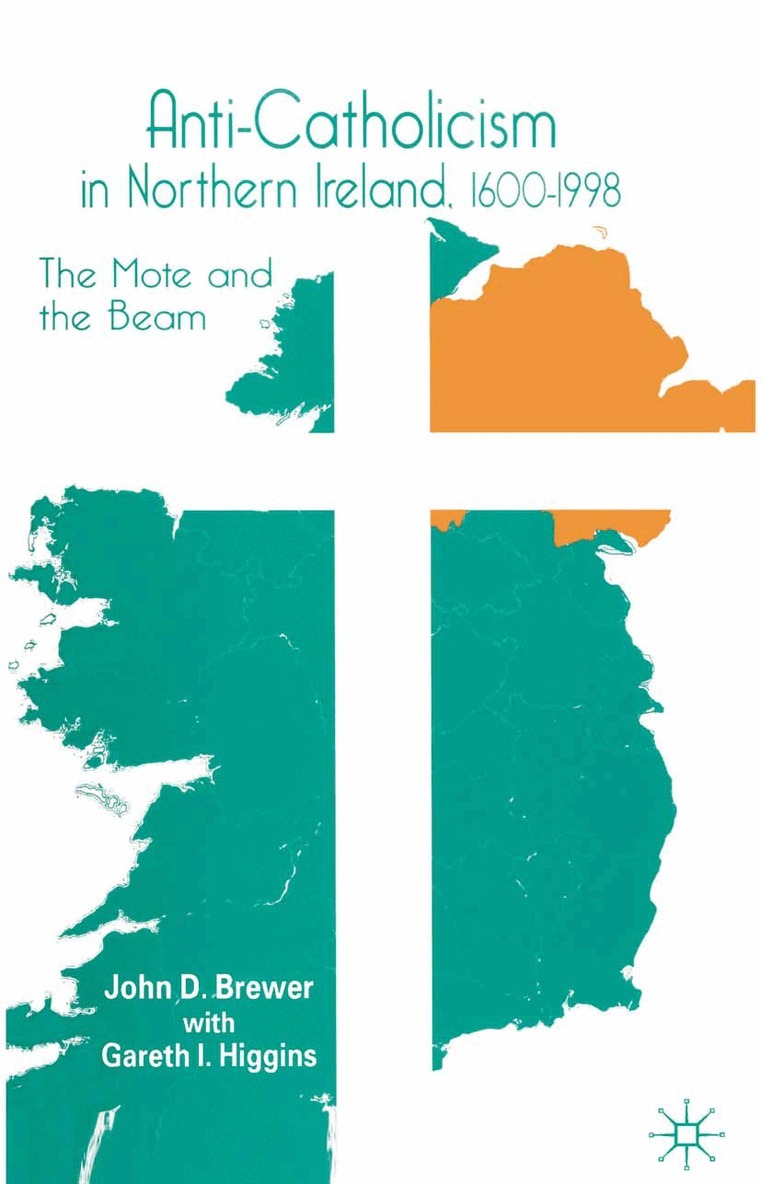
Anti-Catholicism in Northern Ireland, 1600–1998
The Mote and the Beam
Av J. Brewer, G. Higgins
Häftad, 1998
1096 kr
Lägg i varukorg
Anti-Catholicism forms part of the dynamics to Northern Ireland's conflict and is critical to the self-defining identity of certain Protestants. However, anti-Catholicism is as much a sociology process as a theological dispute. It was given a Scriptural underpinning in the history of …
Anti-Catholicism in Northern Ireland, 1600-1998
The Mote and the Beam
Av G. Higgins, J. Brewer
E-bok, 1998
1550 kr
Lägg i varukorg
Anti-Catholicism forms part of the dynamics to Northern Ireland''s conflict and is critical to the self-defining identity of certain Protestants. However, anti-Catholicism is as much a sociology process as a theological dispute. It was given a Scriptural underpinning in the history of …