Gabriela Ramos - Böcker
Visar alla böcker från författaren Gabriela Ramos. Handla med fri frakt och snabb leverans.
4 produkter
4 produkter
419 kr
Skickas inom 10-15 vardagar
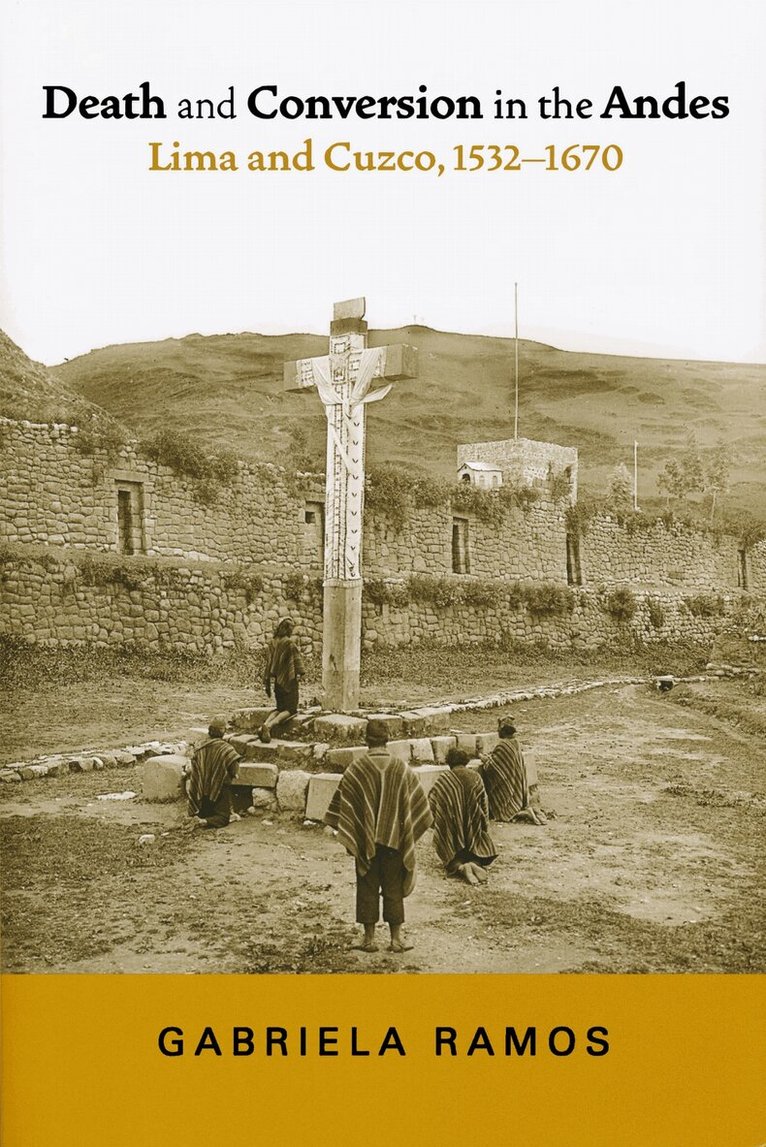
When the Spanish invaded the Inca empire in 1532, the cult of the ancestors was an essential feature of pre-Columbian religion throughout the Andes. The dead influenced politics, protected the living, symbolized the past, and legitimized claims over the land their descendants occupied, while the living honored the presence of the dead in numerous aspects of daily life. A central purpose of the Spanish missionary endeavor was to suppress the Andean cult of the ancestors and force the indigenous people to adopt their Catholic, legal, and cultural views concerning death. In her book, Gabriela Ramos reveals the extent to which Christianizing death was essential for the conversion of the indigenous population to Catholicism.Ramos argues that understanding the relation between death and conversion in the Andes involves not only considering the obvious attempts to destroy the cult of the dead, but also investigating a range of policies and strategies whose application demanded continuous negotiation between Spaniards and Andeans. Drawing from historical, archaeological, and anthropological research and a wealth of original archival materials, especially the last wills and testaments of indigenous Andeans, Ramos looks at the Christianization of death as it affected the lives of inhabitants of two principal cities of the Peruvian viceroyalty: Lima, the new capital founded on the Pacific coast by the Spanish, and Cuzco, the old capital of the Incas in the Andean highlands. Her study of the wills in particular demonstrates the strategies that Andeans devised to submit to Spanish law and Christian doctrine, preserve bonds of kinship, and cement their place in colonial society.
1 378 kr
Skickas inom 10-15 vardagar
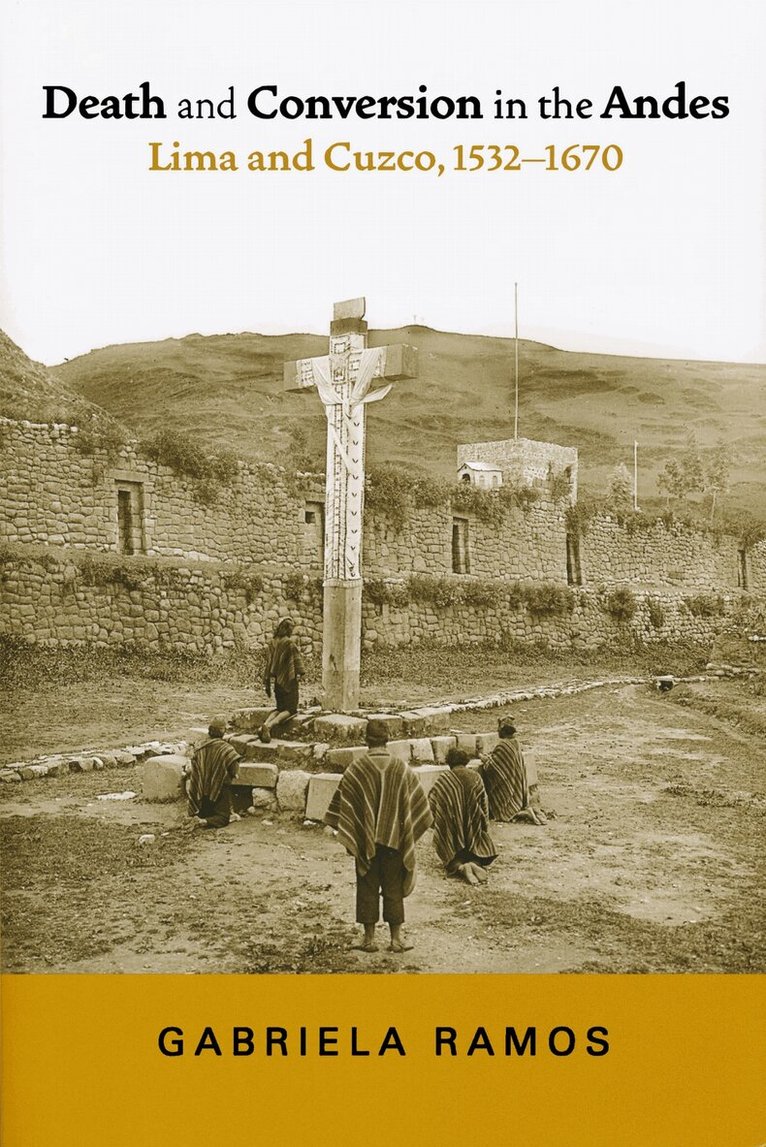
When the Spanish invaded the Inca empire in 1532, the cult of the ancestors was an essential feature of pre-Columbian religion throughout the Andes. The dead influenced politics, protected the living, symbolized the past, and legitimized claims over the land their descendants occupied, while the living honored the presence of the dead in numerous aspects of daily life. A central purpose of the Spanish missionary endeavor was to suppress the Andean cult of the ancestors and force the indigenous people to adopt their Catholic, legal, and cultural views concerning death. In her book, Gabriela Ramos reveals the extent to which Christianizing death was essential for the conversion of the indigenous population to Catholicism.Ramos argues that understanding the relation between death and conversion in the Andes involves not only considering the obvious attempts to destroy the cult of the dead, but also investigating a range of policies and strategies whose application demanded continuous negotiation between Spaniards and Andeans. Drawing from historical, archaeological, and anthropological research and a wealth of original archival materials, especially the last wills and testaments of indigenous Andeans, Ramos looks at the Christianization of death as it affected the lives of inhabitants of two principal cities of the Peruvian viceroyalty: Lima, the new capital founded on the Pacific coast by the Spanish, and Cuzco, the old capital of the Incas in the Andean highlands. Her study of the wills in particular demonstrates the strategies that Andeans devised to submit to Spanish law and Christian doctrine, preserve bonds of kinship, and cement their place in colonial society.
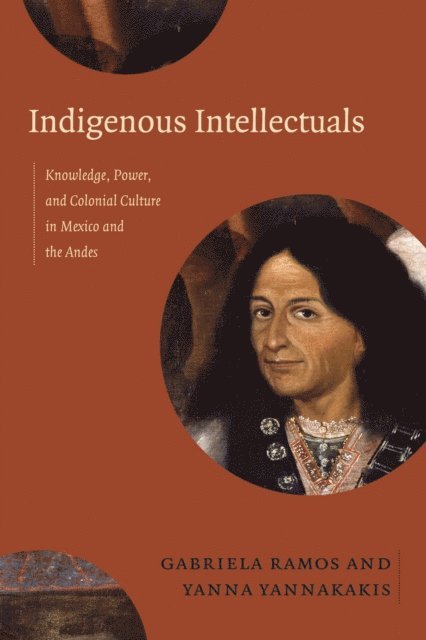
Indigenous Intellectuals
Knowledge, Power, and Colonial Culture in Mexico and the Andes
Inbunden, Engelska, 2014
1 521 kr
Skickas inom 7-10 vardagar
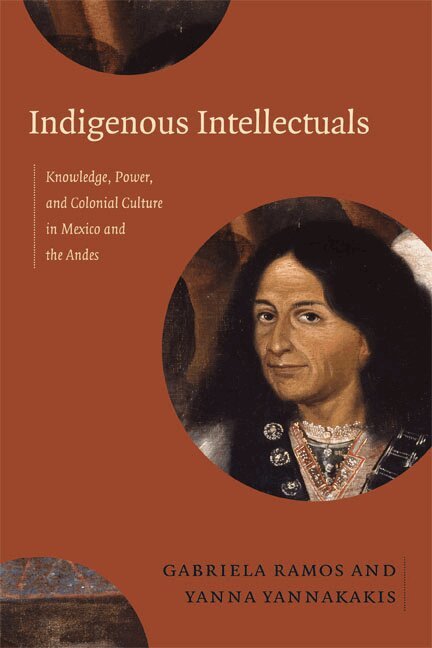
Via military conquest, Catholic evangelization, and intercultural engagement and struggle, a vast array of knowledge circulated through the Spanish viceroyalties in Mexico and the Andes. This collection highlights the critical role that indigenous intellectuals played in this cultural ferment. Scholars of history, anthropology, literature, and art history reveal new facets of the colonial experience by emphasizing the wide range of indigenous individuals who used knowledge to subvert, undermine, critique, and sometimes enhance colonial power. Seeking to understand the political, social, and cultural impact of indigenous intellectuals, the contributors examine both ideological and practical forms of knowledge. Their understanding of "intellectual" encompasses the creators of written texts and visual representations, functionaries and bureaucrats who interacted with colonial agents and institutions, and organic intellectuals.Contributors. Elizabeth Hill Boone, Kathryn Burns, John Charles, Alan Durston, MarÍa Elena MartÍnez, Tristan Platt, Gabriela Ramos, Susan Schroeder, John F. Schwaller, Camilla Townsend, Eleanor Wake, Yanna Yannakakis
Indigenous Intellectuals
Knowledge, Power, and Colonial Culture in Mexico and the Andes
Häftad, Engelska, 2014
372 kr
Skickas inom 7-10 vardagar
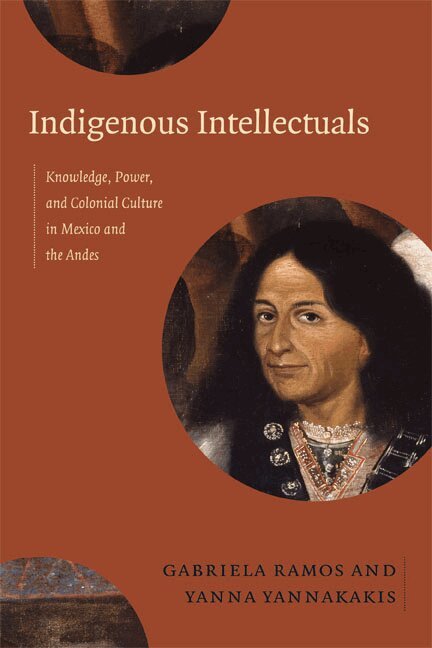
Via military conquest, Catholic evangelization, and intercultural engagement and struggle, a vast array of knowledge circulated through the Spanish viceroyalties in Mexico and the Andes. This collection highlights the critical role that indigenous intellectuals played in this cultural ferment. Scholars of history, anthropology, literature, and art history reveal new facets of the colonial experience by emphasizing the wide range of indigenous individuals who used knowledge to subvert, undermine, critique, and sometimes enhance colonial power. Seeking to understand the political, social, and cultural impact of indigenous intellectuals, the contributors examine both ideological and practical forms of knowledge. Their understanding of "intellectual" encompasses the creators of written texts and visual representations, functionaries and bureaucrats who interacted with colonial agents and institutions, and organic intellectuals.Contributors. Elizabeth Hill Boone, Kathryn Burns, John Charles, Alan Durston, MarÍa Elena MartÍnez, Tristan Platt, Gabriela Ramos, Susan Schroeder, John F. Schwaller, Camilla Townsend, Eleanor Wake, Yanna Yannakakis