Gabriella Gimigliano – författare
Visar alla böcker från författaren Gabriella Gimigliano. Handla med fri frakt och snabb leverans.
11 produkter
11 produkter
Inbunden, Engelska, 2016
1 568 kr
Skickas inom 10-15 vardagar
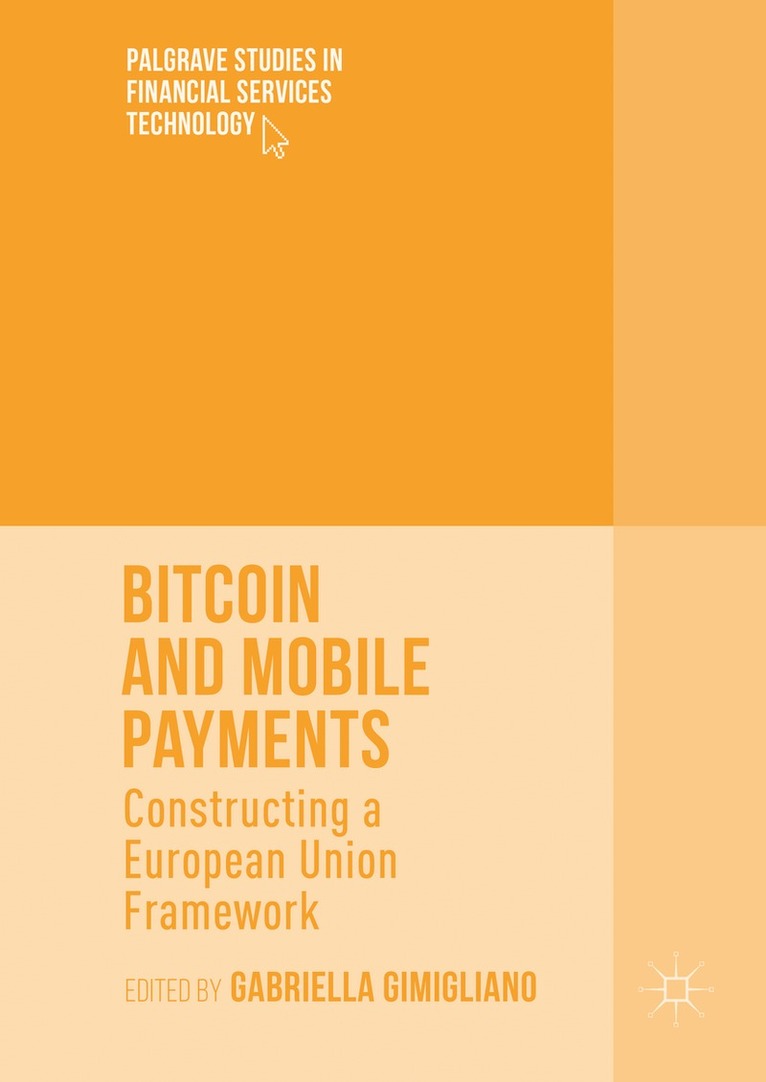
This book provides a critical analysis of The European Union’s regulatory framework for mobile payments and bitcoin. Chapters discuss the creation of the EU single market for e-payments and combine legal analysis with comparative case studies in their exploration of the regulatory challenges surrounding e-payments. The contributing authors analyse the key economic and legal issues of the development of bitcoin and mobile payments within the EU framework through a comparative lens. They cover topics ranging from user data and funds protection and the stability of the payment system to the competitiveness of the EU market. Providing a comprehensive and methodological guide to the bitcoin and mobile payments in Europe, this book will prove an illuminating and informative read for academics, students and policy makers with an interest in the impact of innovation on payment systems.
E-bok
PDF, Engelska, 20161 825 kr
Läs direkt efter köp
This book provides a critical analysis of The European Union’s regulatory framework for mobile payments and bitcoin. Chapters discuss the creation of the EU single market for e-payments and combine legal analysis with comparative case studies in their exploration of the regulatory challenges surrounding e-payments. The contributing authors analyse the key economic and legal issues of the development of bitcoin and mobile payments within the EU framework through a comparative lens. They cover topics ranging from user data and funds protection and the stability of the payment system to the competitiveness of the EU market. Providing a comprehensive and methodological guide to the bitcoin and mobile payments in Europe, this book will prove an illuminating and informative read for academics, students and policy makers with an interest in the impact of innovation on payment systems.
Inbunden, Engelska, 2022
1 275 kr
Skickas inom 10-15 vardagar
This book addresses 3 questions: is money a way to create a European Union identity? If so, which type of identity is this? And in what ways is the EU identity changing? The book brings together experts from a variety of backgrounds and academic approaches to analyse the law of money and payments on the one side, and the law of capital and investments on the other.The book is divided into 2 parts. Part I covers scriptural, electronic, and digital money. It analyses the European framework for payment services users, explores limits and challenges of the Banking Union, and looks at the project for a digital euro. Part II investigates the policy and regulatory drivers of the EU's changing identity, from the early modern roots of the European law of money and capital to the regulatory strategy set in the Capital Markets Union and the role conferred on venture capital; from the fintech-based developments of payment systems to the newly-established fiscal and monetary policies in the post-COVID phase. The book will be of interest to researchers, academics and policy makers in the fields of law and regulation, as well as political economy and political sciences.
E-bok
Engelska, 2022672 kr
Läs direkt efter köp
This book addresses 3 questions: is money a way to create a European Union identity? If so, which type of identity is this? And in what ways is the EU identity changing? The book brings together experts from a variety of backgrounds and academic approaches to analyse the law of money and payments on the one side, and the law of capital and investments on the other.The book is divided into 2 parts. Part I covers scriptural, electronic, and digital money. It analyses the European framework for payment services users, explores limits and challenges of the Banking Union, and looks at the project for a digital euro. Part II investigates the policy and regulatory drivers of the EU''s changing identity, from the early modern roots of the European law of money and capital to the regulatory strategy set in the Capital Markets Union and the role conferred on venture capital; from the fintech-based developments of payment systems to the newly-established fiscal and monetary policies in the post-COVID phase. The book will be of interest to researchers, academics and policy makers in the fields of law and regulation, as well as political economy and political sciences.
E-bok
PDF, Engelska, 2022672 kr
Läs direkt efter köp
This book addresses 3 questions: is money a way to create a European Union identity? If so, which type of identity is this? And in what ways is the EU identity changing? The book brings together experts from a variety of backgrounds and academic approaches to analyse the law of money and payments on the one side, and the law of capital and investments on the other.The book is divided into 2 parts. Part I covers scriptural, electronic, and digital money. It analyses the European framework for payment services users, explores limits and challenges of the Banking Union, and looks at the project for a digital euro. Part II investigates the policy and regulatory drivers of the EU''s changing identity, from the early modern roots of the European law of money and capital to the regulatory strategy set in the Capital Markets Union and the role conferred on venture capital; from the fintech-based developments of payment systems to the newly-established fiscal and monetary policies in the post-COVID phase. The book will be of interest to researchers, academics and policy makers in the fields of law and regulation, as well as political economy and political sciences.
Häftad, Engelska, 2024
641 kr
Skickas inom 10-15 vardagar
This book addresses 3 questions: is money a way to create a European Union identity? If so, which type of identity is this? And in what ways is the EU identity changing? The book brings together experts from a variety of backgrounds and academic approaches to analyse the law of money and payments on the one side, and the law of capital and investments on the other.The book is divided into 2 parts. Part I covers scriptural, electronic, and digital money. It analyses the European framework for payment services users, explores limits and challenges of the Banking Union, and looks at the project for a digital euro. Part II investigates the policy and regulatory drivers of the EU's changing identity, from the early modern roots of the European law of money and capital to the regulatory strategy set in the Capital Markets Union and the role conferred on venture capital; from the fintech-based developments of payment systems to the newly-established fiscal and monetary policies in the post-COVID phase. The book will be of interest to researchers, academics and policy makers in the fields of law and regulation, as well as political economy and political sciences.
Inbunden, Engelska, 2021
3 516 kr
Skickas inom 5-8 vardagar
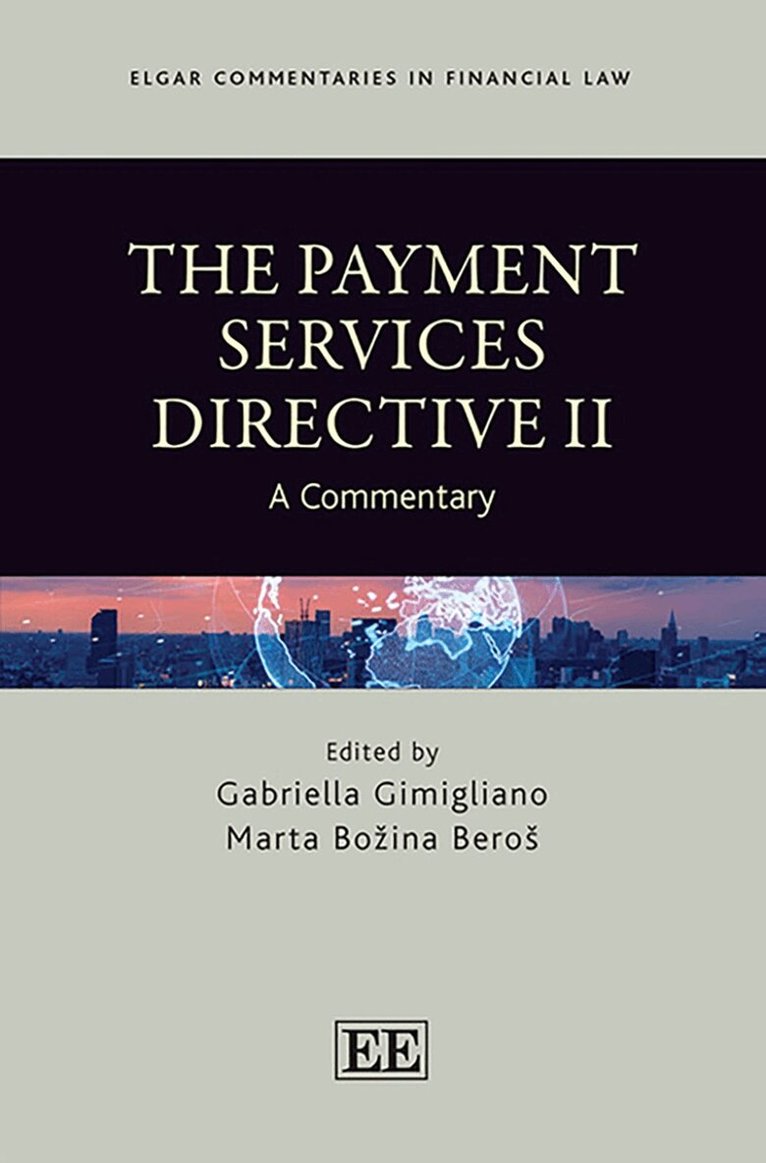
This comprehensive and essential Commentary examines both the origins and effect of the EU’s 2015 Payment Services Directive (PSD2). Addressing a significant gap in the available literature, the book is divided into two parts: Part I analyses the legislative provisions of the Directive, while Part II explores the PSD2 implementation experience in selected EU Member States as well as in the United Kingdom. Key features include:An innovative, systematic analysis of the Directive by leading scholars and practitionersAn in-depth legal and economic examination of the Directive’s provisions and how they relate to other relevant EU legislationA comprehensive guide to the Directive’s implementation in a number of EU member states with reference to national legislation and jurisprudenceThe original analytical approach will ensure that this Commentary proves to be crucial reading for scholars of EU financial, banking and consumer protection law. It will also be a critical resource for practitioners, compliance and authority officers, and other professionals working in this field.
E-bok
PDF, Engelska, 20212 876 kr
Läs direkt efter köp
This comprehensive and essential Commentary examines both the origins and effect of the EU’s 2015 Payment Services Directive (PSD2). Addressing a significant gap in the available literature, the book is divided into two parts: Part I analyses the legislative provisions of the Directive, while Part II explores the PSD2 implementation experience in selected EU Member States as well as in the United Kingdom.
Key features include:
An innovative, systematic analysis of the Directive by leading scholars and practitionersAn in-depth legal and economic examination of the Directive’s provisions and how they relate to other relevant EU legislationA comprehensive guide to the Directive’s implementation in a number of EU member states with reference to national legislation and jurisprudenceThe original analytical approach will ensure that this Commentary proves to be crucial reading for scholars of EU financial, banking and consumer protection law. It will also be a critical resource for practitioners, compliance and authority officers, and other professionals working in this field.
Inbunden, Engelska, 2024
1 494 kr
Skickas inom 5-8 vardagar
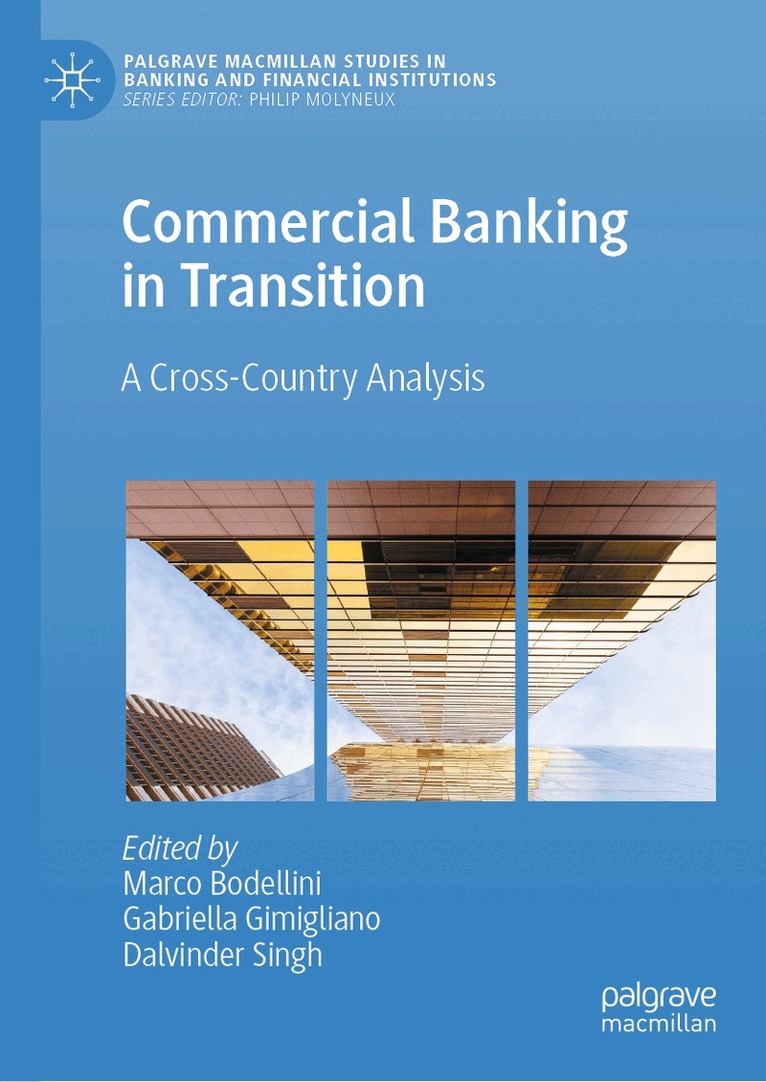
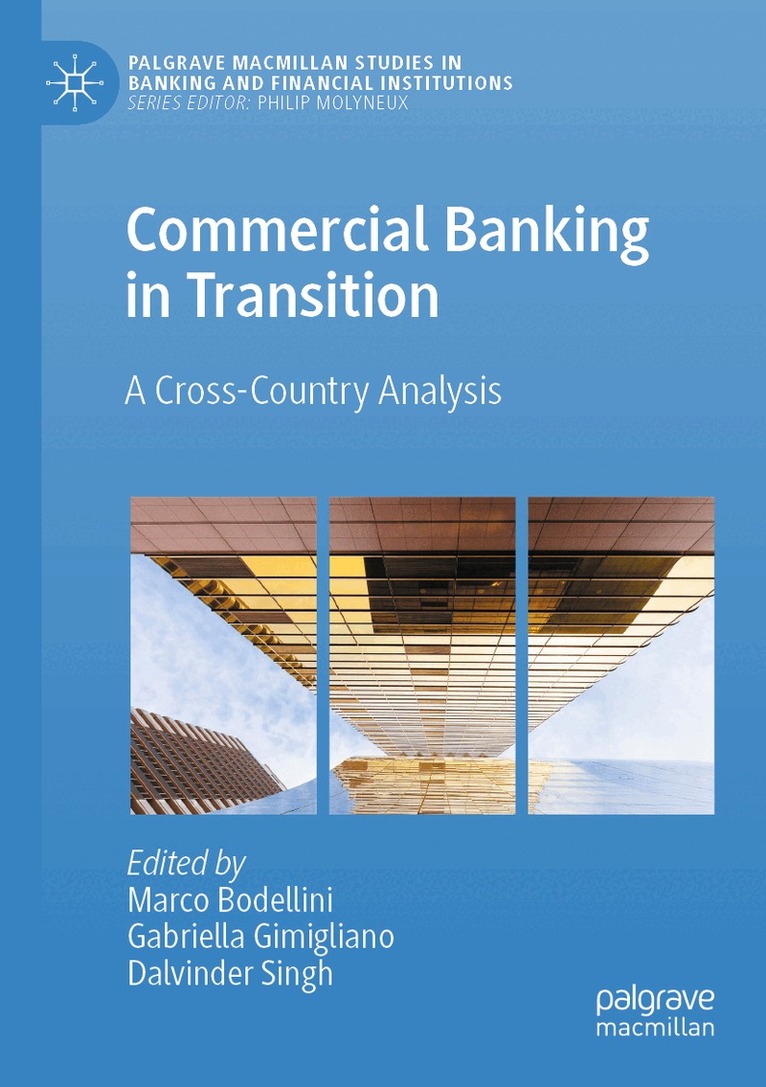
The book investigates commercial banking, covering the European framework, the Anglo-Saxon systems, and the Asian area in a comparative approach in trying to answer the following questions: Which is the commercial banking business model of the future? What do we expect a bank to be and to do in the new economic and social reality? How might banking supervision over commercial banks as well as market competition change? The book showcases how three factors or driving forces influence the future of commercial banking: i) fintech innovations (such as artificial intelligence, cryptocurrencies, blockchain, algorithmic trading, machine learning and electronic payments, to name a few), ii) covid-19 measures, and iii) SDG policy priorities. Geared toward academics, scholars and students of banking and financial services, the book will explore how these three factors have different weight in the different legal contexts.Chapter 11 is licensed under the terms of the Creative Commons Attribution 4.0 International License.
E-bok
Engelska, 20241 819 kr
Läs direkt efter köp
The book investigates commercial banking, covering the European framework, the Anglo-Saxon systems, and the Asian area in a comparative approach in trying to answer the following questions: Which is the commercial banking business model of the future? What do we expect a bank to be and to do in the new economic and social reality? How might banking supervision over commercial banks as well as market competition change? The book showcases how three factors or driving forces influence the future of commercial banking: i) fintech innovations (such as artificial intelligence, cryptocurrencies, blockchain, algorithmic trading, machine learning and electronic payments, to name a few), ii) covid-19 measures, and iii) SDG policy priorities. Geared toward academics, scholars and students of banking and financial services, the book will explore how these three factors have different weight in the different legal contexts.Chapter 11 is licensed under the terms of the Creative Commons Attribution 4.0 International License.
Häftad, Engelska, 2025
1 501 kr
Skickas inom 10-15 vardagar
The book investigates commercial banking, covering the European framework, the Anglo-Saxon systems, and the Asian area in a comparative approach in trying to answer the following questions: Which is the commercial banking business model of the future? What do we expect a bank to be and to do in the new economic and social reality? How might banking supervision over commercial banks as well as market competition change? The book showcases how three factors or driving forces influence the future of commercial banking: i) fintech innovations (such as artificial intelligence, cryptocurrencies, blockchain, algorithmic trading, machine learning and electronic payments, to name a few), ii) covid-19 measures, and iii) SDG policy priorities. Geared toward academics, scholars and students of banking and financial services, the book will explore how these three factors have different weight in the different legal contexts.Chapter 11 is licensed under the terms of the Creative Commons Attribution 4.0 International License.