Gail T. Fairhurst - Böcker
Visar alla böcker från författaren Gail T. Fairhurst. Handla med fri frakt och snabb leverans.
6 produkter
6 produkter
2 155 kr
Skickas inom 10-15 vardagar
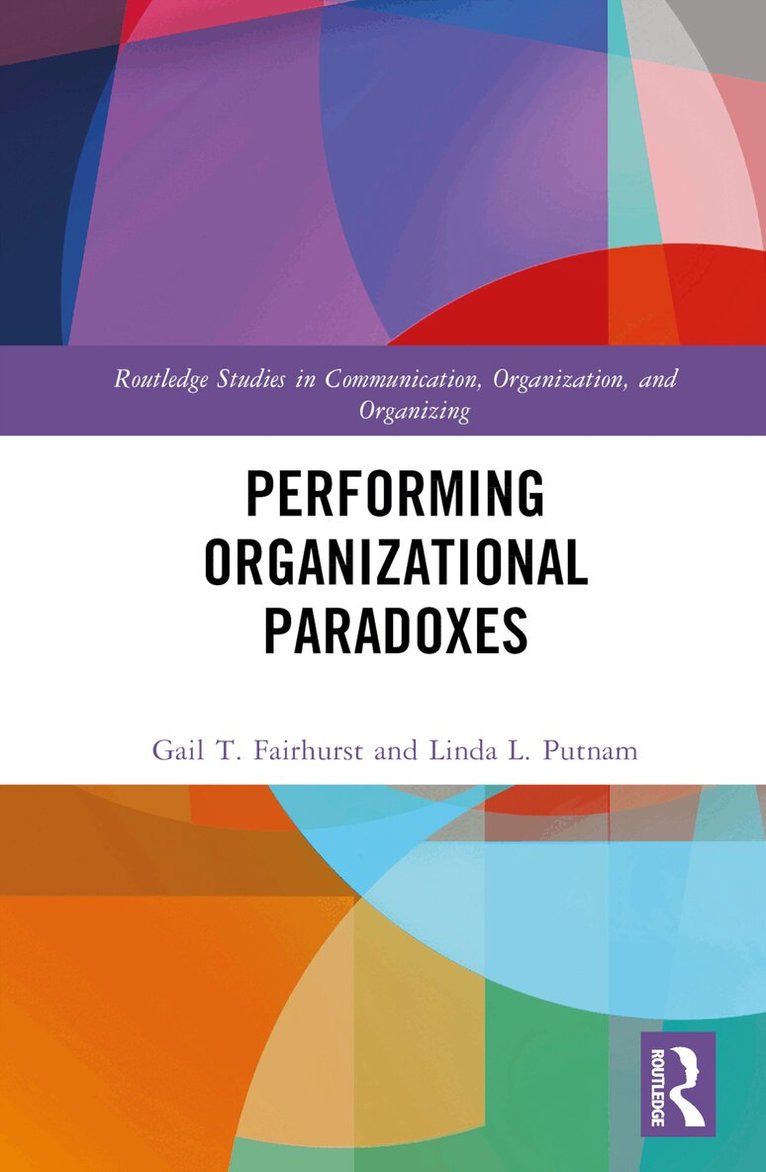
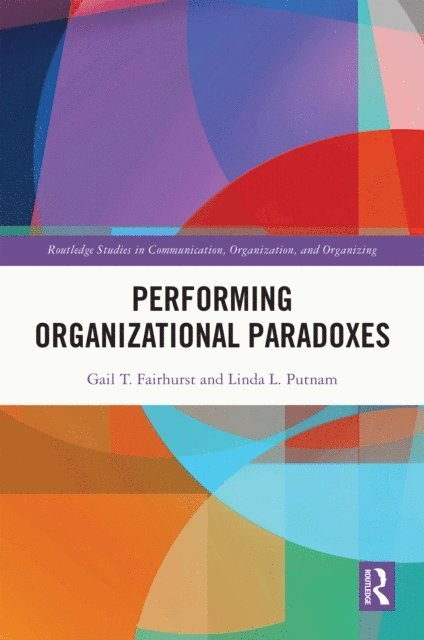
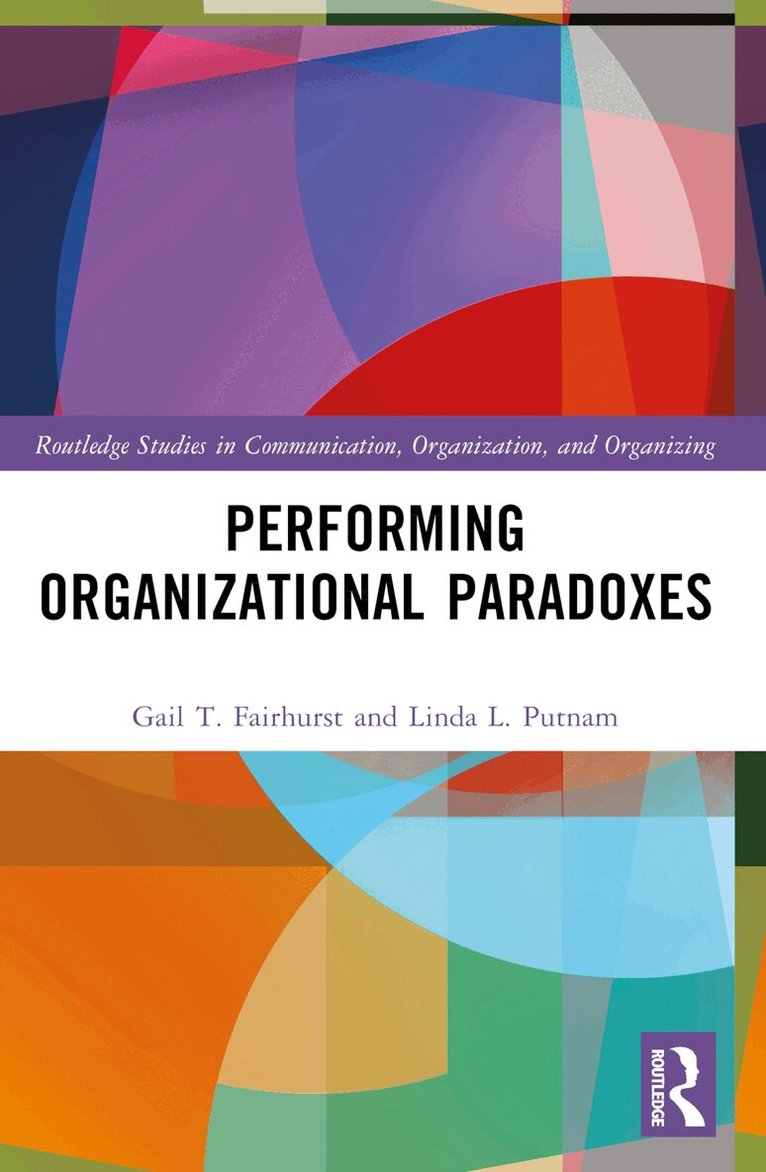
Performing Organizational Paradoxes takes a constitutive, process approach to organizational paradoxes. It underscores the performative nature of paradox through underlying dialectical tensions, its sociomaterial foundations, and power features that bring paradoxes to life, sustain them, and enable their transformation. The book first situates a constitutive approach in the extant organizational paradox literature, by broadening the constitutive approach and addressing the many debates and inaccuracies around it. For the novice, several early chapters devote themselves to considering how paradoxical tensions present themselves, invite responses, and interrelate through their organizing outcomes. For the advanced, latter chapters consider the ubiquity of power and paradox, how bodies escape the quarantine of their paradox narratives, how inventive category work can resist power-imbued paradoxes, and an agenda for future research that challenges scholars to do more on the process side of paradox.Filling an important gap in the existing literature, this book will be a key resource for scholars and students in the fields of communication, management, educational administration, organizational psychology and any other fields that study organizations.
Del 290 - Jossey-Bass Leadership Series
Power of Framing
Creating the Language of Leadership
Inbunden, Engelska, 2010
538 kr
Skickas inom 7-10 vardagar
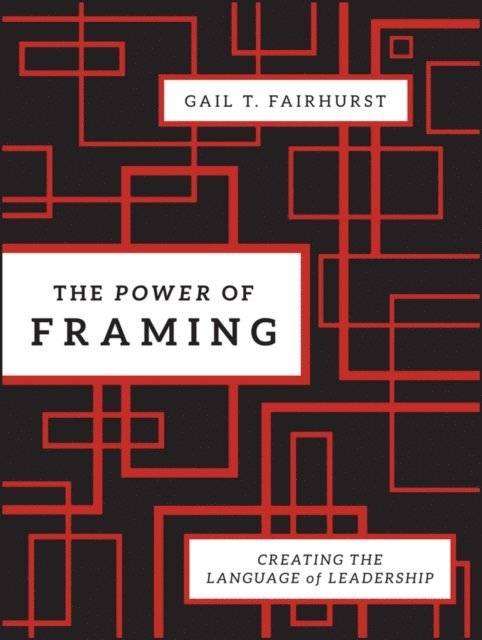
The Power of Framing shows leaders and managers how to tap into the power of language so they can persuade effectively and communicate credibly in today’s business environment. According to professor and management consultant Gail Fairhurst, through framing we define the meaning of “the situation here and now.” Are we in a “crisis”? Is this situation merely a “cause for concern”? Should we be on “red-alert”? These are examples of how we frame the situations we face. When we connect with others through our framing, we shape reality. What’s more, if we “manage meaning” when others are unable, we emerge as leaders. Fairhurst draws examples from a wide range of sources including business, politics, sports, academia, and the arts to bring the concept of framing to life as an everyday communication skill. She includes a diagnostic instrument to help gauge your sensitivity to the framing concept. Fairhurst even dons her hat as an executive coach to tackle the common framing dilemmas that leaders face. The Power of Framing challenges leaders to take it up a notch by viewing framing as: A skill that leaders must master to communicate vision and set prioritiesA science that shows leaders how to think on their feet and frame on the spotAn art form that leaders must hone like a craft with story, metaphor, argument, and visual images as their primary toolsA set of emotions that leaders must deploy to complement their messageAn ethical response in order for leaders to achieve and maintain believability, and so much moreThe Power of Framing is a must-read for today’s leaders, managers, and all those aspiring to these jobs. Its easy-to-read style and practice exercises make this a book you’ll turn to time and again to sharpen your most important communications.
3 378 kr
Skickas inom 10-15 vardagar
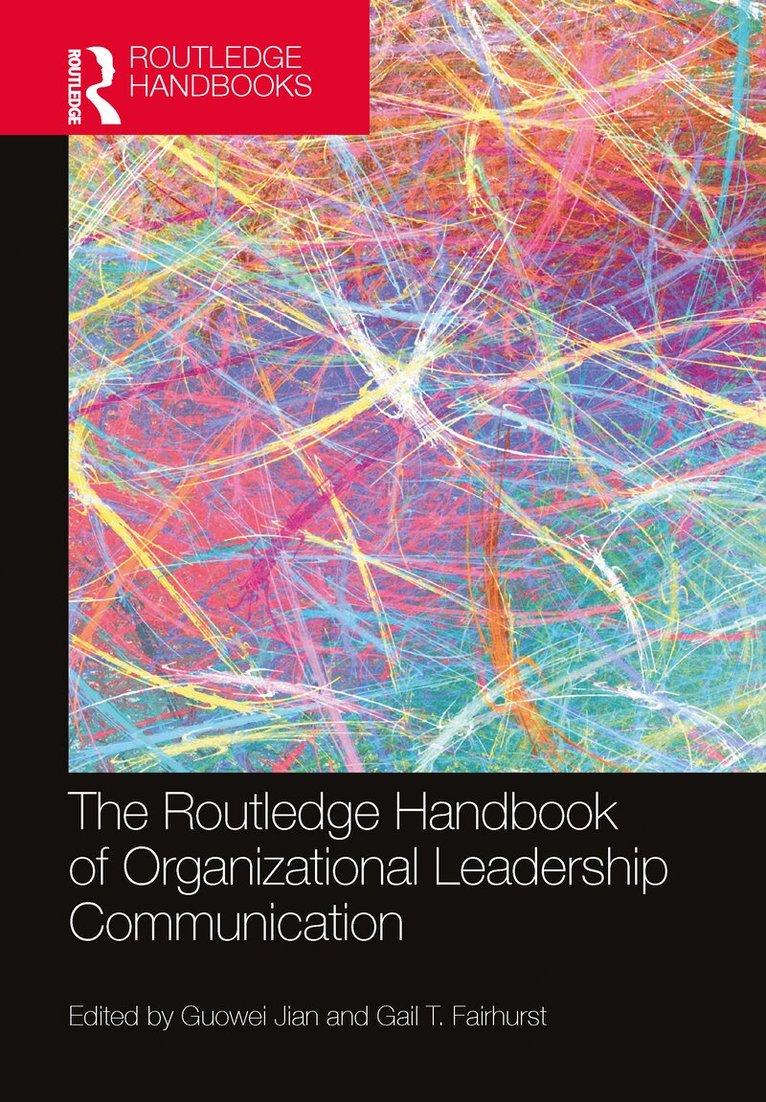
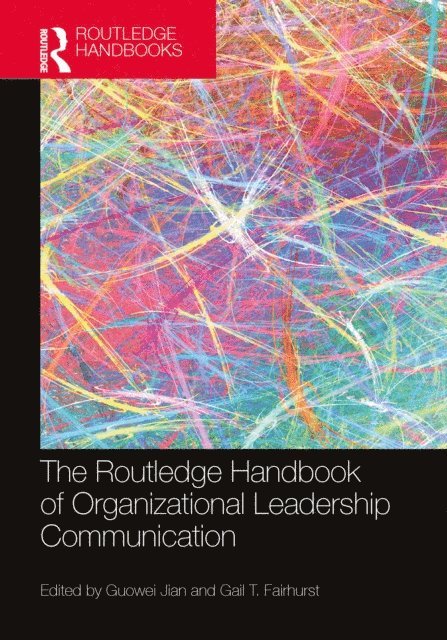
This handbook captures a rapidly developing body of scholarship to map out the terrain of leadership communication and stimulate interdisciplinary dialogue among leadership communication scholars for future research. The Routledge Handbook of Organizational Leadership Communication surveys various areas of leadership communication, critically assesses their development, and proposes guidance for future research. It begins by addressing prominent theories or emerging theoretical perspectives that help conceptualize leadership communication, ranging from collective leadership approaches and critical perspectives to theories of practice and communicative constitution of organization. The second section focuses on reviewing the latest research on leadership communication in various organizational contexts, such as work teams, hybrid and virtual work contexts, and interorganizational collaboration. Informed by diverse theoretical perspectives, chapters in the final section examine the practice of leadership communication in dealing with both common and novel organizing challenges and processes, for example, the formation and execution of organizational vision and strategies, the use of emerging media technologies, and organizational decision making.The handbook will be an indispensable resource for researchers and advanced students in leadership communication and leadership studies and practicing managers and consultants in leadership and communication training and development.
576 kr
Skickas inom 10-15 vardagar
Performing Organizational Paradoxes takes a constitutive, process approach to organizational paradoxes. It underscores the performative nature of paradox through underlying dialectical tensions, its sociomaterial foundations, and power features that bring paradoxes to life, sustain them, and enable their transformation. The book first situates a constitutive approach in the extant organizational paradox literature, by broadening the constitutive approach and addressing the many debates and inaccuracies around it. For the novice, several early chapters devote themselves to considering how paradoxical tensions present themselves, invite responses, and interrelate through their organizing outcomes. For the advanced, latter chapters consider the ubiquity of power and paradox, how bodies escape the quarantine of their paradox narratives, how inventive category work can resist power-imbued paradoxes, and an agenda for future research that challenges scholars to do more on the process side of paradox.Filling an important gap in the existing literature, this book will be a key resource for scholars and students in the fields of communication, management, educational administration, organizational psychology and any other fields that study organizations.
2 661 kr
Skickas inom 3-6 vardagar
2007 National Communication Association, Organizational Communication Division, "Best Book" AwardCiting the well known adage that there are as many definitions of leadership as there are leadership scholars, Fairhurst acknowledges the contributions which psychologists have made to leadership research, before probing the inevitable limitations to their formidable body of work. Fairhurst's work is also thought provoking on the issue of authenticity on the part of leaders."—HUMAN RELATIONSDiscursive Leadership: In Conversation with Leadership Psychology presents a new, groundbreaking way for scholars and graduate students to examine and explore leadership. Differing from a psychological approach to leadership which tries to get inside the heads of leaders and employees, author Gail Fairhurst focuses on the social or communicative aspects between them. A discursive approach to leadership introduces a host of relatively new ideas and concepts and helps us understand leadership's changing role in organizations. Key Features: Compares and contrasts discursive leadership with leadership psychology: This comparison facilitates a clearer definition of discursive leadership. Presents new ways to study leadership: By treating each discourse concept as a heuristic device and supporting each concept with examples, new ways to study leadership are introduced by focusing on key concepts from the organizational discourse literature. Addresses some key challenges within leadership psychology: Each chapter begins with an ongoing debate in leadership psychology and illustrates how a discursive approach can join that debate. Charimatic leadership, leader-member exchange, authentic leadership are just a few of the examples.Offers reactions from leadership psychologists: Leadership psychologists and other discourse scholars respond to the author's proposed 'conversation' between them broadening the debate and introducing new perspectives. Provides quick reviews and extended examples: The book includes critical summaries at the end of each chapter and easy-to-reference appendices. Intended Audience: This book helps scholars, researchers, and practitioners understand the complexities of leadership as it continues to evolve due to such influences as globalization, technology change, and democratization of the workplace. It is also an excellent text for graduate courses such as Leadership; Rhetoric of Leadership; Interpretive Studies of Organizational Communication; Organizational Communication; and Leadership & Communication in the departments of communication, business & management, psychology, and educational administration.
1 714 kr
Skickas inom 3-6 vardagar
2007 National Communication Association, Organizational Communication Division, "Best Book" AwardCiting the well known adage that there are as many definitions of leadership as there are leadership scholars, Fairhurst acknowledges the contributions which psychologists have made to leadership research, before probing the inevitable limitations to their formidable body of work. Fairhurst's work is also thought provoking on the issue of authenticity on the part of leaders."—HUMAN RELATIONSDiscursive Leadership: In Conversation with Leadership Psychology presents a new, groundbreaking way for scholars and graduate students to examine and explore leadership. Differing from a psychological approach to leadership which tries to get inside the heads of leaders and employees, author Gail Fairhurst focuses on the social or communicative aspects between them. A discursive approach to leadership introduces a host of relatively new ideas and concepts and helps us understand leadership's changing role in organizations. Key Features: Compares and contrasts discursive leadership with leadership psychology: This comparison facilitates a clearer definition of discursive leadership. Presents new ways to study leadership: By treating each discourse concept as a heuristic device and supporting each concept with examples, new ways to study leadership are introduced by focusing on key concepts from the organizational discourse literature. Addresses some key challenges within leadership psychology: Each chapter begins with an ongoing debate in leadership psychology and illustrates how a discursive approach can join that debate. Charimatic leadership, leader-member exchange, authentic leadership are just a few of the examples.Offers reactions from leadership psychologists: Leadership psychologists and other discourse scholars respond to the author's proposed 'conversation' between them broadening the debate and introducing new perspectives. Provides quick reviews and extended examples: The book includes critical summaries at the end of each chapter and easy-to-reference appendices. Intended Audience: This book helps scholars, researchers, and practitioners understand the complexities of leadership as it continues to evolve due to such influences as globalization, technology change, and democratization of the workplace. It is also an excellent text for graduate courses such as Leadership; Rhetoric of Leadership; Interpretive Studies of Organizational Communication; Organizational Communication; and Leadership & Communication in the departments of communication, business & management, psychology, and educational administration.