Garritt Van Dyk – författare
Visar alla böcker från författaren Garritt Van Dyk. Handla med fri frakt och snabb leverans.
4 produkter
4 produkter
632 kr
Kommande
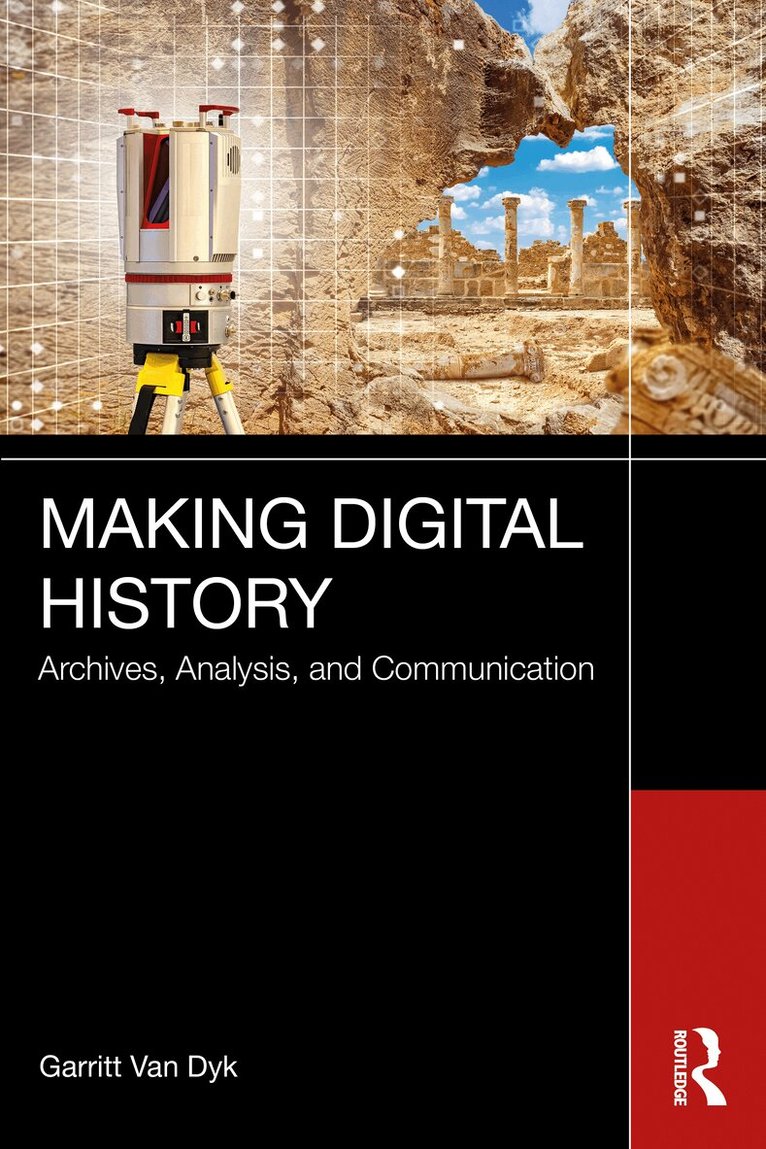
This is a compact guide to digital history for practice and research. It not only shows how sources are captured, preserved, and communicated as digital data, but also how these sources are enriched through conversion into digital formats which enable new modes of interpretation and presentation.Divided into three parts, this book offers a wide range of topical case studies, introduces cutting-edge methodologies, and provides a closer look at new challenges such as preventing loss by technological obsolescence. Part One builds a foundational knowledge of digital history, including the role of the archive, both digital and analogue. It is supported by best practices to manage things like cultural protocols and how archival materials are stored and shared. Part Two explores the common elements of data analysis used in digital history, assuming no prior knowledge. This section will develop an understanding of why scholars select one method over another, and how certain types of sources and data lend themselves to different approaches. Part Three discusses how research findings may be applied and communicated to a public audience, including educational curricula, in the heritage industry, in public cultural institutions (GLAM), and through Public History programs. Finally, the role of non-specialist volunteers in crowdsourcing (citizen archivists and citizen historians) is explored as a way of engaging the public in the production of digital history through active participation in research projects.With the growth of digital sources, from born digital data to the digital conversion of analogue sources, digital history is fast moving towards what all history is. This is therefore a vital guide and core text for undergraduate students of history. It is also important supplementary reading for studies in digital humanities, digital media and communications, visual studies, and museum and heritage studies.
2 312 kr
Kommande
This is a compact guide to digital history for practice and research. It not only shows how sources are captured, preserved, and communicated as digital data, but also how these sources are enriched through conversion into digital formats which enable new modes of interpretation and presentation.Divided into three parts, this book offers a wide range of topical case studies, introduces cutting-edge methodologies, and provides a closer look at new challenges such as preventing loss by technological obsolescence. Part One builds a foundational knowledge of digital history, including the role of the archive, both digital and analogue. It is supported by best practices to manage things like cultural protocols and how archival materials are stored and shared. Part Two explores the common elements of data analysis used in digital history, assuming no prior knowledge. This section will develop an understanding of why scholars select one method over another, and how certain types of sources and data lend themselves to different approaches. Part Three discusses how research findings may be applied and communicated to a public audience, including educational curricula, in the heritage industry, in public cultural institutions (GLAM), and through Public History programs. Finally, the role of non-specialist volunteers in crowdsourcing (citizen archivists and citizen historians) is explored as a way of engaging the public in the production of digital history through active participation in research projects.With the growth of digital sources, from born digital data to the digital conversion of analogue sources, digital history is fast moving towards what all history is. This is therefore a vital guide and core text for undergraduate students of history. It is also important supplementary reading for studies in digital humanities, digital media and communications, visual studies, and museum and heritage studies.
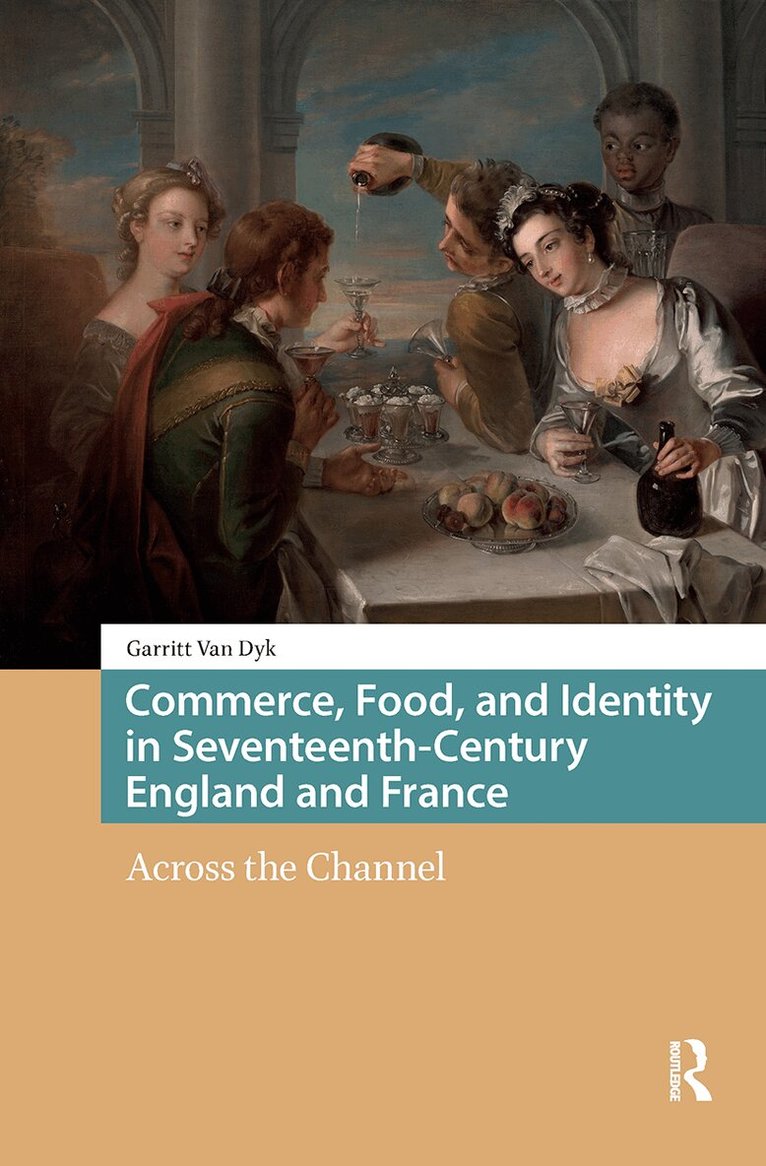
Commerce, Food, and Identity in Seventeenth-Century England and France
Across the Channel
Häftad, Engelska, 2025
653 kr
Skickas inom 10-15 vardagar
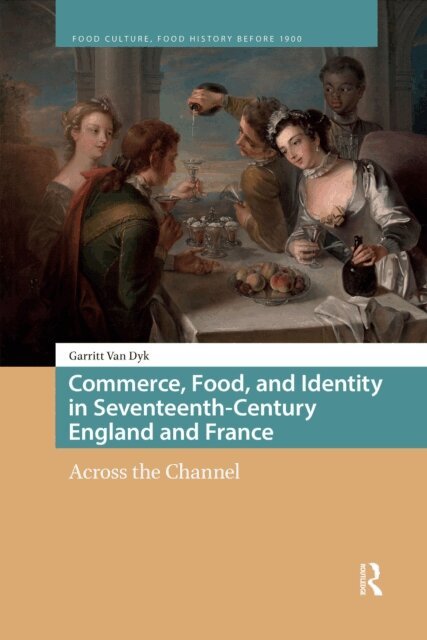
Tell me what you eat, and I'll tell you who you are was the challenge issued by French gastronomist Jean Brillat-Savarin. Champagne is declared a unique emblem of French sophistication and luxury, linked to the myth of its invention by Dom Pérignon. Across the Channel, a cup of sweet tea is recognized as a quintessentially English icon, simultaneously conjuring images of empire, civility, and relentless rain that demands the sustenance and comfort that only tea can provide. How did these tastes develop in the seventeenth century?,Commerce, Food, and Identity in Seventeenth-Century England and France: Across the Channel offers a compelling historical narrative of the relationship between food, national identity, and political economy in the early modern period. These mutually influential relationships are revealed through comparative and transnational analyses of effervescent wine, spices and cookbooks, the development of coffeehouses and cafés, and the 'national sweet tooth' in England and France.
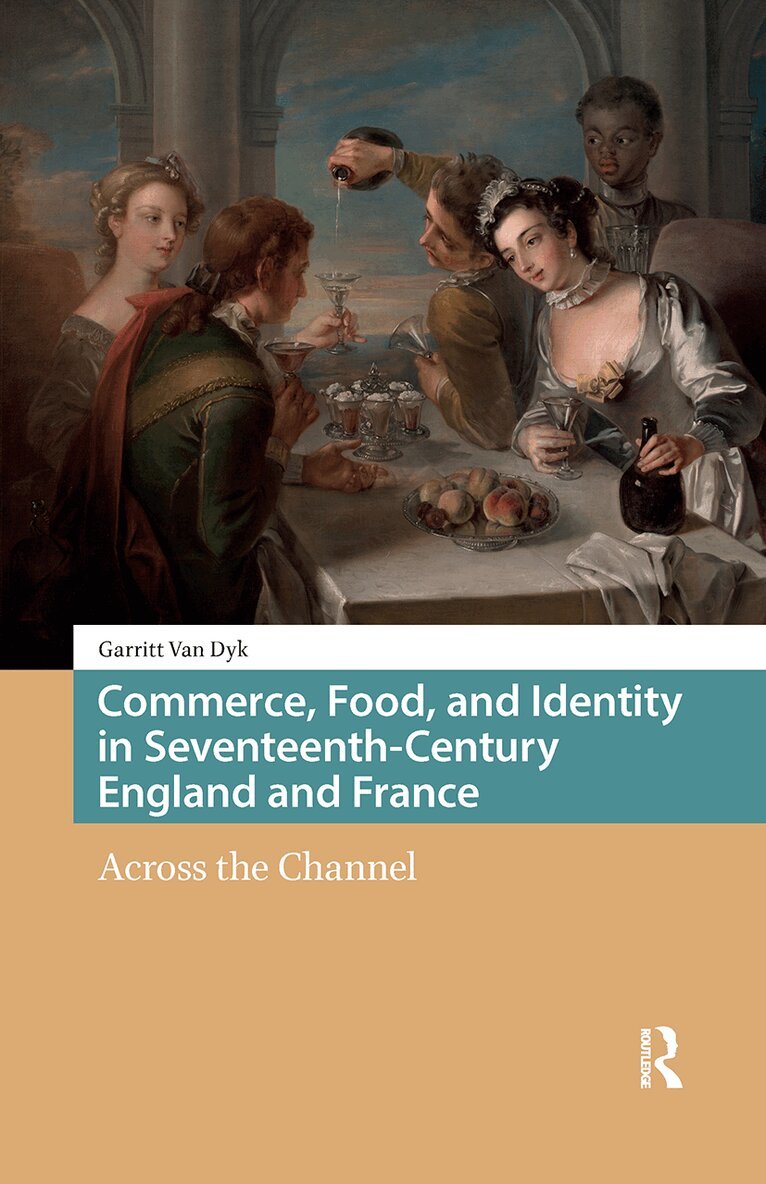
Commerce, Food, and Identity in Seventeenth-Century England and France
Across the Channel
Inbunden, Engelska, 2022
2 251 kr
Skickas inom 3-6 vardagar
This text offers a compelling historical narrative of the relationship between food, national identity, and political economy in the early modern period. These mutually influential relationships are revealed through comparative and transnational analyses of effervescent wine, spices and cookbooks, the development of coffeehouses and cafés, and the 'national sweet tooth' in England and France.