Garry Squires – författare
332 kr
Skickas inom 3-6 vardagar
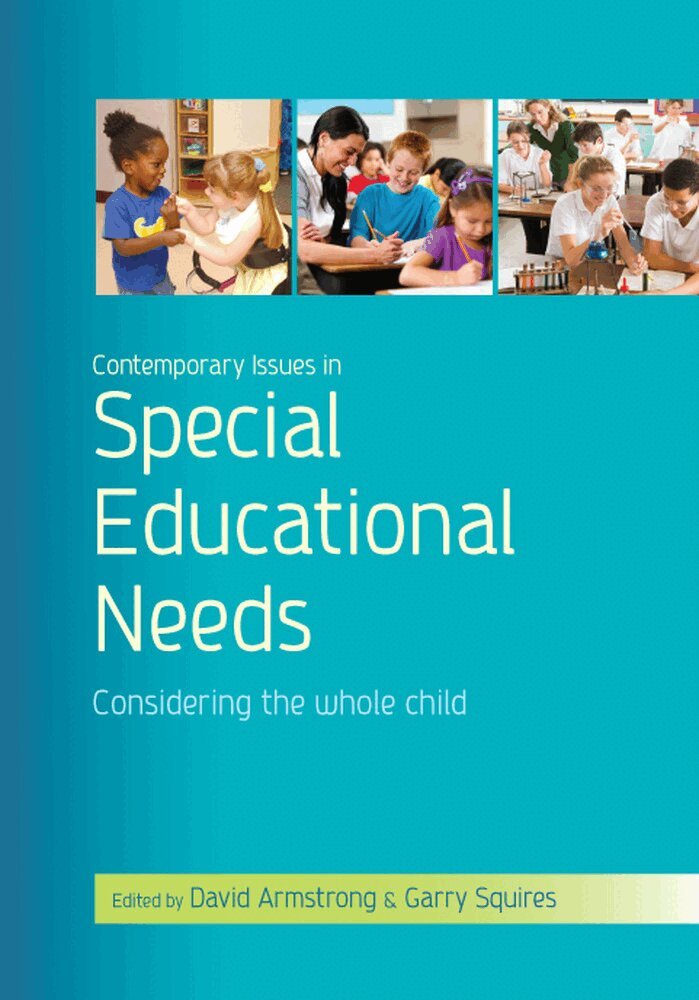
This thought-provoking and accessible book provides an overview of key issues in the education of children with Special Educational Needs and Disabilities. Written by highly experienced practitioners and educationalists, the book explores a range of approaches for working with this diverse group of learners and invites you to consider your possible responses.
The book begins with an historical overview of Special Educational Needs and Disabilities and a critical guide to current policy. The contributors then expertly explore and summarise many of the fascinating topics which arise in practice and scholarly research in this area, including:
Ethical and practical implications of labelling children and young people with forms of special educational needs or disabilityThe role of special schools, particularly in light of enduring debates about inclusion/exclusionWhat increased student participation, student voice and other facets of a democratic classroom mean for students with Special Educational Needs and Disabilities The contributions psychology can make to developing and enriching educational practice Understanding ‘behaviour’ in relation to children and young people with Special Educational Needs and Disabilities Case studies are used to illustrate these discussions and the book includes suggested protocols for good practice throughout. Throughout the book the reader is asked to reflect on the issues presented and come to their own decisions about what represents good practice in their setting.The journey concludes with a look at a possible ‘ideal’ school or educational setting for children with Special Educational Needs and Disabilities.Contemporary Issues in Special Educational Needs is an invaluable guide for trainee and qualified teachers, learning support staff, SENCO’s, local authority officers, educational consultants and educational psychologists.
“This book presents a stimulating and up-to-date overview of the context of education in SEN and suggests how educators can address special needs most effectively by keeping in mind an image of the development of the whole child.”
Tony Cline, Educational Psychology Group, University College London, UK.
“This book provides readers with a fresh, often incisive approach to many perennial issues in education.”
Dr Victor Martinelli, University of Malta, Malta.
“This book provides a welcome overview and commentary on current complex issues and problems affecting all those with an interest in children and young people with special educational needs. This book is an excellent compilation of relevant contemporary pieces thoughtfully woven together by highly skilled, well-placed editors.”
Jane Leadbetter, University of Birmingham, UK.
332 kr
Läs direkt efter köp
This thought-provoking and accessible book provides an overview of key issues in the education of children with Special Educational Needs and Disabilities. Written by highly experienced practitioners and educationalists, the book explores a range of approaches for working with this diverse group of learners and invites you to consider your possible responses.
The book begins with an historical overview of Special Educational Needs and Disabilities and a critical guide to current policy. The contributors then expertly explore and summarise many of the fascinating topics which arise in practice and scholarly research in this area, including:
Ethical and practical implications of labelling children and young people with forms of special educational needs or disabilityThe role of special schools, particularly in light of enduring debates about inclusion/exclusionWhat increased student participation, student voice and other facets of a democratic classroom mean for students with Special Educational Needs and Disabilities The contributions psychology can make to developing and enriching educational practice Understanding ‘behaviour’ in relation to children and young people with Special Educational Needs and Disabilities Case studies are used to illustrate these discussions and the book includes suggested protocols for good practice throughout. Throughout the book the reader is asked to reflect on the issues presented and come to their own decisions about what represents good practice in their setting.The journey concludes with a look at a possible ‘ideal’ school or educational setting for children with Special Educational Needs and Disabilities.Contemporary Issues in Special Educational Needs is an invaluable guide for trainee and qualified teachers, learning support staff, SENCO’s, local authority officers, educational consultants and educational psychologists.
“This book presents a stimulating and up-to-date overview of the context of education in SEN and suggests how educators can address special needs most effectively by keeping in mind an image of the development of the whole child.”
Tony Cline, Educational Psychology Group, University College London, UK.
“This book provides readers with a fresh, often incisive approach to many perennial issues in education.”
Dr Victor Martinelli, University of Malta, Malta.
“This book provides a welcome overview and commentary on current complex issues and problems affecting all those with an interest in children and young people with special educational needs. This book is an excellent compilation of relevant contemporary pieces thoughtfully woven together by highly skilled, well-placed editors.”
Jane Leadbetter, University of Birmingham, UK.
2 121 kr
Skickas inom 10-15 vardagar
552 kr
Skickas inom 10-15 vardagar
673 kr
Läs direkt efter köp
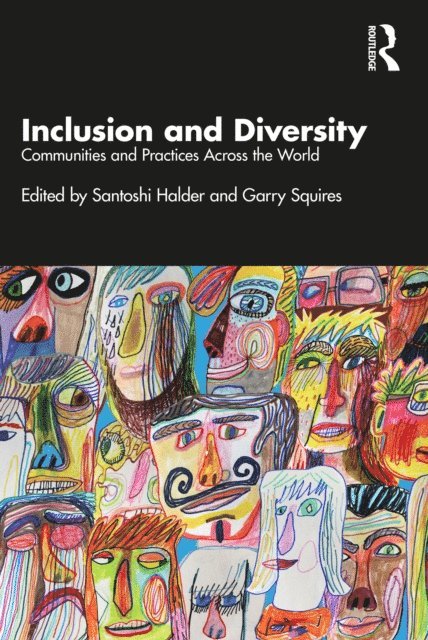
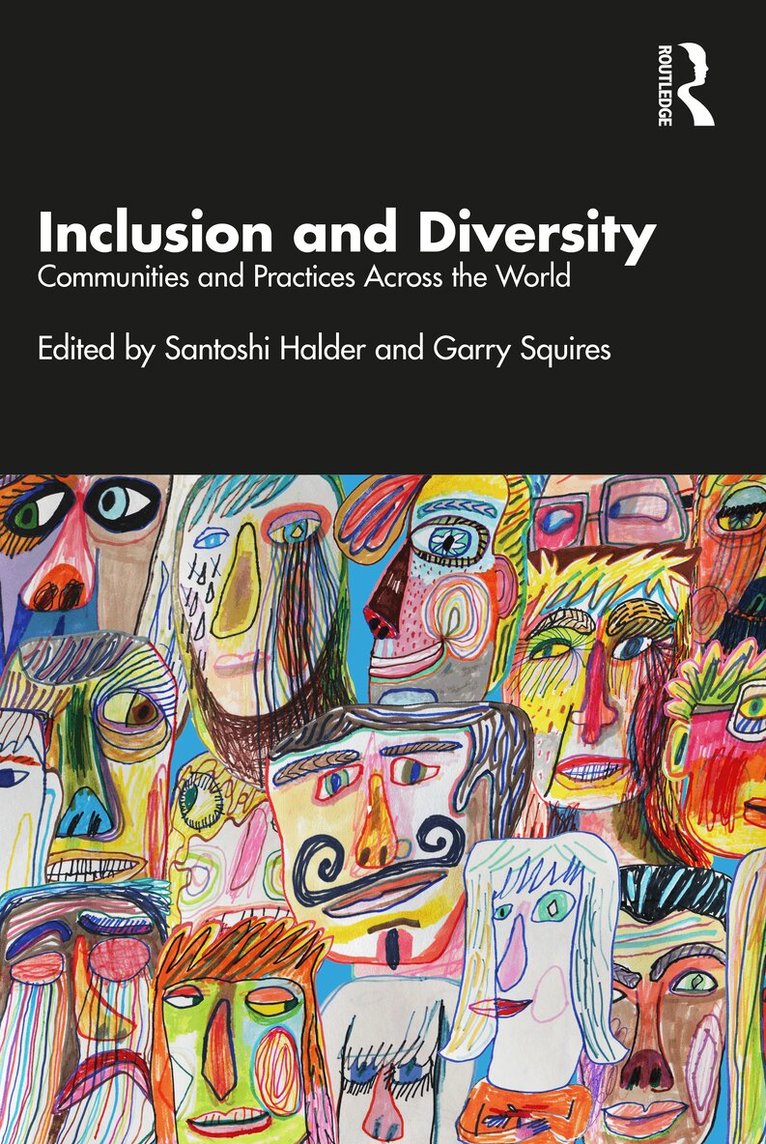
This volume presents a comprehensive overview of inclusion and diversity in education across the globe. It examines how more inclusive education systems can be built and covers areas and topics such as disability studies, sexual minorities, and indigenous communities, marginalized communities among others.
The book presents perspectives of experienced and cutting-edge researchers on inclusive practices that facilitates participation, equity, and access from across countries such as India, the USA, Australia, the UK, Canada, South Africa, Japan, Pakistan, Rome, Hungary, Sweden, and others. It discusses how spoken language, race, gender, and religion contribute to inclusion and marginalization. The volume also explores ideas on how schools and educational systems can respond to diversity-related issues, and the lessons learned about how to improve capacities for further inclusion. Additionally, it provides a holistic understanding of the classroom practices and interventions adopted to handle the problems of students with diverse needs. The book volume facilitates understanding of the broader spectrum of various diversities existing in our society and also the strategic pathways for their inclusion.
This incisive and comprehensive volume will be of interest to students, teachers, and researchers of education, inclusion and diversity, equity and access, disability studies, educational psychology, social work, sociology, and anthropology. It will also be useful for teacher training course, and anyone who is associated with or working in the field of diversity and inclusion.
673 kr
Läs direkt efter köp
This volume presents a comprehensive overview of inclusion and diversity in education across the globe. It examines how more inclusive education systems can be built and covers areas and topics such as disability studies, sexual minorities, and indigenous communities, marginalized communities among others.
The book presents perspectives of experienced and cutting-edge researchers on inclusive practices that facilitates participation, equity, and access from across countries such as India, the USA, Australia, the UK, Canada, South Africa, Japan, Pakistan, Rome, Hungary, Sweden, and others. It discusses how spoken language, race, gender, and religion contribute to inclusion and marginalization. The volume also explores ideas on how schools and educational systems can respond to diversity-related issues, and the lessons learned about how to improve capacities for further inclusion. Additionally, it provides a holistic understanding of the classroom practices and interventions adopted to handle the problems of students with diverse needs. The book volume facilitates understanding of the broader spectrum of various diversities existing in our society and also the strategic pathways for their inclusion.
This incisive and comprehensive volume will be of interest to students, teachers, and researchers of education, inclusion and diversity, equity and access, disability studies, educational psychology, social work, sociology, and anthropology. It will also be useful for teacher training course, and anyone who is associated with or working in the field of diversity and inclusion.
2 104 kr
Skickas inom 10-15 vardagar
479 kr
Skickas
654 kr
Läs direkt efter köp
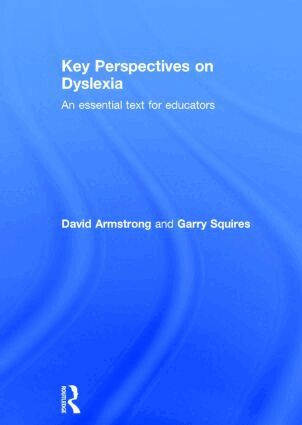
This indispensable book critically sets out the skills and knowledge required by a specialist educator for students who present with dyslexia. The British Dyslexia Association Professional Criteria (BDA, 2012) provides an anchor throughout for this book’s content. Chapters are explicitly mapped to specific professional criteria, offering the reader confidence that guidance in Key Perspectives on Dyslexia is underpinned by this internationally recognised professional framework.
Key issues in the education and care of those affected by dyslexia are critically explained and explored in this publication, using both author’s years of specialist experience in this field. As established scholars both authors also suggest how research can inform and enrich how an educator responds to these issues.
The content of this book includes:
Detailed case studies disclosing how dyslexia presents in different individuals and which richly illuminate the issues considered by each chapter A concise examination of reading instruction in the context of typically-developing students and in relation to those who present with dyslexia: this incorporates an expert but accessible review of international policy and educational practice, including influential findings from research Detailed guidance on how to identify possible dyslexia and key issues to consider in referral and assessment of those affected, including associated models here such as Response to Intervention (RTI) Consideration of intelligence and in how this figures in relation to assessment for dyslexia, including the possible role of intellectual disability (ID). Comprehensive evaluation of the role of behaviour in relation to dyslexia, with guidance on how this can be used to inform a programme of support for students with social, emotional or behavioural difficulties (EBD/SEBD). Consideration of how the professional role of a specialist educator might travel across the English speaking world and also beyond in China or India.Key Perspectives on Dyslexia is an essential text for educators and will become a landmark guide for educational practice and policy.
654 kr
Läs direkt efter köp
This indispensable book critically sets out the skills and knowledge required by a specialist educator for students who present with dyslexia. The British Dyslexia Association Professional Criteria (BDA, 2012) provides an anchor throughout for this book’s content. Chapters are explicitly mapped to specific professional criteria, offering the reader confidence that guidance in Key Perspectives on Dyslexia is underpinned by this internationally recognised professional framework.
Key issues in the education and care of those affected by dyslexia are critically explained and explored in this publication, using both author’s years of specialist experience in this field. As established scholars both authors also suggest how research can inform and enrich how an educator responds to these issues.
The content of this book includes:
Detailed case studies disclosing how dyslexia presents in different individuals and which richly illuminate the issues considered by each chapter A concise examination of reading instruction in the context of typically-developing students and in relation to those who present with dyslexia: this incorporates an expert but accessible review of international policy and educational practice, including influential findings from research Detailed guidance on how to identify possible dyslexia and key issues to consider in referral and assessment of those affected, including associated models here such as Response to Intervention (RTI) Consideration of intelligence and in how this figures in relation to assessment for dyslexia, including the possible role of intellectual disability (ID). Comprehensive evaluation of the role of behaviour in relation to dyslexia, with guidance on how this can be used to inform a programme of support for students with social, emotional or behavioural difficulties (EBD/SEBD). Consideration of how the professional role of a specialist educator might travel across the English speaking world and also beyond in China or India.Key Perspectives on Dyslexia is an essential text for educators and will become a landmark guide for educational practice and policy.