Gavin Menzies – författare
Visar alla böcker från författaren Gavin Menzies. Handla med fri frakt och snabb leverans.
14 produkter
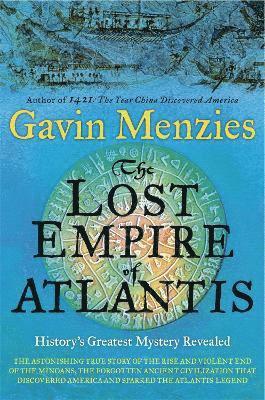
Lost Empire of Atlantis
History's Greatest Mystery Revealed
Häftad, 2013
151 kr
Lägg i varukorg
The bestselling author of 1421: THE YEAR THE CHINESE DISCOVERED THE WORLD uncovers the truth behind the mystery of Atlantis. After a chance conversation in Egypt in 2008, bestselling historian Gavin Menzies launched himself on a quest that would reveal the truth behind the mystery of Atlantis and …
1434
The Year a Chinese Fleet Sailed to Italy and Ignited the Renaissance
Häftad, 2009
137 kr
Lägg i varukorg
In his bestselling book 1421:The Year China Discovered the World, Gavin Menzies revealed that it was the Chinese that discovered America, not Columbus. Now he presents further astonishing evidence that it was also Chinese advances in science, art, and technology that formed the basis of the …
1434
The Year a Chinese Fleet Sailed to Italy and Ignited the Renaissance
E-bok, 2009
88 kr
Lägg i varukorg
In his bestselling book 1421:The Year China Discovered the World, Gavin Menzies revealed that it was the Chinese that discovered America, not Columbus. Now he presents further astonishing evidence that it was also Chinese advances in science, art, and technology that formed the basis of the …
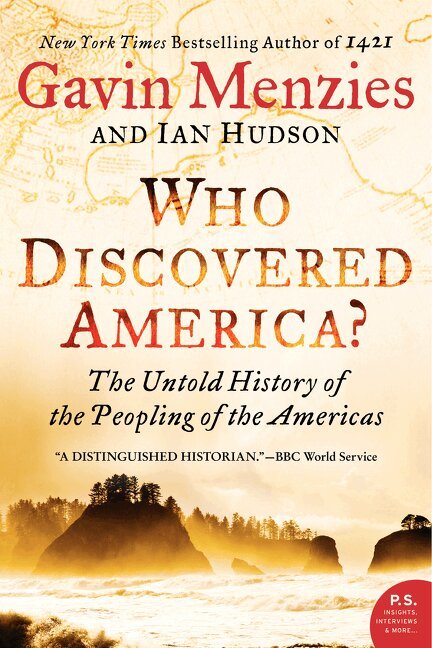
Who Discovered America?
The Untold History of the Peopling of the Americas
Häftad, 2014
191 kr
Lägg i varukorg
Greatly expanding on his blockbuster 1421, distinguished historian Gavin Menzies uncovers the complete untold history of how mankind came to the Americas-offering new revelations and a radical rethinking of the accepted historical record in Who Discovered America? The iconoclastic historian's …
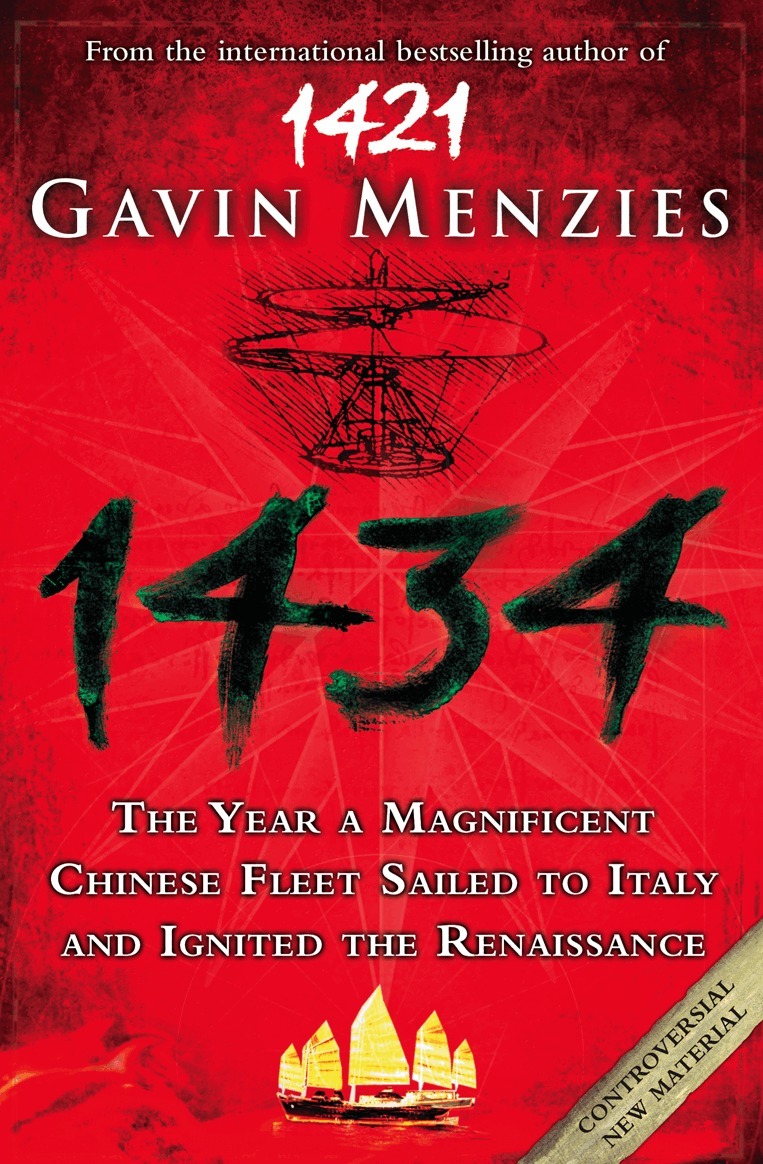
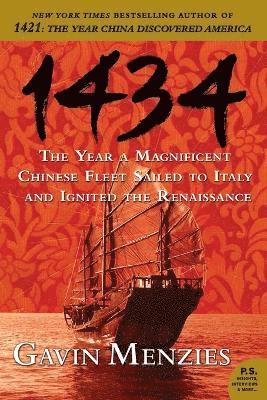
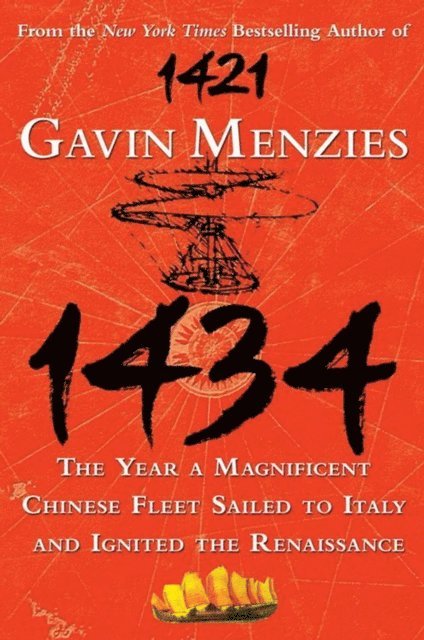
1434
The Year a Magnificent Chinese Fleet Sailed to Italy and Ignited the Renaissance
Häftad, 2009
195 kr
Lägg i varukorg
1434
The Year a Magnificent Chinese Fleet Sailed to Italy and Ignited the Renaissance
E-bok, 2009
113 kr
Lägg i varukorg
The New York Times bestselling author of 1421 offers another stunning reappraisal of history, presenting compelling new evidence that traces the roots of the European Renaissance to Chinese exploration in the fifteenth centuryThe brilliance of the Renaissance laid the foundation of the modern …
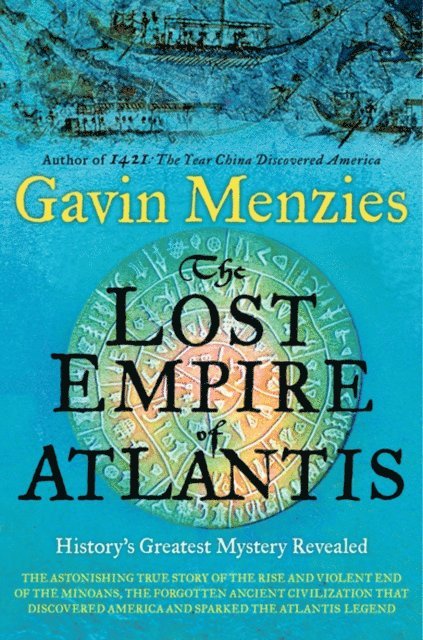
The Lost Empire of Atlantis
History's Greatest Mystery Revealed
Häftad, 2012
5,0 utav 5 stjärnor. Totalt antal röster: (1)
276 kr
Lägg i varukorg
Lost Empire of Atlantis
History''s Greatest Mystery Revealed
E-bok, 2011
44 kr
Lägg i varukorg
"MENZIES [IS] PROPOUNDING ONE OF THE MOST REVOLUTIONARY IDEAS IN THE HISTORY OF HISTORY." —New York Times MagazineNew York Times bestselling historian Gavin Menzies presents newly uncovered evidence revealing, conclusively, that "the lost city of Atlantis" was not only real but also at the heart of …
Lost Empire of Atlantis
History''s Greatest Mystery Revealed
Ljudbok, 2011
367 kr
Lägg i varukorg
“MENZIES [IS] PROPOUNDING ONE OF THE MOST REVOLUTIONARY IDEAS IN THE HISTORY OF HISTORY.†— New York Times Magazine New York Times bestselling historian Gavin Menzies presents newly uncovered evidence revealing, conclusively, that “the lost city of Atlantis†was not only real but also at …
Who Discovered America?
The Untold History of the Peopling of the Americas
E-bok, 2013
125 kr
Lägg i varukorg
Greatly expanding on his blockbuster 1421 , distinguished historian Gavin Menzies uncovers the complete untold history of how mankind came to the Americas—offering new revelations and a radical rethinking of the accepted historical record in Who Discovered America? The iconoclastic historian’s …
1421
The Year China Discovered The World
Häftad, 2004
2,0 utav 5 stjärnor. Totalt antal röster: (1)
160 kr
Lägg i varukorg
On 8 March 1421, the largest fleet the world had ever seen set sail from China. The ships, some nearly five hundred feet long, were under the command of Emperor Zhu Di's loyal eunuch admirals. Their mission was 'to proceed all the way to the end of the earth to collect tribute from the barbarians …
Lost Empire of Atlantis
History's Greatest Mystery Revealed
E-bok, 2011
45 kr
Lägg i varukorg
The bestselling author of 1421: THE YEAR THE CHINESE DISCOVERED THE WORLD uncovers the truth behind the mystery of Atlantis. After a chance conversation in Egypt in 2008, bestselling historian Gavin Menzies launched himself on a quest that would reveal the truth behind the mystery of Atlantis and …
1421
The Year China Discovered The World
E-bok, 2012
125 kr
Lägg i varukorg
On 8 March 1421, the largest fleet the world had ever seen set sail from China. The ships, some nearly five hundred feet long, were under the command of Emperor Zhu Di's loyal eunuch admirals. Their mission was 'to proceed all the way to the end of the earth to collect tribute from the barbarians …