Geert Verbeke – författare
Visar alla böcker från författaren Geert Verbeke. Handla med fri frakt och snabb leverans.
17 produkter
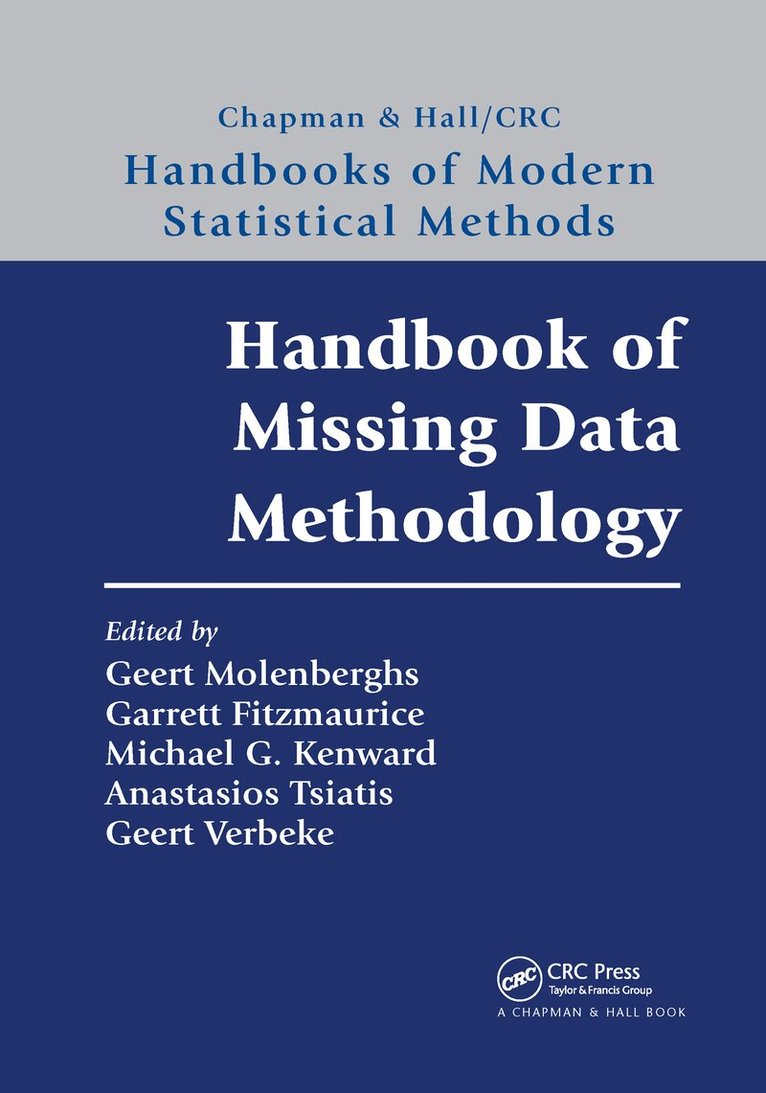
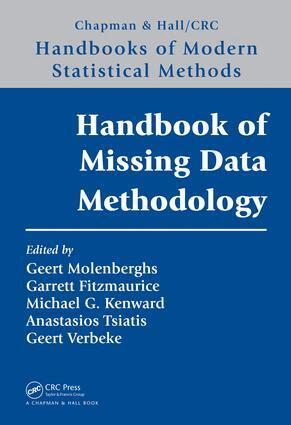
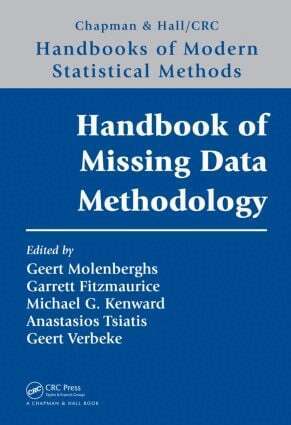
Handbook of Missing Data Methodology
Av Geert Molenberghs, Garrett Fitzmaurice m. fl.
Häftad, 2020
980 kr
Lägg i varukorg
Missing data affect nearly every discipline by complicating the statistical analysis of collected data. But since the 1990s, there have been important developments in the statistical methodology for handling missing data. Written by renowned statisticians in this area, Handbook of Missing Data …
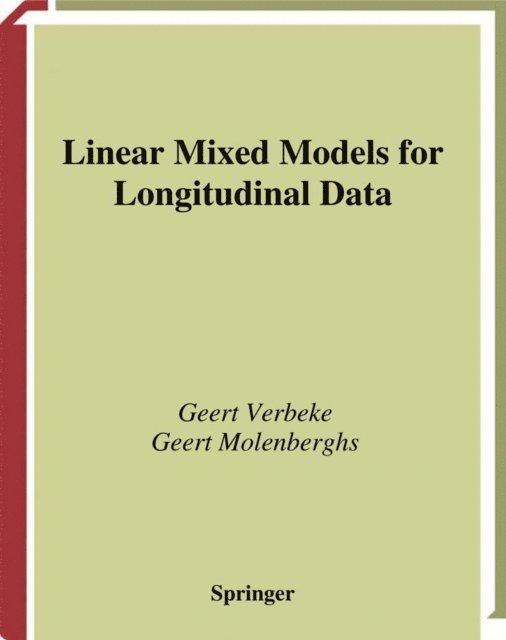
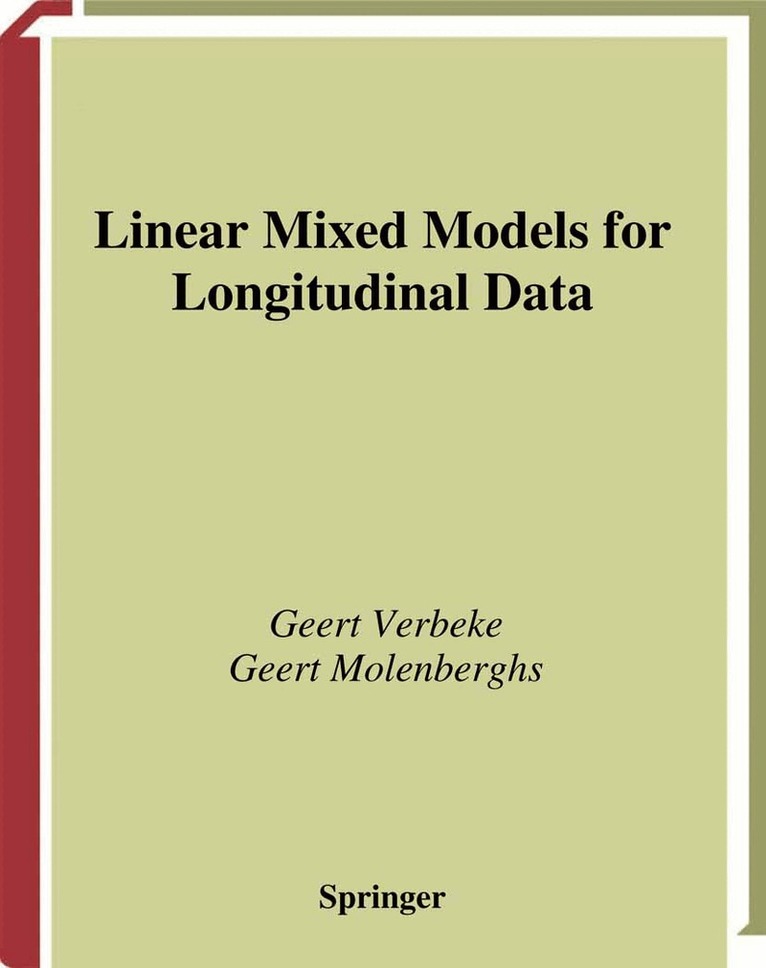
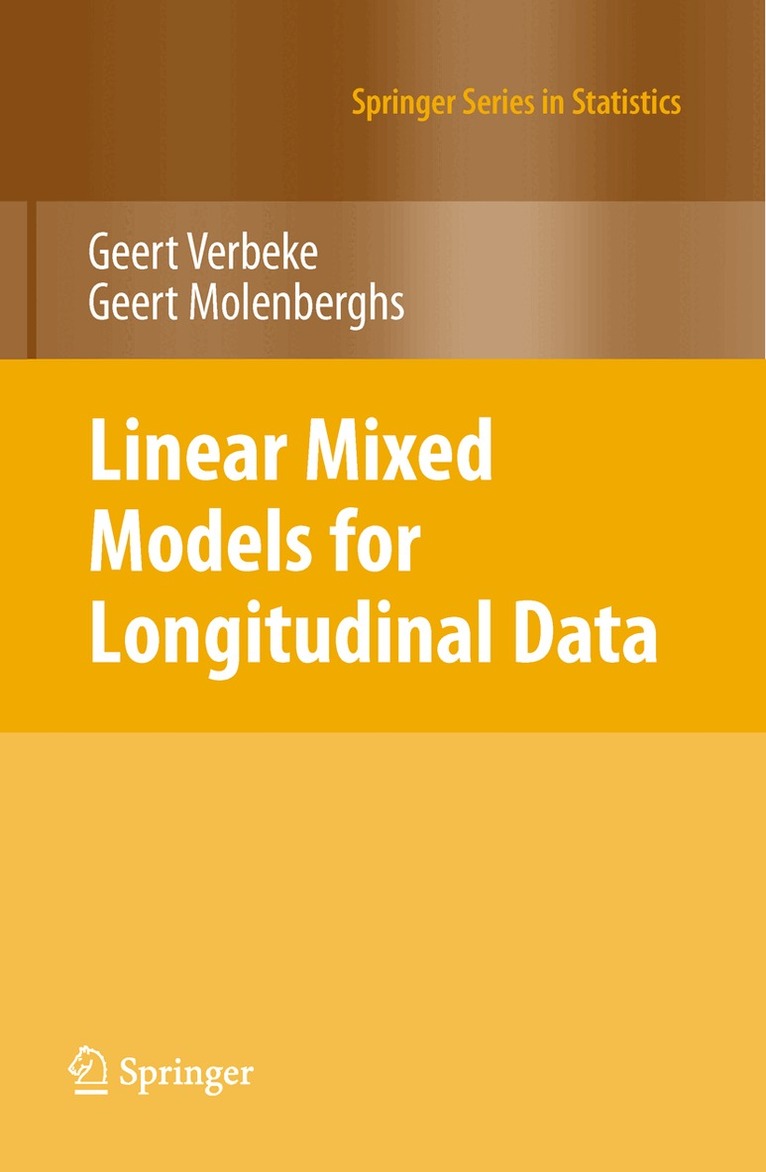
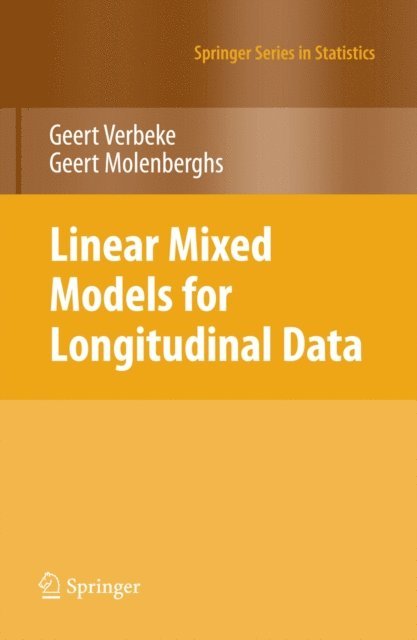
Linear Mixed Models for Longitudinal Data
Av Geert Molenberghs, Geert Verbeke
E-bok, 2008
1906 kr
Lägg i varukorg
The SAS routines on mixed models have applications in many areas of statistics, especially biostatistics, but the procedures are not well- documented. Based on short courses given by the authors, this book provides practical guidance for SAS users.
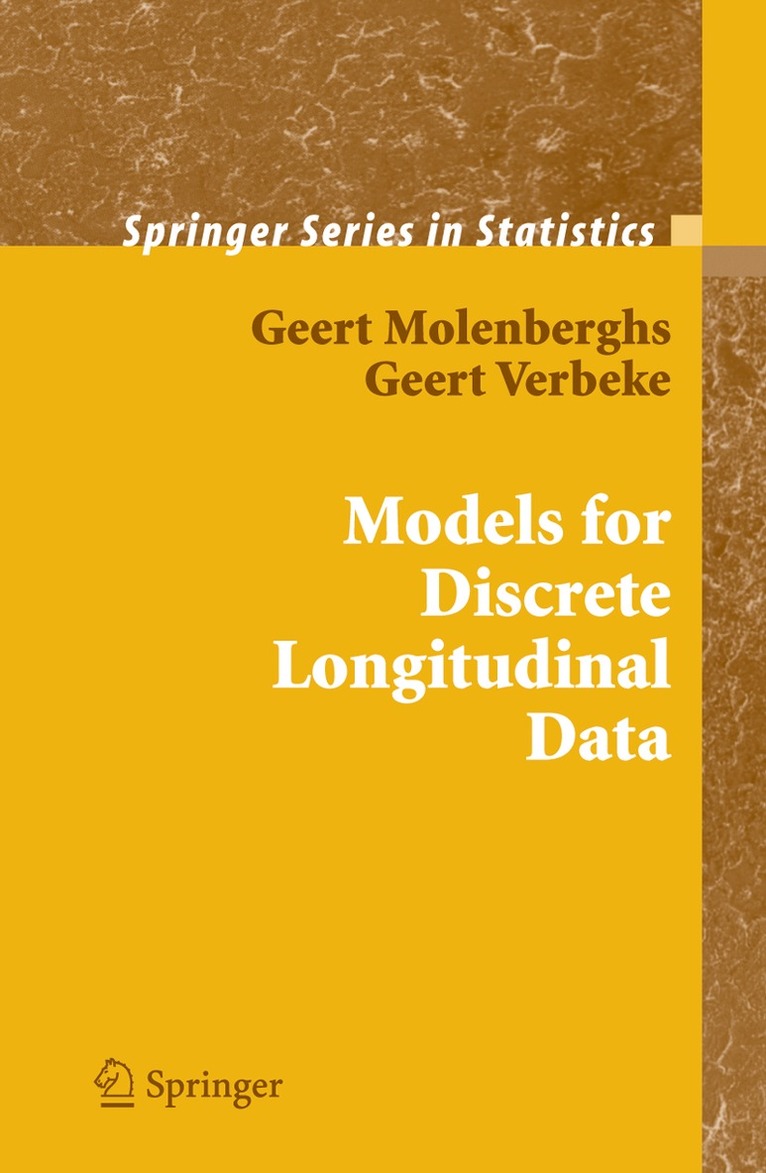
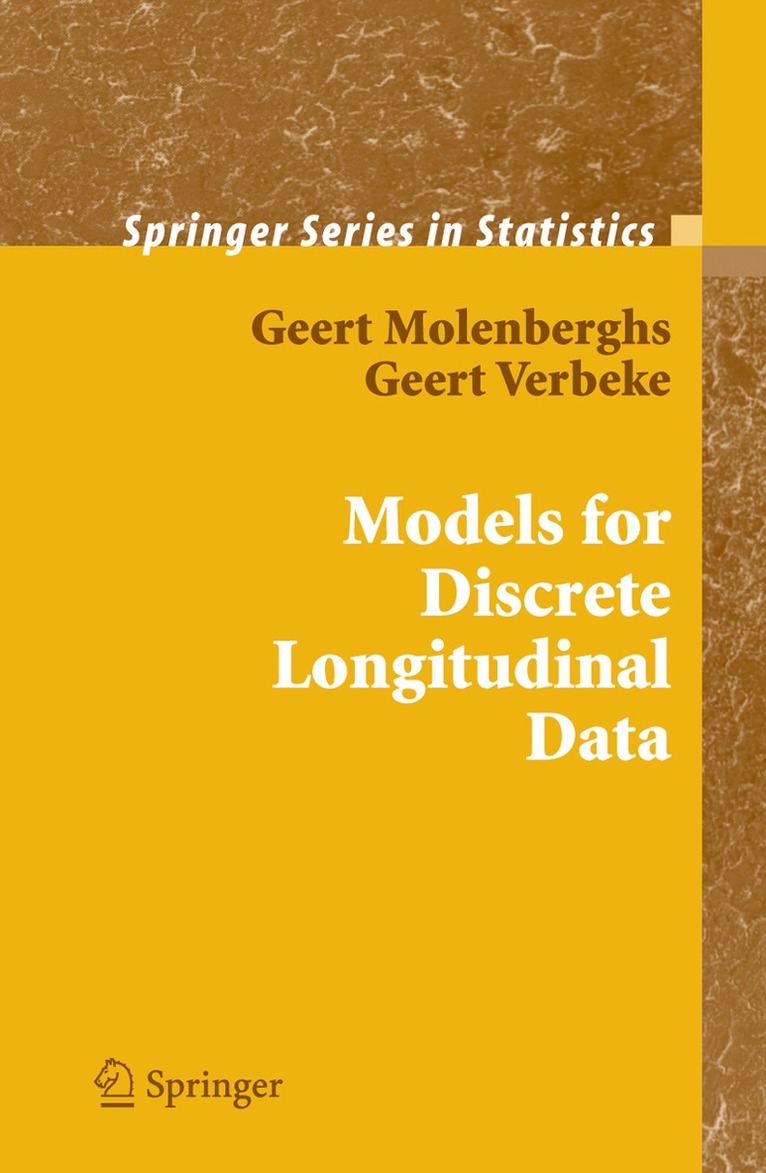
Models for Discrete Longitudinal Data
Av Geert Molenberghs, Geert Verbeke
Inbunden, 2005
2188 kr
Lägg i varukorg
This book provides a comprehensive treatment on modeling approaches for non-Gaussian repeated measures, possibly subject to incompleteness. Without putting too much emphasis on software, the book shows how the different approaches can be implemented within the SAS software package. The text is …
Models for Discrete Longitudinal Data
Av Geert Verbeke, Geert Molenberghs
E-bok, 2006
1785 kr
Lägg i varukorg
This book provides a comprehensive treatment on modeling approaches for non-Gaussian repeated measures, possibly subject to incompleteness. Without putting too much emphasis on software, the book shows how the different approaches can be implemented within the SAS software package. The text is …
Linear Mixed Models for Longitudinal Data
Av Geert Verbeke, Geert Molenberghs
Inbunden, 2000
1530 kr
Lägg i varukorg
The SAS routines on mixed models have applications in many areas of statistics, especially biostatistics, but the procedures are not well- documented. Based on short courses given by the authors, this book provides practical guidance for SAS users.
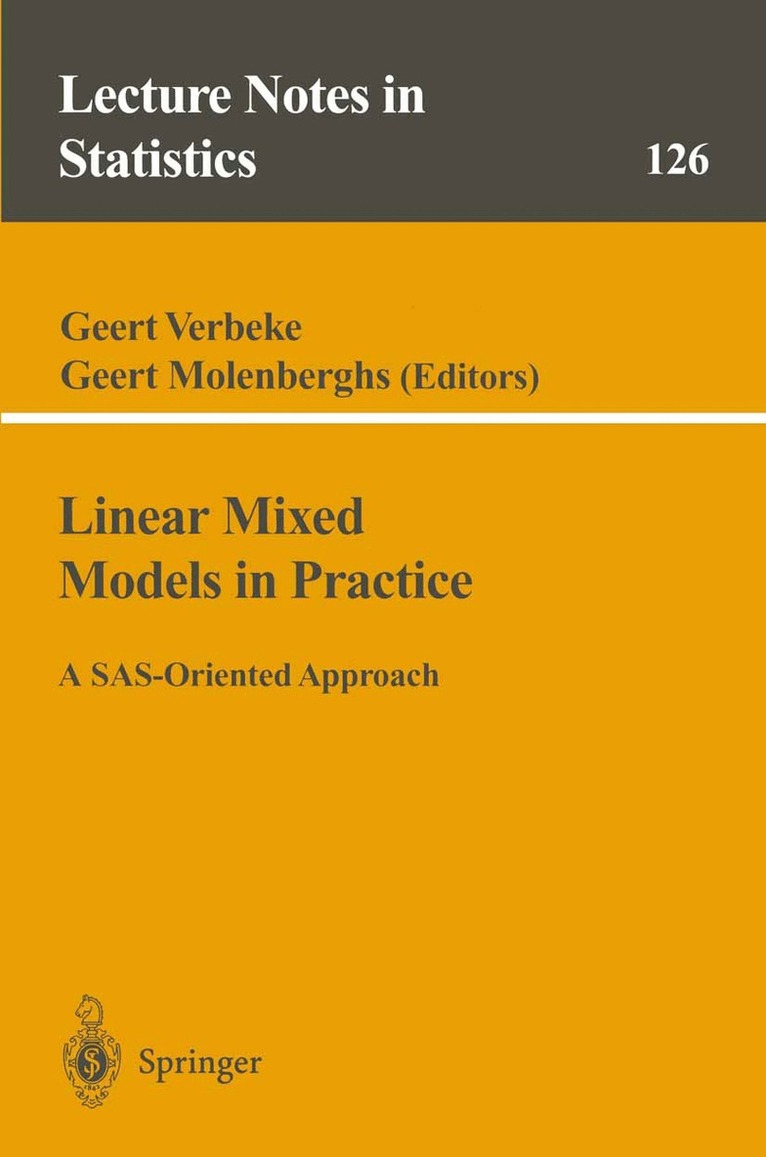
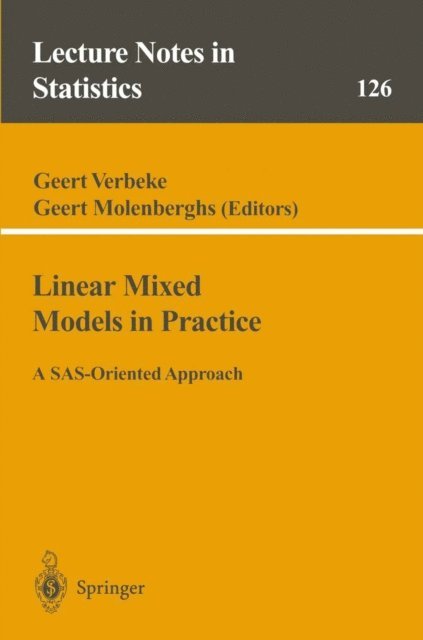
Linear Mixed Models in Practice
A SAS-Oriented Approach
Av Geert Verbeke, Geert Molenberghs
Häftad, 1997
1207 kr
Lägg i varukorg
The dissemination of the MIXED procedure in SAS has provided a whole class of statistical models for routine use. We believe that both the ideas be hind the techniques and their implementation in SAS are not at all straight forward and users from various applied backgrounds, including the phar …
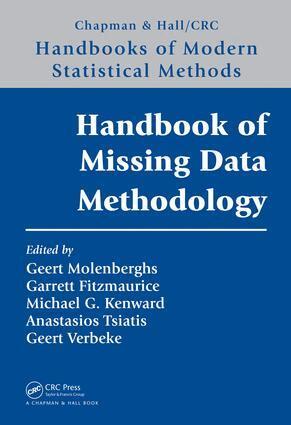
Handbook of Missing Data Methodology
Av Geert Molenberghs, Garrett Fitzmaurice m. fl.
E-bok, 2014
1169 kr
Lägg i varukorg
Missing data affect nearly every discipline by complicating the statistical analysis of collected data. But since the 1990s, there have been important developments in the statistical methodology for handling missing data. Written by renowned statisticians in this area, Handbook of Missing Data …
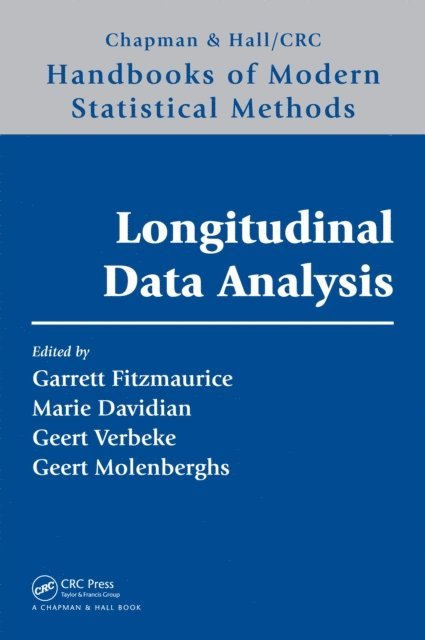
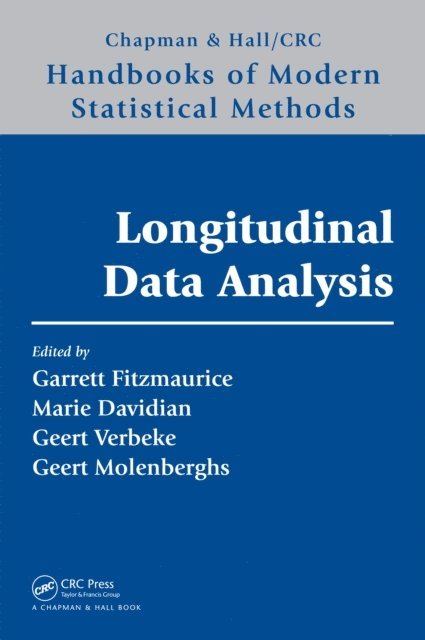
Longitudinal Data Analysis
Av Geert Molenberghs, Geert Verbeke m. fl.
E-bok, 2008
1000 kr
Lägg i varukorg
Although many books currently available describe statistical models and methods for analyzing longitudinal data, they do not highlight connections between various research threads in the statistical literature. Responding to this void, Longitudinal Data Analysis provides a clear, comprehensive, and …
Longitudinal Data Analysis
Av Geert Molenberghs, Geert Verbeke m. fl.
E-bok, 2008
1022 kr
Lägg i varukorg
Although many books currently available describe statistical models and methods for analyzing longitudinal data, they do not highlight connections between various research threads in the statistical literature. Responding to this void, Longitudinal Data Analysis provides a clear, comprehensive, and …
Handbook of Missing Data Methodology
Av Geert Molenberghs, Garrett Fitzmaurice m. fl.
Inbunden, 2014
1770 kr
Lägg i varukorg
Missing data affect nearly every discipline by complicating the statistical analysis of collected data. But since the 1990s, there have been important developments in the statistical methodology for handling missing data. Written by renowned statisticians in this area, Handbook of Missing Data …
Handbook of Missing Data Methodology
Av Geert Molenberghs, Garrett Fitzmaurice m. fl.
E-bok, 2014
1161 kr
Lägg i varukorg
Missing data affect nearly every discipline by complicating the statistical analysis of collected data. But since the 1990s, there have been important developments in the statistical methodology for handling missing data. Written by renowned statisticians in this area, Handbook of Missing Data …
Linear Mixed Models for Longitudinal Data
Av Geert Verbeke, Geert Molenberghs
Häftad, 2009
1530 kr
Lägg i varukorg
This paperback edition is a reprint of the 2000 edition.This book provides a comprehensive treatment of linear mixed models for continuous longitudinal data. Next to model formulation, this edition puts major emphasis on exploratory data analysis for all aspects of the model, such as the marginal …
Linear Mixed Models for Longitudinal Data
Av Geert Molenberghs, Geert Verbeke
E-bok, 2009
1906 kr
Lägg i varukorg
This paperback edition is a reprint of the 2000 edition. This book provides a comprehensive treatment of linear mixed models for continuous longitudinal data. Next to model formulation, this edition puts major emphasis on exploratory data analysis for all aspects of the model, such as the marginal …
Models for Discrete Longitudinal Data
Av Geert Molenberghs, Geert Verbeke
Häftad, 2010
1422 kr
Lägg i varukorg
This book provides a comprehensive treatment on modeling approaches for non-Gaussian repeated measures, possibly subject to incompleteness. Without putting too much emphasis on software, the book shows how the different approaches can be implemented within the SAS software package. The text is …
Linear Mixed Models in Practice
A SAS-Oriented Approach
Av Geert Molenberghs, Geert Verbeke
E-bok, 2012
1622 kr
Lägg i varukorg
The dissemination of the MIXED procedure in SAS has provided a whole class of statistical models for routine use. We believe that both the ideas be hind the techniques and their implementation in SAS are not at all straight forward and users from various applied backgrounds, including the phar …
Linear Mixed Models for Longitudinal Data
Av Geert Verbeke, Geert Molenberghs
Häftad, 2013
1530 kr
Lägg i varukorg
The SAS routines on mixed models have applications in many areas of statistics, especially biostatistics, but the procedures are not well- documented. Based on short courses given by the authors, this book provides practical guidance for SAS users.
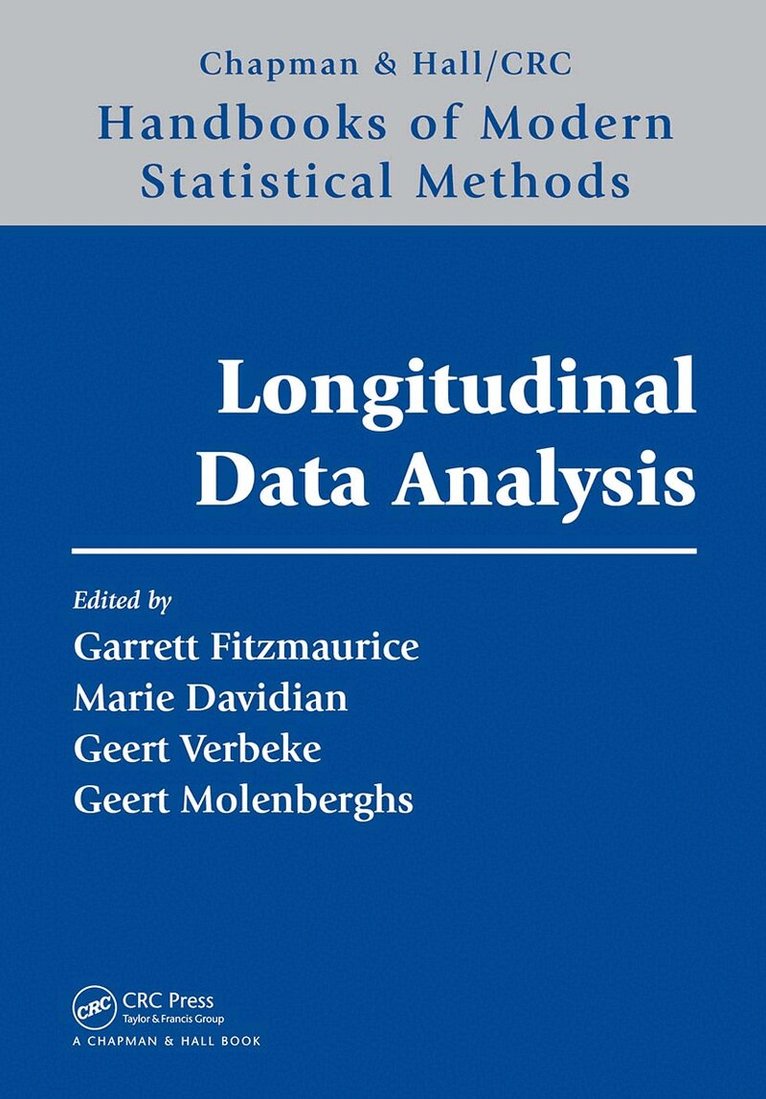
Longitudinal Data Analysis
Av Garrett Fitzmaurice, Marie Davidian m. fl.
Inbunden, 2008
2504 kr
Lägg i varukorg
Although many books currently available describe statistical models and methods for analyzing longitudinal data, they do not highlight connections between various research threads in the statistical literature. Responding to this void, Longitudinal Data Analysis provides a clear, comprehensive, and …