Geeta Batra - Böcker
Visar alla böcker från författaren Geeta Batra. Handla med fri frakt och snabb leverans.
6 produkter
6 produkter
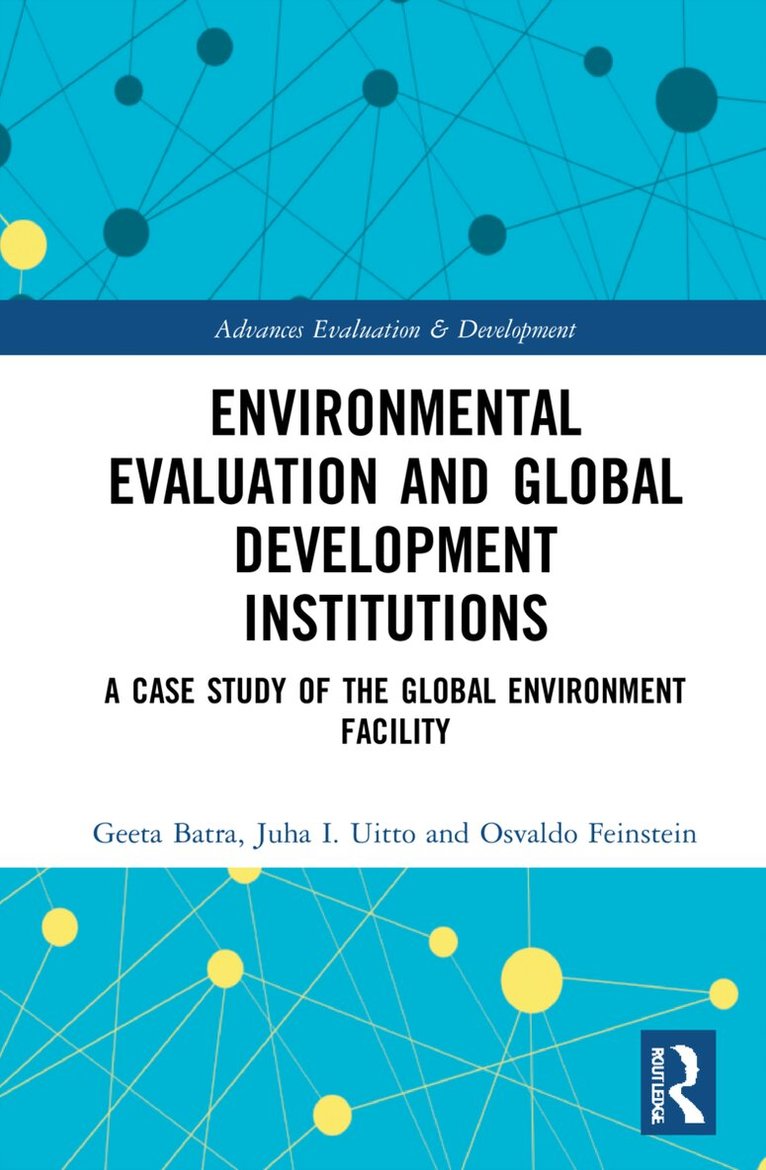
Environmental Evaluation and Global Development Institutions
A Case Study of the Global Environment Facility
Inbunden, Engelska, 2021
2 098 kr
Skickas inom 10-15 vardagar
Evaluation is increasingly important for finding sustainable solutions for the people and the planet, based on a systematic analysis of what works, for whom, and under what circumstances, and to contribute to the achievement of the Sustainable Development Goals, as they pertain to the environment.This book explores why the Global Environment Facility (GEF) invests in evaluation for accountability and learning to inform its decision-making on programming priorities, and how this leads to wiser funding decisions and better program performance on the ground. The book is based on real-life experiences of how to make evaluation count for international environmental action. Drawing upon comprehensive evaluations of the GEF, it provides unique insights from authors responsible for designing, implementing, and disseminating the findings of the evaluations. No other multilateral development or environment agency places evaluation fully at the center of their decision-making. The book outlines the trends in the global environment and the changing landscape of international environmental finance. It defines the role of the GEF and explains its institutional framework and the unique partnership that involves donor and recipient countries, multilateral development banks, UN agencies, nongovernmental organizations (NGOs), and national agencies in the developing countries. Further, it provides useful pointers to other organizations wishing to enhance evidence-based decision-making for improving their relevance, performance, and impact.The book will be most suitable for graduate-level, specialized study in a variety of disciplines such as environmental and development economics, political science, international relations, geography, sociology, and social anthropology.The Open Access version of this book, available at http://www.taylorfrancis.com, has been made available under a Creative Commons Attribution-Non Commercial-No Derivatives 4.0 license.
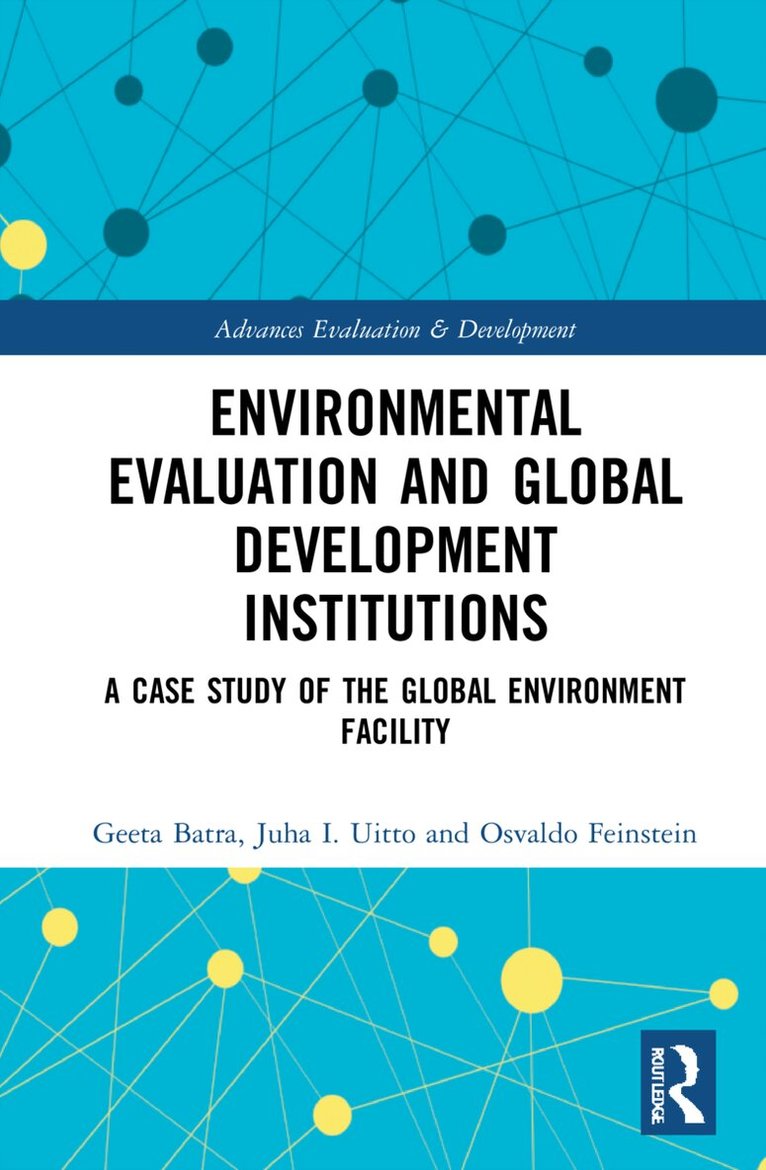
Environmental Evaluation and Global Development Institutions
A Case Study of the Global Environment Facility
Häftad, Engelska, 2023
620 kr
Skickas inom 10-15 vardagar
Evaluation is increasingly important for finding sustainable solutions for the people and the planet, based on a systematic analysis of what works, for whom, and under what circumstances, and to contribute to the achievement of the Sustainable Development Goals, as they pertain to the environment.This book explores why the Global Environment Facility (GEF) invests in evaluation for accountability and learning to inform its decision-making on programming priorities, and how this leads to wiser funding decisions and better program performance on the ground. The book is based on real-life experiences of how to make evaluation count for international environmental action. Drawing upon comprehensive evaluations of the GEF, it provides unique insights from authors responsible for designing, implementing, and disseminating the findings of the evaluations. No other multilateral development or environment agency places evaluation fully at the center of their decision-making. The book outlines the trends in the global environment and the changing landscape of international environmental finance. It defines the role of the GEF and explains its institutional framework and the unique partnership that involves donor and recipient countries, multilateral development banks, UN agencies, nongovernmental organizations (NGOs), and national agencies in the developing countries. Further, it provides useful pointers to other organizations wishing to enhance evidence-based decision-making for improving their relevance, performance, and impact.The book will be most suitable for graduate-level, specialized study in a variety of disciplines such as environmental and development economics, political science, international relations, geography, sociology, and social anthropology.The Open Access version of this book, available at http://www.taylorfrancis.com, has been made available under a Creative Commons Attribution-Non Commercial-No Derivatives 4.0 license.
2 098 kr
Skickas inom 10-15 vardagar
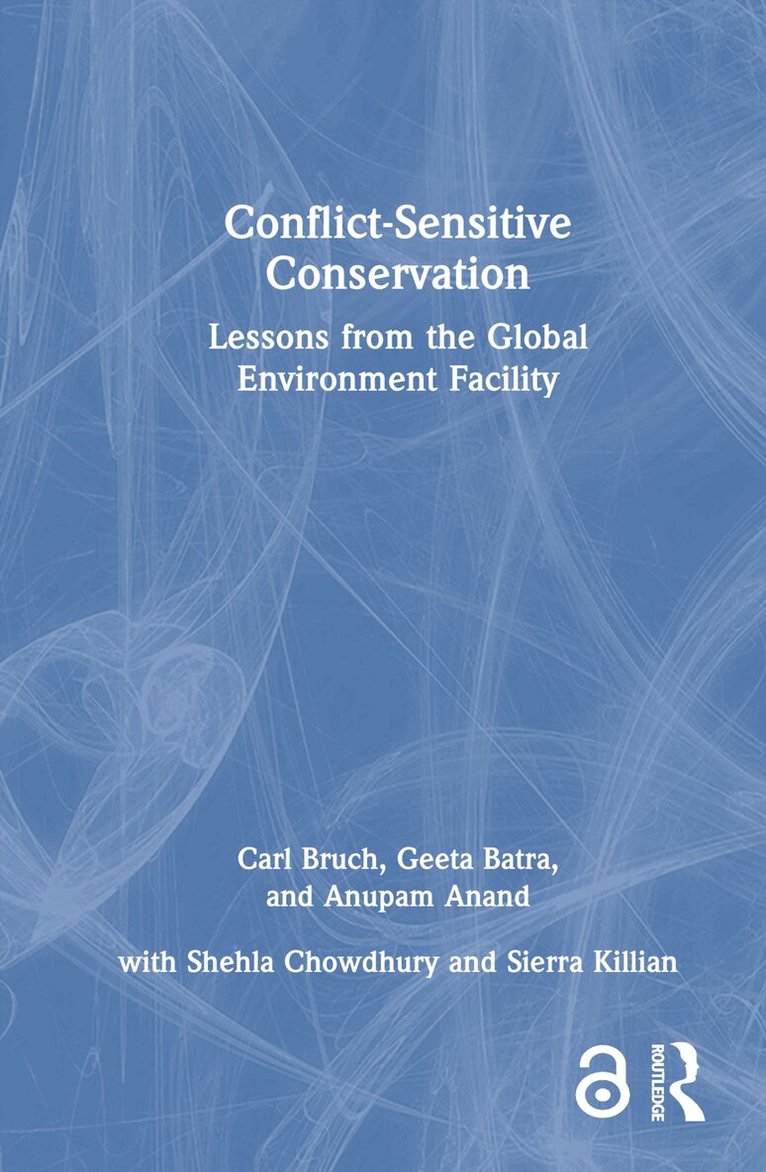
This book provides an empirically formulated foundation for conflict-sensitive conservation, a field in which the existing literature relies primarily on anecdotal evidence.Seeking to better understand the impact of conflict on the implementation and outcomes of environmental projects, the Global Environment Facility (GEF) Independent Evaluation Office and the Environmental Law Institute undertook an evaluation of GEF support to fragile and conflict-affected contexts. Following a qualitative and quantitative analysis of documents from more than 4,000 projects, the research team discovered a statistically significant negative correlation between a country’s Fragile States Index score and the implementation quality of environmental projects in that country. In this book, the evaluation and research team explain these groundbreaking findings in detail, highlighting seven key case studies: Afghanistan, Albertine Rift, Balkans, Cambodia, Colombia, Lebanon, and Mali. Drawing upon additional research and interviews with GEF project implementation staff, the volume illustrates the pathways through which conflict and fragility frequently impact environmental projects. It also examines how practitioners and sponsoring institutions can plan and implement their projects to avoid or mitigate these issues and find opportunities to promote peacebuilding through their environmental interventions.Examining data from 164 countries and territories, this innovative book will be of great interest to students and scholars of environmental management, conservation, international development, and the fast-growing field of environmental peacebuilding. It will also be a great resource for practitioners working in these important fields.The Open Access version of this book, available at www.taylorfrancis.com, has been made available under a Creative Commons Attribution-Non Commercial-No Derivatives 4.0 license.
579 kr
Skickas inom 10-15 vardagar
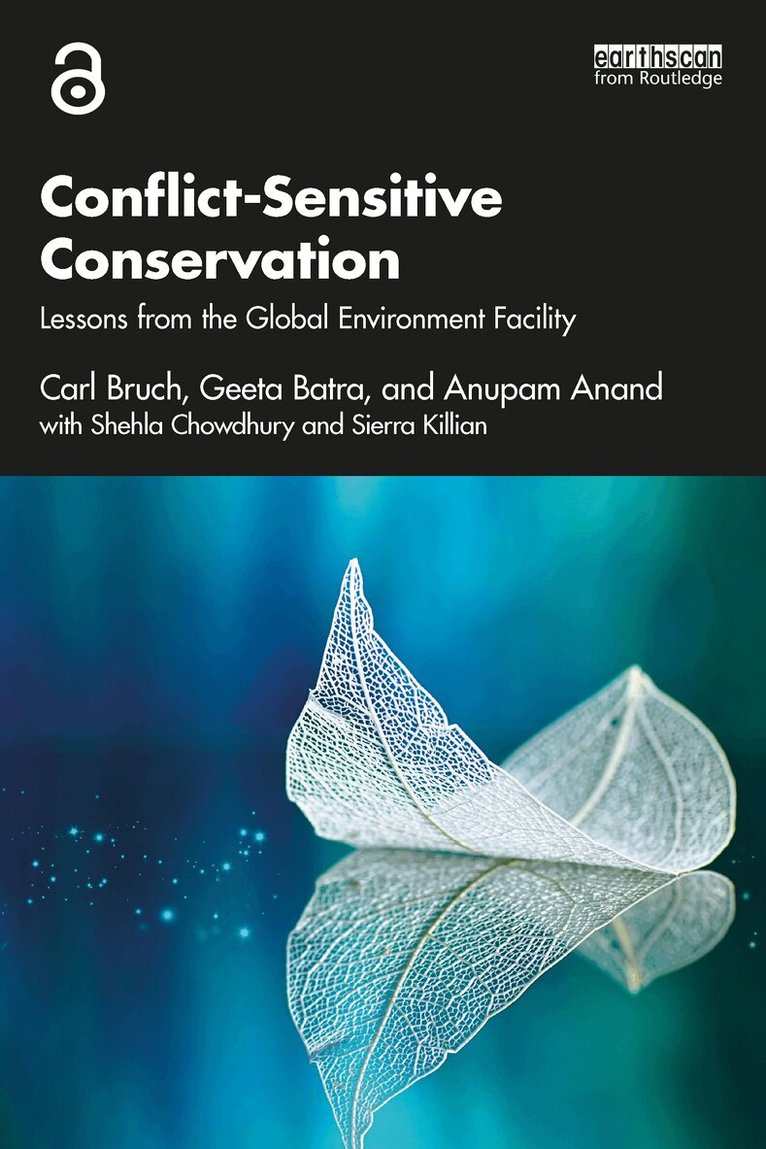
This book provides an empirically formulated foundation for conflict-sensitive conservation, a field in which the existing literature relies primarily on anecdotal evidence.Seeking to better understand the impact of conflict on the implementation and outcomes of environmental projects, the Global Environment Facility (GEF) Independent Evaluation Office and the Environmental Law Institute undertook an evaluation of GEF support to fragile and conflict-affected contexts. Following a qualitative and quantitative analysis of documents from more than 4,000 projects, the research team discovered a statistically significant negative correlation between a country’s Fragile States Index score and the implementation quality of environmental projects in that country. In this book, the evaluation and research team explain these groundbreaking findings in detail, highlighting seven key case studies: Afghanistan, Albertine Rift, Balkans, Cambodia, Colombia, Lebanon, and Mali. Drawing upon additional research and interviews with GEF project implementation staff, the volume illustrates the pathways through which conflict and fragility frequently impact environmental projects. It also examines how practitioners and sponsoring institutions can plan and implement their projects to avoid or mitigate these issues and find opportunities to promote peacebuilding through their environmental interventions.Examining data from 164 countries and territories, this innovative book will be of great interest to students and scholars of environmental management, conservation, international development, and the fast-growing field of environmental peacebuilding. It will also be a great resource for practitioners working in these important fields.The Open Access version of this book, available at www.taylorfrancis.com, has been made available under a Creative Commons Attribution-Non Commercial-No Derivatives 4.0 license.
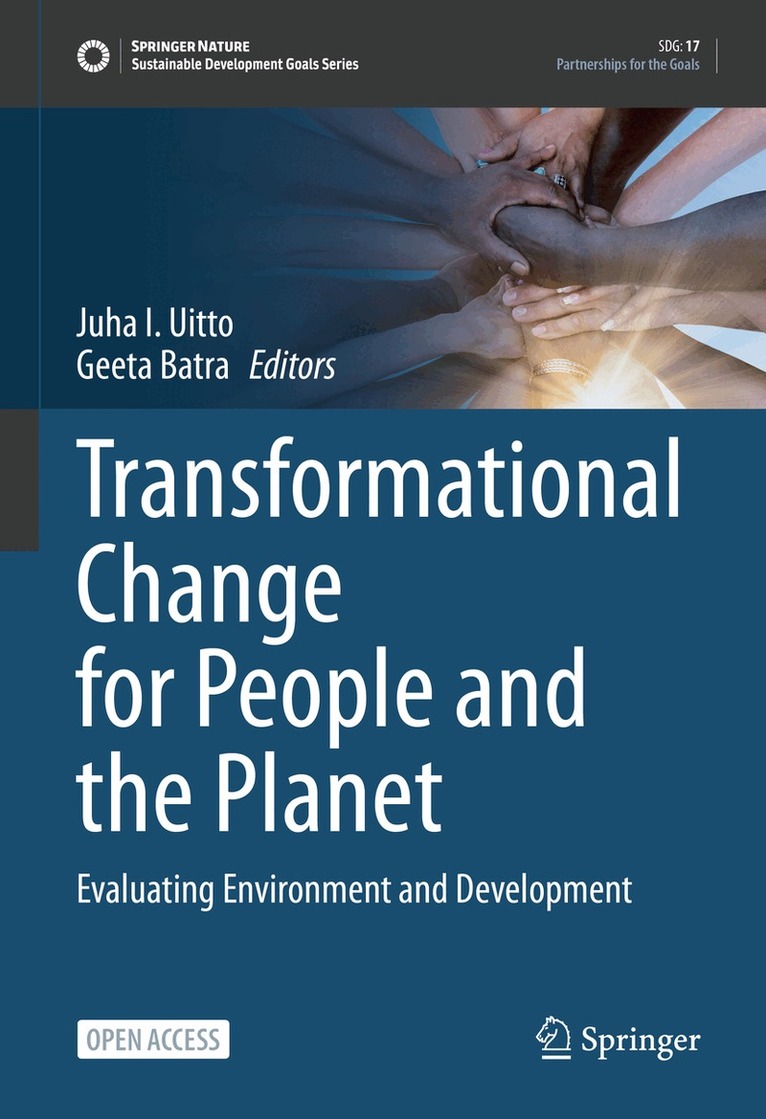
Transformational Change for People and the Planet
Evaluating Environment and Development
Inbunden, Engelska, 2022
538 kr
Skickas inom 10-15 vardagar
This Open Access book deals with the pressing question of how to achieve transformational change that reconciles development with environmental sustainability. It particularly focuses on the role of evaluation in finding sustainable solutions. Environment and development are closely interlinked, as are human health and ecosystem health. The pandemic that began in 2020 demonstrated in no uncertain terms how destruction of habitats has allowed hitherto unknown pathogens spill over to humans wreaking havoc on people’s lives and livelihoods. We are already seeing the impacts of global climate change in terms of heatwaves, forest fires and increased storms. The Sustainable Development Goals (SDGs) explicitly recognize the equal importance of the social, economic and environmental dimensions of development. In these turbulent times, when humankind faces multiple complex challenges it is essential to know that our responses are effective and that they make a positive difference. Evaluationcan provide invaluable lessons to how we design policies, strategies and programs and how we allocate limited resources between competing priorities. This book brings together key thinkers and practitioners from the public and private sectors, from major multilateral organizations and from bilateral donor agencies, to present the latest knowledge and experience on how to evaluate interventions in the nexus of environment and development. The book does not promote any particular approach or methodology, but rather emphasizes the need for mixed methods to address the question at hand in the best and most suitable manner. It covers cases from a variety of fields, from climate change mitigation and adaptation, energy efficiency and renewable energy, natural resources management, biodiversity conservation and more.This book is not a conference proceedings although it has its roots in the Third International Conference on Evaluating Environment and Development organized by the GEF Independent Evaluation Office in October 2019. The conference brought together a larger number of established and upcoming evaluators, researchers and evaluation users from the Global North and South, representing a wide variety of organizations, to discuss the frontiers of environment and development evaluation. Following the conference, the editors identified and contacted the participants who made key contributions at the conference and asked them to develop their ideas and papers into book chapters according to a coherent plan.
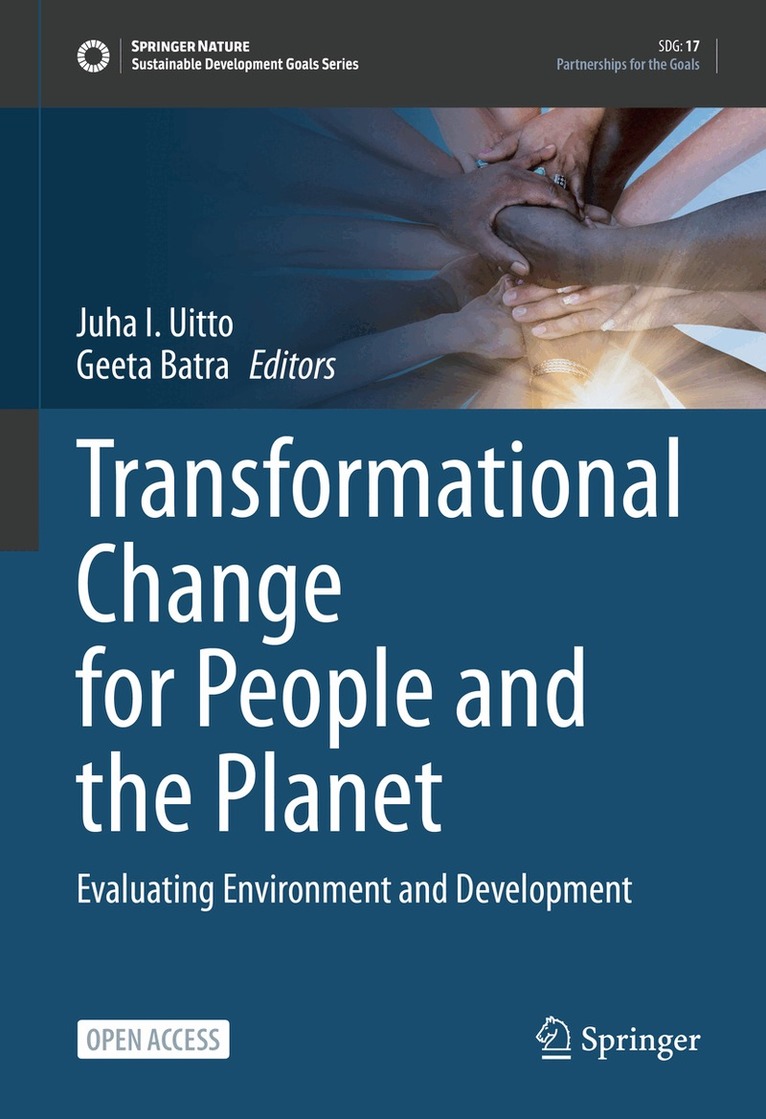
Transformational Change for People and the Planet
Evaluating Environment and Development
Häftad, Engelska, 2022
432 kr
Skickas inom 10-15 vardagar
This Open Access book deals with the pressing question of how to achieve transformational change that reconciles development with environmental sustainability. It particularly focuses on the role of evaluation in finding sustainable solutions. Environment and development are closely interlinked, as are human health and ecosystem health. The pandemic that began in 2020 demonstrated in no uncertain terms how destruction of habitats has allowed hitherto unknown pathogens spill over to humans wreaking havoc on people’s lives and livelihoods. We are already seeing the impacts of global climate change in terms of heatwaves, forest fires and increased storms. The Sustainable Development Goals (SDGs) explicitly recognize the equal importance of the social, economic and environmental dimensions of development. In these turbulent times, when humankind faces multiple complex challenges it is essential to know that our responses are effective and that they make a positive difference. Evaluationcan provide invaluable lessons to how we design policies, strategies and programs and how we allocate limited resources between competing priorities. This book brings together key thinkers and practitioners from the public and private sectors, from major multilateral organizations and from bilateral donor agencies, to present the latest knowledge and experience on how to evaluate interventions in the nexus of environment and development. The book does not promote any particular approach or methodology, but rather emphasizes the need for mixed methods to address the question at hand in the best and most suitable manner. It covers cases from a variety of fields, from climate change mitigation and adaptation, energy efficiency and renewable energy, natural resources management, biodiversity conservation and more.This book is not a conference proceedings although it has its roots in the Third International Conference on Evaluating Environment and Development organized by the GEF Independent Evaluation Office in October 2019. The conference brought together a larger number of established and upcoming evaluators, researchers and evaluation users from the Global North and South, representing a wide variety of organizations, to discuss the frontiers of environment and development evaluation. Following the conference, the editors identified and contacted the participants who made key contributions at the conference and asked them to develop their ideas and papers into book chapters according to a coherent plan.