George Alexander Gazis – författare
Visar alla böcker från författaren . Handla med fri frakt och snabb leverans.
5 produkter
5 produkter
E-bok
PDF, Engelska, 20181 474 kr
Läs direkt efter köp
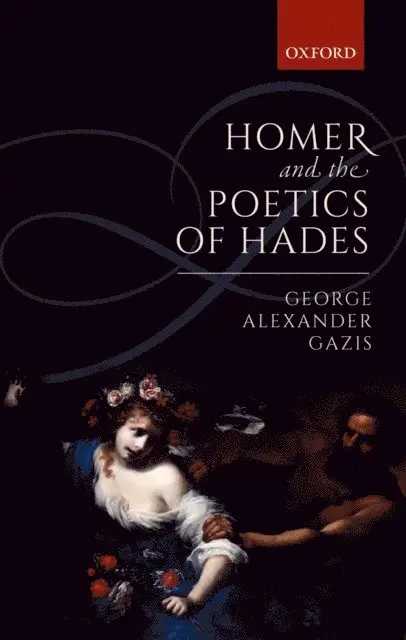
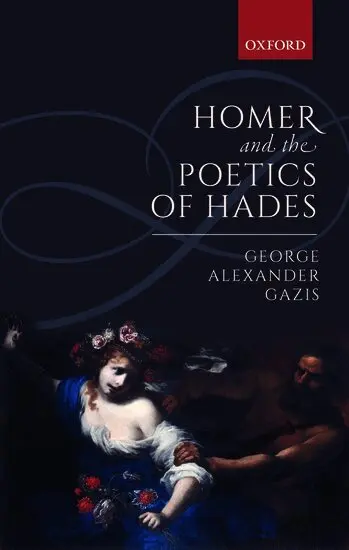
Homer and the Poetics of Hades offers a new and unique approach to the Iliad and, more particularly, the Odyssey through an exploration of the role and function of the Underworld as a poetic resource permitting an alternative perspective on the epic past. By portraying Hades as a realm where vision is not possible, Homer creates a unique poetic environment in which social constraints and divine prohibitions do not apply, resulting in anarrative which emulates that of the Muses but which at the same time is markedly distinct from it. In Hades experimentation with, and alteration of, important epic forms and values can be pursued with greater freedom, giving rise to a different kind of poetics: the ''poetics of Hades''.In the Iliad, Homer offers us a glimpse of how this alternative poetics works through the visit of Patroclus'' shade in Achilles'' dream. The recollection offered by the shade reveals an approach to its past in which regret, self-pity, and a lingering memory of intimate and emotional moments displace an objective tone and traditional exposition of heroic values. However, the potential of Hades for providing alternative means of commemorating the past is more fully explored in the''Nekyia'' of Odyssey 11: there, Odysseus'' extraordinary ability to see the dead in Hades allows him to meet and interview the shades of heroines and heroes of the epic past, while the absolute confinement of Hades allows the shades to recount their stories from their own personal points of view. The poeticimplications are significant, since by visiting Hades and listening to the stories of the shades Odysseus, and Homer with him, gain access to a tradition in which epic values associated with gender roles and even divine law are suspended in favour of a more immediate and personally inflected approach to the epic past. As readers, this alternative poetics offers us more than just a revised framework within which to navigate the Iliad and the Odyssey, inviting as it does a morenuanced understanding of the Greeks'' anxieties around mortality and posthumous fame.
E-bok
Engelska, 20181 474 kr
Läs direkt efter köp
Homer and the Poetics of Hades offers a new and unique approach to the Iliad and, more particularly, the Odyssey through an exploration of the role and function of the Underworld as a poetic resource permitting an alternative perspective on the epic past. By portraying Hades as a realm where vision is not possible, Homer creates a unique poetic environment in which social constraints and divine prohibitions do not apply, resulting in anarrative which emulates that of the Muses but which at the same time is markedly distinct from it. In Hades experimentation with, and alteration of, important epic forms and values can be pursued with greater freedom, giving rise to a different kind of poetics: the ''poetics of Hades''.In the Iliad, Homer offers us a glimpse of how this alternative poetics works through the visit of Patroclus'' shade in Achilles'' dream. The recollection offered by the shade reveals an approach to its past in which regret, self-pity, and a lingering memory of intimate and emotional moments displace an objective tone and traditional exposition of heroic values. However, the potential of Hades for providing alternative means of commemorating the past is more fully explored in the''Nekyia'' of Odyssey 11: there, Odysseus'' extraordinary ability to see the dead in Hades allows him to meet and interview the shades of heroines and heroes of the epic past, while the absolute confinement of Hades allows the shades to recount their stories from their own personal points of view. The poeticimplications are significant, since by visiting Hades and listening to the stories of the shades Odysseus, and Homer with him, gain access to a tradition in which epic values associated with gender roles and even divine law are suspended in favour of a more immediate and personally inflected approach to the epic past. As readers, this alternative poetics offers us more than just a revised framework within which to navigate the Iliad and the Odyssey, inviting as it does a morenuanced understanding of the Greeks'' anxieties around mortality and posthumous fame.
Inbunden, Engelska, 2018
1 720 kr
Skickas inom 7-10 vardagar
Homer and the Poetics of Hades offers a new and unique approach to the Iliad and, more particularly, the Odyssey through an exploration of the role and function of the Underworld as a poetic resource permitting an alternative perspective on the epic past. By portraying Hades as a realm where vision is not possible, Homer creates a unique poetic environment in which social constraints and divine prohibitions do not apply, resulting in a narrative which emulates that of the Muses but which at the same time is markedly distinct from it. In Hades experimentation with, and alteration of, important epic forms and values can be pursued with greater freedom, giving rise to a different kind of poetics: the 'poetics of Hades'. In the Iliad, Homer offers us a glimpse of how this alternative poetics works through the visit of Patroclus' shade in Achilles' dream. The recollection offered by the shade reveals an approach to its past in which regret, self-pity, and a lingering memory of intimate and emotional moments displace an objective tone and traditional exposition of heroic values. However, the potential of Hades for providing alternative means of commemorating the past is more fully explored in the 'Nekyia' of Odyssey 11: there, Odysseus' extraordinary ability to see the dead in Hades allows him to meet and interview the shades of heroines and heroes of the epic past, while the absolute confinement of Hades allows the shades to recount their stories from their own personal points of view. The poetic implications are significant, since by visiting Hades and listening to the stories of the shades Odysseus, and Homer with him, gain access to a tradition in which epic values associated with gender roles and even divine law are suspended in favour of a more immediate and personally inflected approach to the epic past. As readers, this alternative poetics offers us more than just a revised framework within which to navigate the Iliad and the Odyssey, inviting as it does a more nuanced understanding of the Greeks' anxieties around mortality and posthumous fame.
Inbunden, Engelska, 2021
2 238 kr
Skickas inom 5-8 vardagar
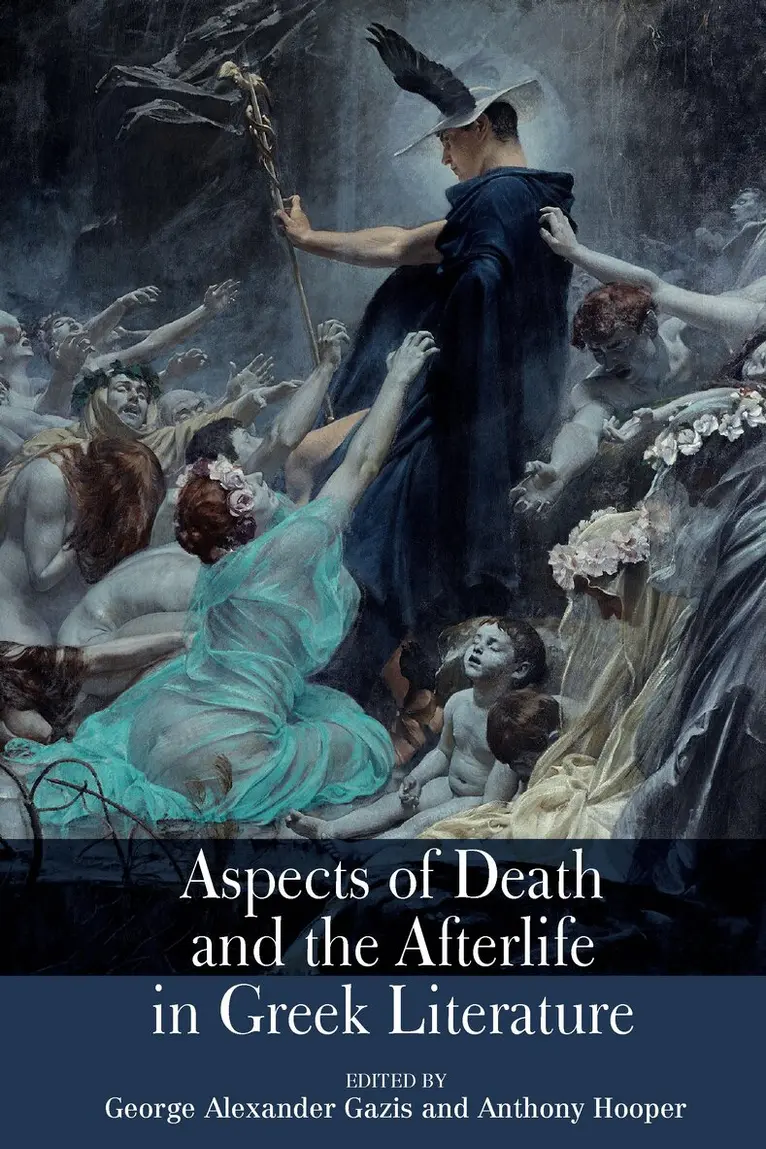
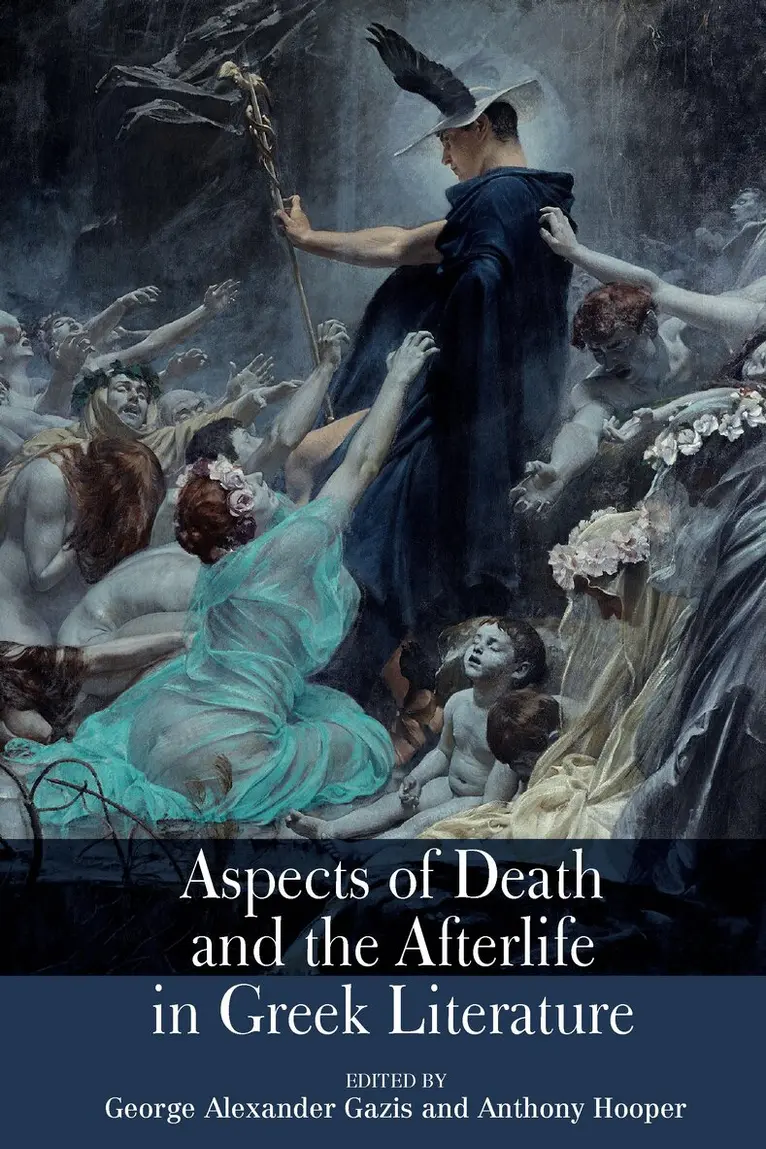
The concept of the afterlife has always been prominent in both Greek literature and modern scholarship alike. The fate of man after his/her allotted time has come to an end has a central position in poetry, philosophy and religion, often leading to questions and answers as to how one can best live one’s life, and how can one deal with the burden of mortality that is inherent in every human being. The Greeks devoted a considerable amount of their literary production in an attempt to answer these questions through a variety of different media, whereas similar concerns appear to have been at the core of the ancient world in general. This volume represents the first to examine the influences, intersections, and developments of understandings of death and the afterlife between poetic, religious, and philosophical traditions in ancient Greece in one resource. Greek thinking on death and the afterlife was neither uniform, simple, nor static, and by offering an examination of these matters in a properly interdisciplinary context this collection of papers aims to demonstrate the full richness, complexity, and flexibility of these ideas in the ancient Greek world, and illuminate how freely writers from various genres drew inspiration from each other’s thinking concerning eschatological matters. Contributors: Alberto Benarbé; Rick Benitez; Nicolo Benzi; Chiara Blanco; Radcliffe Edmonds; George Alexander Gazis; Anthony Hooper; Vaios Liapis; Alex Long; Ioannis Ziogas.
Häftad, Engelska, 2024
519 kr
Skickas inom 5-8 vardagar
The concept of the afterlife has always been prominent in both Greek literature and modern scholarship alike. The fate of man after his/her allotted time has come to an end has a central position in poetry, philosophy and religion, often leading to questions and answers as to how one can best live one’s life, and how can one deal with the burden of mortality that is inherent in every human being. The Greeks devoted a considerable amount of their literary production in an attempt to answer these questions through a variety of different media, whereas similar concerns appear to have been at the core of the ancient world in general. This volume represents the first to examine the influences, intersections, and developments of understandings of death and the afterlife between poetic, religious, and philosophical traditions in ancient Greece in one resource. Greek thinking on death and the afterlife was neither uniform, simple, nor static, and by offering an examination of these matters in a properly interdisciplinary context this collection of papers aims to demonstrate the full richness, complexity, and flexibility of these ideas in the ancient Greek world, and illuminate how freely writers from various genres drew inspiration from each other’s thinking concerning eschatological matters. Contributors: Alberto Benarbé; Rick Benitez; Nicolo Benzi; Chiara Blanco; Radcliffe Edmonds; George Alexander Gazis; Anthony Hooper; Vaios Liapis; Alex Long; Ioannis Ziogas.